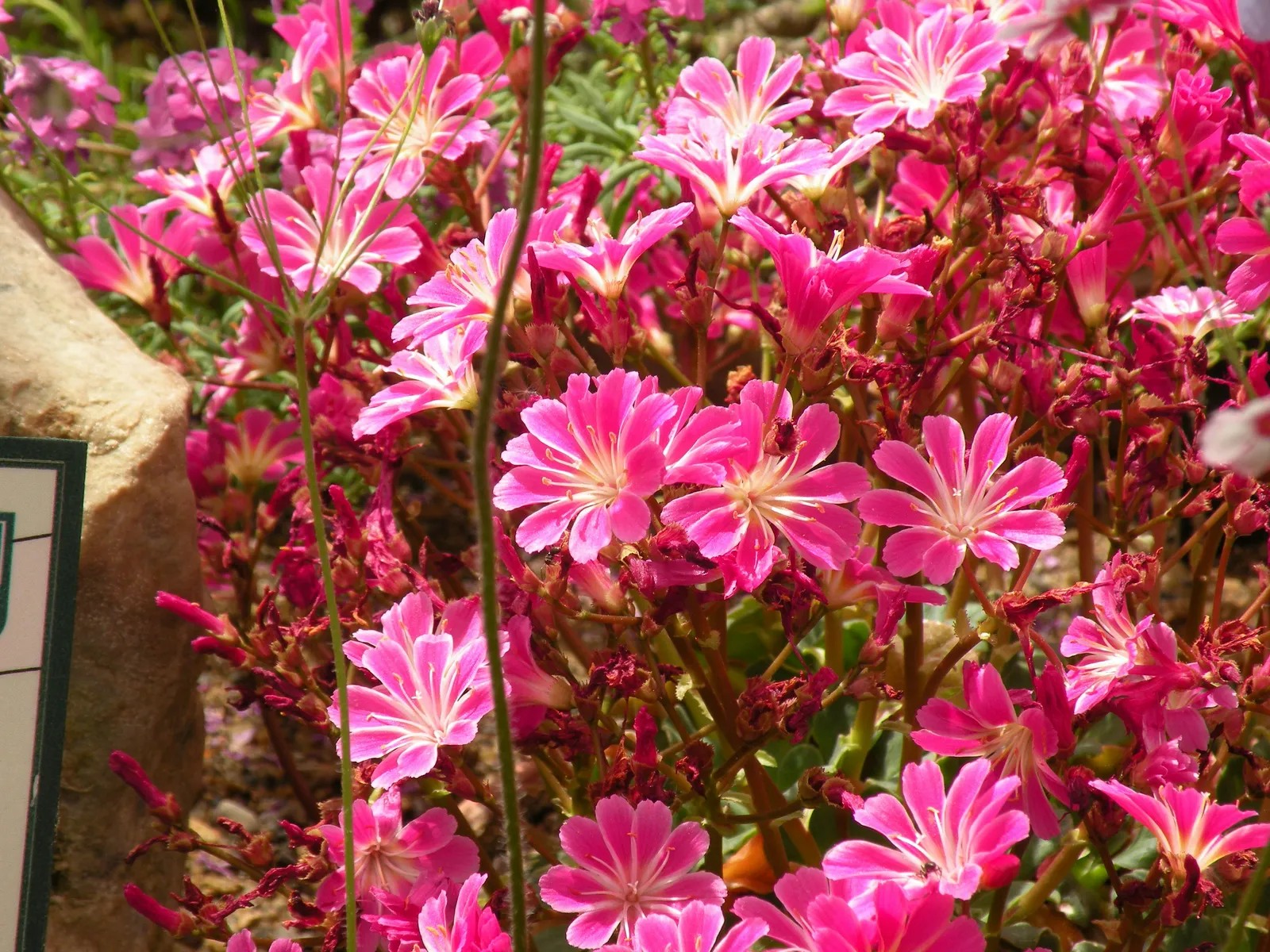

Across the western United States, gardeners seeking resilient plants for challenging sites are discovering Lewisia, a compact succulent also known as cliff maids. Native to rocky outcroppings and mountain slopes, this understated perennial forms neat rosettes of thick leaves that support vivid blooms from spring into early summer. Its ability to handle dry, poor soils makes it a practical choice for those prioritizing low-maintenance native species.
Origins in Western North American Landscapes
Lewisia grows naturally in the rugged terrain of the Rocky Mountains and similar rocky formations throughout western North America. The plant has adapted to environments where water is scarce and soil is thin, allowing it to persist where many other ornamentals struggle. These conditions have shaped its succulent nature, with fleshy leaves that store moisture efficiently during dry periods.
Gardeners in similar climates often find that Lewisia integrates well into rock gardens, slopes, or crevices that mimic its wild habitat. Its presence adds texture and seasonal interest without demanding frequent irrigation or rich soil amendments. This native status also supports broader efforts to incorporate regionally appropriate plants that require fewer resources over time.
Vivid Blooms on a Compact Form
Each rosette produces clusters of bright flowers in shades of pink, yellow, orange, purple, and white. The display typically peaks in spring and continues into early summer, providing a welcome burst of color against the plant’s deep green foliage. Individual blooms are relatively small yet numerous enough to create a noticeable impact in the landscape.
The contrast between the sturdy, fleshy leaves and the delicate-looking flowers highlights why Lewisia stands out among other succulents. Unlike many desert species that favor muted tones, this plant offers a wider palette that appeals to those designing for visual variety. Its modest size keeps it suitable for containers, borders, or tucked into stone walls where space is limited.
Practical Advantages in Modern Gardens
Because Lewisia originates from drought-prone areas, it performs reliably in low-water landscapes once established. Homeowners and landscape professionals value its tolerance for rocky or sandy conditions that would challenge less adapted species. This trait aligns with increasing interest in sustainable gardening practices that reduce reliance on supplemental watering.
The plant’s evergreen or semi-evergreen foliage provides year-round structure in milder climates, while its flowers attract pollinators during the active growing season. For gardeners focused on native plantings, Lewisia offers an authentic connection to western ecosystems without the maintenance demands of more finicky exotics. Its understated presence also suits naturalistic designs that emphasize texture over bold statements.
- Pink flowers for soft, romantic accents
- Yellow and orange tones for warm, energetic highlights
- Purple shades that add depth and contrast
- White blooms for clean, bright contrast against foliage
Selecting and Positioning Lewisia Effectively
Choosing the right spot begins with matching the plant’s preference for excellent drainage and full sun to partial shade. Sites with rocky or gravelly soil often yield the best results, as these replicate the natural conditions where Lewisia thrives. Proper placement reduces the risk of issues related to excess moisture around the crown.
Once sited correctly, Lewisia requires minimal ongoing attention beyond occasional weeding and monitoring for pests common to succulents. Its compact habit makes it easy to combine with other drought-tolerant natives or alpines for layered interest. Over time, established plants can form small colonies that enhance the overall resilience of a garden bed.
AI Disclaimer: This article was created with the assistance of AI tools and reviewed by a human editor.