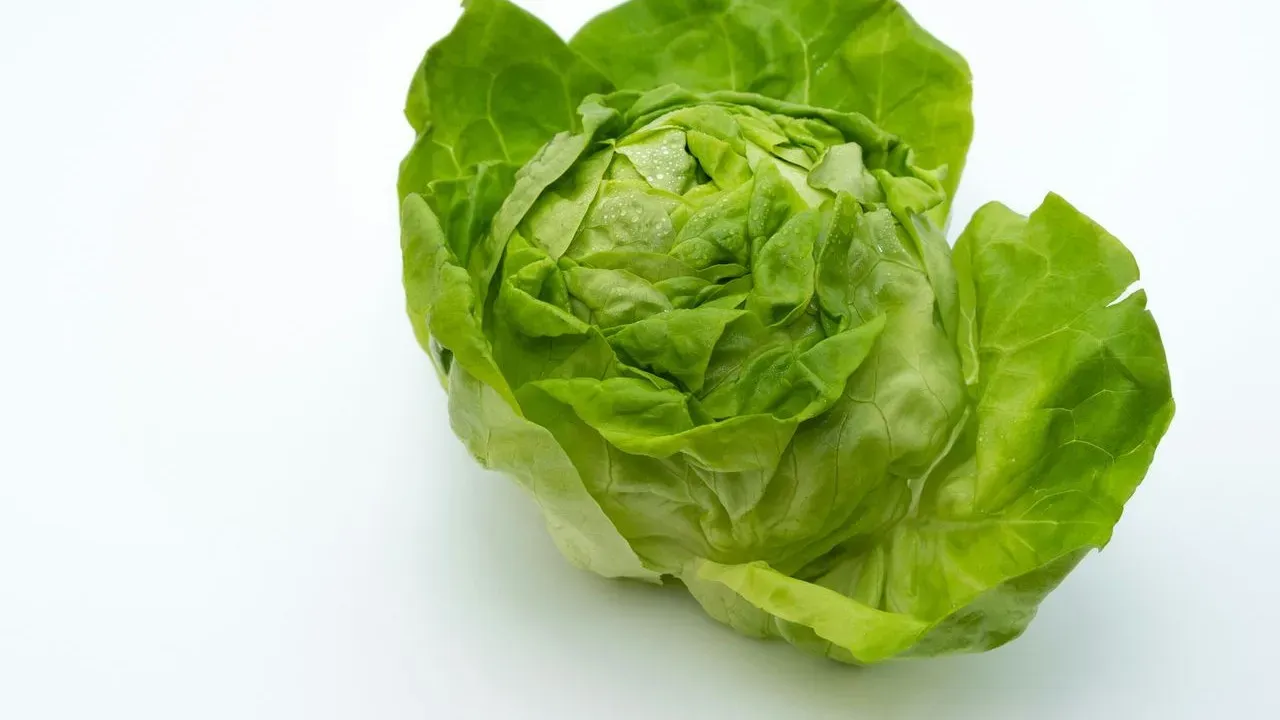

Thousands of people across the country have fallen ill after eating iceberg lettuce, turning a routine salad ingredient into the source of a widespread health scare. The latest figures show the toll climbing rapidly in recent weeks, with cases still being confirmed. Two deaths have already been recorded, underscoring how a microscopic parasite can disrupt lives far beyond the dinner table.
The Growing Toll Across States
Health officials have now tallied 10,930 laboratory-confirmed cases tied to this specific outbreak as of August 21. That marks a sharp rise from the 9,481 cases reported just eight days earlier. The illnesses stretch across 17 states, with 454 people requiring hospital care.
Two patients in Michigan did not survive. Onset dates range from June 14 through August 11, meaning many people became sick well before any recall took effect. The pattern points to a single supply chain that reached restaurants and grocery stores alike.
Tracing the Lettuce Connection
Investigators have linked the cases to processed iceberg lettuce grown and handled at a Taylor Farms facility in central Mexico. Some of those affected reported eating at Taco Bell locations that used the product. Most illnesses occurred before the company’s July 17 recall.
The Food and Drug Administration has started on-site inspections at the operation. Records show the facility had not received a U.S. inspection in seven years before the current outbreak. A wash step exists in the production line, yet experts note that standard rinsing and chlorine treatments do not eliminate the parasite once it embeds in the produce.
How Cyclospora Spreads and Why It Persists
The parasite, Cyclospora cayetanensis, is a single-celled organism transmitted only through human waste contaminating food or water. Unlike some bacterial pathogens, it does not come from animal feces. Contaminated produce shows no visible signs, smell, or taste that would alert consumers.
Symptoms typically appear two to fourteen days after exposure and include severe abdominal pain, watery diarrhea, nausea, vomiting, body aches, and profound fatigue. Untreated cases can drag on for a month or longer, with symptoms sometimes returning for additional months. Specific laboratory tests are needed for diagnosis, followed by targeted antibiotics.
Separate Outbreaks Add to the National Picture
This lettuce-linked cluster sits apart from other Cyclospora outbreaks tracked since May 1. Nationwide, laboratories have confirmed 15,716 infections across 47 states plus Washington, D.C., and Puerto Rico, resulting in at least 828 hospitalizations. Last year the same period produced only 1,180 cases.
A recent Government Accountability Office review highlighted broader inspection shortfalls, noting the FDA conducted an average of just 917 foreign food-facility inspections annually from 2018 through 2023 – well below statutory targets. The current situation illustrates how gaps in oversight can allow problems to reach consumers.
Practical Steps for Consumers
- Stay alert for any further recalls or public health alerts involving fresh produce.
- Seek medical care promptly if watery diarrhea and fatigue develop after eating salads or similar items, especially if symptoms last more than a few days.
- Understand that home washing offers limited protection against this parasite.
- Consider growing leafy greens at home when possible, where handling and sourcing remain under direct control.
The outbreak continues to evolve as inspections proceed and more cases are reviewed. For many families the episode serves as a reminder that everyday foods can carry hidden risks when supply chains stretch across borders and oversight lags.
AI Disclaimer: This article was created with the assistance of AI tools and reviewed by a human editor.