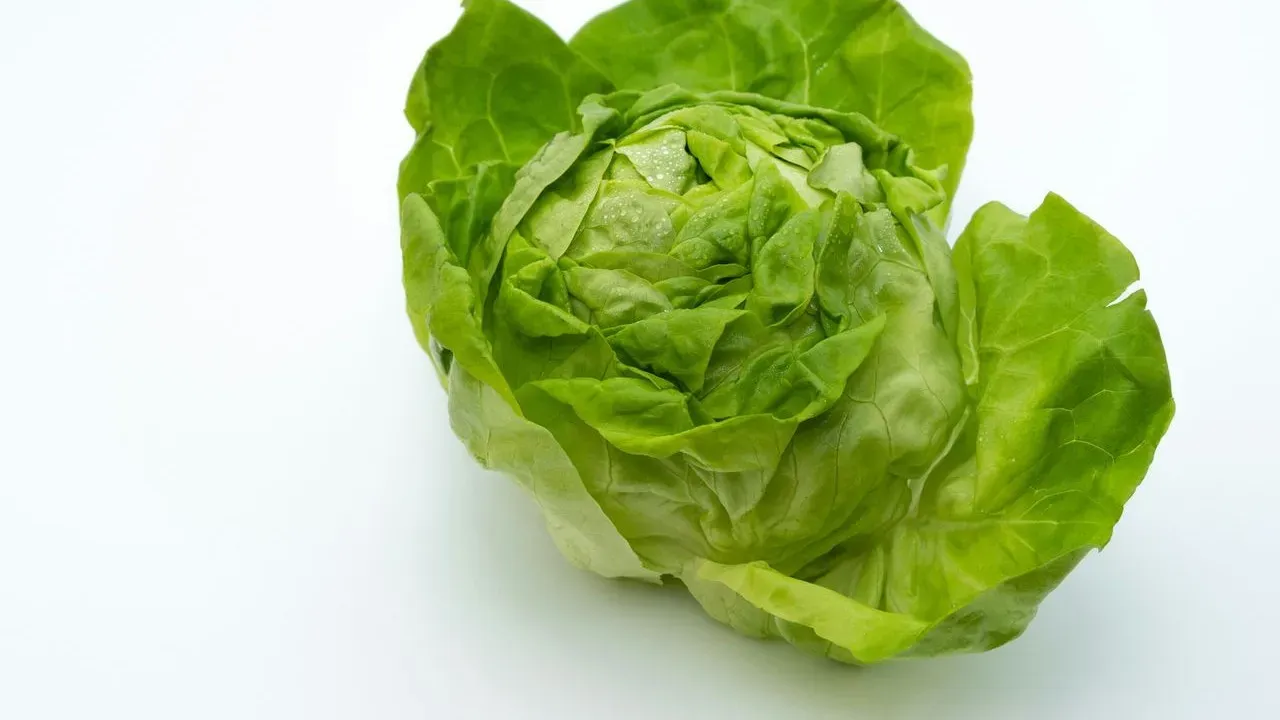

Gardeners across much of the country face the first frosts of the season in mid-October, raising questions about how long leafy greens can continue to produce. Lettuce, a cool-season staple, offers more resilience than many expect when the right varieties are chosen and basic protections are in place. The key lies in shielding the roots from sustained freezing while selecting types that tolerate light freezes down to around 20°F. With thoughtful timing and simple measures, fresh leaves remain available well into late fall and even winter. ([1])
Understanding Lettuce Cold Tolerance
Lettuce performs best in daytime temperatures between 55 and 65°F, yet many varieties continue growing when nights dip below freezing. Plant breeders describe it as semi-hardy, capable of handling light frost when air temperatures range from 28 to 32°F. Hardier types can survive brief drops to 20°F after gradual exposure to cooler conditions. This tolerance sets lettuce apart from more delicate summer crops, though it falls short of the extreme hardiness seen in crops like kale or spinach.
Light frosts typically cause minimal damage if plants have been hardened off. Sustained hard freezes below 25°F for several hours, however, risk ice formation inside plant tissues that bursts cell walls. Gardeners who monitor local frost dates and select appropriate cultivars can often push harvests later than expected without elaborate equipment.
Selecting Frost-Tolerant Varieties
Not all lettuce performs equally in chilly conditions. Loose-leaf types generally outperform butterhead and crisphead varieties because they tolerate shade from shorter autumn days and recover more readily from cold stress. Timing also matters: choose cultivars with maturity dates that align with expected first frosts so plants reach harvest size before prolonged freezes arrive.
Several named varieties stand out for cold regions. ‘Grand Rapids’ produces frilly, bright green leaves with a mild flavor and grows vigorously even below freezing, making it suitable for unheated hoop houses or cold frames. ‘Great Lakes 118’ offers dense heads suited to northern climates and can be sown in fall for extended production in milder areas. ‘Lollo Rosso’ adds color with its ruffled magenta leaves and performs well in zones 4 through 9, with outer leaves ready for picking in as little as three weeks.
Baby-leaf mixes provide another practical option. These reach edible size faster than full heads and suffer less damage from occasional frost, allowing gardeners to maintain a steady supply as temperatures decline.
How Freezing Temperatures Affect Plants
Frost forms when moisture in the air condenses and freezes on plant surfaces at or below 32°F. Light freezes in the 28 to 32°F range may leave lettuce largely intact, especially if soil remains unfrozen. Harder conditions below 25°F cause more serious injury, visible as blisters or tan patches on leaves that signal irreversible cell damage.
Roots suffer most when soil freezes solid, cutting off water and nutrients. This is why protection focuses on keeping the ground around the plants from reaching damaging temperatures rather than attempting to warm the entire plant. Once sustained hard freezes set in, most lettuce eventually succumbs regardless of covers, so these techniques work best for bridging short cold snaps.
Practical Protection Methods
Preparation begins well before frost arrives. Sow or transplant seedlings at least two to four weeks ahead of the average first frost date so plants harden naturally. Well-draining soil prevents water from pooling and freezing around roots. A two- to three-inch layer of organic mulch such as straw, wood chips, or pine needles applied over the soil helps retain warmth and delays ground freezing.
Row covers or cold frames add another layer of defense during light freezes. These materials trap heat while allowing some light penetration, and they prove especially useful for extending harvests of baby greens. Portable containers offer flexibility; plants can be moved to sheltered spots or even indoors when forecasts call for deeper cold.
Monitor conditions closely. Covers work best when a return to milder weather is expected within a day or two. In areas with long winters, more permanent structures like hoop houses become necessary for overwintering.
Planning for Extended Harvests
Success with frost-tolerant lettuce depends on matching variety maturity dates to local climate patterns. Adding extra time to expected growth periods accounts for slower development in cooler soils. Loose-leaf types harvested young often provide the most reliable returns through the transition into winter.
Gardeners who combine careful variety selection with timely mulching and covers can enjoy fresh salad greens long after many other crops have ended. The effort rewards those who value homegrown produce during months when store-bought options are limited. With roots protected and plants chosen for resilience, lettuce remains a practical choice for extending the season.
AI Disclaimer: This article was created with the assistance of AI tools and reviewed by a human editor.