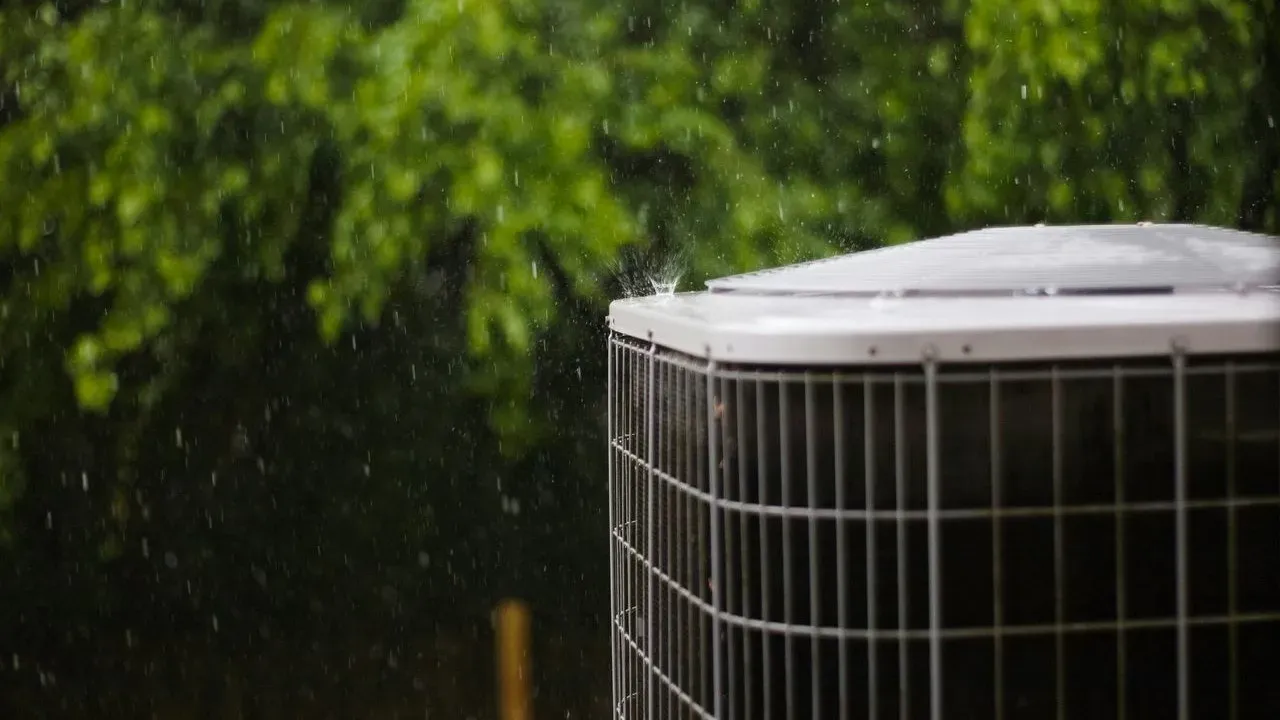

Homeowners across colder regions often face a familiar question each fall about their central air conditioning systems. The outdoor condenser sits exposed through months of snow, rain, and wind, prompting many to reach for a protective cover. Manufacturer guidance, however, suggests that approach can create more issues than it solves for most standard units.
Why a Full Cover Often Backfires
Modern outdoor condensers are engineered to handle year-round weather exposure. Lennox notes that complete wraps, particularly those made of plastic or vinyl, tend to trap moisture against the equipment. That trapped condensation promotes rust and corrosion on metal surfaces and electrical components over time. Pests add another layer of concern. A snug cover can provide shelter for rodents seeking warmth, and those animals sometimes chew through wiring once inside. Restricted airflow presents a separate risk whenever the system operates, as blocked vents force the unit to work harder and can lead to damage.
Special Rules for Heat Pumps
Heat pumps operate in both heating and cooling modes, so their outdoor units remain active through winter. Lennox states clearly that these systems should never receive a storage cover or lid, since they require unobstructed airflow at all times. The same principle applies to mini-split heat pumps used for heating. Public energy programs reinforce this view. Officials in New York and Maine recommend keeping units clear of snow drifts, leaves, and roof runoff while trimming nearby shrubs to maintain proper clearances. A rain shelter or diverter positioned above the unit can reduce cleaning needs without blocking intake or exhaust air, provided it meets manufacturer spacing requirements.
When Limited Protection Makes Sense
An AC-only condenser that stays idle all winter may benefit from targeted top protection in certain situations. Lennox allows for a secured piece of plywood or similar rigid cover when falling debris or heavy leaf accumulation poses a specific hazard. The sides must remain open to prevent moisture buildup and allow service access. Any such cover requires careful installation. It should never rest directly on operating equipment, and homeowners must remove it before restarting the system in spring. Checking the owner’s manual and warranty terms first remains essential, since coverage rules vary by brand and model.
Practical Steps That Work Better
Several maintenance habits protect the unit without the drawbacks of a full cover.
- Clear loose debris and leaves from around the base after storms.
- Keep shrubs and branches outside the manufacturer’s required clearances, including overhead space.
- Redirect roof runoff with gutters or diverters so water does not drip onto the coils.
- Inspect the unit after heavy snow and gently remove buildup that could restrict airflow.
- Schedule professional service at the interval recommended in the manual.
A thin layer of frost on a running heat pump is normal and usually clears during the automatic defrost cycle. Thicker ice that persists signals a problem best addressed by a qualified technician rather than manual removal.
Window Units Require Separate Handling
Room air conditioners installed in windows follow different guidance. ENERGY STAR suggests removing the unit at season’s end when practical to reduce heat loss through the opening. If removal proves difficult, an appropriately sized winter cover designed for that model can help, though instructions for proper fit and removal should always be followed. The decision ultimately rests with each homeowner’s equipment and local conditions. Reviewing the specific manual provides the clearest direction, and a quick call to the installer can resolve remaining questions before winter arrives. Proper care now helps ensure reliable performance when warmer weather returns.
AI Disclaimer: This article was created with the assistance of AI tools and reviewed by a human editor.