
What is a Lemon Queen Sunflower?
The Lemon Queen Sunflower (Helianthus annuus ‘Lemon Queen’) is a charming and vibrant variety of sunflower known for its stunning lemon-yellow petals. It is a popular choice for those seeking a sunflower with a bright and cheerful color that adds a touch of sunshine to any garden or landscape.
The Lemon Queen Sunflower typically grows to a height of 5 to 8 feet (1.5 to 2.4 meters), making it a tall sunflower variety. The flower heads can reach a diameter of about 6 to 8 inches (15 to 20 centimeters). Each plant usually produces multiple flower heads, creating a magnificent display of sunny blooms.
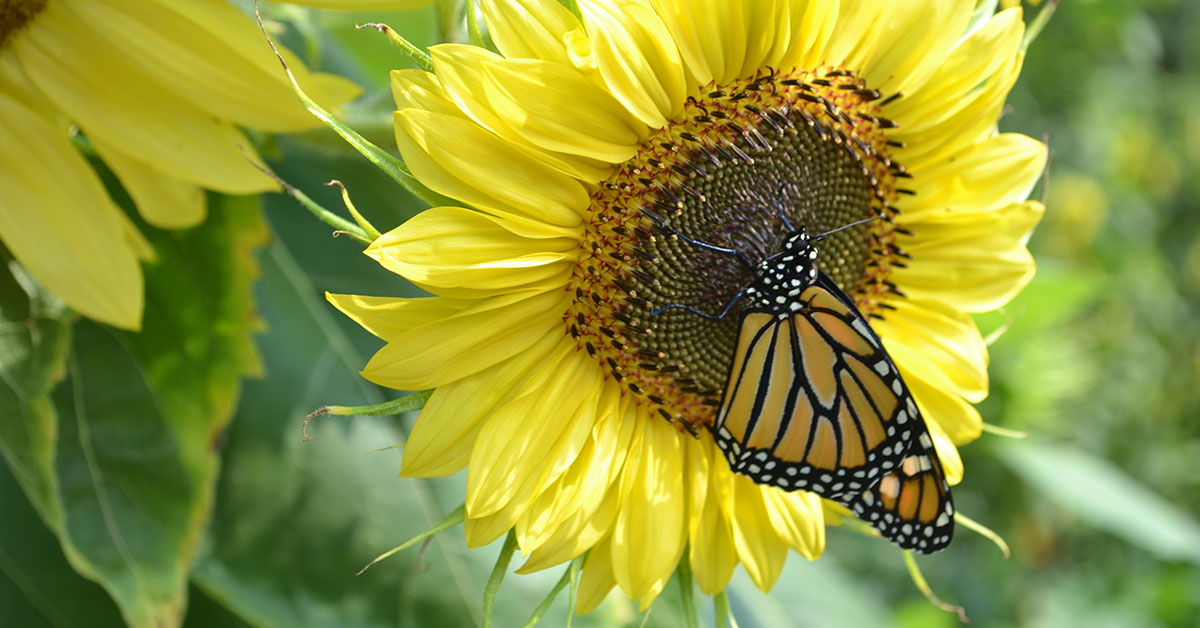
The petals of the Lemon Queen Sunflower are a soft, lemon-yellow color, reminiscent of the vibrant citrus fruit that inspired its name. The yellow hue is bright and cheerful, creating a striking contrast against the dark brown center (known as the disc florets) of the flower head.
These sunflowers not only add visual appeal to gardens but also attract pollinators, such as bees and butterflies, with their nectar-rich blooms. The Lemon Queen Sunflower is a favorite among gardeners looking to create a haven for beneficial insects.
Lemon Queen Sunflowers are versatile and can be used in various garden settings. They make excellent backdrops in flower beds, borders, or as natural screens. Additionally, their long stems and large flower heads make them suitable for cut flower arrangements, bringing a burst of sunshine indoors.
If you’re looking to add a cheerful and vibrant element to your garden or floral displays, the Lemon Queen Sunflower is an excellent choice. Its lemon-yellow petals and impressive height are sure to brighten any landscape and evoke a sense of warmth and happiness.
What does a Lemon Queen Sunflower look like?
The Lemon Queen Sunflower (Helianthus annuus ‘Lemon Queen’) has a distinct and eye-catching appearance. Here’s a description of what a Lemon Queen Sunflower looks like:
Size and Height: Lemon Queen Sunflowers are known for their tall and majestic growth. They can reach heights of 5 to 8 feet (1.5 to 2.4 meters) or even taller, depending on growing conditions. Their height adds a commanding presence to garden landscapes.
Flower Head: The flower head of a Lemon Queen Sunflower is large and impressive, typically measuring around 6 to 8 inches (15 to 20 centimeters) in diameter. The flower head is composed of numerous individual ray florets that surround the central disc florets.
Petal Color: Lemon Queen Sunflowers get their name from their soft and delicate lemon-yellow petals. The petals exhibit a bright and cheerful yellow hue, reminiscent of the refreshing citrus fruit. The color adds a vibrant touch to the garden and creates a striking visual contrast against the dark brown or black center of the flower head.
Petal Shape and Texture: The petals of Lemon Queen Sunflowers are broad and slightly elongated. They have a smooth and velvety texture, providing an interesting tactile experience. The petals gracefully curve outward, creating an inviting display for pollinators and human admirers alike.
Foliage: Lemon Queen Sunflowers have broad, lance-shaped leaves that are green in color. The leaves add a lush and verdant backdrop to the vibrant yellow flower heads.
The overall appearance of a Lemon Queen Sunflower is one of brightness and warmth. The lemon-yellow petals and impressive height make these sunflowers stand out in any garden or floral arrangement. Whether in a garden bed, border, or as a cut flower, Lemon Queen Sunflowers bring a radiant and cheerful ambiance to their surroundings.
How to grow Lemon Queen Sunflowers
To grow Lemon Queen Sunflowers (Helianthus annuus ‘Lemon Queen’) and enjoy their vibrant and cheerful blooms, follow these steps:
- Select a Suitable Location: Choose a sunny spot in your garden that receives at least 6-8 hours of direct sunlight per day. Sunflowers thrive in full sun.
- Prepare the Soil: Lemon Queen Sunflowers prefer well-draining soil with a pH between 6.0 and 7.5. Before planting, loosen the soil and remove any weeds or debris. Add organic matter like compost or well-rotted manure to improve soil fertility and drainage.
- Sow the Seeds: Directly sow the Lemon Queen Sunflower seeds into the prepared soil after the danger of frost has passed and the soil has warmed up. Plant the seeds about 1 inch (2.5 centimeters) deep and 6-12 inches (15-30 centimeters) apart, depending on the desired spacing and mature plant size.
- Watering: Keep the soil consistently moist during the germination and early growth stages. Once established, sunflowers are relatively drought-tolerant, but regular watering during dry periods can help promote healthier plants and larger blooms.
- Provide Support: As Lemon Queen Sunflowers can grow tall, it’s recommended to provide support to prevent them from toppling over in strong winds. Staking individual plants or using a trellis can help keep them upright.
- Mulching and Weed Control: Apply a layer of organic mulch around the base of the plants to help retain soil moisture, regulate soil temperature, and suppress weed growth. Mulching also helps maintain a cleaner and more aesthetically pleasing garden bed.
- Fertilization: Lemon Queen Sunflowers are relatively low-maintenance and do not require heavy fertilization. However, adding a balanced fertilizer or compost during the early stages of growth can provide additional nutrients. Follow the recommended dosage instructions on the fertilizer packaging.
- Deadheading: To promote continuous blooming, you can deadhead (remove) the spent flowers by cutting them back to the main stem. This encourages the plant to redirect its energy towards producing more blooms.
- Harvesting Seeds: If you’re interested in harvesting the seeds, allow the flower heads to fully mature and dry on the plant. The back of the flower heads will turn brown, and the seeds will become plump and hard. Cut the flower heads and hang them upside down in a dry, well-ventilated area. Once the seeds are fully dry, gently rub or brush them off the flower heads and store them in a cool, dry place.
By following these steps, you can successfully grow Lemon Queen Sunflowers and enjoy their vibrant and cheerful blooms in your garden. These sunflowers make beautiful additions to borders, flower beds, or as cut flowers, adding a burst of sunshine and warmth to any landscape.
Common problems
While sunflowers are generally robust and easy to grow, they may encounter a few common problems. Here are some issues you may face when growing sunflowers and tips on how to address them:
- Pests: Sunflowers can attract pests like aphids, slugs, snails, and caterpillars. Regularly inspect your plants for signs of infestation, such as distorted leaves or chewed flowers. Use organic pest control methods or appropriate insecticides to manage the pests if necessary.
- Birds: Birds are attracted to sunflower seeds, especially as the flower heads mature and the seeds become exposed. Consider covering the flower heads with lightweight netting or harvesting them before they fully ripen to protect the seeds.
- Diseases: Sunflowers can be susceptible to fungal diseases such as powdery mildew, downy mildew, and rust. To prevent these diseases, provide good air circulation by spacing plants adequately and avoid overhead watering. Apply fungicides if necessary and follow the instructions on the product label.
- Stem or Head Rot: Overly wet conditions and poor drainage can lead to stem or head rot in sunflowers. To prevent rot, ensure the soil has good drainage and avoid overwatering. Proper spacing between plants and promoting airflow can also help prevent fungal infections.
- Nutrient Deficiencies: Sunflowers may exhibit signs of nutrient deficiencies, such as yellowing leaves or stunted growth. Test your soil to determine any nutrient deficiencies and adjust fertilization accordingly. Regularly add organic matter or balanced fertilizers to replenish soil nutrients.
- Weather Damage: Strong winds or heavy rain can cause sunflower stems to break or flower heads to droop. Stake taller varieties or provide support to prevent damage. If severe weather is expected, you can protect the plants by covering them with fabric or relocating potted sunflowers indoors.
- Weed Competition: Weeds can compete with sunflowers for nutrients, water, and sunlight. Regularly weed around your sunflower plants to minimize competition. Applying mulch can help suppress weed growth and maintain soil moisture.
By being vigilant and addressing these common problems promptly, you can ensure the health and vitality of your sunflowers. Proper care and maintenance will help your sunflowers thrive, producing magnificent blooms and adding beauty to your garden.
When to harvest
To determine the right time for harvesting Lemon Queen Sunflowers (Helianthus annuus ‘Lemon Queen’), follow these guidelines:
Petal Condition: Wait until the flower petals have fully opened and are displaying their vibrant lemon-yellow color. The petals should be fresh and not showing signs of wilting or browning. Harvesting at this stage ensures that you capture the bright and cheerful beauty of the flower at its peak.
Seed Development: Check the center of the flower head where the seeds are forming. The back of the flower head should turn brown or yellow, indicating that the seeds are maturing. Allow enough time for the seeds to fully develop before harvesting.
Timing: Harvest Lemon Queen Sunflowers when they are at their prime bloom, typically around 70-90 days after sowing the seeds. However, it’s important to consider the specific growing conditions and the maturity indicators of the individual flower heads. Each sunflower head may mature at a slightly different rate, so monitor them closely.
Touch Test: Gently touch the back of the flower head and feel for firmness. The seeds should feel firm and well-developed, indicating they are mature and ready for harvest. If the seeds still feel soft or immature, allow more time for them to ripen.
Harvesting: Cut the stem of the sunflower below the flower head using sharp garden shears or pruners. Leave several inches of stem attached for easier handling and arranging.
Drying: Hang the harvested sunflower heads upside down in a dry, well-ventilated area to allow the seeds to further mature and dry. This drying process helps ensure the seeds are fully dry before storage or further use.
Once the flower heads and seeds are completely dry, you can gently rub or brush the seeds off the flower head. Store the harvested seeds in a cool, dry place in airtight containers for future planting or culinary use.