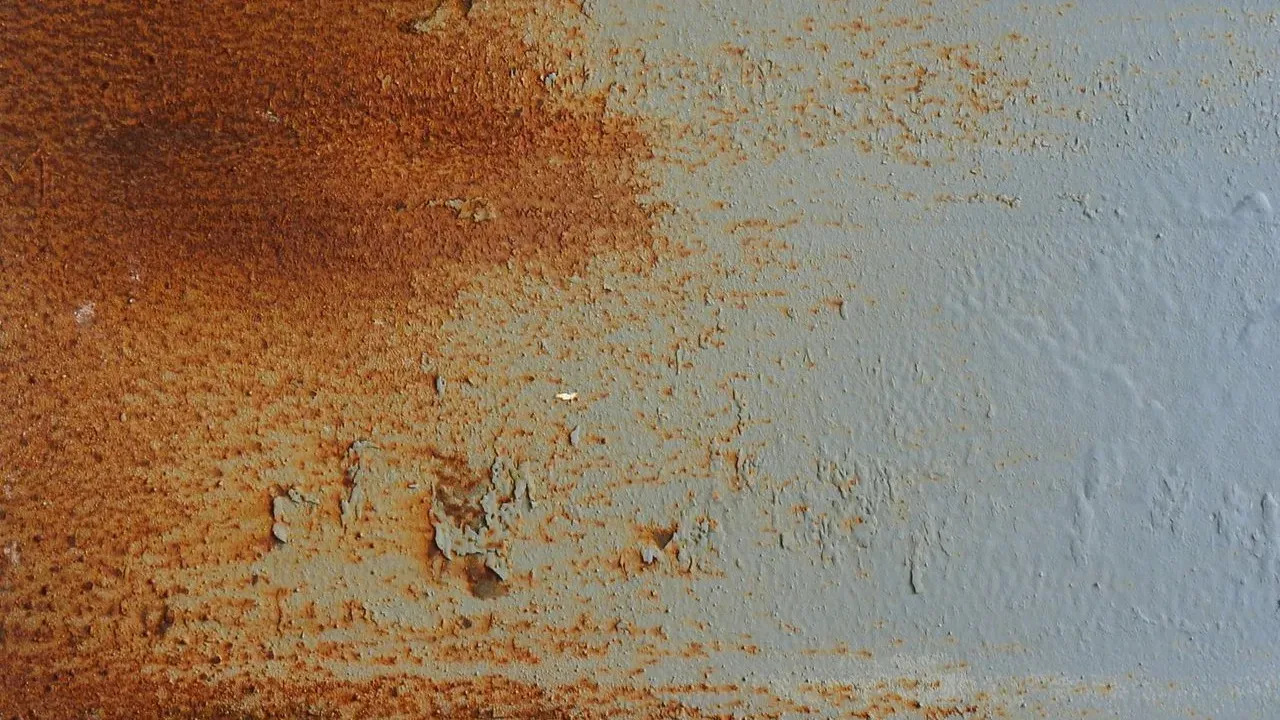

A gardener reaches into the washing machine expecting clean work clothes and instead finds an orange-brown streak along the collar. The shirt went in spotless after a day spent pruning roses and moving patio furniture. Regular detergent leaves the mark untouched. The culprit is iron oxide from a chipped tool or the machine drum itself, and it requires a different approach than everyday soil or grass stains.
Why Rust Bonds Differently to Fabric
Rust forms when iron meets moisture and oxygen, creating a compound that chemically attaches to fibers rather than sitting on the surface. Organic stains from garden soil or plant sap respond to surfactants in laundry soap. Iron oxide does not. Detergent cycles and even repeated washes accomplish little because they lack the acid needed to break those bonds. Heat from a dryer can drive the discoloration deeper, turning a fresh mark into a stubborn one. This explains why rust stains survive multiple laundry attempts while other outdoor grime comes out easily. The solution lies in chelation, where certain acids grab iron ions and turn them into a form that rinses away with water.
The Natural Method That Works
Fresh lemon juice supplies citric acid that reacts directly with the iron oxide. Table salt adds mild abrasion and helps the acid penetrate the weave. Direct outdoor sunlight supplies ultraviolet energy that speeds the reaction substantially. Saturate the stain with lemon juice, sprinkle salt generously over it, and press gently without rubbing. Place the garment in bright sun for 30 to 60 minutes. Rinse thoroughly with cold water, then wash as usual in cold or warm water. Check the spot before drying and repeat if any trace remains. The same process works on cotton, linen, and denim common in garden clothing. On darker fabrics, limit sun time to 30 minutes and test first on an inside seam to avoid any lightening effect from the acid.
Protecting Garden Clothes From Recurring Marks
Many rust stains on outdoor wear trace back to metal tools, wire hangers, or the washing machine itself. Inspect the drum interior with a flashlight for rough or chipped spots that shed iron during cycles. Small enamel chips can be sealed with appliance epoxy. Replace metal hangers with plastic or wood versions for damp shirts and jackets. Empty pockets of screws, pins, or coins before washing. For homes on well water, an inlet filter reduces iron content that can tint entire loads. These steps stop the cycle of treating stains only to see new ones appear after the next garden session.
Treating rust promptly keeps favorite garden shirts and pants in rotation season after season. The right acid and sunlight combination turns what looks like permanent damage into a straightforward fix.
AI Disclaimer: This article was created with the assistance of AI tools and reviewed by a human editor.