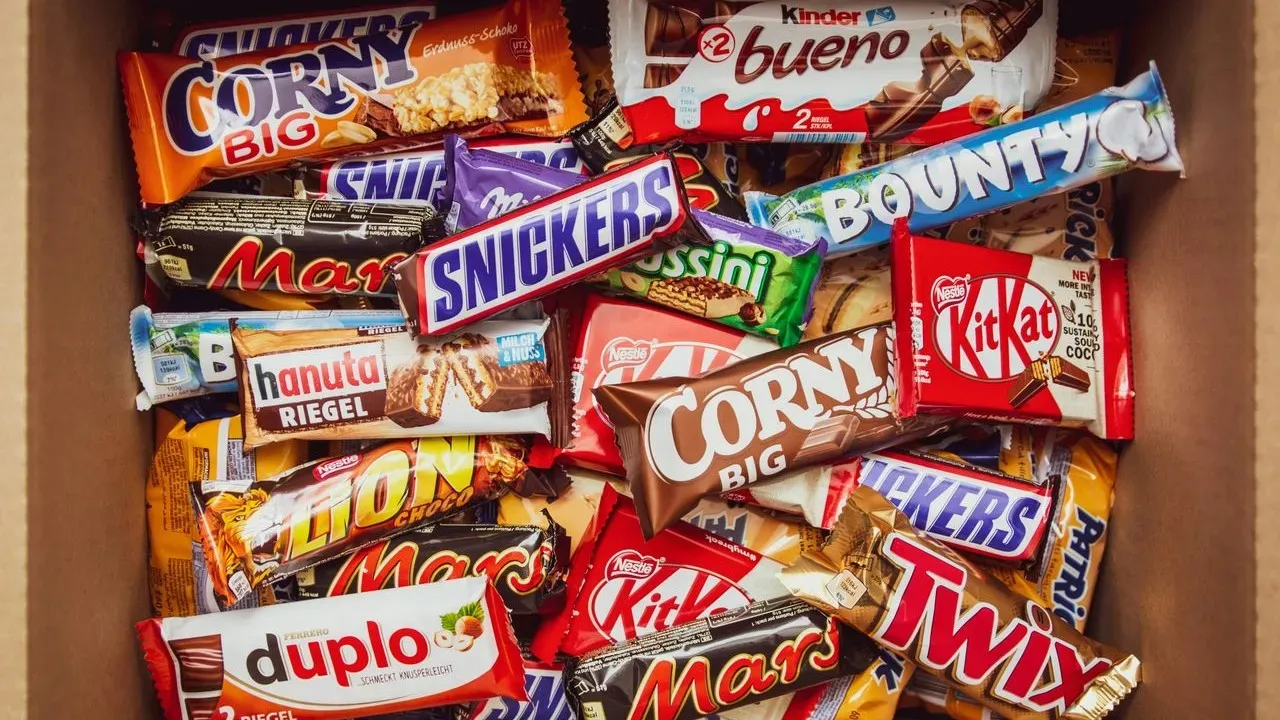

Households across the country often end up with extra Halloween candy after the holiday. Proper storage can preserve quality for months, while poor conditions quickly lead to staleness or texture changes. Guidance from university extension services outlines reliable methods and timelines based on candy type and handling. ([1])
Ideal Storage Conditions
Keep wrapped candy in its original packaging inside airtight containers. Place the containers in a cool, dry, dark spot away from heat sources, direct sunlight, and strong odors. These steps limit exposure to air and moisture that can cause stickiness or flavor loss.
Room temperature works well for most commercial candies when the environment stays stable. Avoid areas near stoves, windows, or vehicles where temperatures fluctuate. Extension experts emphasize that less air contact helps maintain freshness over time.
Shelf Life by Candy Type
Dark chocolate often retains best quality for one to two years when foil-wrapped and stored properly. Milk and white chocolate typically last eight to ten months under similar conditions. Hard candies such as lollipops or butterscotch can stay good for up to a year at room temperature.
Soft or jellied varieties hold quality for six to nine months after opening. Candy corn generally keeps three to six months once opened. Caramel and gum remain at peak for six to nine months when sealed and protected from heat and light.
When to Throw Candy Away
Inspect packages for mold, fuzz, or a bloated appearance before storing or eating. An off odor or signs of insect activity also indicate the candy should be discarded. These visual and sensory checks provide the clearest signals that quality has declined.
White or gray streaks on chocolate represent bloom from heat or moisture. Bloom affects appearance but does not make the chocolate unsafe to eat. Bloomed pieces can still be used in baking or melted for other recipes.
Handling Chocolate and Homemade Items
Chocolate usually performs best outside the refrigerator to avoid moisture absorption and odor transfer. Freezing works for chocolate intended for baking or melting later, though gradual temperature changes help reduce bloom risk. Homemade treats like fudge or rice cereal bars last about a week at room temperature in airtight containers.
Caramel or candy apples require refrigeration at 40 degrees Fahrenheit or below if not eaten within a couple of hours. Partly eaten coated apples follow the same rule to limit bacterial growth. Always keep any candy out of reach of pets and young children, and check labels for allergens when items lack clear wrappers.
AI Disclaimer: This article was created with the assistance of AI tools and reviewed by a human editor.