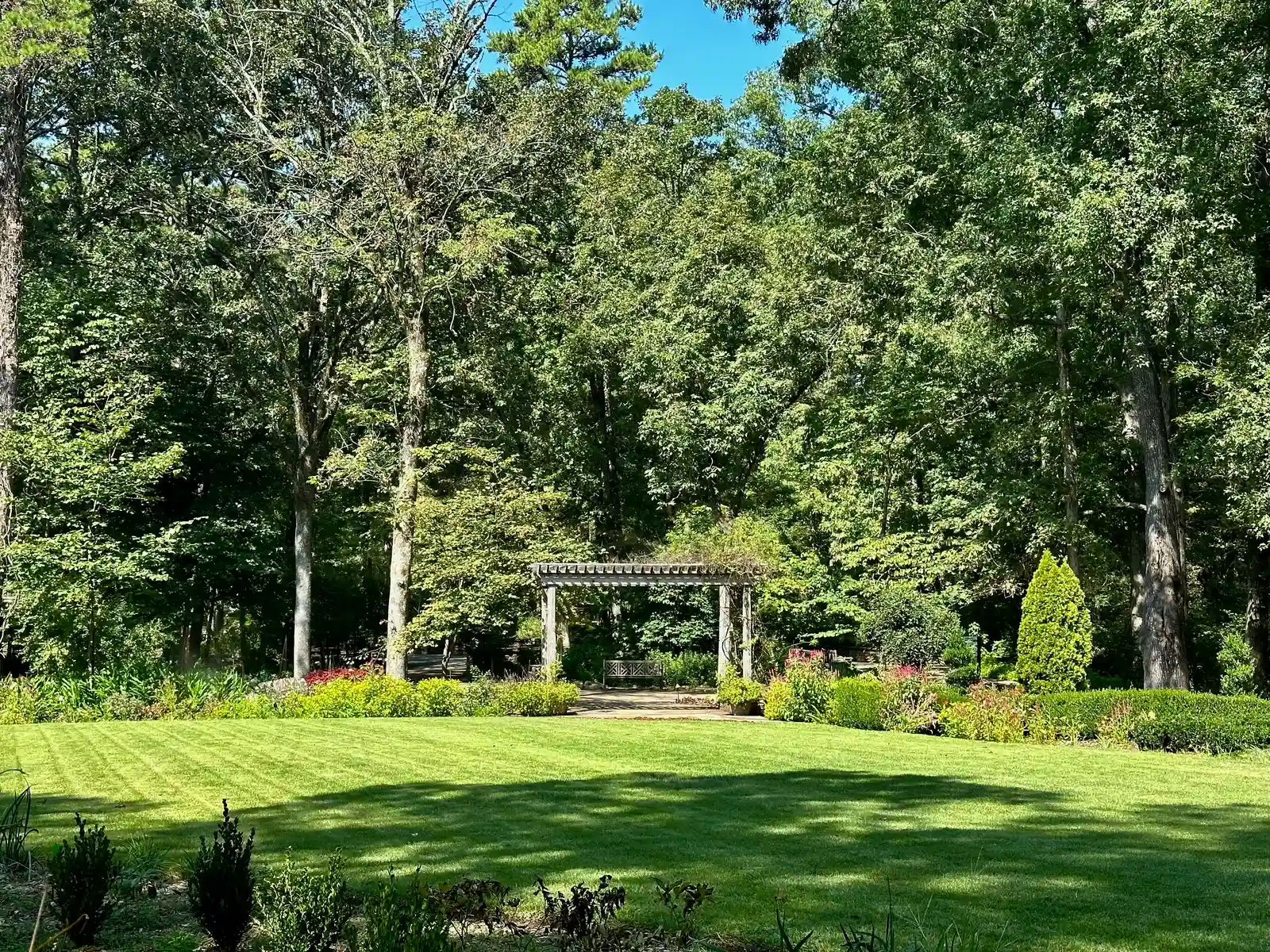

A shaded corner of a typical suburban yard can transform into a quiet retreat when gardeners focus on overlapping heights and varied leaf shapes. Many homeowners start with open lawn or sparse undergrowth and gradually introduce plants that thrive in dappled light. The result is a garden that feels established and full of subtle movement even on still days.
Why Layers Matter in Shade
Layered planting creates visual depth by placing taller elements behind mid-height shrubs and low ground covers. This approach mimics natural woodland edges where trees, shrubs, and herbaceous plants coexist at different levels. Home gardeners gain a longer season of interest because foliage often outlasts flowers.
Texture emerges from the contrast between bold, broad leaves and fine, feathery ones. The same principle applies to light and shadow, which shift throughout the day and change the garden’s appearance. Practical benefits include better weed suppression and improved moisture retention once the canopy fills in.
Selecting Foliage Plants
Foliage plants form the backbone of any textured woodland garden. Gardeners look for species that offer color variation from spring through fall without relying solely on blooms. Silver, chartreuse, and deep green tones can be combined to highlight paths or seating areas.
Repeat a few reliable foliage types across the site to unify the design. This repetition prevents a scattered look while still allowing room for occasional accents. Over time, these plants knit together into a cohesive carpet that softens hard edges.
Adding Flowering Woodies and Structure
Flowering woodies bring seasonal color and attract pollinators without overwhelming the shade. Early spring blossoms on bare branches give way to summer berries or fall foliage that extends interest. Structural standouts, such as upright evergreens or plants with distinctive branching, provide winter form when deciduous leaves drop.
These elements also serve as anchors for the overall composition. A single striking shrub can draw the eye through the layers and mark transitions between different garden rooms. Careful placement ensures the structure remains visible even as lower plants mature.
Putting Together a Planting Plan
Successful planting plans begin with an assessment of existing light, soil, and moisture conditions. Gardeners then map canopy trees first, followed by understory shrubs and finally the ground layer. This sequence prevents overcrowding and allows each tier to receive adequate resources.
Sketching the layout on paper helps visualize overlaps and gaps before any digging begins. Spacing recommendations should account for mature sizes rather than current nursery dimensions. A phased approach, installing the largest plants in year one and filling gaps in subsequent seasons, reduces initial cost and labor.
Maintenance stays manageable when plants are chosen for the site. Regular removal of invasive seedlings and occasional division of vigorous ground covers keep the layers balanced. Over several years the garden settles into a self-sustaining rhythm that rewards observation more than constant intervention.
Key considerations for any woodland planting plan include matching plant needs to site conditions, allowing space for mature growth, and repeating foliage textures for cohesion.
A layered woodland garden rewards patience with increasing complexity and quiet beauty. Homeowners who invest time in the initial plan often find the space becomes a favorite destination rather than a project that demands constant attention.
AI Disclaimer: This article was created with the assistance of AI tools and reviewed by a human editor.