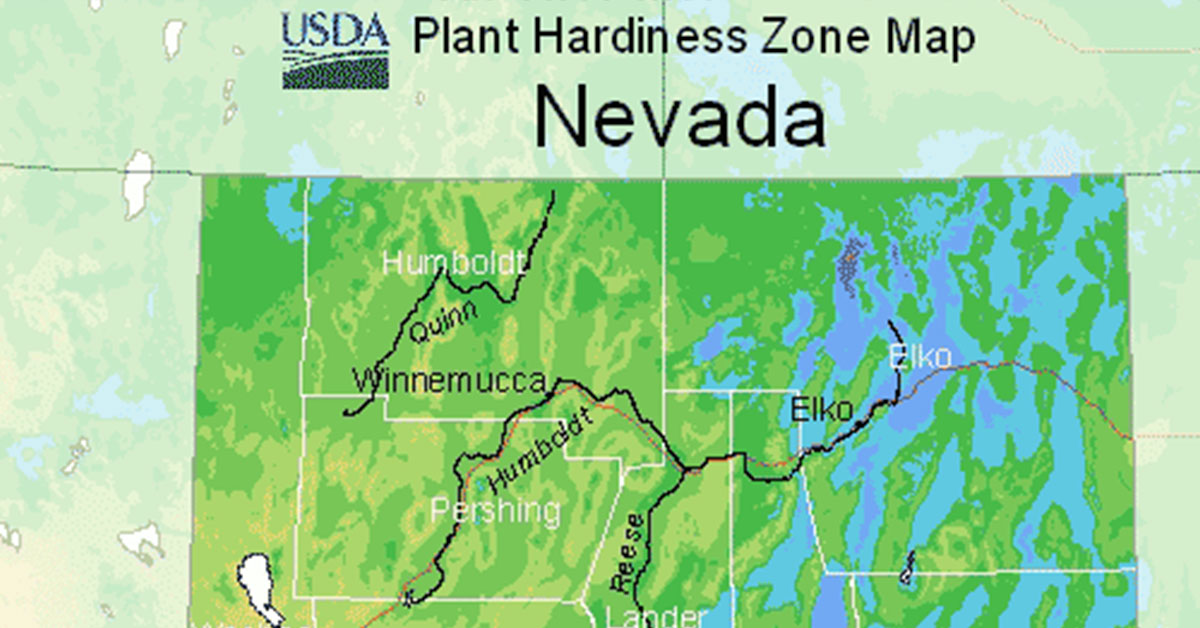

Welcome to the vibrant world of gardening in Las Vegas, a city known for its scorching summers and mild winters. Located in the Mojave Desert, Las Vegas falls within the USDA hardiness zone 9a, which presents unique challenges and opportunities for gardeners.
With an average annual minimum temperature range of 20 to 25 degrees Fahrenheit (-6.7 to -3.9 degrees Celsius), this zone offers a diverse selection of plants that can thrive in the desert climate. In this article, we will explore the best gardening practices, suitable plant choices, and essential tips to help you create a flourishing oasis in the heart of the desert.
Whether you are a seasoned gardener or a beginner, this guide will equip you with the knowledge and tools to transform your Las Vegas garden into a stunning and sustainable haven.
What is Las Vegas’s USDA hardiness zone?
The USDA hardiness zone is a system developed by the United States Department of Agriculture to categorize regions based on their average annual minimum temperatures. This system helps gardeners and plant enthusiasts determine which plants are most likely to thrive in a particular area.
Las Vegas, located in southern Nevada, falls under USDA hardiness zone 9a. This means that the average annual minimum temperature in Las Vegas ranges from 20 to 25 degrees Fahrenheit (-6.7 to -3.9 degrees Celsius). It is important to note that this is just an average, and extreme weather events can cause temperatures to drop even lower.
In zone 9a, gardeners have the advantage of a long growing season, typically lasting from early spring to late fall. However, the hot desert climate of Las Vegas presents some unique challenges for gardening. The intense heat and aridity of the region require careful consideration when choosing plants. Drought-tolerant and heat-resistant varieties are best suited for this environment.
Native plants, adapted to the local conditions, are often a good choice as they are naturally equipped to handle the climate. Some popular plant options for Las Vegas include desert-adapted succulents like agave, yucca, and cacti. Other heat-loving plants such as bougainvillea, lantana, and desert marigold can also thrive in this zone.
Additionally, fruit trees like citrus, pomegranate, and figs can be successfully grown with proper care. To ensure successful gardening in Las Vegas, it is important to provide adequate irrigation and soil amendments. The soil in the area is typically alkaline and may require the addition of organic matter to improve its fertility and water-holding capacity.
Mulching is also essential to conserve moisture and protect plants from the intense sun. Furthermore, it is crucial to protect plants from extreme temperatures, especially during the scorching summer months. Providing shade, using shade cloth, or strategically planting taller plants to provide some relief can help prevent sunburn and heat stress.
Overall, while gardening in Las Vegas can be challenging due to the extreme desert climate, with proper plant selection, irrigation, and care, it is possible to create a beautiful and thriving garden in USDA hardiness zone 9a.
When can you plant your garden in Las Vegas?
In Las Vegas, the ideal planting times can be determined by considering the USDA hardiness zone for the region. Las Vegas falls under USDA hardiness zone 9a, which means it experiences mild winters and hot summers. Here are the ideal planting times for different types of plants in Las Vegas:
- Cool-season vegetables: Cool-season vegetables like lettuce, spinach, broccoli, and carrots can be planted in Las Vegas during the fall and early spring. The best time to plant these vegetables is from September to November and from February to March.
- Warm-season vegetables: Warm-season vegetables such as tomatoes, peppers, cucumbers, and squash thrive in the hot summers of Las Vegas. It is recommended to plant these vegetables after the last frost date, which usually occurs around mid-March to early April.
- Perennial flowers and ornamental plants: Perennial flowers and ornamental plants can be planted in Las Vegas during the fall or early spring. This allows them to establish their root systems before the extreme heat of summer. The ideal planting time for perennials is from September to November and from February to March.
- Annual flowers: Annual flowers like marigolds, petunias, and zinnias can be planted in Las Vegas after the last frost date, typically in mid-March to early April. These flowers will bloom throughout the spring and summer, but may not survive the extreme heat of the Las Vegas summer.
- Trees and shrubs: Trees and shrubs can be planted in Las Vegas during the fall or early spring when temperatures are cooler. This allows them to establish their root systems before the hot summer months. The best time to plant trees and shrubs is from October to November and from February to March.
It’s important to note that these are general guidelines, and specific planting times may vary depending on the weather conditions and individual plant requirements. It’s always a good idea to consult local nurseries or gardening experts for more precise information based on current conditions.
What grows well in Las Vegas?
Las Vegas falls under USDA hardiness zone 9a, which means it has an average minimum winter temperature of 20-25°F (-6 to -4°C). In this climate, it is important to choose plants that can tolerate hot, dry summers and mild winters. Here is a comprehensive list of plants that generally grow well in Las Vegas:
- Agave
- Aloe vera
- Bougainvillea
- Cacti (various types)
- Desert Marigold (Baileya multiradiata)
- Desert Spoon (Dasylirion spp.)
- Desert Zinnia (Zinnia acerosa)
- Euphorbia (various types)
- Fairy Duster (Calliandra eriophylla)
- Firecracker Penstemon (Penstemon eatonii)
- Golden Barrel Cactus (Echinocactus grusonii)
- Lantana
- Mexican Bird of Paradise (Caesalpinia mexicana)
- Ocotillo (Fouquieria splendens)
- Palo Verde (Parkinsonia spp.)
- Red Yucca (Hesperaloe parviflora)
- Rosemary (Rosmarinus officinalis)
- Sage (Salvia spp.)
- Texas Ranger (Leucophyllum spp.)
- Yellow Bells (Tecoma stans)
These plants are known for their ability to withstand the hot, arid conditions of Las Vegas and can thrive in the region’s sandy soil. However, it is important to note that individual microclimates can vary, so it’s always a good idea to observe your specific garden conditions and adjust accordingly.
What won’t grow in Las Vegas?
In Las Vegas, which falls under USDA hardiness zone 9a, there are certain plants that may struggle to thrive due to the region’s arid desert climate and high temperatures. Here are some plants that generally do not perform well in Las Vegas:
- Rhododendrons: These plants prefer cooler and more humid climates, making them challenging to grow in the desert heat of Las Vegas.
- Azaleas: Similar to rhododendrons, azaleas also require cooler and more humid conditions, making them unsuitable for the hot and dry climate of Las Vegas.
- Blueberries: Blueberries thrive in acidic soil with consistent moisture, which is difficult to achieve in the alkaline and arid soils of Las Vegas.
- Hydrangeas: Hydrangeas prefer cooler and more humid environments, making them challenging to grow in the desert heat of Las Vegas. They may struggle to bloom or maintain their vibrant colors.
- Ferns: Most ferns require high humidity levels and shade, which are difficult to maintain in the dry and sunny conditions of Las Vegas.
- Lilacs: Lilacs prefer cooler climates with a winter chill, making them less likely to thrive in the desert heat of Las Vegas.
- Tulips: Tulips require a period of cold dormancy, which is not typically provided by the mild winters in Las Vegas. As a result, they may not bloom well or may not return in subsequent years.
- Peonies: Peonies require a period of winter dormancy and cooler temperatures, which are not typically provided by the mild winters and hot summers of Las Vegas.
- Hostas: Hostas prefer cooler and more shaded environments, making them less likely to thrive in the intense heat and sun of Las Vegas.
- Certain cool-season vegetables: Cool-season vegetables like Brussels sprouts, cabbage, and cauliflower may struggle to grow in the hot desert climate of Las Vegas. It is best to focus on warm-season vegetables that are better adapted to the region.
While it may be challenging to grow these plants in Las Vegas, with proper care, microclimates, and additional measures like shade cloth and regular watering, it is still possible to have some success.