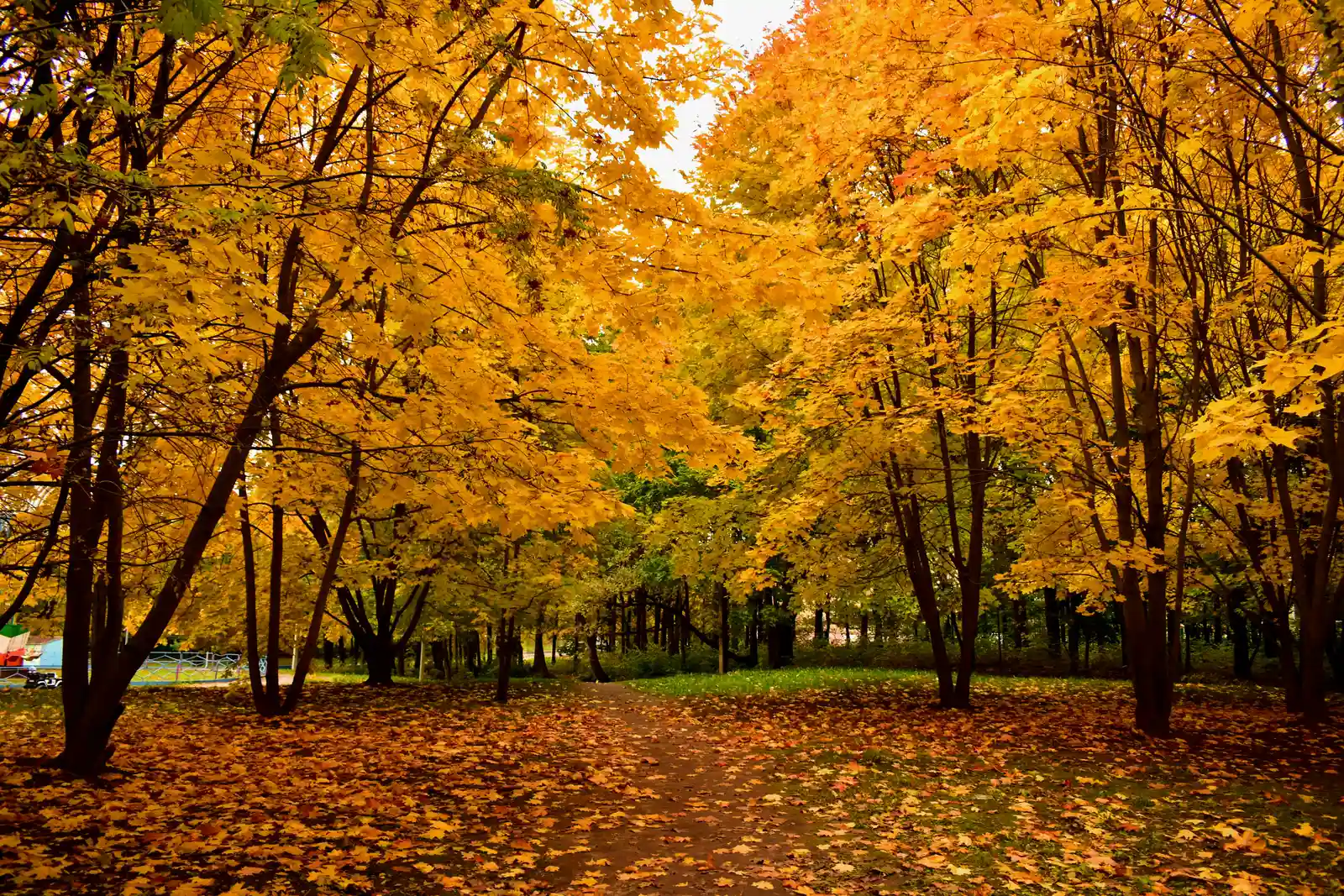

Homeowners and landscapers frequently prioritize spring flowers and summer shade when choosing trees. Fall foliage, however, adds lasting visual interest that extends the appeal of any property well into the cooler months. Trees known for yellow autumn leaves provide a bright, warm contrast against evergreens and bare branches, making them a practical consideration in tree selection.
Why Fall Color Influences Tree Selection
Many gardeners evaluate trees based on mature size, growth rate, and flowering habits. The color of leaves in autumn often receives less attention during the planning stage, yet it directly affects how a landscape looks for several weeks each year. Yellow tones stand out in low light and can brighten shaded corners or north-facing areas where other hues might appear dull.
Property owners who factor in this trait tend to create more balanced seasonal displays. A single well-chosen tree can serve as a focal point when surrounding plants have already lost their leaves. This approach supports year-round enjoyment without requiring additional plantings later.
Practical Benefits for Home Landscapes
Yellow fall color offers more than decoration. It can make smaller yards appear larger by reflecting available light and drawing the eye outward. In larger settings, clusters of such trees create depth and guide movement through the space during the transition to winter.
These trees also align with low-maintenance goals. Once established, most deciduous varieties require only routine care while delivering reliable color each season. Homeowners report that the visual payoff helps justify the initial investment in quality stock and proper siting.
Key Considerations During Selection
Climate compatibility remains the first filter. Trees must thrive in local hardiness zones to produce consistent foliage color rather than dropping leaves prematurely. Soil type, sun exposure, and available space further narrow options to those that will reach full potential without ongoing intervention.
Timing also matters. Planting in early spring or fall allows roots to establish before extreme weather arrives. Professionals often recommend reviewing mature dimensions on nursery tags to avoid future conflicts with structures or power lines.
Core factors to weigh:
- Hardiness zone match for reliable color
- Available sunlight and soil conditions
- Mature height and spread
- Maintenance needs after establishment
Integrating These Trees Into Existing Plans
Adding trees with yellow fall color works well alongside existing evergreens or spring-flowering species. The contrast creates layered interest that evolves naturally through the seasons. Designers often place them where afternoon sun will highlight the leaves during peak display weeks.
Long-term planning pays off. A thoughtful mix ensures the landscape never looks bare or monotonous, even as temperatures drop. This strategy supports both aesthetic goals and practical property value considerations for years ahead.
AI Disclaimer: This article was created with the assistance of AI tools and reviewed by a human editor.