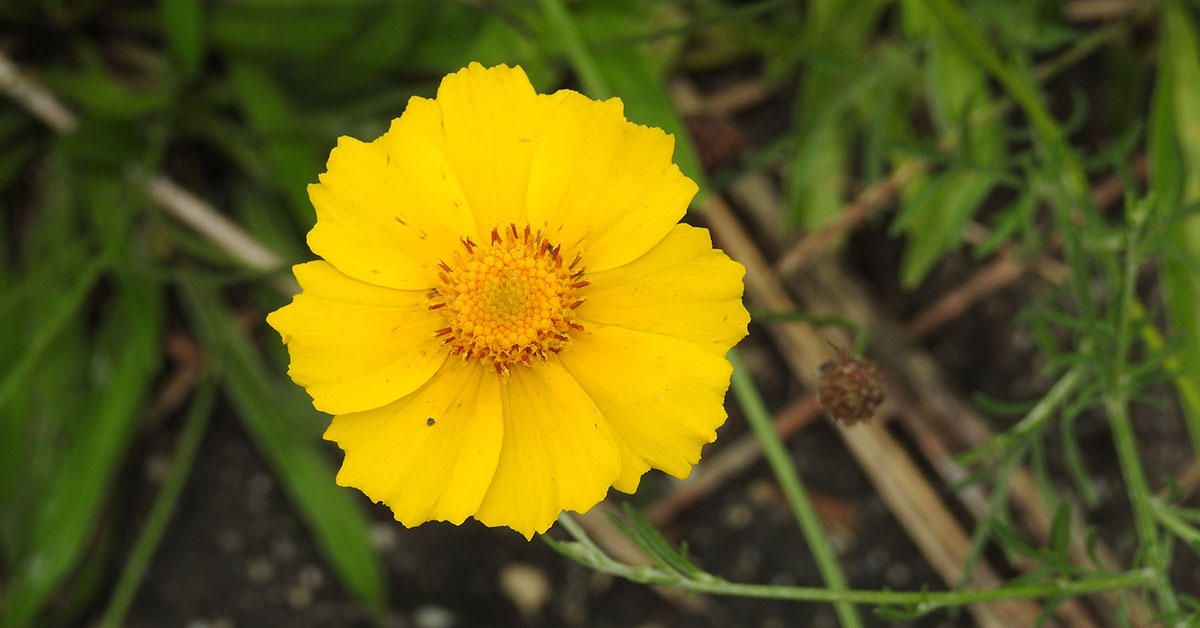

Lanceleaf Coreopsis, also known as Coreopsis lanceolata, is a stunning wildflower native to North America. With its bright yellow petals and dark brown centers, this plant is a popular choice for gardeners and landscapers alike.
Not only is it visually appealing, but Lanceleaf Coreopsis is also easy to care for and can attract a variety of pollinators to your garden. In this article, we’ll explore the many benefits of planting Lanceleaf Coreopsis and how to successfully grow and maintain this beautiful wildflower in your own backyard.
What is a Lanceleaf Coreopsis?
Lanceleaf Coreopsis, also known as Coreopsis lanceolata, is a species of flowering plant that belongs to the Asteraceae family. It is native to North America and can be found in various parts of the United States, including Florida, Texas, and New York, among others.
The plant has a distinctive appearance with its lance-shaped leaves and bright yellow flowers that bloom in the summer months. The Lanceleaf Coreopsis is a hardy perennial that can grow up to 2 feet tall and 1.5 feet wide, making it an excellent choice for garden borders, rock gardens, and naturalized areas.
The Coreopsis lanceolata is a low-maintenance plant that requires minimal care and attention. It is drought-tolerant and can thrive in a wide range of soil types, including sandy, loamy, and clay soils. The plant prefers full sun exposure but can also tolerate partial shade.
In addition to its attractive appearance, the Lanceleaf Coreopsis also has several other benefits. It is a great source of nectar for bees and butterflies, making it an excellent choice for pollinator gardens. The plant is also known for its medicinal properties and has been traditionally used to treat various ailments, including fever, headaches, and stomach issues.
Overall, the Coreopsis lanceolata is a beautiful and versatile plant that can add color and interest to any garden. Whether you’re a seasoned gardener or a beginner, this plant is an excellent choice for creating a low-maintenance, yet attractive landscape.
Where is Lanceleaf Coreopsis native?
Lanceleaf Coreopsis, also known as Coreopsis lanceolata, is a beautiful, hardy perennial plant that is native to North America. It is found throughout the eastern United States, from Maine to Florida, and as far west as Texas and Oklahoma.
This plant is particularly common in the southeastern United States, where it can be found growing in open fields, pastures, and along roadsides. It is a popular garden plant, thanks to its bright yellow flowers and ability to attract pollinators.
In the wild, Coreopsis lanceolata can be found in a variety of habitats, including prairies, meadows, and open woodlands. It prefers well-drained soils and full sun, but can also tolerate some shade.
Despite its widespread distribution, Lanceleaf Coreopsis is considered threatened in some areas due to habitat loss and over-collection. If you are interested in growing this plant in your garden, be sure to obtain it from a reputable source and avoid collecting it from the wild.
How to start Lanceleaf Coreopsis seeds
Lanceleaf Coreopsis (Coreopsis lanceolata) is a beautiful, vibrant yellow wildflower that is native to most of the United States. It is also known as tickseed, because the seeds resemble ticks. If you want to start growing Lanceleaf Coreopsis in your garden, the best way is to start from seed. Here’s how to do it.
- Timing: The best time to sow Coreopsis lanceolata seeds is in the fall or early spring. The seeds need a period of cold stratification to germinate, so if you sow them in the fall, they will have time to go through the winter and germinate in the spring. If you sow them in the spring, you can simulate the cold stratification by keeping the seeds in your refrigerator for a few weeks before sowing.
- Soil: Lanceleaf Coreopsis prefers well-draining, sandy soil, but it can grow in a variety of soil types. Make sure the soil is loose and has good drainage. If the soil is heavy clay, add sand or perlite to improve drainage.
- Location: Choose a sunny location for your Lanceleaf Coreopsis. It needs at least six hours of direct sunlight per day to thrive.
- Sowing: Scatter the seeds over the soil and lightly cover them with a thin layer of soil. Don’t bury them too deep, as they need light to germinate. Water gently to moisten the soil.
- Care: Keep the soil moist but not wet until the seeds germinate. Once they start to grow, Lanceleaf Coreopsis is relatively low-maintenance. It doesn’t need much watering or fertilization, and it is resistant to most pests and diseases. However, you should remove any weeds that grow near the plants, as they can compete for nutrients and water.
- Enjoy: Coreopsis lanceolata will start to bloom in late spring or early summer, and the flowers will continue to bloom throughout the summer. The bright yellow flowers are a favorite of bees and butterflies, and they make a beautiful addition to any garden.
Starting Lanceleaf Coreopsis from seed is easy and rewarding. With a little patience and care, you can enjoy these beautiful wildflowers in your garden for years to come.
Growing guide
Lanceleaf Coreopsis, also known as Coreopsis lanceolata, is a beautiful and easy-to-grow perennial flower that is native to North America. It is a member of the sunflower family and produces bright yellow flowers that bloom from late spring to early fall. Here are some tips on how to grow Lanceleaf Coreopsis in your garden:
Choose the Right Location
Lanceleaf Coreopsis thrives in full sun and well-draining soil. It can tolerate some shade, but it will produce fewer flowers. It is also important to choose a location that is not too wet, as the plant does not like to have its roots constantly wet.
Prepare the Soil
Before planting, prepare the soil by removing any weeds, rocks, or debris. Mix in some compost or other organic matter to improve the soil’s fertility and drainage. Lanceleaf Coreopsis prefers soil that is slightly acidic to neutral, with a pH between 6.0 and 7.0.
Plant the Seeds
Lanceleaf Coreopsis can be grown from seed or from transplants. If planting from seed, sow the seeds directly in the garden in early spring, as soon as the soil can be worked. Scatter the seeds thinly over the soil and cover with a light layer of soil. Keep the soil moist until the seeds germinate, which usually takes 10-14 days.
If planting from transplants, plant them in the garden in late spring or early summer, after the last frost has passed. Space the plants 12-18 inches apart and water them well after planting.
Water and Fertilize
Lanceleaf Coreopsis does not require much fertilizer, but it does need regular watering. Water the plants deeply once or twice a week, depending on the weather and soil moisture. Avoid getting the foliage wet, as this can lead to fungal diseases.
Prune and Deadhead
To encourage more blooms and a bushier growth habit, pinch back the stems of young plants when they are about 6 inches tall. Deadhead the spent flowers regularly to prevent the plant from going to seed too quickly. This will also encourage the plant to produce more flowers.
By following these simple steps, you can grow beautiful Lanceleaf Coreopsis in your garden and enjoy its cheerful yellow flowers all season long.
Interesting facts
Lanceleaf Coreopsis, also known as Coreopsis lanceolata, is a popular perennial wildflower that is native to North America. This bright yellow flower is a favorite among gardeners and nature enthusiasts alike. Here are some interesting facts about Lanceleaf Coreopsis:
- Coreopsis lanceolata is a member of the sunflower family and is closely related to other popular wildflowers such as Black-eyed Susans and Shasta Daisies.
- This plant is a sun-loving perennial that can grow to be up to 2 feet tall and 1 foot wide.
- Lanceleaf Coreopsis blooms from late spring to early summer and produces bright yellow flowers with a dark brown center.
- This plant is easy to grow and maintain, making it a popular choice for gardeners who want to add some color to their landscape.
- Lanceleaf Coreopsis is also a great plant for attracting pollinators such as bees and butterflies.
- In addition to its ornamental value, Lanceleaf Coreopsis also has some medicinal properties. The plant has been used in traditional medicine to treat a variety of ailments including fever, diarrhea, and skin infections.
- The Lanceleaf Coreopsis is also known to be resistant to deer and rabbits, making it a great option for gardeners who struggle with these pests.
Overall, Lanceleaf Coreopsis is a beautiful and versatile plant that is sure to add some color and interest to any garden or landscape.