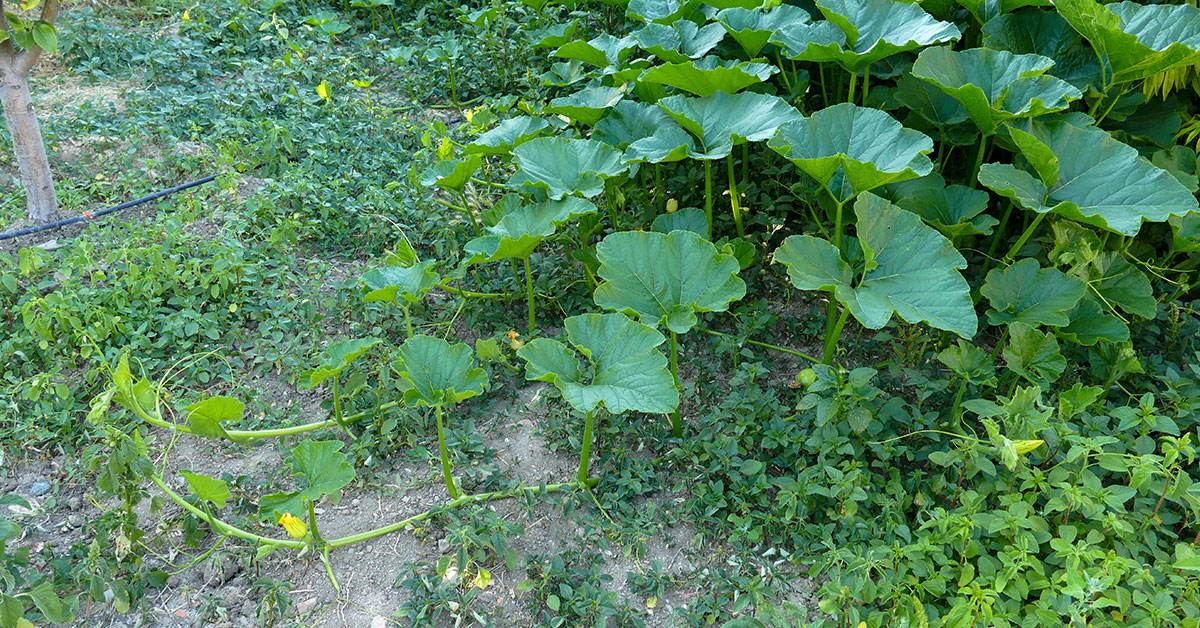

The Lakota pumpkin is a unique and beautiful variety of pumpkins that holds great significance in Native American culture.
It is named after the Lakota Sioux tribe, who have been cultivating this pumpkin for generations. With its striking deep orange color and distinctive shape, the Lakota pumpkin has become a popular choice for both culinary and decorative purposes.
However, its cultural significance goes far beyond its aesthetic appeal. We will explore the history and significance of the Lakota pumpkin, as well as its many uses and benefits.
What is a Lakota pumpkin?
Lakota pumpkin is a unique variety of pumpkin that is native to the United States. It is a traditional crop of the Lakota Sioux tribe, which is why it is named after them. The pumpkin is known for its distinctive shape, which is flat and ribbed, with a red and green exterior. It is also known for its sweet and nutty flavor, which makes it a popular ingredient in many dishes.
One of the most interesting things about Lakota pumpkin is its history. It has been grown by the Lakota people for hundreds of years and is an essential part of their culture and tradition. The pumpkin is not only used for food, but it also has spiritual significance. According to Lakota tradition, the pumpkin represents the circle of life, and its seeds are a symbol of hope and renewal.
In recent years, it has gained popularity outside of the Lakota community. It’s unique appearance and delicious taste have made it a favorite among chefs and foodies alike. It is also a popular ingredient in many recipes, including soups, stews, pies, and bread.
If you are interested in trying this pumpkin for yourself, look for it at your local farmers’ market or specialty grocery store. It is typically in season from late summer to early fall. When choosing a pumpkin, look for one that is firm and heavy for its size, with smooth and unblemished skin. Once you have your pumpkin, there are plenty of recipes available online to help you make the most of this delicious and unique ingredient.
Common problems with growing Lakota pumpkin
If you’re considering growing Lakota pumpkins, it’s important to be aware of the common problems that can arise during the growing process. While these pumpkins are known for their delicious flavor and unique appearance, they can be susceptible to a few different issues that can impact your crop. Here are some of the most common problems you may encounter when growing Lakota pumpkins:
- Powdery Mildew: This fungal disease can be a major issue for all types of pumpkins, including Lakota pumpkins. It appears as a white or gray powder on the leaves and stems of the plant, and can quickly spread throughout the entire crop. To prevent powdery mildew, it’s important to keep your plants well-ventilated and avoid watering them from above. You can also use fungicides to treat the plants if necessary.
- Squash Bugs: These insects can be a major pest for pumpkin plants, and can quickly damage or kill your crop if left untreated. They feed on the leaves and stems of the plant and can cause wilting and yellowing of the leaves. To control squash bugs, it’s important to inspect your plants regularly and remove any eggs or bugs you find. You can also use insecticides or companion planting to deter these pests.
- Vine Borers: These insects lay their eggs at the base of the pumpkin plant, and the larvae burrow into the stem, causing wilting and eventual death of the plant. To prevent vine borers, it’s important to inspect your plants regularly and remove any eggs you find. You can also use row covers to protect your plants from these pests.
- Poor Pollination: If your Lakota pumpkins are not properly pollinated, they may not develop properly or may fall off the vine prematurely. To prevent poor pollination, it’s important to attract pollinators to your garden, such as bees and butterflies. You can also hand-pollinate your plants by transferring pollen from the male flowers to the female flowers using a small brush or cotton swab.
By being aware of these common problems and taking steps to prevent or treat them, you can ensure a healthy and bountiful crop of Lakota pumpkins. With a little care and attention, you can enjoy these delicious and unique pumpkins all season long.
When and How to Harvest Lakota Pumpkins
When it comes to harvesting Lakota pumpkins, timing is key. These pumpkins are typically ready to be harvested in the fall, around September or October. However, it’s important to keep an eye on the pumpkin’s color and texture to determine if it’s ready to be picked.
Lakota pumpkins will turn a deep red-orange color when they are fully mature and ready to be harvested. Additionally, the skin should feel hard and the stem should be dry and brown. If the pumpkin is still green or the skin feels soft, it’s not yet ready to be picked.
It’s important to harvest Lakota pumpkins before the first frost of the season. A frost can damage the pumpkin and make it spoil more quickly. To harvest the pumpkin, use a sharp knife or pair of pruning shears to cut the stem about 2 inches above the pumpkin.
Once the pumpkin is harvested, it should be stored in a cool, dry place. This will help it last longer and prevent it from rotting. With proper care, a Lakota pumpkin can last for several months, making it a great addition to your fall decor or a delicious ingredient in your favorite recipes.
Uses for Lakota pumpkin
Lakota pumpkins are a unique variety of pumpkins that have been cultivated by the Lakota people for centuries. They are typically used for both culinary and decorative purposes. The flesh of the Lakota pumpkin is sweet and flavorful. Making it ideal for use in pies, soups, and other dishes. The seeds of the Lakota pumpkin are also edible and can be roasted for a crunchy snack.
In addition to their culinary uses, Lakota pumpkins are also highly prized for their striking appearance. They have a distinctive shape and are typically bright red or orange in color with green stripes. This makes them a popular choice for fall decorations, particularly for Halloween and Thanksgiving.
The Lakota people have traditionally used pumpkins in their cultural practices as well. They have been used in ceremonies and as offerings to the spirits. The seeds were also used for medicinal purposes, particularly for their diuretic properties.
It is a versatile and valuable crop that has both practical and cultural significance. Whether used for cooking, decoration, or spiritual purposes, it has played an important role in the lives of the Lakota people for generations.