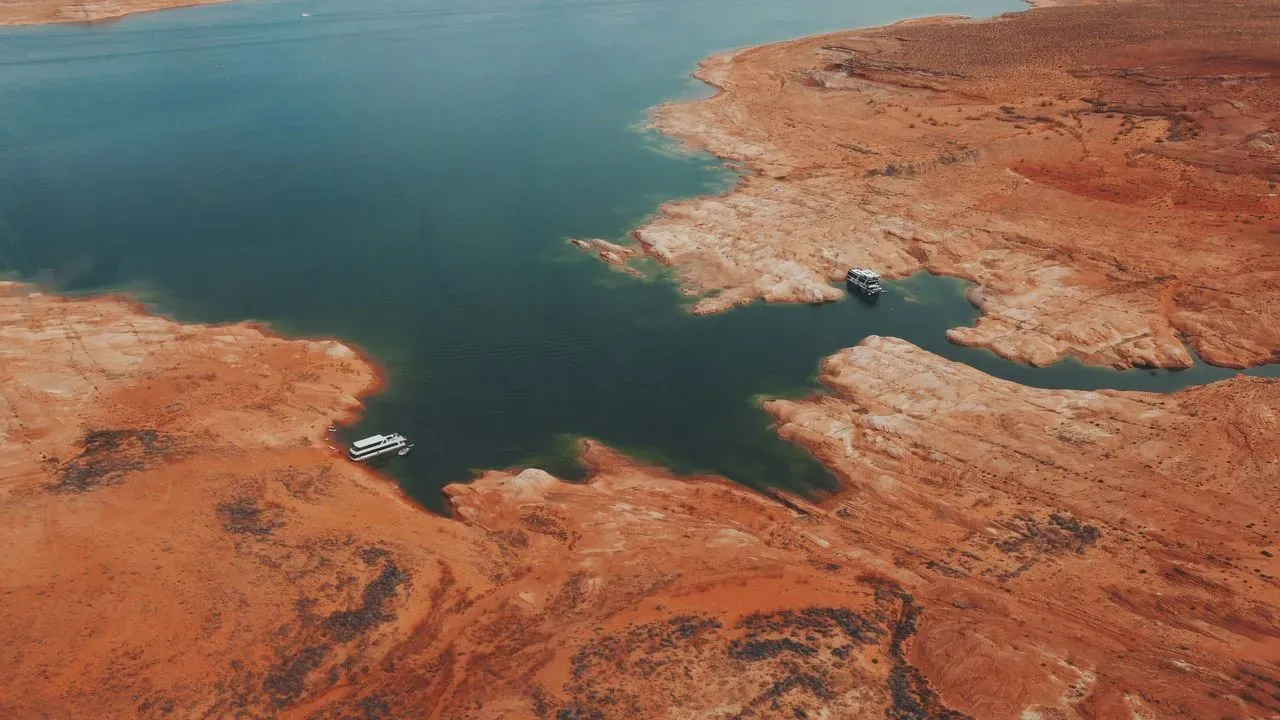

The Southwest’s water crisis has taken another sharp turn. Less than two weeks after Lake Mead set a new record low, Lake Powell, the nation’s second-largest reservoir, has now done the same. This milestone arrives amid ongoing drought conditions that show little sign of easing across the region.
The development carries immediate weight for communities that rely on these reservoirs for drinking water, agriculture, and daily life. Gardeners and landscapers in affected areas face the prospect of tighter restrictions and higher costs for irrigation. The timing underscores how quickly conditions can shift in an already stressed system.
Why This Milestone Matters Now
Reservoir levels serve as a visible barometer of broader water availability. When the second-largest storage facility in the country drops to a historic low, it signals tighter supplies for everyone downstream. Homeowners who maintain lawns, flower beds, or vegetable gardens feel the effects through potential limits on outdoor watering.
Many Western states already operate under drought contingency plans that can activate additional conservation measures. These steps often begin with voluntary reductions and can progress to mandatory cutbacks during peak summer months. The latest reading at Lake Powell adds urgency to those existing frameworks.
Practical Steps for Gardeners Facing Scarcity
Adapting landscapes to drier realities does not require abandoning outdoor spaces entirely. Thoughtful plant selection and efficient watering practices can maintain curb appeal while using far less water. Many gardeners have already shifted toward species that thrive with minimal supplemental irrigation once established.
Key adjustments include grouping plants by water needs, improving soil structure to retain moisture, and timing irrigation for early morning or evening hours. Mulching around beds further reduces evaporation and helps roots stay cooler during heat waves. These techniques have proven effective in regions that have dealt with prolonged dry spells.
- Replace high-water turf with drought-tolerant ground covers or hardscaping elements where appropriate.
- Install drip irrigation or soaker hoses to deliver water directly to roots rather than spraying into the air.
- Choose native or adapted plants that require little to no extra water after the first year.
- Collect and reuse household gray water where local rules permit.
Looking Ahead at Regional Trends
Water managers continue to monitor inflows from snowpack and rainfall, yet long-term forecasts point to continued variability. Reservoirs like Lake Powell play a central role in buffering those fluctuations, so sustained low levels can influence decisions about allocations for years to come.
Communities across the Colorado River basin have already begun exploring new conservation programs and infrastructure upgrades. Gardeners who stay informed about local ordinances can adjust their practices ahead of any formal restrictions. Early adoption often leads to smoother transitions when rules tighten.
What matters now: The record at Lake Powell reinforces the value of proactive water management in every yard and public space. Small, consistent changes at the household level add up across neighborhoods and cities.
A Measured Path Forward
Record lows at major reservoirs serve as reminders rather than isolated events. They highlight the need for ongoing attention to how water is stored, shared, and used. For those who care for gardens and landscapes, the focus remains on resilience through smarter design and daily habits.
Over time, these adaptations can help maintain green spaces even as supplies face pressure. The current situation at Lake Powell simply adds one more data point to a longer conversation about living well within the limits of available water.
AI Disclaimer: This article was created with the assistance of AI tools and reviewed by a human editor.