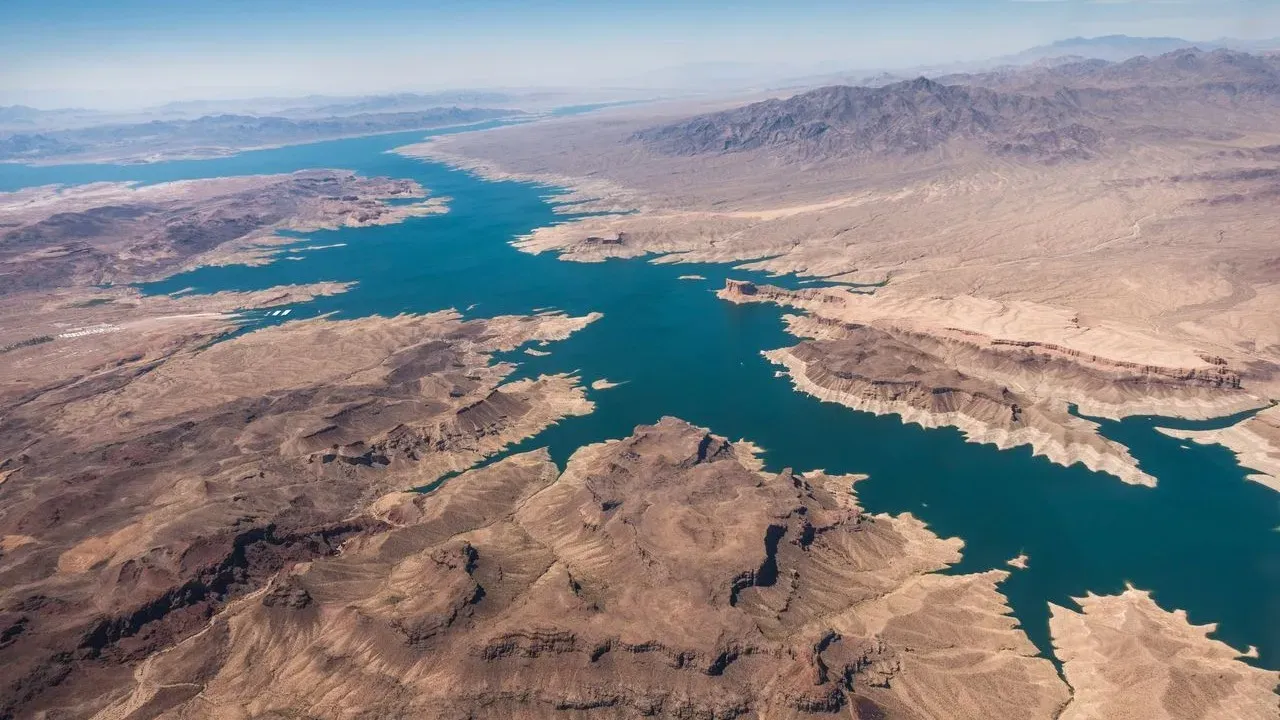

Southern Nevada relies on Lake Mead for nearly all of its drinking water. On Friday the reservoir touched a new record low, the first time it has fallen this far since filling in the 1930s. The brief dip lasted only a few hours yet marked a clear milestone in the region’s long-running water challenges.
A Brief but Telling Drop
The reservoir’s surface elevation slipped just enough to set the new mark before rebounding slightly. Officials monitoring the lake noted the change in real time, confirming it against historical records that stretch back nearly a century. The event drew attention because Lake Mead has served as the primary storage facility for the Colorado River system since its completion. Even a short-lived low point carries weight when the trend line points downward. Hydrologists have tracked steady declines for years, driven by persistent drought across the basin. Friday’s reading simply made the cumulative effect visible in a single number.
Direct Consequences for Southern Nevada
Las Vegas and surrounding communities draw the bulk of their municipal supply from the lake. Any sustained reduction in storage raises questions about allocation, conservation targets, and long-term reliability. Local water agencies already operate under strict drought contingency plans that adjust withdrawals as levels change. Residents have seen incremental shifts in recent years, including voluntary and mandatory outdoor watering limits during peak summer months. The new record reinforces why those measures remain in place. It also highlights the need for continued investment in recycling and efficiency projects already underway.
Signals for the Wider West
Lake Mead functions as a bellwether for water conditions across multiple states that share the Colorado River. A new low at this key storage site often precedes further tightening of delivery schedules to farms, cities, and tribes downstream. The timing matters because summer demand peaks just as inflows from snowmelt taper off. Stakeholders ranging from municipal planners to agricultural districts watch these readings closely. Friday’s data point adds urgency to ongoing negotiations over shortage sharing and infrastructure upgrades. It does not trigger immediate cutoffs for households, yet it underscores the value of steady conservation habits.
Practical Steps for Water-Conscious Gardening
Gardeners in the region can respond to the broader trend by focusing on proven techniques that reduce outdoor demand. Replacing thirsty turf with native or drought-tolerant plants cuts irrigation needs dramatically. Grouping plants by water requirement and using drip systems or smart controllers further limits waste. Soil amendments that improve moisture retention also help during dry spells. Mulching beds and timing watering for early morning or evening hours prevent rapid evaporation. These adjustments align with existing local guidelines and become more relevant as reservoir levels remain under pressure.
What matters now
The record underscores the importance of sustained, practical conservation across all sectors, including residential landscapes. Continued monitoring and incremental adaptations offer the clearest path forward.
Lake Mead’s brief new low serves as a reminder that water supplies in the arid West require ongoing attention. The reservoir will likely face additional tests in the seasons ahead, making steady efficiency gains at every scale increasingly valuable.
AI Disclaimer: This article was created with the assistance of AI tools and reviewed by a human editor.