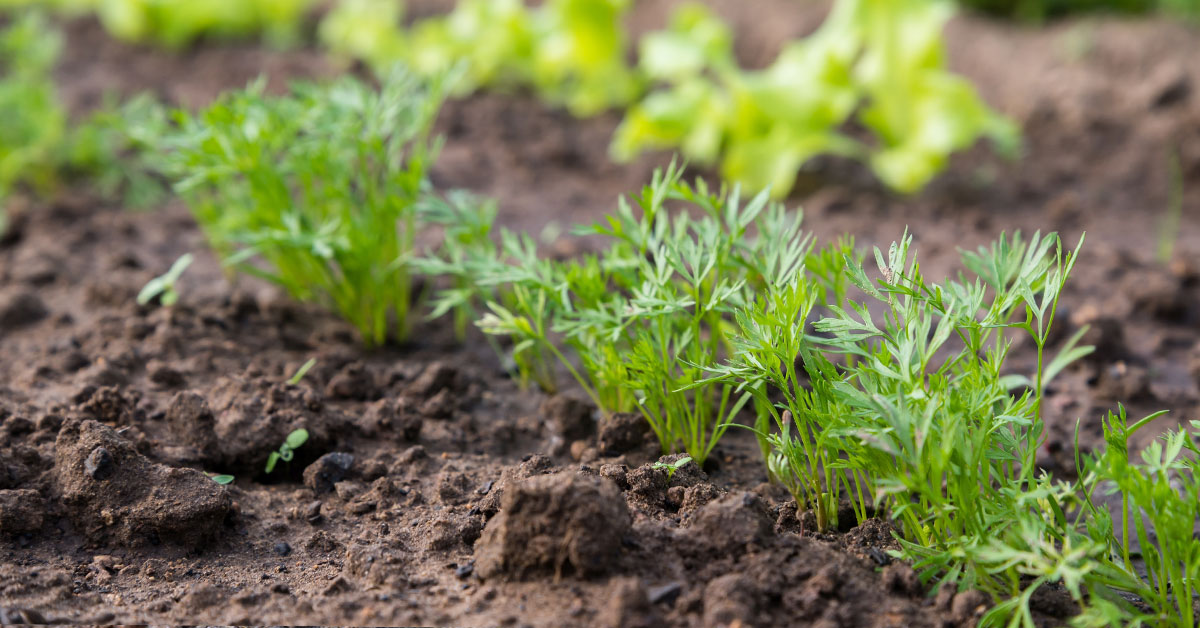

Are you looking to add a touch of vibrant orange to your vegetable garden? Look no further than the Kuroda carrot! This Japanese variety of carrot is known for its stunning color, crisp texture, and sweet flavor. Whether you are an experienced gardener or just starting out, growing Kuroda carrots can be a rewarding and satisfying experience.
In this article, we will delve into the world of Kuroda carrots, exploring their origins, unique characteristics, and how you can successfully grow these nutritious roots in your own backyard. Get ready to discover the secrets behind cultivating this beautiful and flavorful vegetable that is sure to impress both your taste buds and your garden guests.
What is a Kuroda Carrot?
Carrots are a staple vegetable in many households, known for their vibrant orange color and sweet flavor. Among the various carrot varieties available, one that stands out is the Kuroda Carrot. In this section, we will explore what exactly Kuroda Carrot is and what makes it unique.
Kuroda Carrot, also known as Kuroda-type carrot, is a variety of carrot that originated in Japan. It is named after its breeder, Dr. Kuroda, who developed this carrot in the 1960s. This variety is a result of careful breeding to enhance certain traits, making it distinct from other carrot varieties.
One of the key characteristics of Kuroda Carrot is its shape. It typically has a cylindrical shape with a slightly tapered end. The carrot is known for its uniformity and smooth skin, making it visually appealing. The average size of a Kuroda Carrot is medium to large, making it suitable for various culinary uses.
Color and Flavor: The vibrant orange color of Kuroda Carrot is another distinguishing feature. Its deep orange hue is due to its high carotene content, which is a precursor to vitamin A. The flavor of Kuroda Carrot is sweet and mild, making it enjoyable both raw and cooked. Its natural sweetness adds a delightful taste to a variety of dishes.
Texture and Storage: Kuroda Carrot has a crisp and crunchy texture, making it a popular choice for snacking and salads. It retains its texture even after cooking, making it versatile for use in soups, stews, and stir-fries. Due to its firmness, Kuroda Carrot has a good shelf life and can be stored for an extended period if stored properly in a cool and dry place.
Nutritional Benefits: Like other carrot varieties, Kuroda Carrot is packed with essential nutrients. It is an excellent source of dietary fiber, vitamins, and minerals. The high carotene content in Kuroda Carrot contributes to its antioxidant properties and promotes healthy vision. Additionally, it provides a good amount of vitamin K, potassium, and vitamin C.
Kuroda Carrot is a unique carrot variety known for its cylindrical shape, vibrant orange color, and sweet flavor. Whether enjoyed raw or cooked, this carrot adds a delightful taste and nutritional benefits to various dishes. Its firm texture and long shelf life make it a preferred choice among carrot enthusiasts. Next, we will explore the cultivation and growing techniques of Kuroda Carrot in more detail.
What does Kuroda Carrot taste like?
When it comes to carrots, most people are familiar with the classic orange variety found in grocery stores. However, there are many other types of carrots, each with its own unique flavor. One such variety is the Kuroda Carrot, which originated in Japan and has gained popularity around the world for its exceptional taste and versatility in cooking.
The Kuroda Carrot is known for its vibrant orange color and cylindrical shape. It has a firm and crisp texture, making it an excellent choice for both raw consumption and cooking. Many describe its flavor as sweet and earthy, with a hint of nuttiness that sets it apart from other carrot varieties.
When eaten raw, Kuroda Carrots offer a refreshing and slightly sweet taste. Their natural sweetness makes them a favorite among children and adults alike. The texture is crunchy and juicy, providing a satisfying bite. Whether added to salads, grated for coleslaw, or used as a crunchy snack, Kuroda Carrots bring a burst of flavor to any dish.
In terms of cooking, Kuroda Carrots are incredibly versatile. They hold their shape well when cooked, making them suitable for roasting, stir-frying, or even boiling. The earthy flavor intensifies during cooking, and the natural sweetness caramelizes, adding depth to dishes. Whether you’re making a hearty stew, a stir-fry, or a delicious carrot soup, using Kuroda Carrots will enhance the overall taste and presentation of your culinary creations.
One of the reasons why Kuroda Carrots have gained popularity is their ability to retain their flavor and texture even after being stored for an extended period. Unlike some other carrot varieties that tend to become woody or lose their taste over time, Kuroda Carrots remain fresh and flavorful, making them a convenient option for those who like to stock up on fresh produce.
How to Start Kuroda Carrot from Seed
Growing carrots can be a rewarding experience, and one variety that is particularly popular among gardeners is the Kuroda carrot. Known for its sweet flavor, bright orange color, and crisp texture, the Kuroda carrot is a great addition to any home garden. In this section, we will guide you through the process of starting Kuroda carrot from seed, so you can enjoy these delicious veggies right from your backyard.
- Choosing the Right Seeds:
To start growing Kuroda carrots, it is crucial to select high-quality seeds. Look for reputable seed suppliers or local nurseries that offer Kuroda carrot seeds. Ensure that the seeds are fresh, as older seeds may have a lower germination rate. Additionally, consider purchasing organic or heirloom seeds if you prefer to grow your carrots organically or want to save seeds for future plantings. - Preparing the Soil:
Carrots thrive in loose, well-drained soil that is rich in organic matter. Before planting, prepare the soil by removing any weeds, rocks, or debris. Loosen the soil to a depth of at least 8-10 inches to allow the carrots to grow deep roots. Consider adding compost or well-rotted manure to improve the soil’s fertility and structure. - Sowing the Seeds:
Carrot seeds are small, so it’s important to handle them with care. Sow the seeds directly into the prepared soil, about 1/4 to 1/2 inch deep. Space the seeds approximately 1-2 inches apart in rows that are at least 12 inches apart. If you’re planting in raised beds or containers, ensure they have enough depth for the carrots to grow properly. - Watering and Care:
After sowing the seeds, water the soil gently to ensure proper moisture. Carrots need consistent moisture, so make sure to water regularly, especially during dry periods. Avoid overwatering, as it can cause the seeds to rot or the carrots to become misshapen. Mulching around the plants can help retain moisture and suppress weed growth. - Thinning and Transplanting:
Once the carrot seedlings have emerged and are a few inches tall, it’s crucial to thin them out. Overcrowding can lead to stunted growth and irregularly shaped carrots. Carefully remove the weaker seedlings, leaving a spacing of about 2-3 inches between the remaining plants. The thinned-out seedlings can be transplanted to another area if desired. - Pest and Disease Management:
Keep an eye out for common carrot pests such as carrot fly, aphids, or nematodes. Use organic pest control methods, such as companion planting with aromatic herbs like dill or planting marigolds nearby, to deter pests. Regularly inspect the plants for signs of disease or damage, and promptly address any issues to prevent the spread. - Harvesting:
Kuroda carrots typically take about 70-80 days to mature, but this can vary depending on growing conditions. Harvest the carrots when they reach their full size and color. Gently loosen the soil around the carrots and carefully lift them out, taking care not to damage the roots. Enjoy the fresh flavor and crisp texture of your homegrown Kuroda carrots!
Starting Kuroda carrots from seed is a simple and rewarding process. By following these steps, you can successfully grow these delicious and nutritious vegetables in your own garden. Remember to provide proper care, monitor for pests and diseases, and enjoy the satisfaction of harvesting your own homegrown Kuroda carrots. Happy gardening!
How to Grow Kuroda Carrot
Carrots are a versatile and nutritious vegetable that can be grown in home gardens with relative ease. One variety that stands out is the Kuroda carrot. Known for its sweet flavor and vibrant orange color, the Kuroda carrot is a favorite among gardeners and food enthusiasts alike. In this section, we will guide you through the steps to successfully grow Kuroda carrots in your own garden.
Choosing the Right Location: Before you start planting Kuroda carrots, it’s important to select the right location for your garden. Carrots thrive in well-drained soil that is loose and fertile. Ensure that the chosen area receives at least six hours of direct sunlight each day. Additionally, make sure there is enough space between plants, as overcrowding can stunt their growth.
Preparing the Soil: Carrots prefer loose and sandy soil, so it’s essential to prepare the soil before planting. Start by removing any weeds or rocks from the area. Then, loosen the soil using a garden fork or tiller to a depth of at least 12 inches. Incorporate organic matter, such as compost or well-rotted manure, to improve the soil’s fertility and drainage.
Sowing the Seeds: Kuroda carrot seeds can be directly sown into the garden bed. Make sure the soil is moist but not waterlogged before planting. Create shallow furrows in the soil, about half an inch deep, and space them about 2 inches apart. Place the seeds in the furrows, leaving approximately 1 inch of space between each seed. Cover the seeds with a thin layer of soil and gently pat it down.
Watering and Maintenance: Carrots require consistent moisture for optimal growth. Water the plants regularly, aiming to keep the soil evenly moist, but not overly saturated. Avoid overhead watering, as it can lead to disease and pest issues. Additionally, it’s important to thin out the seedlings once they reach a height of about 2 inches. Thin the plants to a spacing of around 3 inches to allow enough room for the carrots to develop properly.
Pest and Disease Control: While Kuroda carrots are generally resistant to pests and diseases, it’s still important to monitor your plants for any signs of trouble. Common pests that can affect carrots include aphids, carrot fly, and nematodes. Implement pest control methods such as using insecticidal soaps, row covers, or companion planting with repellent plants. Regularly inspect your plants for any signs of disease, and promptly remove any infected plants to prevent the spread.
Harvesting: Kuroda carrots typically take around 70-80 days to reach maturity. The best way to determine if they are ready for harvest is to gently pull one from the ground and check its size and color. If the carrot has reached a desirable size (usually around 6-8 inches long) and has a vibrant orange color, it is ready to be harvested. Use a garden fork or trowel to carefully lift the carrots out of the soil, taking care not to damage them.
Growing Kuroda carrots can be a rewarding experience for any gardener. By following these steps, you will be well on your way to enjoying a bountiful harvest of sweet and crisp carrots right from your own backyard. Remember to provide the right conditions, maintain proper care, and be patient as you watch these delicious vegetables thrive and develop. Happy gardening!