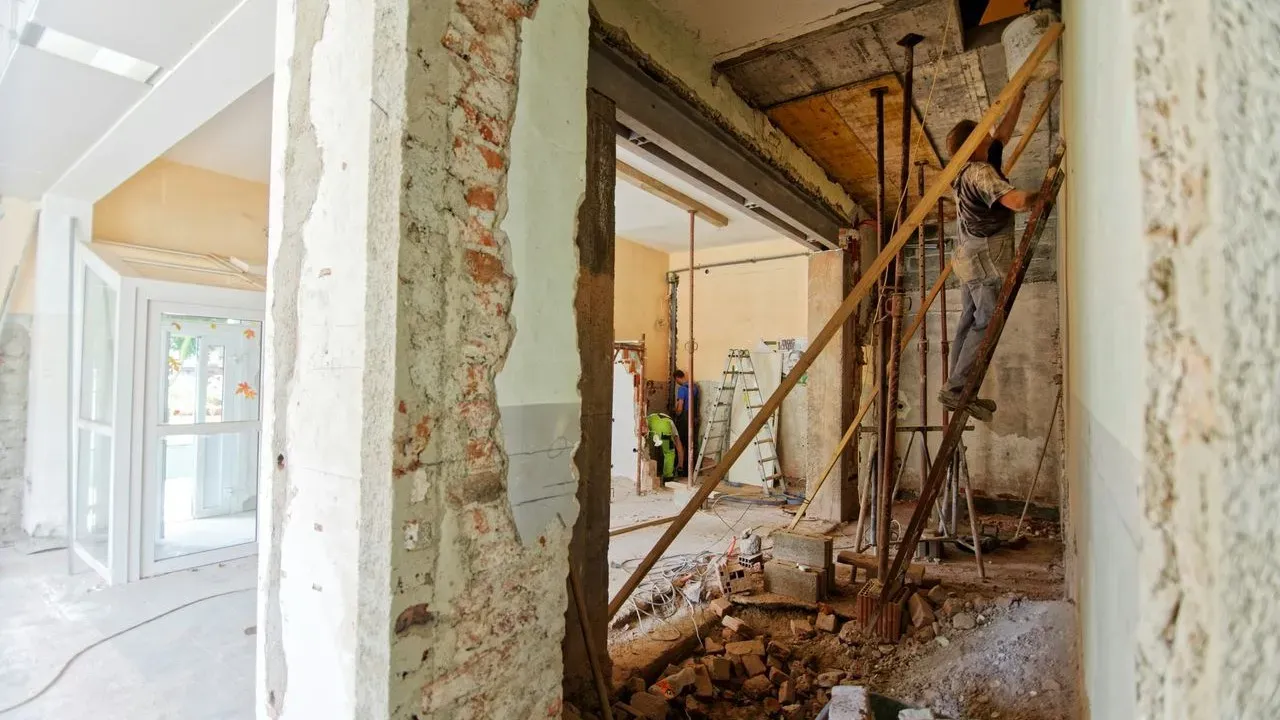

Insurance rarely comes up when a plasterer is booked to open up a wall or a garage conversion has been put off for years. Yet the bar for what insurers call “building work” sits lower than many homeowners assume. ([1])The source of this guidance is a UK publication, so its examples reflect British policies, but the underlying principle applies to anyone who owns a home and is planning changes to it.
The changes that clearly need reporting
Any work that alters the structure of a property is generally expected to be reported. Removing or changing load-bearing walls sits at the top of that list, along with converting a loft or garage into living space, building an extension, and rewiring or re-plumbing the whole house. Most homeowners are already aware of these categories.
The difficulty lies in the middle ground. Taking out a non-load-bearing stud wall to create an open kitchen-diner may feel like a decorating job, yet the source notes that most insurers still treat it as a structural alteration. That gap between how work feels and how an insurer classifies it is where many people get caught out.
Smaller jobs that still cross the line
Several projects that seem modest can also change how a property is assessed. The source lists the following as examples that are likely to require notice before work begins:
- Installing a new bathroom where none existed before
- Moving plumbing to a different part of the house
- Underpinning, damp-proofing, or replacing a flat roof
Each of these can shift the risk profile of a home. The insurer may want to know before any tools come out, not after the job is finished.
What a missed notification can cost
Failing to report building work is not simply a matter of paying a higher premium later. According to the source, it can void cover altogether. Imagine a pipe bursting during a kitchen refit, or a contractor damaging the roof while working on another task. In either case, the homeowner could be left covering the bill personally, because the insurer may argue that the risk changed without its knowledge and the policy no longer applies.
The source also cites research from Uswitch suggesting that roughly 30% of UK policyholders may have invalid insurance because they did not tell their provider about changes to their property. Many of those people probably believe they are fully protected. That gap in understanding becomes far more painful once thousands of pounds have gone into a renovation. Larger projects may also outgrow a standard policy, in which case the source suggests a specific quote for building work insurance can show whether existing cover is enough.
Projects that rarely need a phone call
Plenty of home improvements do not usually need to be reported. Painting a room, hanging shelves, laying new carpet, replacing kitchen cabinet doors, or swapping a worktop for a like-for-like material generally count as cosmetic updates. None of these touch the structure, plumbing, or electrics. A small garden shed, a tiled splashback, or new light fittings also tend to fall below the threshold for most providers.
A useful test is whether the work changes the footprint, layout, or structural integrity of the building. If it does not, the insurer probably does not need to hear about it. Where the answer is unclear, the source recommends a short call to the insurer before the work starts.
A short call that could prevent a costly dispute
Ringing the insurer before a project begins gives a clear answer about what cover is needed. The insurer may confirm that the existing policy still applies, add an endorsement, adjust the premium, or recommend specialist cover for a larger job. Each of those outcomes is generally far cheaper than discovering a gap after something has gone wrong.
Policy wording and rules differ between insurers and countries, so the details will vary from one household to the next. The principle is consistent, though. If a plan involves structural change, plumbing, electrics, or a new way of using part of the house, the insurer should hear about it first. A brief conversation at the planning stage can leave the renovation itself free of that lingering worry about what happens if something goes wrong.
AI Disclaimer: This article was created with the assistance of AI tools and reviewed by a human editor.