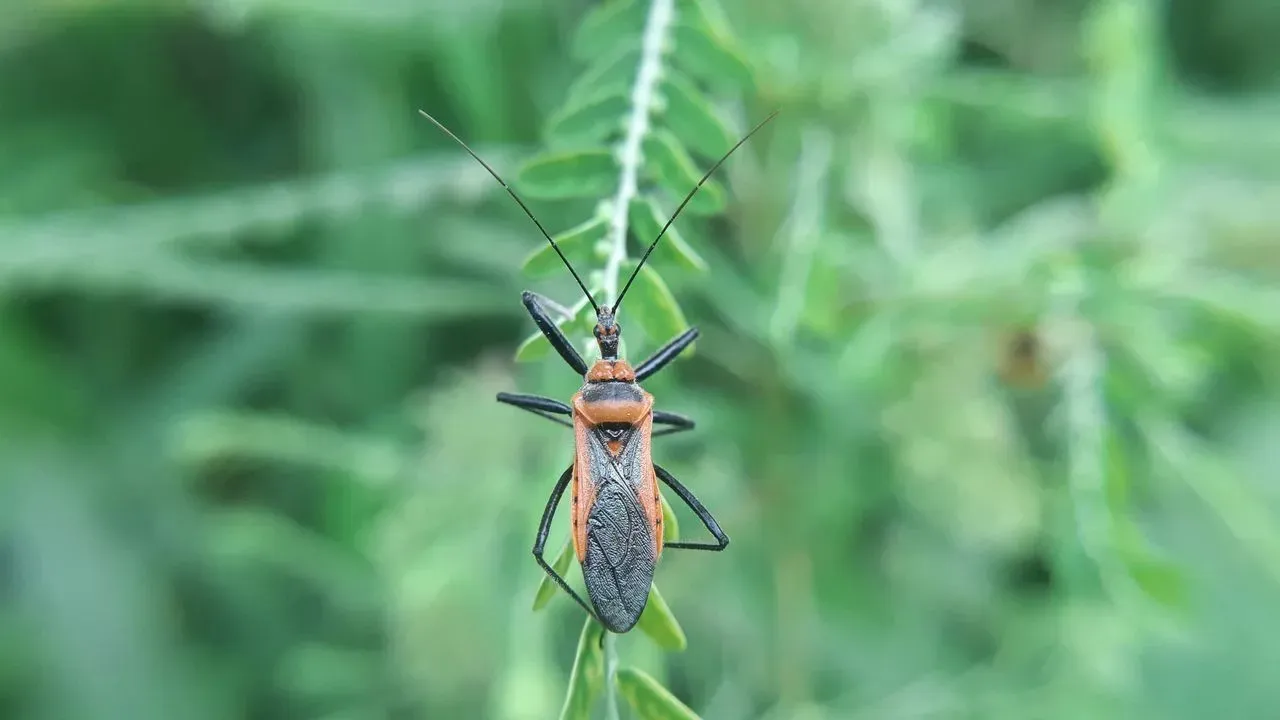

Health authorities in California have documented the presence of the so-called kissing bug in parts of Southern California, including areas like Griffith Park in Los Angeles. The insect, known for transmitting a parasite that causes Chagas disease, has long been established in the region, yet local transmission to humans stays uncommon. This development draws renewed attention to a condition that can remain undetected for decades before producing serious complications.
Why the Development Matters Now
Public health reports from state agencies indicate that kissing bugs have been detected in California wildlife and residential settings for years. Recent confirmations of infected insects and animals in urban and suburban zones have prompted officials to remind residents that the risk, while low, is real for those who spend time outdoors. The timing aligns with broader national recognition that Chagas disease has become endemic in parts of the United States.
Stakeholders most directly affected include people living in or visiting areas with known bug populations, particularly those engaged in gardening, hiking, or other outdoor activities. Local health departments emphasize that awareness can help limit exposure without creating undue alarm. The situation also affects medical providers who may encounter patients with unexplained heart or digestive issues years after possible exposure.
Understanding the Insect and the Disease
Kissing bugs, or triatomines, are nocturnal insects that feed on blood, often near the face. Several native species exist in California, and studies have found the Chagas-causing parasite Trypanosoma cruzi in a notable share of them in certain locales. The disease itself develops when the parasite enters the body, typically through contact with infected bug feces rather than the bite alone.
Once inside a human host, the parasite can persist for 30 to 50 years with few or no symptoms. Over time it may damage the heart or digestive system, leading to heart failure, arrhythmias, or difficulty swallowing in a subset of cases. Estimates suggest tens of thousands of people in Los Angeles County alone may carry the infection without knowing it.
How Transmission Occurs and Why Bites Often Go Unnoticed
Unlike some other insect-borne illnesses, Chagas disease does not spread directly through the bite. An infected bug must defecate near the bite site, and the parasite then enters through the wound or mucous membranes when the person scratches or rubs the area. California kissing bugs tend to defecate away from the bite or after leaving the host, which helps explain the low rate of local human infections.
Many people experience only mild irritation or an allergic reaction at the bite site, which can be mistaken for a common insect sting. Because the initial phase produces no distinctive signs in most cases, individuals rarely seek testing. State health data show that allergic responses to the bites occur more frequently in California than actual Chagas infections.
Practical Steps for Residents and Outdoor Enthusiasts
Health officials recommend simple measures to reduce contact with kissing bugs, which often hide in cracks, woodpiles, or animal shelters during the day. Sealing entry points around homes, using screens on windows, and reducing outdoor lighting at night can limit encounters. Those who find bugs indoors are advised to contact local vector control rather than attempt removal themselves.
People with potential exposure who later develop cardiac or gastrointestinal symptoms should mention the possibility of Chagas disease to their physicians. Blood tests can detect the infection, and early treatment with antiparasitic medication can prevent progression. Wildlife and pet owners in affected areas may also want to monitor for signs of the bugs around structures.
Looking Ahead
While the overall risk of locally acquired Chagas disease in California remains low, the confirmed presence of the vector underscores the value of ongoing surveillance and public education. Continued monitoring by state agencies will help track any changes in transmission patterns. For now, measured awareness offers the most effective response for those who live and work in regions where the insects are established.
AI Disclaimer: This article was created with the assistance of AI tools and reviewed by a human editor.