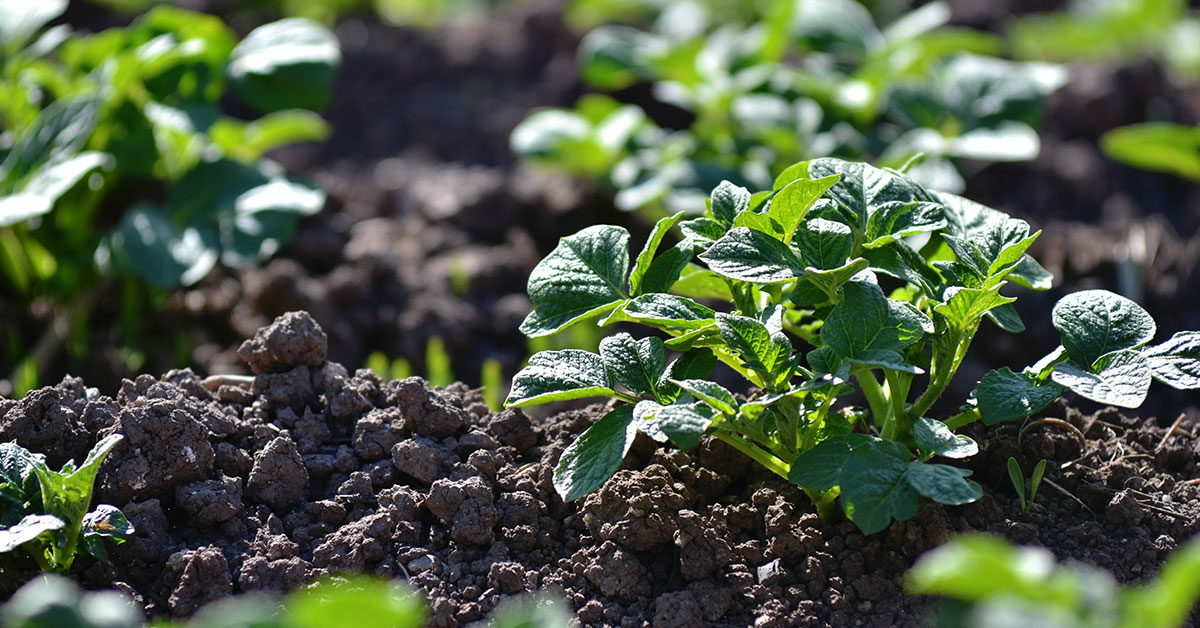

Are you a passionate gardener looking to add a touch of royalty to your vegetable patch? Look no further than the King Edward Potato! Known for its regal appearance and delicious flavor, the King Edward Potato is a popular choice among both novice and experienced gardeners.
In this article, we will delve into the fascinating world of growing King Edward Potatoes, from selecting the right soil and planting techniques to caring for your plants and harvesting a bountiful crop. Get ready to elevate your gardening game with the majestic King Edward Potato
What is a King Edward Potato?
When it comes to potatoes, there are countless varieties to choose from, each with its own unique characteristics and uses. One such variety that stands out is the King Edward Potato. In this blog section, we will explore what makes the King Edward Potato so special and why it has become a popular choice among potato lovers worldwide.
History and Origin: The King Edward Potato, also known as the Edwardian potato, was first bred in the United Kingdom in the early 20th century. It is named after King Edward VII, who reigned from 1901 to 1910. This regal potato variety quickly gained popularity for its exceptional taste and texture, and it has remained a favorite ever since.
Appearance and Characteristics: The King Edward Potato is instantly recognizable by its distinct appearance. It features a creamy white flesh and a smooth, pale yellow skin with pinkish splashes. The eyes are shallow and well-distributed, making it easy to peel and prepare. Its oval shape and medium to large size make it versatile for various cooking methods.
Texture and Taste: One of the reasons why the King Edward Potato is highly regarded is due to its remarkable texture and taste. When cooked, it has a fluffy and light texture, making it perfect for roasting, baking, boiling, mashing, and even making chips. Its creamy flesh has a delicate, buttery flavor with a subtle sweetness, making it a delightful addition to many dishes.
Versatility in Cooking: The King Edward Potato’s versatility in the kitchen is another aspect that makes it so popular. Whether you are looking to make crispy roast potatoes, creamy mashed potatoes, or golden chips, this potato variety is up for the task. Its ability to hold its shape when cooked, combined with its delicious taste, makes it a great choice for a wide range of recipes.
Nutritional Benefits: Apart from its culinary attributes, the King Edward Potato also offers several nutritional benefits. Potatoes, in general, are a good source of carbohydrates, dietary fiber, vitamins, and minerals. They are low in fat and contain no cholesterol. Additionally, the King Edward Potato is rich in vitamin C, potassium, and vitamin B6, making it a healthy choice for a balanced diet.
What do King Edward Potatoes taste like?
The King Edward potato is a beloved and widely cultivated variety that has been a staple in many households for generations. Its versatility and unique flavor make it a popular choice for a variety of culinary creations. In this section, we will explore what makes the King Edward potato so special and what it tastes like.
The King Edward potato is known for its creamy texture and delicate flavor. When cooked, it has a smooth and buttery consistency that is truly indulgent. The flesh of the potato is slightly yellowish, giving it a rich and appetizing appearance.
In terms of taste, the King Edward potato offers a subtle and distinct flavor profile. It has a mildly sweet and nutty taste that is often described as earthy and comforting. This makes it an ideal potato for dishes that require a mild and versatile base, such as mashed potatoes, soups, and gratins.
One of the key factors that contribute to the unique taste of the King Edward potato is its high starch content. This starch content gives the potato its creamy texture and also contributes to its rich and savory flavor when cooked. The King Edward potato has a relatively low moisture content, which means that it retains its shape well during cooking and doesn’t become too watery or mushy.
When it comes to cooking methods, the King Edward potato excels in a variety of preparations. Whether it’s roasted, boiled, mashed, or fried, this potato variety holds up well and retains its flavor and texture. Its versatility allows it to be used in a wide range of dishes, from classic roast potatoes to hearty potato soups and even homemade potato chips.
In summary, the King Edward potato offers a delightful taste experience that is mild, creamy, and slightly sweet. Its unique flavor and versatility make it a favorite among cooks and food enthusiasts alike. Whether you’re looking to make a comforting bowl of mashed potatoes or a crispy batch of roasted potatoes, the King Edward potato is sure to satisfy your taste buds.
How to start King Edward Potato seeds
The King Edward Potato is a popular variety known for its delicious flavor, creamy texture, and versatility in the kitchen. Whether you want to grow them in your own garden or simply learn more about this variety, this blog section will guide you through the process of starting King Edward Potatoes from seed.
Choosing the Right Seed Potatoes: When it comes to starting King Edward Potatoes from seed, selecting the right seed potatoes is crucial. Look for certified disease-free seed potatoes from a reputable supplier. King Edward Potatoes are typically available in different sizes, so choose according to your desired yield and available space.
Preparing the Seed Potatoes: Before planting, it’s important to prepare the seed potatoes to ensure successful growth. Start by placing the seed potatoes in a cool, well-ventilated area for a few weeks to allow them to sprout. This process, known as chitting, promotes the development of sturdy sprouts.
Choosing the Right Planting Location: King Edward Potatoes thrive in well-drained soil with a pH level between 5.2 and 6.4. Find a location in your garden that receives at least six hours of sunlight per day. Ensure that the soil is free from weeds and has been amended with organic matter to improve its fertility and drainage.
Planting the Seed Potatoes: When the seed potatoes have sprouted, it’s time to plant them. Dig a trench about 6 inches deep and place the seed potatoes, sprout side up, about 12 inches apart. Cover them with soil, leaving a small mound on top to ensure proper drainage.
Caring for King Edward Potatoes: To ensure healthy growth, it’s important to provide the right care for your King Edward Potatoes. Water the plants regularly, keeping the soil consistently moist but not waterlogged. Mulching around the plants can help conserve moisture and suppress weed growth.
Protecting Against Pests and Diseases: Like all plants, King Edward Potatoes are susceptible to pests and diseases. Keep an eye out for common potato pests such as aphids, Colorado potato beetles, and potato tuber moths. Implement organic pest control methods to keep these pests at bay. Additionally, monitor the plants for signs of diseases like late blight or potato scab, and take appropriate measures to prevent their spread.
Harvesting King Edward Potatoes: After approximately 12-16 weeks, your King Edward Potatoes will be ready for harvest. Wait until the foliage has died back, then carefully dig up the tubers using a garden fork or shovel. Gently brush off any excess soil and allow the potatoes to dry for a few hours before storing them in a cool, dark, and well-ventilated area.
Enjoying the Fruits of Your Labor: Congratulations! You have successfully grown your own King Edward Potatoes. Now it’s time to enjoy them in various culinary creations. King Edward Potatoes are excellent for roasting, baking, mashing, or even making crispy homemade chips. Experiment with different recipes and savor the delicious flavor of your homegrown potatoes.
Starting King Edward Potatoes from seed may require some effort, but the rewards are well worth it. With proper care and attention, you can cultivate a bountiful harvest of these flavorful tubers. So why not give it a try and experience the satisfaction of growing your own King Edward Potatoes from seed? Happy gardening!
Growing Guide
Growing your own vegetables can be a rewarding and fulfilling experience. If you are a fan of potatoes, then growing King Edward Potatoes in your own backyard can be a great option. Known for their excellent taste, high yield, and versatility in the kitchen, King Edward Potatoes are a popular choice among gardeners. In this blog section, we will guide you through the process of growing King Edward Potatoes, from selecting the right seed potatoes to harvesting a bountiful crop
- Choosing the Right Seed Potatoes:
The first step in growing King Edward Potatoes is to select the right seed potatoes. Look for certified disease-free seed potatoes from a reputable supplier or garden center. Choose seed potatoes that are firm, have no sprouts, and are of a medium size. Avoid using potatoes from the grocery store, as they may have been treated to prevent sprouting. - Preparing the Soil:
King Edward Potatoes thrive in loose and well-drained soil. Prepare the soil by removing any weeds, rocks, or debris. Dig the soil to a depth of about 8-10 inches and add organic matter, such as compost or well-rotted manure, to improve its fertility and structure. Avoid using fresh manure, as it can burn the potato plants. - Planting the Seed Potatoes:
Planting King Edward Potatoes is fairly simple. Cut the seed potatoes into pieces, making sure each piece has at least one or two eyes or sprouts. Allow the cut potatoes to dry for a day or two to prevent rotting. Dig trenches or holes in the prepared soil, spacing them about 12-15 inches apart. Place the seed potatoes, with the sprouts facing up, into the trenches or holes, covering them with about 4 inches of soil. - Caring for the Plants:
Once the potatoes are planted, it’s important to provide them with proper care to ensure healthy growth. Regularly water the plants, keeping the soil evenly moist but not waterlogged. As the plants start growing, gradually mound soil around the stems to encourage more tuber formation and prevent the potatoes from turning green. Monitor the plants for any signs of pests or diseases and take appropriate measures to control them. - Harvesting King Edward Potatoes:
King Edward Potatoes are usually ready to harvest 12-16 weeks after planting, depending on the growing conditions. The plants will start to die back and turn yellow, indicating that the potatoes are mature. Carefully dig up the potatoes using a garden fork, being careful not to damage them. Allow the harvested potatoes to dry for a few hours before storing them in a cool, dark, and well-ventilated place.
Growing your own King Edward Potatoes can be a rewarding experience that allows you to enjoy the freshness and flavor of homegrown produce. By following these simple steps, you can successfully grow a bountiful crop of King Edward Potatoes in your own backyard. So, roll up your sleeves, get your hands dirty, and embark on this exciting journey of growing your own delicious potatoes!