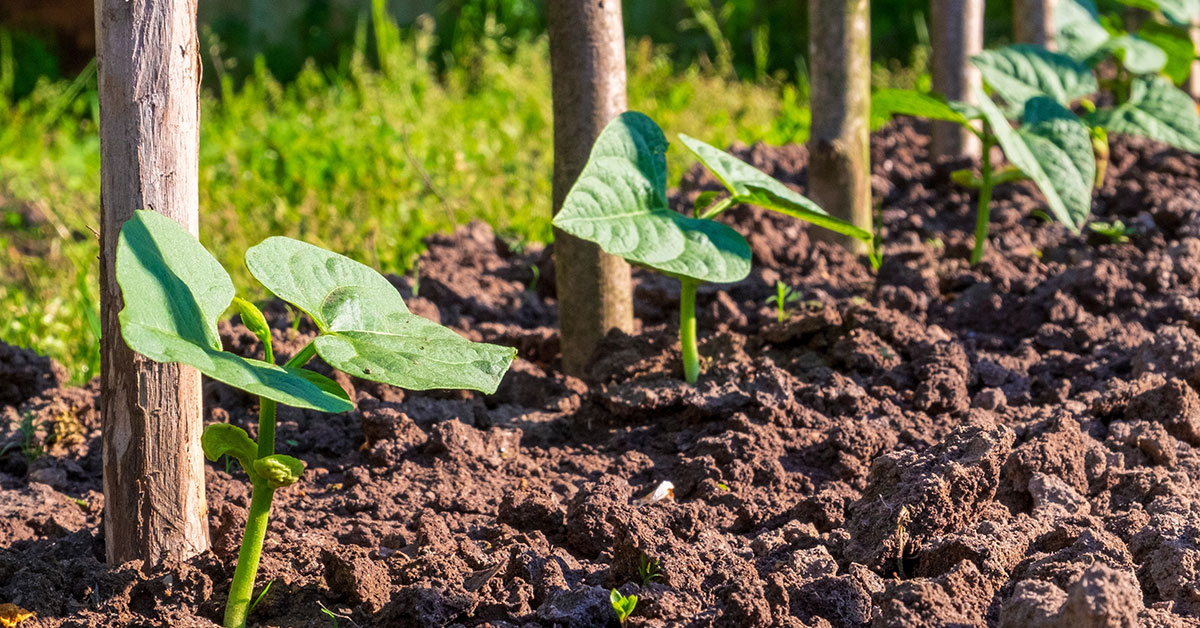

Growing your own kidney bean plant can be a rewarding and fulfilling experience. Not only are kidney beans a versatile and nutritious addition to any diet, but they also offer the opportunity to connect with nature and witness the fascinating process of plant growth firsthand.
Whether you have a spacious backyard or a small balcony, cultivating kidney beans is a simple and enjoyable endeavor that can yield a bountiful harvest. Let’s discuss the steps involved in growing kidney beans, from selecting the right variety to planting, caring for, and harvesting your own crop.
What is a Kidney Bean?
Kidney beans are believed to have originated in Peru and were later introduced to Europe by Spanish explorers during the 15th century. Today, they are grown in many parts of the world, including the United States, Mexico, India, Brazil, and China. These beans thrive in warm climates and are often cultivated in well-drained soil.
Kidney beans are medium-sized, oval-shaped legumes with a reddish-brown color. However, there are also other varieties of kidney beans, such as the light red kidney beans and the dark red kidney beans. These beans can be purchased either dried or canned, with the dried form being more common.
Kidney beans are a nutritional powerhouse, packed with essential nutrients. They are an excellent source of plant-based protein, fiber, and complex carbohydrates. Additionally, kidney beans contain significant amounts of vitamins and minerals, including iron, potassium, folate, and magnesium. Incorporating kidney beans into your diet can provide numerous health benefits, such as improved digestion, reduced risk of heart disease, and lower cholesterol levels.
Kidney beans have a rich, hearty flavor and a smooth, creamy texture when cooked. They are a staple ingredient in many traditional dishes, including chili, soups, stews, and salads. Kidney beans are also commonly used to make vegetarian and vegan dishes, as they are an excellent meat substitute due to their high protein content. Furthermore, kidney beans can be mashed and formed into patties to create delicious veggie burgers.
What does a Kidney Bean taste like?
Kidney beans have a mild, earthy flavor that is often described as creamy and slightly nutty. The taste is not overpowering, allowing them to pair well with a variety of ingredients and spices. Some people may also detect a subtle sweetness in kidney beans, especially when they are cooked properly. It is important to note that the taste can vary slightly depending on how the beans are prepared and the seasonings used in the dish.
Kidney beans are commonly used in both vegetarian and meat-based dishes, adding texture and flavor to various recipes. They are often simmered in soups, stews, and chili, where they absorb the flavors of the other ingredients. This slow cooking process helps to bring out the creaminess and enhance the overall taste of the beans. Kidney beans can also be mashed or puréed to create spreads, dips, and even veggie burgers.
Due to their mild flavor, kidney beans complement a wide range of ingredients. They work well with spices such as cumin, paprika, and chili powder, adding depth and richness to dishes. Kidney beans can be combined with vegetables like tomatoes, onions, and bell peppers, creating delicious and hearty meals. They also pair nicely with other legumes, such as chickpeas or black beans, in salads or grain bowls.
Kidney beans have a mild, earthy flavor that is versatile and enjoyable in various dishes. Their creamy and slightly nutty taste makes them a great addition to soups, stews, chili, and many other recipes. Whether you are a vegetarian or a meat lover, kidney beans can be easily incorporated into your meals, adding both flavor and nutritional value.
How to start from seed
To start growing kidney beans from seeds, it is important to choose the right variety that suits your climate and preferences. There are several types of kidney beans, including red kidney beans, white kidney beans, and speckled kidney beans. Consider factors such as the length of your growing season, local climate, and taste preferences when selecting seeds.
Preparing the Soil: Kidney beans thrive in well-drained soil that is rich in organic matter. Before planting the seeds, prepare the soil by removing any weeds or debris. Loosen the soil with a garden fork or tiller, ensuring it is free from clumps. Incorporate organic compost or well-rotted manure into the soil to provide essential nutrients for healthy plant growth.
Planting Kidney Bean Seeds: Kidney bean seeds can be planted directly in the ground once the soil has warmed up, usually after the last frost date. Dig small holes about 1-2 inches deep and space them approximately 4-6 inches apart. Place one kidney bean seed in each hole and cover it with soil. Water the seeds gently to provide moisture for germination.
Providing Optimal Growing Conditions: Kidney beans require full sun to grow and thrive. Ensure your planting location receives at least 6-8 hours of sunlight each day. Water the plants regularly, keeping the soil consistently moist but not waterlogged. Mulching around the plants can help retain moisture and suppress weed growth.
Supporting the Growing Plants: As kidney bean plants grow, they tend to become top-heavy and may benefit from support. You can use stakes or trellises to provide support and prevent the plants from falling over. This is especially important if you are growing climbing varieties of kidney beans.
Caring for Kidney Bean Plants: To promote healthy growth, it is essential to provide proper care for your kidney bean plants. Regularly remove weeds that compete for nutrients and water. Monitor the plants for any signs of pests or diseases, and take appropriate measures to control them. Fertilize the plants with a balanced organic fertilizer according to the manufacturer’s instructions.
How to grow this plant in your garden
Before you start growing kidney beans, it’s important to select the right variety for your climate and growing conditions. There are numerous kidney bean cultivars available, each with its own unique characteristics. Some popular varieties include Red Kidney, White Kidney, and Black Kidney beans. Research the specific requirements of each variety, such as growth habit, disease resistance, and maturity period, to ensure successful cultivation.
Preparing the Soil: Kidney beans thrive in well-drained, fertile soil with a pH between 6.0 and 7.5. Begin by clearing the area of any weeds or debris and loosening the soil. Incorporate organic matter, such as compost or well-rotted manure, to improve soil structure and provide essential nutrients. Avoid using fresh manure, as it may burn the plants. Finally, level the soil surface and remove any large stones or clumps.
Planting Kidney Beans: Kidney beans are warm-season plants that require full sun to grow and produce an abundant harvest. The ideal time to plant kidney beans is after the last frost date in your area when the soil has warmed up to at least 60°F (15°C). Plant the seeds directly into the prepared soil, sowing them about 1-2 inches deep and 3-4 inches apart. Space the rows approximately 18-24 inches apart to allow enough room for the plants to grow.
Watering and Care: Water is crucial for kidney beans, especially during flowering and pod development. Keep the soil consistently moist, but not waterlogged, throughout the growing season. Avoid overhead watering, as it can increase the risk of foliar diseases. Instead, use a soaker hose or drip irrigation to water the plants at the base. Mulching around the plants can help retain moisture and suppress weed growth.
Supporting the Plants: Kidney beans are climbing plants that require support as they grow. Install trellises, stakes, or bean poles near the plants to provide a structure for them to climb on. This will prevent the plants from sprawling on the ground and reduce the risk of disease and pest damage. As the plants grow, gently guide the vines toward the support system to ensure they stay upright.
Harvesting and Storage: Kidney beans are typically ready for harvest 90-120 days after planting, depending on the variety. The pods should be fully mature, firm, and crisp. To harvest, carefully pull the pods off the plants, taking care not to damage the vines. If you plan to store the beans, allow the pods to dry on the plants until they turn brown and brittle. Then, remove the beans from the pods and store them in a cool, dry place in airtight containers.