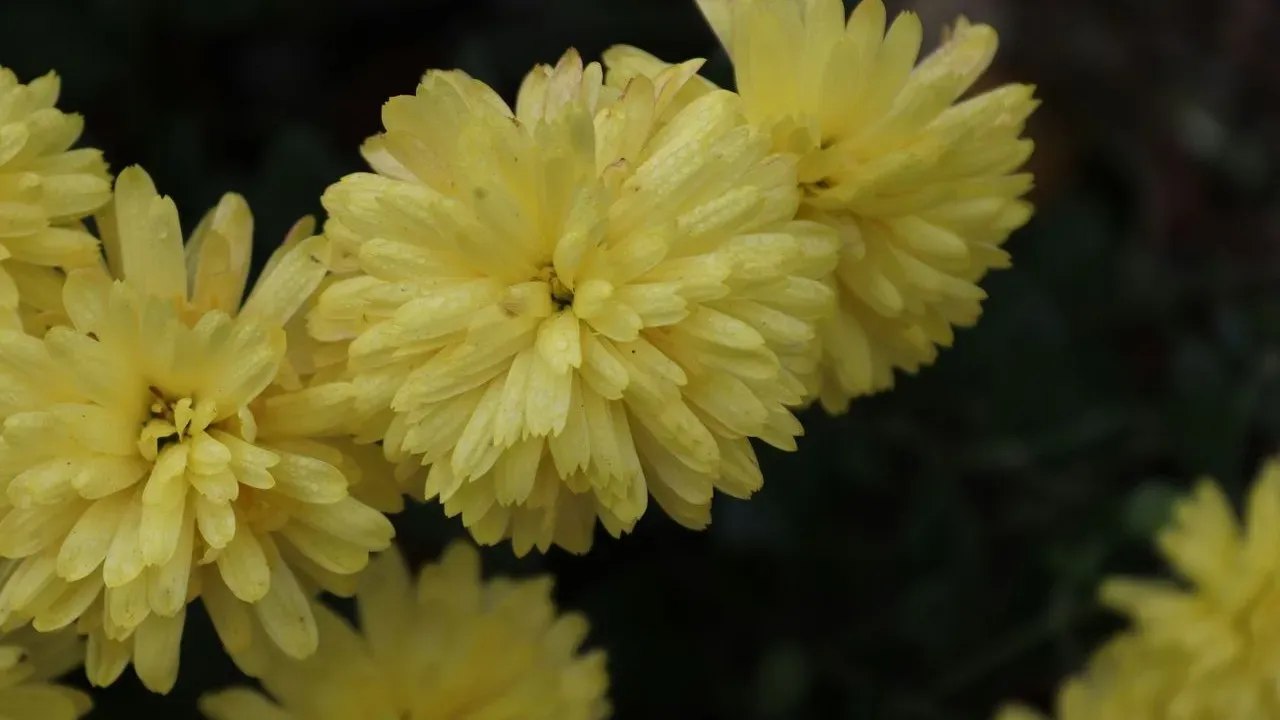

Autumn brings a final burst of color from hardy chrysanthemums, yet many gardeners treat these plants as temporary decorations. Rather than discarding them once the blooms fade, a straightforward overwintering approach allows the same plants to return with fresh growth each spring. This method reduces waste and expense while building stronger specimens over time. The process spans fall preparations through spring reintroduction to the garden. ([1])
Choosing the Right Mums
Success begins with selecting true hardy garden types rather than exhibition varieties. Hardy mums, often labeled as Chrysanthemum × morifolium, tolerate outdoor winters in USDA Zones 5 through 9, with some cultivars surviving even colder conditions down to Zone 3. Exhibition types feature shallow roots and large flower heads that demand staking, making them unsuitable for outdoor overwintering.
Garden centers stock these hardy plants in late summer and fall in shades of red, orange, yellow, pink, and white. They perform best in full sun with well-drained soil. Plants purchased in full bloom have focused energy on flowers instead of roots, so fall planting carries risks in colder zones.
Fall Preparations for Established Plants
Plants already in the ground benefit from early attention before frost arrives. Deadhead spent blooms through mid-fall to direct energy toward root development. Once the first frost browns the foliage, leave the dead stems in place rather than cutting them back. This natural cover helps anchor protective materials later.
Repotting new container plants into slightly larger pots with adequate drainage holes improves their chances if they must spend winter indoors. Trimming the plant by about one-quarter and removing faded flowers reduces stress during the transition to dormancy.
Insulating In-Ground Mums
Mulch forms the primary defense for plants growing directly in the soil. Apply six inches of organic material such as shredded leaves or straw around the base, extending outward twice the width of the foliage. The existing dead stems help keep this layer from shifting in wind.
After the first hard freeze, add a layer of conifer branches for extra insulation. These boughs can come from holiday decorations once their indoor use ends. Check the covering periodically through winter and replace any displaced mulch. Remove the protection only when consistent above-freezing temperatures return and new shoots appear.
Handling Container-Grown Plants
Potted mums lack the soil insulation that protects in-ground roots, so they require indoor storage in Zones 7 and below. Move them to an unheated garage or basement where temperatures stay between 32 and 55 degrees Fahrenheit. Water sparingly, keeping the soil at the moisture level of a wrung-out sponge, and apply a slow-release high-phosphorus fertilizer.
Cover the pot with a few inches of straw or leaf mulch plus a burlap or cotton sheet. Monitor soil dryness weekly and water only when the top two inches feel dry. New green shoots signal the time to remove coverings and begin light pruning of dead material.
Returning Plants to the Garden
Once spring arrives and frost risk passes, gradually reintroduce potted mums to outdoor conditions. Start with one hour in shade the first day, then add an hour each subsequent day until the plant tolerates eight hours outside. Follow with a slow shift to full sun over another week.
Transplant into the garden by digging a hole one and a half times wider than the container. Set the plant at the same depth it grew previously and water thoroughly. Established plants will reward this care with larger size and repeated autumn displays in following seasons.
AI Disclaimer: This article was created with the assistance of AI tools and reviewed by a human editor.