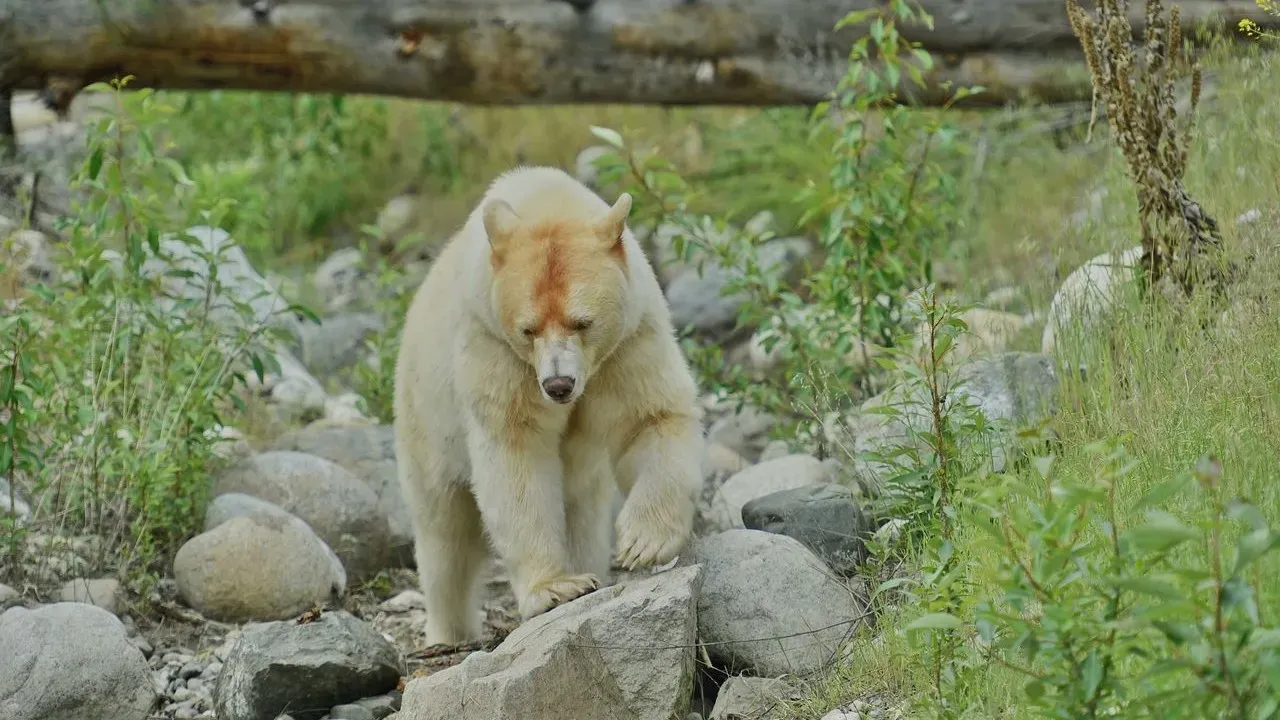

Lake Tahoe residents have grown used to unexpected visitors rummaging through trash or even wandering into homes and pools. As black bears have returned to western Nevada in greater numbers, some have lost their natural caution around humans and the food sources people leave behind. Nevada wildlife officials now rely on a small team of specially trained Karelian Bear Dogs to step in when conflicts arise.
The Dogs That Haze Bears Back Into the Wild
Badger and Banjo work alongside biologists from the Nevada Department of Wildlife. These Karelian Bear Dogs flush bears from urban hiding spots, locate injured animals, and haze bears that have grown too accustomed to people. When a bear is released after capture, the dogs chase and nip at it, creating a negative experience that encourages the animal to avoid developed areas in the future.
The approach gives bears a reason to steer clear of neighborhoods without relying on more aggressive tools such as rubber bullets. Officials note that the dogs also help with other wildlife, including mountain lions and deer, and they accompany biologists into tight spaces like crawl spaces beneath houses. Their presence adds both practical support and a measure of safety during close encounters.
A Program Built on Decades of Bear Recovery
Black bears once ranged across most of Nevada but were nearly eliminated by the late 1800s through habitat loss and hunting. By the 1980s only about thirty remained in the far western part of the state. Conservation measures and habitat recovery allowed the population to rebound, and it now stands between 600 and 700 animals across western Nevada, from northern Washoe County south to the California line and east toward Walker Lake.
Carl Lackey, who recently retired after nearly 33 years with the agency, began the dog program after seeing Karelian Bear Dogs in action on a nature program. He purchased his first dog himself, and the method has since become a core part of the department’s response to dozens of bear incidents each year. His successor, Becca Carniello, continues the work with her own dog, Badger.
Real Encounters That Shaped the Approach
One memorable call took Lackey to a home once owned by the lead singer of the band Whitesnake. A bear had broken in, swum in the indoor pool, and headed toward the recording studio. By the time responders arrived the bear had left, so they set a trap. When they returned, a different bear was in the trap while the original animal strolled past, unfazed, and made for the house again. The dogs quickly treed the second bear.
In another case the team tracked a bear that had been entering the historic Tahoe Biltmore casino and hotel in Crystal Bay during renovations. Badger cornered the animal near the Breeze Bar, once a favorite spot of the Rat Pack. Such incidents illustrate how bears can become repeat visitors when food or shelter remains easily available.
Why Lasting Change Depends on People
The dogs provide an immediate tool for hazing, yet biologists emphasize that they do not create permanent behavior shifts on their own. Bears that find reliable food in neighborhoods will keep returning unless the source is removed. The department encourages residents to use bear-resistant garbage containers and to eliminate other attractants around homes and businesses.
Officials have shifted the conversation away from blaming bears and toward addressing human habits that draw wildlife into developed areas. Black bears rarely injure people in Nevada, and no fatalities have been recorded. Still, the goal remains to keep both bears and residents safe by maintaining a healthy distance between them.
Looking Ahead for Tahoe Wildlife
The Nevada Department of Wildlife remains one of the few agencies that has fully integrated Karelian Bear Dogs into routine bear management. The method has reduced the need for other hazing techniques in recent years. Continued success, however, hinges on residents taking practical steps to secure their properties so that bears do not learn to associate people with easy meals.
Without those changes, even the most skilled dogs can only offer temporary relief from conflicts that keep recurring across the Tahoe Basin.
AI Disclaimer: This article was created with the assistance of AI tools and reviewed by a human editor.