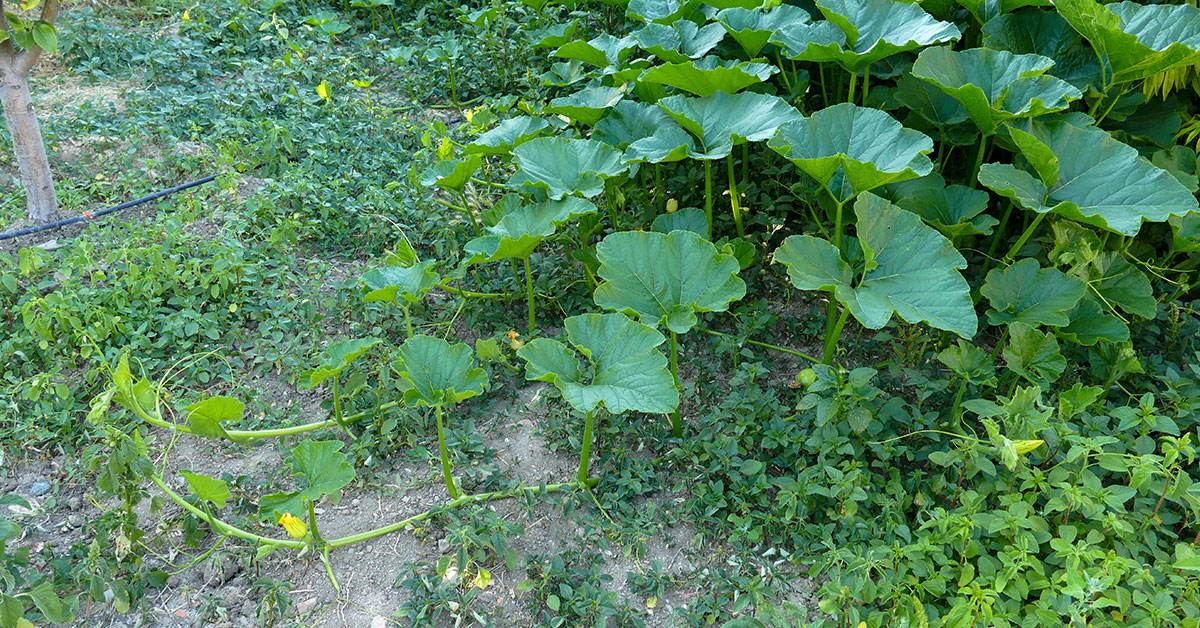

Kakai pumpkin, also known as Styrian pumpkin, is a unique variety of pumpkin that originates from Austria. Unlike other pumpkin varieties, Kakai pumpkins have a dark green, stripey exterior and a bright orange interior.
They are known for their distinct nutty flavor and are often used in salads, soups, and baked goods. Not only are Kakai pumpkins delicious, but they also have numerous health benefits, including high levels of antioxidants, vitamins, and minerals.
We will discuss the many benefits of Kakai pumpkin and share some delicious recipes you can try at home.
What is a Kakai pumpkin?
Kakai pumpkin is a unique variety of pumpkin that originated in Austria. It is a medium-sized pumpkin with an oblong or teardrop shape and has distinct green and orange striped skin. The flesh of the Kakai pumpkin is deep orange and has a sweet, nutty flavor.
One of the most notable features of this pumpkin is its seeds, which are completely hull-less. This makes them easier to eat and also makes them perfect for roasting or using in recipes. The seeds are also high in protein, iron, and other minerals, making them a healthy snack option.
Kakai pumpkins are often used in cooking and baking, as they have a unique flavor that sets them apart from other types of pumpkins. They can be used in soups, stews, pies, bread, and other dishes. The flesh can also be roasted and used as a side dish or added to salads.
Kakai pumpkin is a versatile and delicious option for anyone looking to add some variety to their pumpkin dishes. Whether you use it for its tasty flesh or its nutritious seeds, this pumpkin is sure to be a hit in any kitchen.
Common problems with growing Kakai pumpkin
Growing your own Kakai pumpkin can be an exciting and rewarding experience. However, like all crops, there are some common problems that you may encounter during the growing process. In this section, we will discuss the most common problems with growing Kakai pumpkins and how to prevent or solve them.
Poor Soil Quality
One of the most common problems with growing Kakai pumpkins is poor soil quality. Kakai pumpkins require well-draining, nutrient-rich soil to grow properly. If the soil is too compacted or lacks essential nutrients, your pumpkins may not grow to their full potential. To prevent this, make sure to amend your soil with organic matter such as compost or aged manure before planting.
Pests
Another common problem when growing Kakai pumpkins is pests. Common pests that may attack your Kakai pumpkin plants include squash bugs, cucumber beetles, and vine borers. To prevent these pests, make sure to keep the area around your plants free of debris and weeds, which can harbor pests. Additionally, you can use insecticidal soap or diatomaceous earth to control pests.
Diseases
Diseases can also be a problem when growing Kakai pumpkins. Some of the most common diseases that can affect your plants include powdery mildew, downy mildew, and bacterial wilt. To prevent these diseases, make sure to plant your Kakai pumpkins in well-draining soil and avoid overhead watering. Additionally, you can use fungicides to prevent or treat diseases.
Lack of Pollination
Kakai pumpkins require pollination to produce fruit. Lack of pollination can result in poor fruit set or misshapen fruit. To ensure proper pollination, make sure to plant your Kakai pumpkins in an area with plenty of pollinators such as bees and butterflies. You can also hand-pollinate your plants by transferring pollen from the male flowers to the female flowers using a small brush or cotton swab.
When and How to Harvest
Kakai pumpkin is a unique and popular variety of pumpkin that is known for its delicious seeds and beautiful appearance. However, many gardeners wonder when the best time to harvest their Kakai pumpkin is. Harvesting your Kakai pumpkin at the right time ensures that it is at its peak flavor and ripeness. Here are some tips on when to harvest your Kakai pumpkin:
- Check the color: The first thing to look for when harvesting your Kakai pumpkin is the color. When the pumpkin is fully ripe, it will turn a deep orange color. If you see any green or yellow spots, it means that the pumpkin is not yet ripe and needs more time to mature.
- Check the stem: The stem of the Kakai pumpkin is another important indicator of its ripeness. When the pumpkin is ripe, the stem will start to dry out and turn brown. If the stem is still green, it means that the pumpkin is not yet ready to be harvested.
- Check the skin: The skin of the Kakai pumpkin should be hard and tough when it is fully ripe. If the skin is soft or easily dented, it means that the pumpkin is not yet ready to be harvested.
- Check the sound: When you tap the Kakai pumpkin, it should sound hollow. If it sounds dull or solid, it means that the pumpkin is not yet ripe and needs more time to mature.
Harvesting your Kakai pumpkin at the right time ensures that it is at its peak flavor and ripeness. By checking the color, stem, skin, and sound, you can determine when your pumpkin is ready to be harvested. With these tips in mind, you can enjoy the delicious seeds and beautiful appearance of your Kakai pumpkin.
Uses for Kakai pumpkin
Kakai pumpkin is a unique variety of pumpkin that is popular for its vibrant green skin and delicious seeds. Many people are familiar with traditional pumpkin varieties that are often used for carving or as the base for pumpkin pies. However, Kakai pumpkins have their own unique set of uses and benefits.
One common use for Kakai pumpkins is as a source of seeds. The seeds are typically roasted and eaten as a healthy snack or used to make pumpkin seed oil. Pumpkin seed oil is known for its rich, nutty flavor and is often used in cooking, salad dressings, and even as a natural remedy for various health issues.
Kakai pumpkins are also used for their flesh, which is slightly sweeter and less fibrous than traditional pumpkin varieties. The flesh can be pureed and used in soups, stews, and baked goods, or roasted and served as a side dish. Some people even use the flesh to make pumpkin beer or other alcoholic beverages.
One unique use for Kakai pumpkins is as a decorative item. The vibrant green skin and unique shape of the pumpkin make it a popular choice for fall decorations. Many people use Kakai pumpkins as centerpieces or as part of their Halloween decorations.
They are a versatile and delicious addition to any kitchen or fall decor collection. Whether you’re roasting the seeds, pureeing the flesh, or using it as a decorative item, there are plenty of ways to enjoy this unique variety of pumpkins.