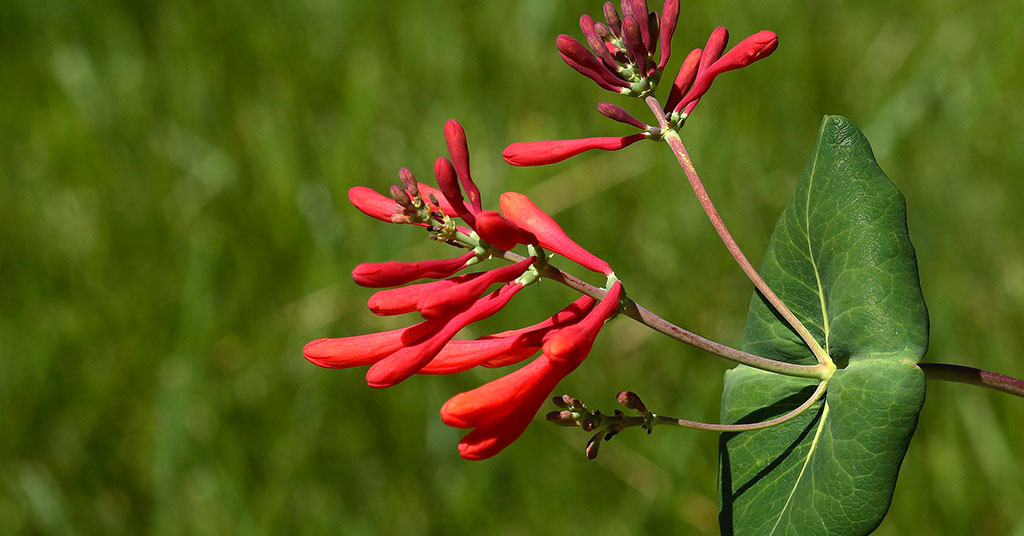

As the sun dances high in the summer sky, June graces us with its exquisite birth flowers – the Roses and the Honeysuckles. Like living poetry, these blooms epitomize the timeless elegance of nature’s artistry, casting an enchanting spell on hearts worldwide. In this article, we embark on a journey to explore the beguiling allure of your June birth flowers, unveiling their symbolic meanings, cultural significance, and the emotions they stir in our souls.
Join us as we embrace the timeless elegance of Roses and the irresistible charm of Honeysuckles, celebrating the essence of June with these cherished floral companions, as they bloom with love, joy, and the spirit of a vibrant and romantic season.
What are the June birth flowers?
The June birth flowers are the Rose (Rosa) and the Honeysuckle (Lonicera).
- Rose (Rosa): Roses are classic and timeless flowers that come in a wide range of colors and varieties. They symbolize love, beauty, and passion. Each color of rose carries its own unique meaning, making roses a versatile and cherished flower for expressing various emotions.
- Honeysuckle (Lonicera): Honeysuckle is a fragrant climbing vine with tubular flowers that attract hummingbirds and butterflies. It symbolizes happiness, devotion, and affection. The sweet scent of honeysuckle evokes feelings of nostalgia and fond memories.
Both the Rose and the Honeysuckle embody the essence of June, the month of weddings and summertime, making them meaningful birth flowers for those born during this romantic and vibrant time of the year.
How to grow your June birth flowers in your garden
Growing June’s birth flowers, Roses, and Honeysuckles, in your garden can fill your outdoor space with beauty, fragrance, and romance. Here are some tips on how to grow each of them:
Rose (Rosa):
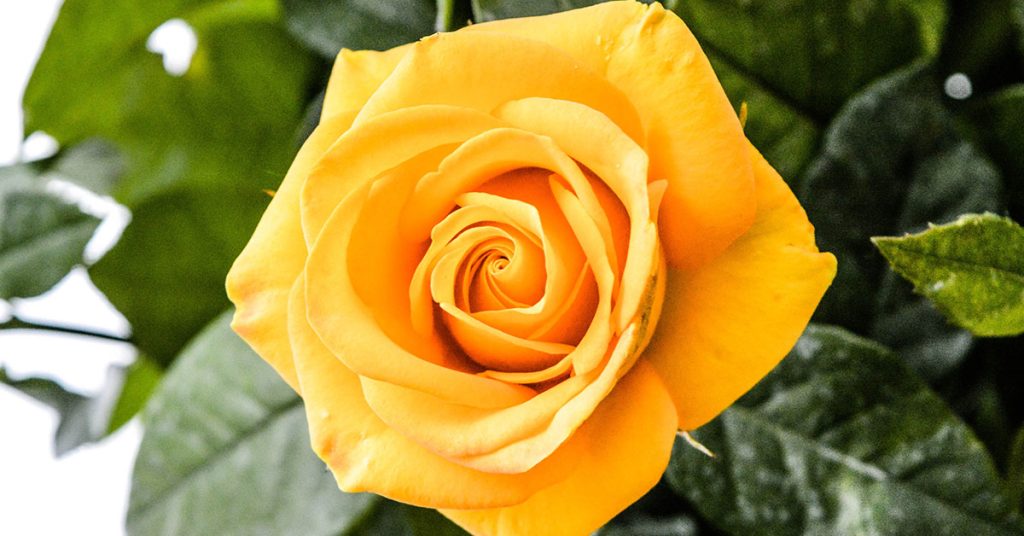
- Planting Time: Roses are often sold as bare-root or potted plants. Plant them in the early spring after the last frost or in the fall, allowing enough time for their roots to establish before winter.
- Soil: Roses prefer well-draining soil that is rich in organic matter. They do best in slightly acidic to neutral pH levels.
- Location: Plant Roses in a location that receives at least 6 hours of direct sunlight daily. Ensure adequate air circulation to reduce the risk of diseases.
- Spacing: Space Roses according to the variety and their growth habit. Climbing Roses require support and more space, while bushy Roses need about 2 to 3 feet of space between plants.
- Watering: Roses need regular watering, especially during dry periods. Water at the base of the plant to avoid wetting the leaves, which can lead to fungal issues.
- Mulching: Apply a layer of organic mulch around Rose plants to retain moisture, suppress weeds, and regulate soil temperature.
- Pruning: Regular pruning is essential for maintaining the health and shape of Roses. Prune in late winter or early spring to remove dead or diseased wood and encourage new growth.
- Fertilizing: Feed Roses with a balanced fertilizer during the growing season to support healthy blooming.
- Pest and Disease Control: Keep an eye out for common Rose pests and diseases, and take appropriate measures to address any issues.
Honeysuckle (Lonicera):

- Planting Time: Honeysuckles can be planted in the spring or fall, depending on the variety and your climate.
- Soil: Honeysuckles prefer well-draining soil with good moisture retention. They can tolerate a wide range of soil types.
- Location: Plant Honeysuckles in a location with full sun to light shade. They generally prefer some sun exposure but can tolerate partial shade.
- Support: Since Honeysuckles are climbing vines, provide a sturdy support structure like a trellis or fence for them to climb on.
- Watering: Water newly planted Honeysuckles regularly to establish their root system. Once established, they are relatively drought-tolerant.
- Mulching: Apply a layer of organic mulch around Honeysuckle plants to help retain moisture and regulate soil temperature.
- Pruning: Prune Honeysuckles after they finish flowering to maintain their shape and encourage new growth.
- Propagation: Honeysuckles can be propagated through cuttings in the spring or fall.
By following these guidelines and providing proper care, you can cultivate the captivating beauty of Roses and the alluring fragrance of Honeysuckles in your garden, experiencing the joy and romance of June’s cherished birth flowers.
Symbolism surrounding your June birth flowers
The symbolism of Roses and Honeysuckles may vary across different cultures and traditions, leading to a rich tapestry of interpretations. Their associations with love, happiness, devotion, and beauty have made them cherished and beloved flowers, sought after not only for their delightful appearances but also for the emotions they inspire and convey.
Rose (Rosa):
- Love and Romance: Roses are perhaps most famous for symbolizing love and romance. They are often given as tokens of affection to express love and devotion to someone special.
- Beauty and Elegance: Roses are admired for their exquisite beauty and elegant appearance. They represent grace, refinement, and the appreciation of life’s finer aspects.
- Passion and Desire: The deep red rose, in particular, is associated with passionate love and desire, making it a popular choice for expressing intense emotions.
- Spiritual and Mystical: In some cultures, roses are linked to spiritual and mystical elements. They are believed to embody divine love and have been associated with various goddesses and deities throughout history.
- Friendship and Gratitude: Roses of different colors convey various meanings. Yellow roses symbolize friendship and joy, while pink roses represent admiration and gratitude.
Honeysuckle (Lonicera):
- Happiness and Joy: Honeysuckles are often associated with happiness and joy. Their sweet fragrance and vibrant blooms bring delight to gardens and outdoor spaces.
- Devotion and Affection: The delicate and intertwining nature of honeysuckle vines has led them to symbolize devotion and affection between loved ones.
- Nostalgia and Fond Memories: The aroma of honeysuckle flowers can evoke nostalgia and remind us of carefree and pleasant memories from our past.
- Attracting Good Luck: In some cultures, honeysuckle is believed to attract good luck and positive energies into the lives of those who grow it.
- Wild and Free-Spirited: Honeysuckles’ climbing and rambling nature represent a sense of wildness and free-spiritedness, symbolizing the joy of being in tune with nature.
As June’s birth flowers, they hold special significance for those born during this vibrant and romantic month.