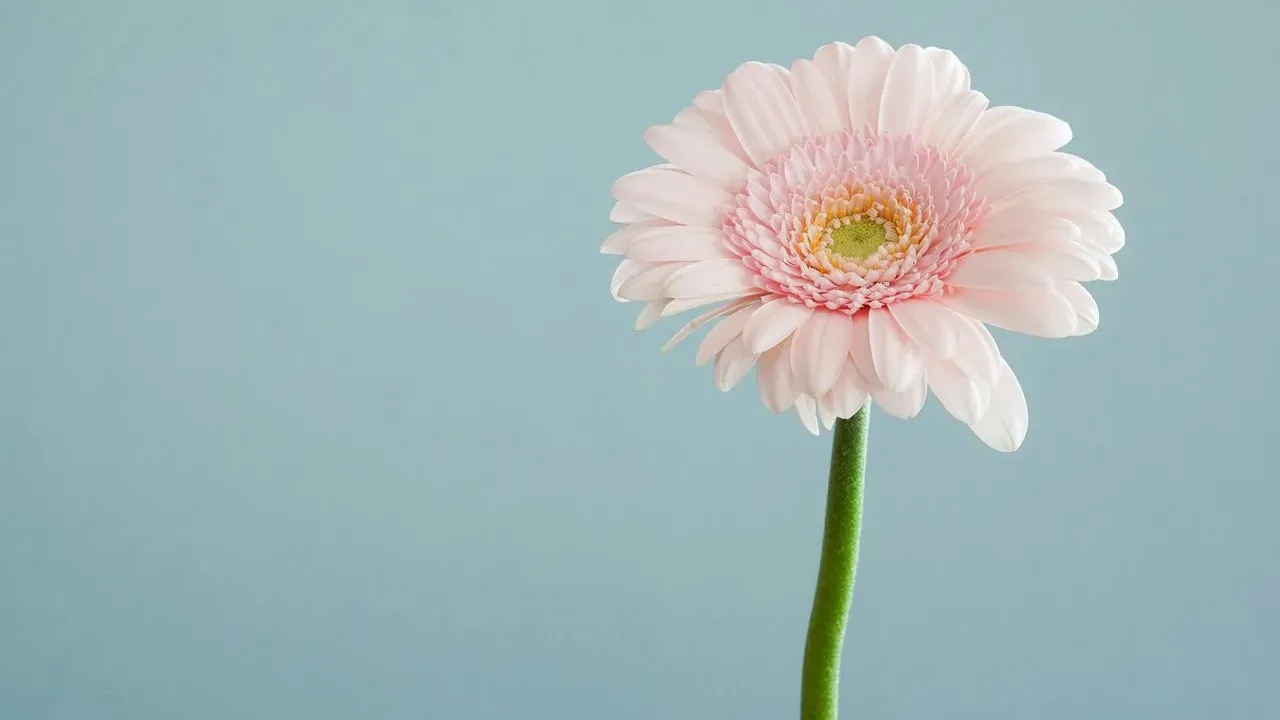

Central Indiana gardeners have watched their plots endure a sharp swing in temperatures this month. A heat wave struck just before mid-July, followed by a brief cooldown and scattered rain, yet many flowers continued to open on schedule. In one USDA Hardiness Zone 6a garden, the display remained steady enough to mark the twentieth and final Garden Bloggers’ Bloom Day roundup for the month.
Weather Swings Test Summer Plantings
Erratic conditions have become a familiar test for mid-summer gardens. The recent spike in heat arrived after earlier cooling and moisture, leaving plants to adjust quickly. Many continued to produce blooms without major setbacks, showing the resilience built into established beds.
Gardeners note that timing and plant choice matter more than ever. Species already adapted to the region often recover faster once temperatures moderate. The brief rain helped restore soil moisture and supported continued flowering across several beds.
One Gardener’s Mid-July Highlights
Hollyhocks planted from seedlings the previous year added height and a cottage-garden feel along the east side of the vegetable beds. Their soft colors stood out against the surrounding greenery even after the hottest days. Nearby, cup plants reached upward with their distinctive small flowers atop tall stems.
Reddish and purplish tones appeared in several groupings, while a few blue accents rounded out the palette. A large ‘Limelight’ hydrangea, pruned hard the previous fall, had rebounded into a substantial shrub covered in fresh blooms. The plant’s recovery illustrated how established perennials can rebound after both pruning and weather stress.
Two Decades of July Records
Reviewing past Bloom Day posts reveals patterns shaped by weather and garden changes. Drought years produced thinner displays, while wetter or milder seasons allowed more variety. Some favorites, such as certain clematis and false sunflowers, no longer appear because shade patterns or plant losses shifted the lineup.
Other years featured surprises like early toad lilies or strong sweet-pea shows. This July’s mix of hollyhocks, cup plants, and hydrangeas sits comfortably within the long-term range, though zinnias are only beginning to gain momentum, much as they did last year. The consistency across two decades underscores how local conditions and personal plant selections shape each season’s outcome.
Why Gardeners Keep Sharing
The monthly Bloom Day tradition has encouraged participants to pause and notice what is actually flowering rather than what they hoped would appear. Even in challenging weather, the act of documenting blooms offers a record of progress and a reminder that gardens rarely stand still.
Many gardeners now look ahead to August, curious whether the current heat will linger or give way to steadier conditions. The simple habit of observing and noting flowers continues to connect people who garden in very different settings, each adapting to whatever the season delivers.
AI Disclaimer: This article was created with the assistance of AI tools and reviewed by a human editor.