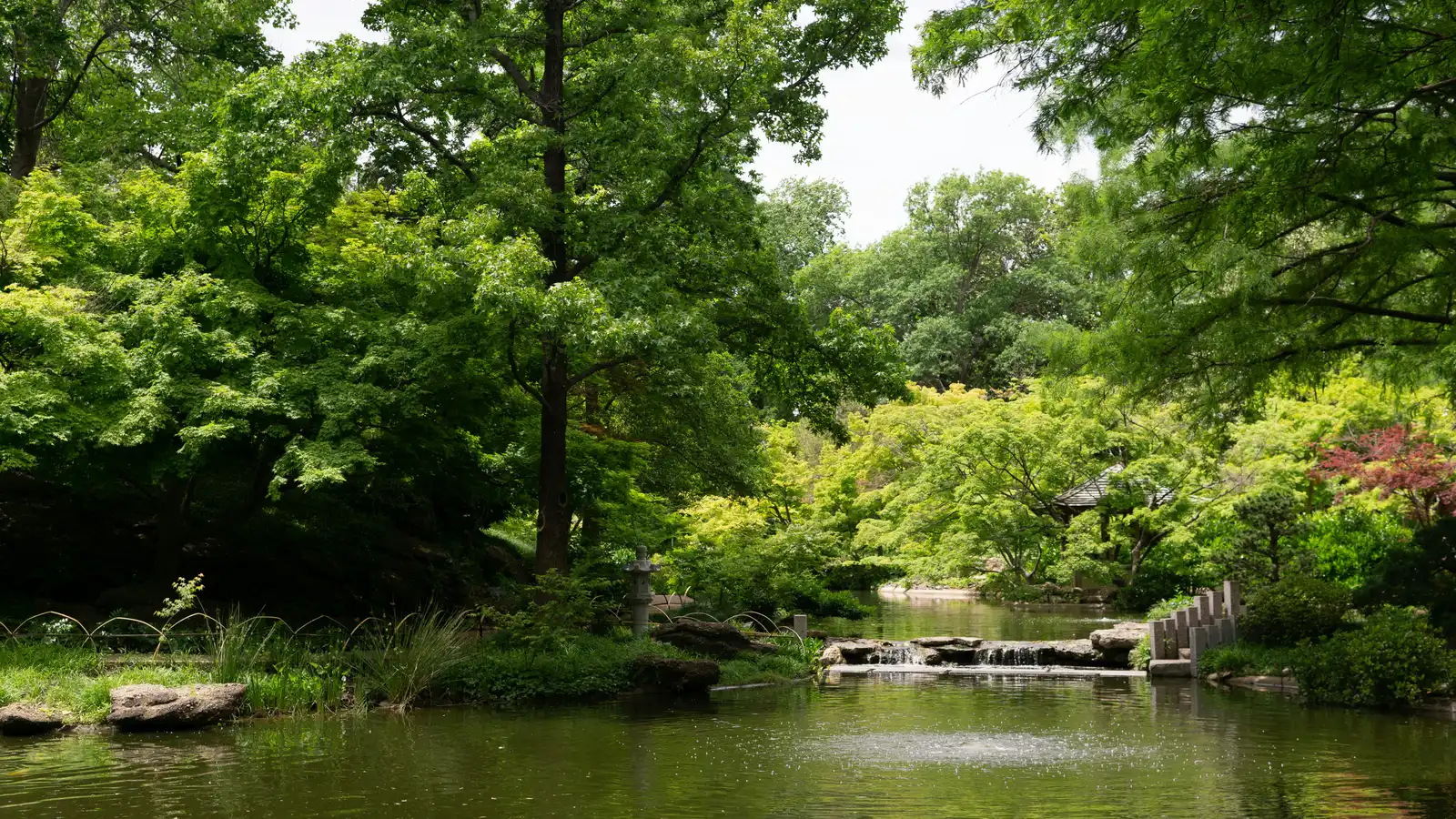

In Texas, one gardener has turned an ordinary yard into a lasting source of comfort and beauty. Mary’s garden has grown steadily over the years, offering a quiet refuge even when personal circumstances shifted. The space continues to deliver satisfaction through seasons of both growth and difficulty, showing how consistent care can anchor daily life.
Roots in Texas Soil
Mary began shaping her garden with simple plantings suited to the local climate. Native species and hardy perennials formed the foundation, chosen for their ability to thrive with minimal intervention once established. Over time, the layout expanded to include pathways, seating areas, and layered plantings that create visual interest throughout the year.
The Texas environment demanded practical choices from the start. Heat, occasional drought, and varying rainfall shaped decisions about irrigation and soil preparation. Those early adaptations laid the groundwork for a garden that could withstand the region’s extremes without constant rescue efforts.
Weathering Personal Storms
Life brought periods of uncertainty that tested routine and energy levels. Health concerns, family responsibilities, and unexpected events pulled attention away from the garden at times. Yet the plants kept growing, providing a steady reminder that progress does not always require daily oversight.
Returning to the garden after each interruption offered a sense of continuity. Small tasks such as pruning or weeding became manageable entry points back into the space. The act of tending what remained helped restore a sense of order when other areas of life felt unsettled.
Discovering Ongoing Satisfaction
Seasonal changes in the garden now mark time in a positive way. Spring blooms give way to summer foliage, followed by fall color and winter structure that still holds visual appeal. Each phase brings its own rewards without requiring dramatic redesigns.
Visitors often notice the calm atmosphere created by the mature plantings. The garden functions as both a private retreat and a subtle invitation to slow down. This balance has become one of its most valued qualities over the years.
Looking Ahead in the Garden
Future plans remain modest and focused on maintenance rather than expansion. Replacing aging plants with similar varieties and refining existing beds take priority over new projects. The emphasis stays on preserving what already works well.
Mary’s experience illustrates how a garden can serve as a long-term companion rather than a short-term project. The space continues to reward steady attention with beauty and a reliable sense of accomplishment, regardless of what else unfolds.
AI Disclaimer: This article was created with the assistance of AI tools and reviewed by a human editor.