
The Jewel Strawberry is a delightful and popular variety that will not only satisfy your taste buds but is easy to grow as well. Whether you’re a seasoned gardener or a beginner with a green thumb, growing Jewel Strawberries can be a rewarding and enjoyable endeavor.
In this article, we will explore everything you need to know about cultivating these luscious red fruits, from selecting the right location to maintaining optimal growing conditions.
What is a Jewel Strawberry?
The Jewel Strawberry (Fragaria × ananassa ‘Jewel’) is a cultivar created through the careful breeding and hybridization of several strawberry varieties. Its origins can be traced to the University of California, where it was first developed in the mid-20th century. It was released to the public in 1963 and has since become a favorite among both home gardeners and commercial growers.
Jewel strawberries are instantly recognizable by their attractive and vibrant red color, which is evenly distributed throughout the berry’s flesh. They are medium to large-sized strawberries, with an ideal balance of sweetness and tartness. These berries also boast a firm texture, making them suitable for various culinary uses.
One of the most alluring qualities of Jewel strawberries is their outstanding flavor profile. They have a perfect balance of sweetness and acidity, offering a burst of juiciness with every bite. The flavor is often described as intense, with strawberry sweet notes and a pleasant tartness. Moreover, these strawberries emit a delightful fragrance that serves as a teaser of their exquisite taste.
Jewel strawberries are highly versatile and can be cultivated in various regions. They thrive in temperate climates but can also be grown in colder areas with appropriate protection. These plants prefer well-drained soil and require a moderate amount of sunlight to facilitate optimum growth and fruit production. The bushes are known to be vigorous and disease-resistant, making them relatively easy to cultivate.
The Jewel strawberry season typically begins in late spring and continues until mid-summer, presenting a relatively short harvest window. The berries reach their peak ripeness when they turn deep red, with the surface becoming glossy. At this stage, they are plump and fragrant, ready to be harvested. Jewel strawberries are often hand-picked to ensure they are handled delicately.
Given their exceptional flavor and visual appeal, Jewel strawberries are highly versatile in the kitchen. They can be enjoyed fresh, straight from the garden, or incorporated into a wide range of dishes. Whether used in salads, desserts, jams, or smoothies, their natural sweetness and distinct flavor elevate any recipe.
Jewel strawberries are not only a delicious treat but also a nutritious one. They are packed with antioxidants, vitamins (especially vitamin C), and essential minerals. Furthermore, they are low in calories and high in dietary fiber, making them a guilt-free choice for a healthier lifestyle.
Jewel strawberries are not merely a fruit but a delightful experience for the senses. Originating from the University of California, these berries have taken the culinary world by storm with their exceptional flavor, vibrant appearance, and aromatic qualities.
What does a Jewel Strawberry taste like?
When it comes to unique and enticing flavors, Jewel Strawberry stands out from the crowd. This extraordinary fruit not only captivates with its vibrant red color and eye-catching appearance but also surprises with its delicious taste. In this blog section, we will explore the exquisite flavor profile of Jewel Strawberries and provide you with an insight into what makes them so special.
Jewel Strawberries are known for their extraordinary sweetness, making them a favorite among those with a sweet tooth. Each bite bursts with an intense, sugary flavor that is sure to satisfy any craving for something delectably sweet. The natural sweetness of Jewel Strawberries is unlike any other strawberry variety, elevating them to a league of their own.
But it’s not just the sweetness that makes Jewel Strawberries remarkable. They also possess a subtle and tangy undertone that adds a delightful complexity to their overall taste. This hint of tartness provides a perfect balance to the sweetness, creating a harmonious flavor that keeps you coming back for more.
One of the most notable characteristics of Jewel Strawberries is their juiciness. With every bite, you can expect a burst of succulent and refreshing juice that floods your taste buds. This juiciness further enhances the overall experience of eating a Jewel Strawberry and adds a wonderful textural element to the fruit.
In terms of texture, Jewel Strawberries have a slightly firm exterior, giving them a satisfying crunch when you first bite into them. However, as soon as you break through the surface, you are greeted by a soft and juicy interior that melts in your mouth. The combination of the crunchy exterior and the tender interior makes eating Jewel Strawberries a delightful sensory experience.
Whether you enjoy them fresh on their own, in desserts, or incorporated into various recipes, Jewel Strawberries are sure to bring a burst of flavor to any dish. From refreshing summer salads to luscious strawberry shortcakes, the versatility of these strawberries allows them to shine in a wide range of culinary creations.
How to start from seed
Before you start growing Jewel Strawberries from seed, it’s important to gather all the necessary materials and prepare the soil properly. Here are the steps to get started:
Seeds: Purchase high-quality Jewel Strawberry seeds from a reputable supplier. Ensure that the seeds are fresh and viable for optimal germination.
Containers: Choose small pots or seed trays with drainage holes to sow the seeds. Alternatively, you can use biodegradable peat pots or seedling trays made from recycled materials.
Soil: Use a well-draining potting mix specifically formulated for seed starting. Avoid using garden soil, as it may contain pests or diseases that could harm your young seedlings.
Sunlight: Find a sunny spot in your garden or a location where your seedlings will receive at least 6-8 hours of direct sunlight. Strawberries thrive in full sun, so choose a spot accordingly.
Sowing and Germination
Now that you have all the necessary materials ready, it’s time to sow the Jewel Strawberry seeds and get them germinating. Follow these steps:
Fill the containers: Fill the chosen containers with the potting mix, leaving about 1/4 inch of space below the rim. Gently pat the soil to make it slightly firm.
Sowing the seeds: Place the Jewel Strawberry seeds on top of the soil, spacing them about 1 inch apart. Lightly press the seeds into the soil, ensuring they are in good contact with it.
Covering the seeds: Sprinkle a thin layer of potting mix or vermiculite over the seeds to cover them. The layer should be no more than 1/8 inch thick.
Watering: Use a gentle spray bottle or a watering can with a fine nozzle to water the soil evenly. Keep the soil moist but not waterlogged. Avoid overwatering, as it can lead to damping-off disease.
Germination: Place the containers in a warm location with temperatures around 70-75°F (21-24°C). The seeds should start germinating within 2-3 weeks. Once the seedlings emerge, remove any covering and provide sufficient sunlight.
Transplanting and Care
Once your Jewel Strawberry seedlings have grown their first true leaves, it’s time to transplant them into larger containers or the garden. Follow these steps to ensure their healthy growth:
Transplanting: Carefully remove the seedlings from their containers, gently loosening the roots. Transplant them into larger pots or the garden, spacing them 12-18 inches apart. Ensure the crown (where the stem meets the roots) is level with the soil surface.
Watering: After transplanting, water the seedlings thoroughly to help them establish. Continue to water regularly, keeping the soil consistently moist but not waterlogged. Mulching around the plants can help retain moisture and control weeds.
Fertilizing: Feed the Jewel Strawberry plants with a balanced fertilizer formulated for fruiting plants. Follow the package instructions for application rates and frequency. Avoid over-fertilizing, as it can lead to excessive foliage growth and fewer fruits.
Pest and Disease Control: Monitor your plants regularly for common pests like aphids, slugs, and snails. Use organic pest control methods or insecticidal soaps to manage infestations. Additionally, be on the lookout for diseases like powdery mildew or gray mold, and promptly treat them to prevent spreading.
Harvesting: With proper care, your Jewel Strawberry plants will start producing delicious fruits within a few months. Harvest the ripe strawberries by gently twisting or cutting the stem just above the fruit. Enjoy the fresh flavor and don’t forget to share with friends and family!
How to grow this fruit in your garden
If you’re a gardening enthusiast or simply a strawberry lover, growing your own Jewel strawberries can be a rewarding and enjoyable experience. These instructions will guide you through the steps required to successfully grow Jewel strawberries in your garden.
- Choosing the Right Location:
Before you start planting Jewel strawberries, it’s important to select the right location. Strawberries thrive in full sunlight, so choose a spot in your garden that receives at least 6-8 hours of direct sunlight each day. Ensure the soil is well-draining, as strawberries don’t like wet feet. - Preparing the Soil:
Prepare the soil by removing any weeds, rocks, or debris. Jewel strawberries prefer slightly acidic soil with a pH level between 5.5 and 6.5. You can adjust the soil pH by adding organic matter such as compost or well-rotted manure. This will provide essential nutrients and improve the soil structure. - Planting Jewel Strawberries:
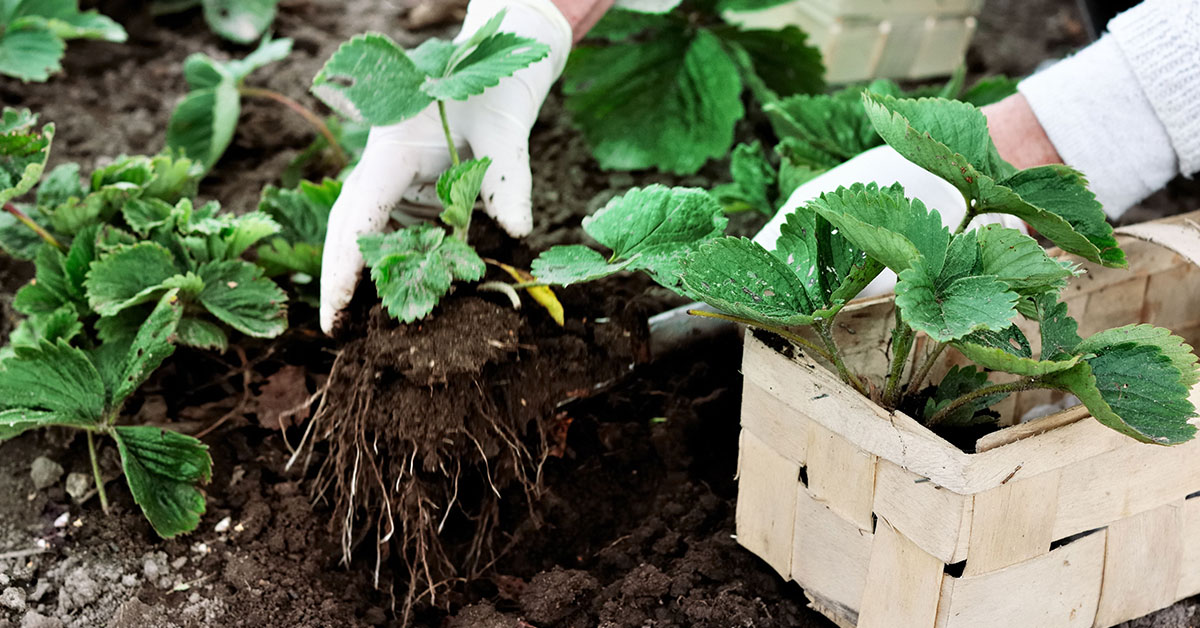
It’s best to plant Jewel strawberries in early spring or late fall. Start by digging small holes, spaced about 12-18 inches apart, to accommodate the strawberry plants. Ensure the holes are deep enough to cover the roots but leave the crown (the point where the leaves meet the roots) above the soil surface. Gently place the plants in the holes and backfill with soil, firming it around the roots. - Watering and Mulching:
Proper watering is crucial for the successful growth of Jewel strawberries. Water the plants regularly, keeping the soil consistently moist but not waterlogged. Avoid overhead watering, as this can lead to diseases. Mulching around the plants with straw or pine needles will help retain moisture, suppress weeds, and protect the fruits from coming into direct contact with the soil. - Fertilizing and Maintenance:
Jewel strawberries benefit from regular feeding. Apply a balanced organic fertilizer once a month during the growing season. Be careful not to over-fertilize, as this can lead to excessive foliage growth at the expense of fruit production. Regularly check for pests and diseases and take appropriate measures to control them. - Harvesting and Enjoying:
After patiently caring for your Jewel strawberry plants, the time will come to harvest the delicious fruits. Jewel strawberries are typically ready for picking when they turn deep red and are fully ripe. Gently twist or cut the berries from the plants, being careful not to damage the stems or crowns. Enjoy your fresh Jewel strawberries right away or use them in a variety of recipes, such as pies, jams, or smoothies.
Growing Jewel strawberries can be a delightful and fruitful experience. By following these steps and providing proper care, you’ll be rewarded with a bountiful harvest of sweet and juicy strawberries right in your own backyard.