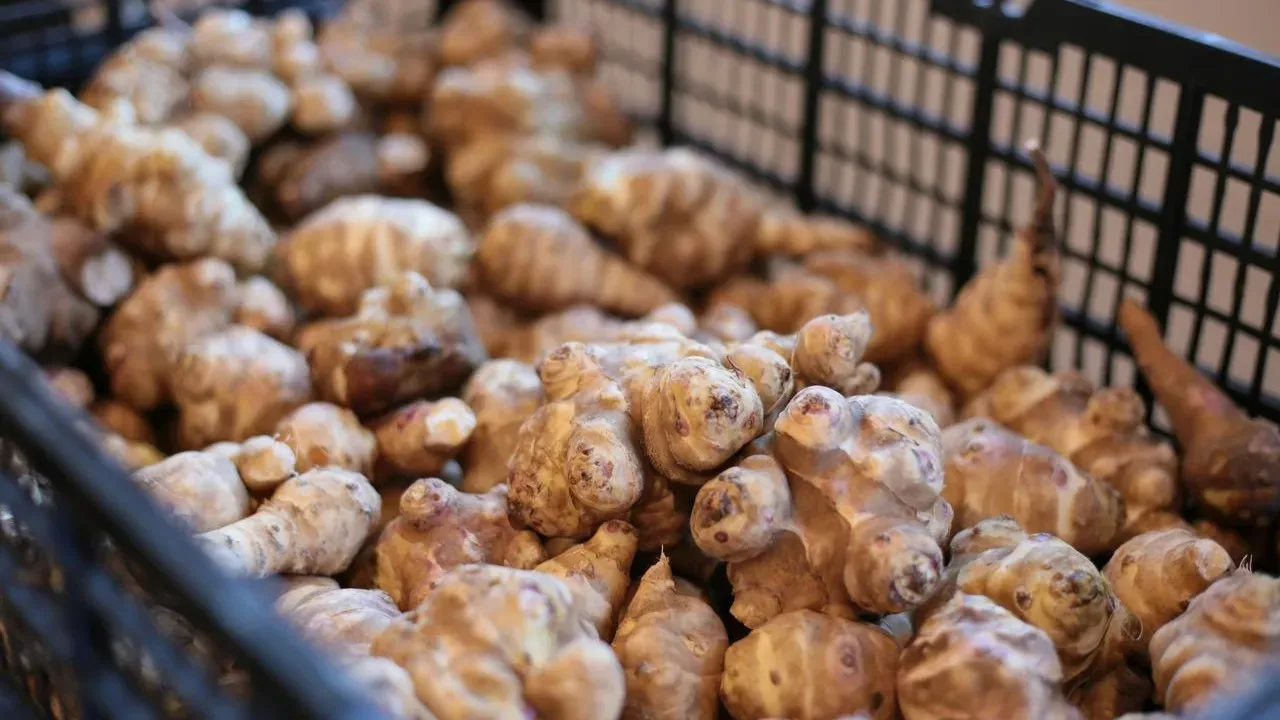

Gardeners drawn to Jerusalem artichokes for their reputation as a low-maintenance perennial often encounter unexpected digestive problems that reduce their value as a reliable food source. The plants produce cheerful yellow flowers and return each year with minimal effort, yet experienced growers report that the tubers trigger intense flatulence and deliver only average flavor. These issues surface after the first harvest, leaving many to question whether the crop justifies the space it occupies. ([1])
Early Enthusiasm Meets Reality
Preppers and home gardeners frequently plant Jerusalem artichokes because the tubers store energy underground and the plants tolerate poor soil and neglect. Initial plantings in regions such as Tennessee have produced attractive stands that survive winter freezes and yield edible roots in late fall. The promise of a self-perpetuating crop appeals to those planning for long-term food security.
After the first season, however, the practical results diverge from expectations. Tubers dug after frost provide some calories, but the overall experience prompts reevaluation of the plant’s role in a survival garden.
Digestive Side Effects Emerge
The most immediate drawback involves the tubers’ impact on digestion. Inulin, a type of fiber abundant in Jerusalem artichokes, ferments in the gut and produces significant gas for many people. One longtime grower recalled planting the crop in 1974 and described the resulting flatulence as catastrophic, noting that the taste itself was far from exceptional.
These effects can persist for hours after a meal and affect daily comfort. Gardeners who rely on the crop for regular consumption must weigh the nutritional return against the social and physical inconvenience that follows.
Yield and Storage Tradeoffs
While the plants spread readily, consistent high yields are not guaranteed across every season or soil type. Some patches produce abundantly one year and thin out the next, requiring extra management to maintain output. Storage also presents challenges because the tubers do not keep as long as potatoes or other root crops once harvested.
Nutrition profiles show decent carbohydrate content, yet the inulin content limits how much most people can eat without discomfort. This combination reduces the crop’s reliability when compared with more conventional staples that offer better digestibility and longer storage life.
Consequences for Garden Planning
Gardeners and preppers who allocate space to Jerusalem artichokes may later regret the decision when the plants become difficult to contain and the harvested food proves less versatile. The crop’s perennial habit means it can encroach on other beds if not monitored closely. Those focused on dependable calories often shift toward alternatives that avoid the digestive drawbacks and storage limitations.
Reconsidering the plant’s role allows space for crops that better match actual household needs and long-term food security goals. Many who have tested Jerusalem artichokes conclude that the initial appeal fades once the full set of practical issues becomes clear.
AI Disclaimer: This article was created with the assistance of AI tools and reviewed by a human editor.