
January King Cabbage is a versatile and highly nutritious vegetable that adds both beauty and flavor to any garden. With its stunning purple and green leaves and its ability to withstand harsh winter conditions, January King Cabbage is a gardener’s delight.
Whether you are an experienced gardener or just starting out, join us as we uncover the secrets of this incredible plant, from its origins and cultivation to its health benefits and culinary uses.
What is a January King Cabbage?
The January King cabbage, also known as Langedijk or Dutch Winter cabbage, is a popular variety of cabbage that is known for its excellent winter hardiness. It is a biennial plant that belongs to the Brassica oleracea species, which also includes other cabbage varieties like red cabbage, savoy cabbage, and Brussels sprouts. One distinctive feature of the January King cabbage is its beautiful and unique appearance.
It forms a dense, round-shaped head with dark green outer leaves that are tinged with a deep purple or red color. The inner leaves are a lighter green and have a crisp and crunchy texture. This cabbage variety is well-suited for cultivation during the winter months, hence its name. It has a strong tolerance to cold temperatures and can withstand frost and snow, making it a great choice for winter gardening.
The January King cabbage is typically sown in spring or early summer and can be harvested from late fall through winter, providing a fresh and nutritious vegetable during the colder months when other crops are scarce. In terms of taste, the January King cabbage has a mild and slightly sweet flavor, making it versatile for various culinary uses. It can be enjoyed raw in salads, coleslaws, or as a crunchy addition to sandwiches. It can also be cooked in stir-fries, soups, stews, or steamed as a side dish. The outer leaves can be used for wrapping other ingredients or for making cabbage rolls.
When growing January King cabbage, it is essential to provide it with fertile, well-draining soil and ample sunlight. Regular watering is necessary to ensure proper growth, and occasional fertilization can help promote healthy development. It is important to protect the plants from pests like cabbage worms or aphids, which can be controlled through organic methods or with the use of natural insecticides.
Overall, the January King cabbage is a highly prized variety among gardeners due to its attractive appearance, winter hardiness, and delicious taste. Its versatility in the kitchen and ability to thrive in colder temperatures make it a valuable addition to any vegetable garden.
What does January King Cabbage taste like?
A January King cabbage has a unique and delightful taste. Its flavor can be described as sweet and mild, with a slight peppery kick. The leaves are tender and crisp, providing a refreshing crunch when eaten raw. When cooked, the cabbage develops a sweeter taste and a soft, buttery texture. The flavor is subtly nutty, with hints of earthiness. Overall, the taste of a January King cabbage is well balanced and enjoyable, making it a popular choice among cabbage lovers.
How to start from seed
Starting January King cabbage from seeds is a fairly straightforward process. Here’s a step-by-step guide to help you get started:
- Selecting Seeds: Purchase high-quality January King cabbage seeds from a reputable supplier or garden center. Look for fresh and viable seeds for better germination rates.
- Timing: January King cabbage is a winter variety, so it’s best to start the seeds indoors 6-8 weeks before the last expected frost in your area. This will allow the seedlings to establish well before transplanting outdoors.
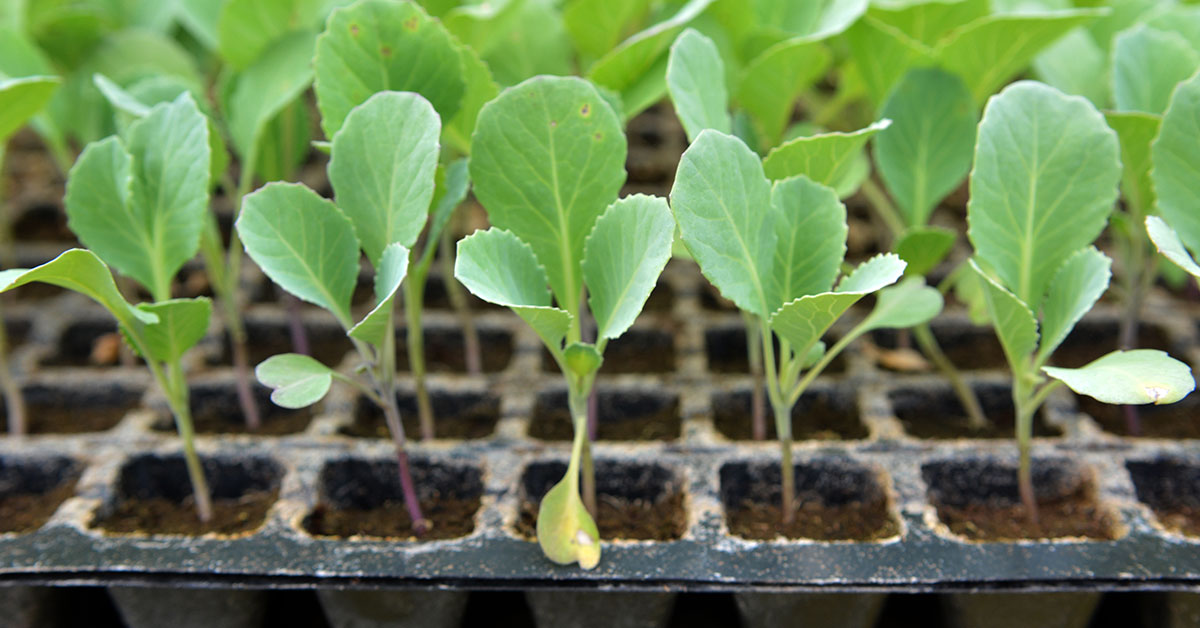
- Starting Seeds Indoors: Fill seed trays or small pots with a well-draining seed-starting mix. Moisten the soil lightly before sowing the seeds. Sow the seeds approximately ¼ inch deep and about 2 inches apart. Cover the seeds with a thin layer of soil and gently press it down.
- Providing Optimal Conditions: Place the seed trays or pots in a warm location with a temperature around 70-75°F (21-24°C). Ensure the seedlings receive adequate sunlight or provide artificial grow lights for 12-14 hours a day.
- Watering: Keep the soil consistently moist but not waterlogged. Use a spray bottle or a gentle watering can to avoid displacing the seeds or damaging delicate seedlings. Avoid overwatering, as it can lead to damping-off disease.
- Transplanting: When the seedlings have developed their first set of true leaves and are about 2-3 inches tall, they are ready for transplanting. Harden off the seedlings by gradually exposing them to outdoor conditions for a week before planting.
- Choosing a Location: Select a sunny spot in your garden with well-draining soil. Cabbages prefer fertile soil with a pH between 6.5 and 7.5. Amend the soil with compost or well-rotted manure to improve its fertility.
- Planting: Dig holes in the prepared soil, spacing them about 18-24 inches apart. Carefully remove the seedlings from their trays or pots, ensuring not to damage the roots. Place each seedling into a hole and cover the roots with soil, firming it gently around the base.
- Watering and Mulching: After planting, water the seedlings thoroughly to help them establish. Apply a layer of organic mulch around the plants to conserve moisture, suppress weeds, and regulate soil temperature.
- Care and Maintenance: Keep the cabbage plants well-watered throughout their growth. Monitor for pests like cabbage worms or aphids and take appropriate measures to control them. Regularly inspect the plants for any signs of disease or nutrient deficiencies.
- Harvesting: January King cabbage usually takes around 80-90 days to mature. The heads will be ready for harvesting when they feel firm and solid. Cut the cabbage heads at the base, leaving a few outer leaves intact to protect the inner leaves.
Remember to follow the specific instructions provided on the seed packet as different varieties may have slight variations in their growing requirements. Good luck with your January King cabbage!
Planting and growing January King Cabbage
Planting and growing a January King cabbage requires a few key steps. Here is a general guide to help you get started:
- Choose the right time: January King cabbage is a winter variety that thrives in cooler weather. It is typically planted in late spring or early summer, so it has enough time to mature before the colder months.
- Select a suitable location: Cabbages prefer a sunny spot with well-drained soil. Make sure the area gets at least six hours of sunlight each day. Prepare the soil by removing any weeds or debris and enrich it with organic matter, such as compost or aged manure, to improve fertility.
- Start seeds indoors (optional): If you want an early start, you can sow January King cabbage seeds indoors about 6-8 weeks before the last frost date in your area. Use seed trays or pots filled with seed-starting mix, and keep them in a warm location until the seedlings emerge.
- Transplant seedlings: Once the seedlings have developed a few sets of true leaves and the danger of frost has passed, transplant them outdoors. Space the seedlings around 18-24 inches apart to provide enough room for growth.
- Direct seeding (alternative): If you prefer, you can also directly sow the January King cabbage seeds in the garden. Sow the seeds about ¼ to ½ inch deep, spacing them according to the instructions on the seed packet.
- Watering: Cabbage plants need consistent moisture to grow properly. Water deeply and regularly, especially during dry spells. Aim to keep the soil evenly moist but not waterlogged, as excessive water can lead to rot or disease.
- Fertilization: Cabbages are heavy feeders and benefit from regular fertilization. Apply a balanced, slow-release fertilizer or a nitrogen-rich fertilizer every few weeks to promote healthy growth.
- Mulching: Apply a layer of organic mulch, such as straw or shredded leaves, around the cabbage plants. Mulching helps retain moisture, suppress weeds, and regulate soil temperature.
- Pest control: Keep an eye out for common cabbage pests, such as cabbage worms, slugs, or aphids. Regularly inspect the plants for any signs of damage and take appropriate measures, such as handpicking or using organic insecticides, to control infestations.
- Harvesting: January King cabbage typically takes around 90-100 days to mature. Harvest the heads when they reach a firm and solid consistency. Use a sharp knife to cut the cabbage at the base, just above the soil level.
Remember to adjust these steps according to your specific climate and the recommendations provided on the seed packet. Happy gardening!
When to harvest
The best time to harvest a January King Cabbage is typically in late autumn or early winter, around 90-110 days after planting. This variety is known for its ability to withstand cold temperatures, and it actually improves in flavor after being exposed to frost. Therefore, it’s ideal to leave the cabbage in the ground until just before a hard frost or when the outer leaves start to show signs of damage. This will ensure that the cabbage has reached its full size and flavor potential.