
As winter blankets the world in a shimmering embrace, January graces us with the enchanting beauty of its birth flowers – the Carnations and the Snowdrops. Each with its unique allure, these splendid blooms emerge to celebrate the hearts of those born in the dawn of the new year. In this article, we embark on a delightful journey to explore the timeless charm of January birth flowers, uncovering their symbolic meanings, cultural significance, and the emotions they evoke.
Join us as we delve into the elegant world of Carnations and the hopeful elegance of Snowdrops, celebrating the essence of January with these cherished floral companions, as they bring love, hope, and fresh beginnings to the heart of winter’s embrace.
What are the January birth flowers?
The January birth flowers are the Carnation (Dianthus caryophyllus) and the Snowdrop (Galanthus).
- Carnation: Carnations are beautiful and fragrant flowers available in various colors, including red, pink, white, and purple. Each color carries a different meaning. Generally, carnations symbolize love, fascination, and admiration. They are often associated with affection and deep emotional bonds.
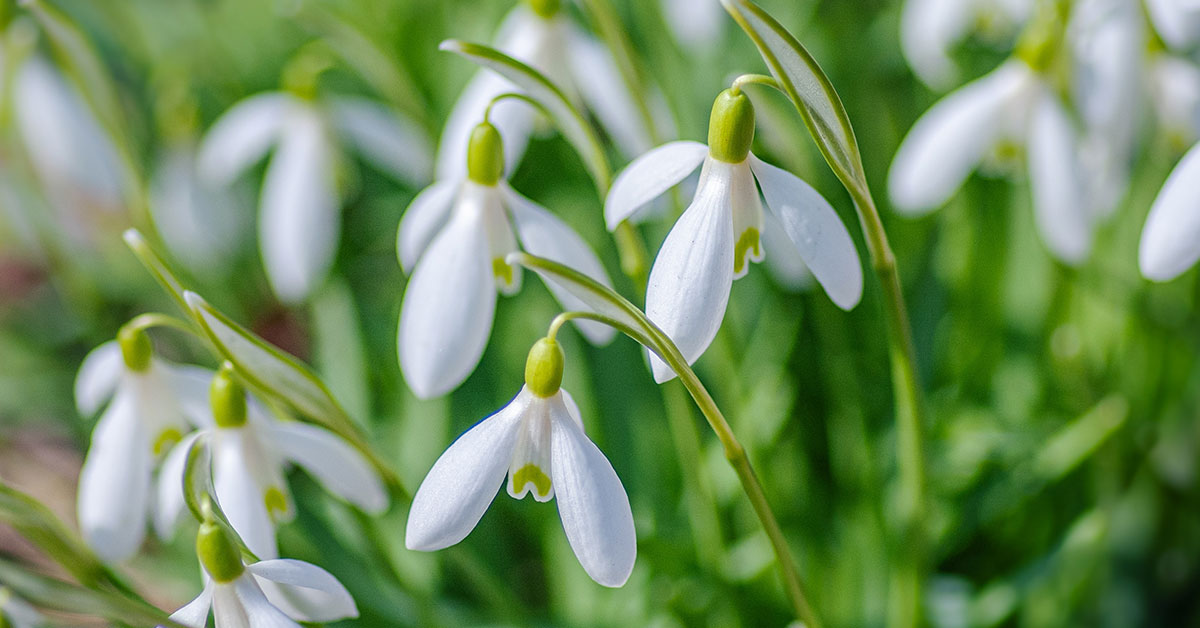
- Snowdrop: Snowdrops are delicate and charming flowers that bloom in late winter or early spring. They are known for their white drooping flowers and are often considered a symbol of hope, purity, and rebirth. Snowdrops are among the first flowers to bloom after winter, bringing a sense of renewal and optimism.
Both the Carnation and the Snowdrop carry special meaning and significance as birth flowers for January-born individuals. These blooms serve as beautiful representations of love, hope, and new beginnings, making them wonderful gifts to celebrate those born in the first month of the year.
How to grow your January birth flowers in your garden
Growing your January birth flowers, Carnations, and Snowdrops in your garden can bring a touch of elegance and hope to your outdoor space. Here are some tips on how to grow each of them:
Carnation (Dianthus caryophyllus):

- Planting Time: Carnations can be grown from seeds or cuttings. If starting from seeds, sow them indoors 8-10 weeks before the last frost date. Transplant the seedlings outdoors after the danger of frost has passed.
- Soil: Carnations prefer well-draining soil with good fertility. They thrive in soil with a slightly alkaline to neutral pH.
- Location: Plant Carnations in a location that receives full sun for most of the day. They require at least 6 hours of direct sunlight daily for best blooming.
- Spacing: Space Carnation plants about 12 to 18 inches apart to allow proper air circulation.
- Watering: Keep the soil evenly moist but not waterlogged. Avoid overhead watering, as wet foliage can lead to fungal issues.
- Mulching: Apply a layer of organic mulch around Carnation plants to help retain moisture, suppress weeds, and keep the soil cool.
- Fertilizing: Carnations benefit from regular feeding with a balanced fertilizer during the growing season. Follow the package instructions for application.
- Deadheading: Regularly remove faded flowers to encourage more blooming and maintain a tidy appearance.
Snowdrop (Galanthus):
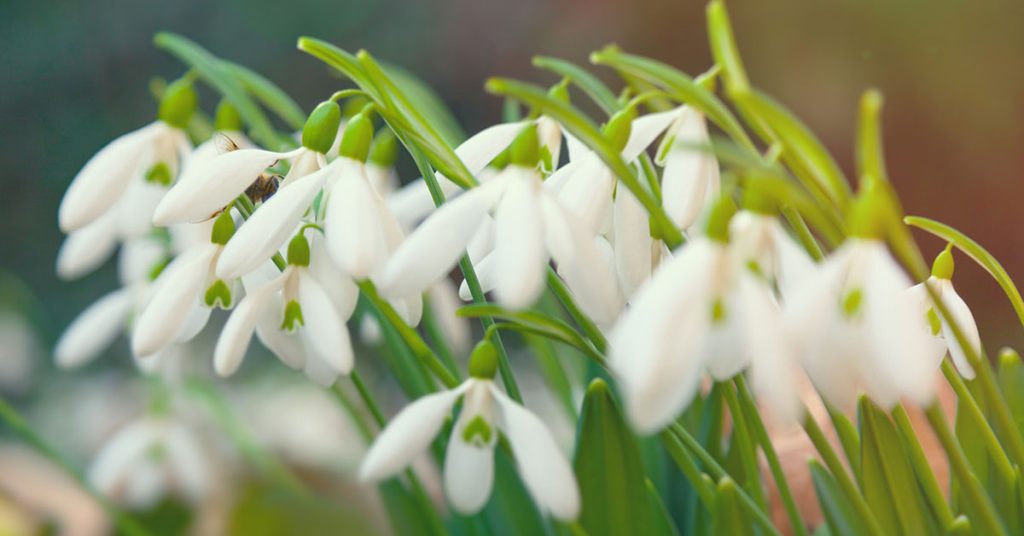
- Planting Time: Snowdrop bulbs should be planted in the fall, ideally in late September to October, before the ground freezes.
- Soil: Snowdrops prefer well-draining soil with good moisture retention. They can tolerate slightly acidic to slightly alkaline soil.
- Location: Plant Snowdrops in a location that receives partial to full shade. They thrive under deciduous trees or in woodland gardens.
- Planting Depth: Plant Snowdrop bulbs about 2 to 3 inches deep, with the pointed end facing upwards.
- Watering: Keep the soil consistently moist during the growing season. Snowdrops prefer moist conditions but can tolerate some dryness once established.
- Mulching: Apply a thin layer of mulch around Snowdrop bulbs to help retain moisture and protect them from extreme temperature fluctuations.
- Naturalizing: Snowdrops can be left undisturbed to naturalize and multiply over time, creating a beautiful carpet of blooms.
Both Carnations and Snowdrops are relatively easy to grow and can thrive with proper care and attention. By following these guidelines, you can enjoy the beauty and symbolism of your January birth flowers in your garden, welcoming hope, and admiration with each bloom.
What is the symbolism behind January’s birth flowers?
As with all flowers, the symbolic meanings of Carnations and Snowdrops may vary across cultures and historical contexts. However, their shared associations with love, hope, and new beginnings make them meaningful and cherished birth flowers for January-born individuals.
Carnation:
- Love and Admiration: Carnations, in general, are symbols of love and admiration. They are often associated with deep emotional bonds and affectionate feelings towards someone.
- Fascination and Charm: The word “carnation” is believed to have originated from the Latin word “corone,” meaning flower garland or crown. Carnations’ association with crowns and garlands signifies fascination and charm, making them popular choices for decorative purposes.
- New Year’s Blessings: As January is the first month of the year, Carnations are often seen as flowers of new beginnings and fresh starts. They are given as gifts to wish prosperity, good luck, and happiness for the year ahead.
- Symbol of Mother’s Love: In some cultures, Carnations are associated with motherly love, and they are often given as gifts on Mother’s Day or used in bouquets for new mothers.
Snowdrop:
- Hope and Rebirth: Snowdrops bloom in late winter or early spring, often pushing through the snow, symbolizing hope and rebirth. Their appearance after a long winter signifies the arrival of warmer days and the renewal of life.
- Purity and Innocence: Snowdrops’ white color is associated with purity and innocence, making them a symbol of simplicity and sincerity.
- Resilience and Perseverance: Snowdrops are among the first flowers to bloom after the harsh winter, showing resilience and perseverance in adverse conditions. They remind us of the beauty that can emerge from challenging circumstances.
- Faith and Optimism: Snowdrops’ early bloom serves as a reminder of faith and optimism, even in the darkest and coldest days. They bring a sense of optimism and anticipation for the brighter days to come.
Whether exchanged as gifts or enjoyed in gardens and floral arrangements, Carnations and Snowdrops offer their delightful symbolism and beauty to the start of the new year.