
Oklahoma – Janelle has developed a suburban garden that maintains its vibrancy through intense summer conditions by relying on a deliberate mix of annual flowers, native perennials, and productive vegetables. This combination supports local wildlife while delivering ongoing color and harvests in a residential setting. The result demonstrates how thoughtful plant selection can address the practical demands of hot-climate gardening without requiring constant intervention.
Native Perennials Form the Resilient Backbone
Native perennials provide the structural stability that allows the garden to endure prolonged heat. These plants, adapted to regional conditions, establish deep root systems that reduce the need for supplemental watering once established. Their presence creates a consistent framework that annuals and vegetables can complement without competing for resources.
Over multiple seasons, the perennials contribute to soil health by adding organic matter as they cycle through growth and dormancy. This long-term contribution supports the overall productivity of the space. Gardeners facing similar climates often note that starting with regionally suited perennials reduces long-term maintenance compared with non-adapted species.
Annual Flowers Deliver Seasonal Color and Flexibility
Annual flowers fill gaps in the display and allow adjustments from year to year based on performance. They provide bursts of color that complement the more permanent perennials while attracting pollinators during peak bloom periods. Their shorter life cycle means they can be replaced if conditions shift unexpectedly.
By integrating annuals strategically, the garden avoids the monotony that can occur in purely perennial plantings. This approach keeps visual interest high throughout the growing season. The flexibility also lets the gardener respond to any localized challenges without overhauling the entire design.
Vegetables Add Productivity Alongside Ornamentals
Productive vegetables integrate directly into the ornamental beds rather than occupying separate plots. This mixed planting maximizes space in a suburban yard while yielding edible returns. The vegetables benefit from the same heat-tolerant conditions that sustain the flowers and perennials.
The presence of vegetables encourages regular garden visits, which in turn supports timely care and observation. Their foliage and structure add another layer of texture to the overall composition. This dual-purpose strategy turns the garden into both a visual feature and a functional food source.
Wildlife Benefits Emerge from the Combined Plantings
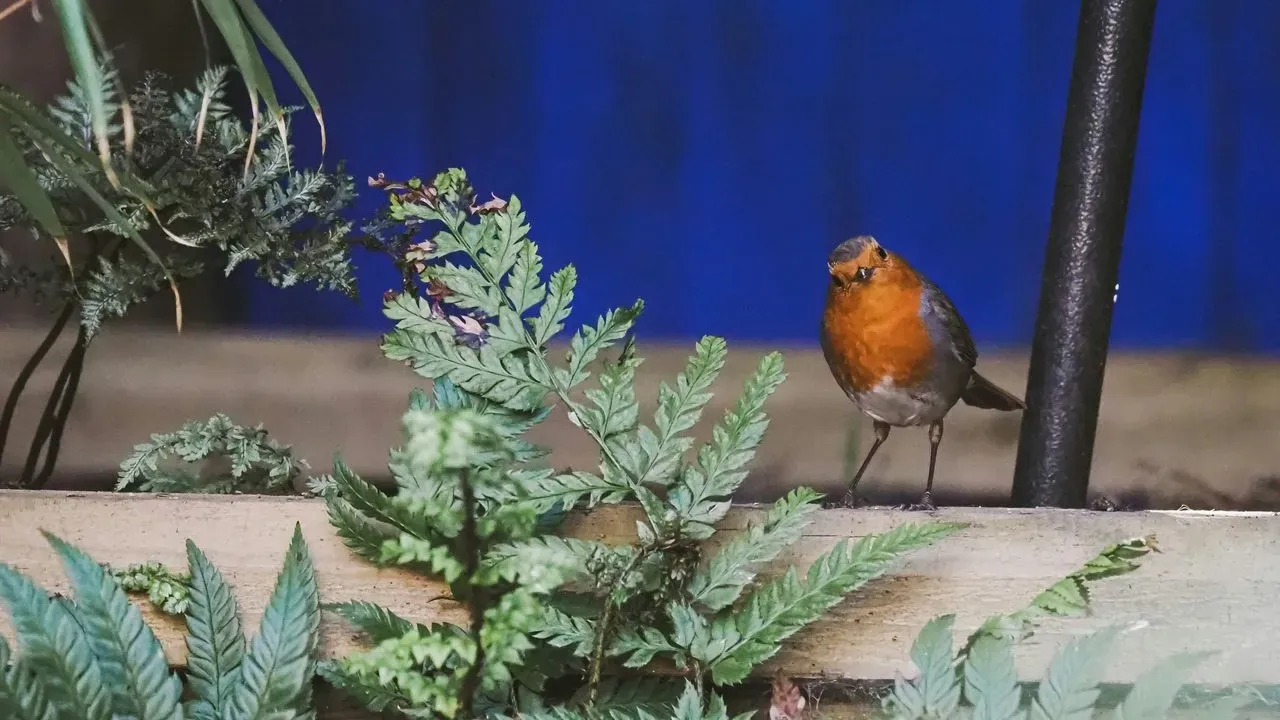
The layered planting of annuals, perennials, and vegetables creates habitat opportunities that a single-type garden rarely matches. Pollinators find continuous nectar sources, while birds and beneficial insects gain shelter and food throughout the season. The suburban location does not prevent these interactions when the right plants are present.
Wildlife-friendly design in this context relies on diversity rather than isolation. The garden functions as a small corridor that connects with nearby green spaces. Over time, this approach can contribute to broader local biodiversity without demanding large acreage.
Practical Outcomes for Similar Settings
The garden illustrates how a limited set of plant categories can address multiple goals at once. Heat tolerance, color, productivity, and wildlife support coexist without requiring extensive additional infrastructure. This model offers a realistic reference for other homeowners dealing with comparable summer conditions.
Success depends on matching plant choices to the specific regional climate rather than following generic recommendations. The results show measurable improvements in garden resilience and enjoyment over successive years. Such examples continue to inform residential landscaping decisions in heat-prone areas.
AI Disclaimer: This article was created with the assistance of AI tools and reviewed by a human editor.