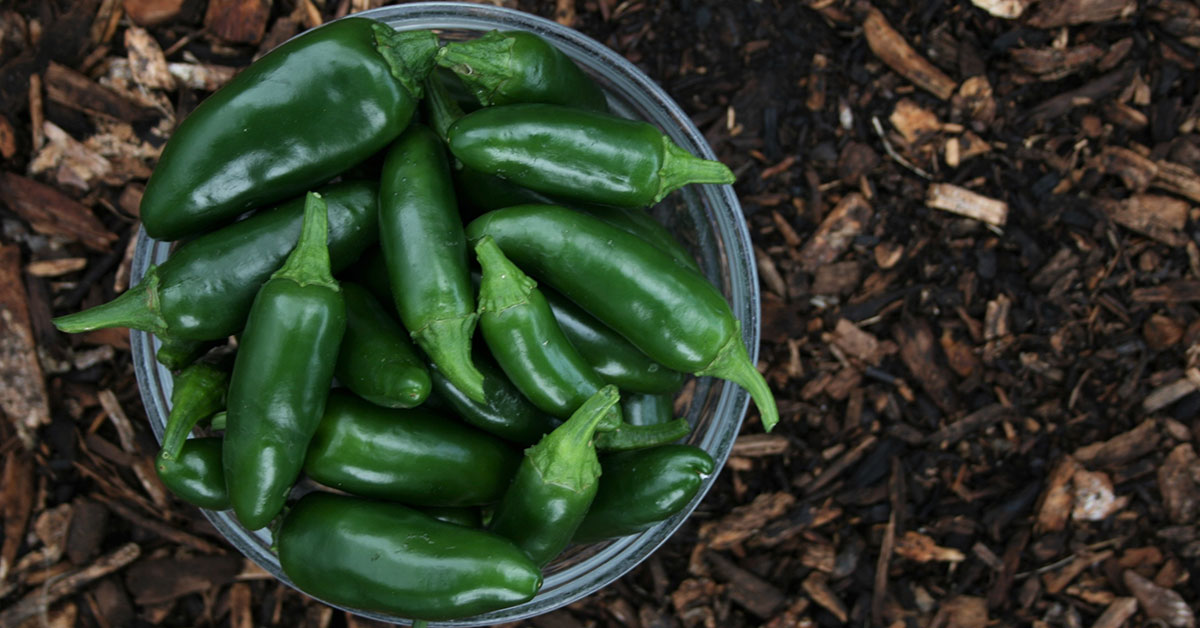

Are you ready to spice up your gardening endeavors? Look no further the humble jalapeno pepper! Known for their fiery heat and distinctive flavor, jalapenos are a popular choice for chili enthusiasts and lovers of zesty cuisine.
Whether you enjoy adding a kick to your salsas, pickling them for a tangy bite, or simply savoring their heat in various dishes, growing jalapeno peppers in your own garden can be a rewarding and flavorful experience. In this article, we’ll dive into the world of jalapeno pepper cultivation, providing you with essential tips and techniques to successfully grow these fiery favorites.
Get ready to embark on a journey of cultivating vibrant plants, harvesting fiery delights, and elevating your culinary adventures to new levels of spiciness!
What is a jalapeno pepper?
A jalapeno pepper is a type of chili pepper that is known for its medium to hot level of spiciness. It belongs to the Capsicum annuum species and is named after the city of Jalapa, which is located in the state of Veracruz, Mexico. Jalapenos are widely used in Mexican, Tex-Mex, and Southwestern cuisines, adding a distinctive heat and flavor to dishes.
Jalapeno peppers have a tapered, cylindrical shape and are typically harvested when they are green. However, they can turn red as they ripen. Jalapenos are usually consumed while they are still green, as they are at their spiciest during this stage. The heat level can vary from mild to moderately hot, depending on the individual pepper and factors such as growing conditions and ripeness.
While jalapeno peppers are now grown and enjoyed worldwide, they are native to Mexico and have been a staple in Mexican cuisine for centuries. They are an integral part of traditional dishes such as salsas, guacamole, nachos, and various other spicy preparations. Today, jalapenos are cultivated in many regions across the globe, with Mexico, the United States, and China being the largest producers. Their popularity continues to grow, as more and more people embrace the bold and fiery flavors they bring to the table.
What do Jalapeno peppers taste like?
Jalapeno peppers are known for their distinct flavor profile that combines heat with a hint of fruitiness and earthiness. Here’s a description of the taste of jalapeno peppers:
Heat: Jalapenos are considered moderately hot on the Scoville scale, which measures the spiciness of peppers. The heat level can vary, but generally, jalapenos provide a noticeable kick without being overwhelmingly fiery. The heat is typically concentrated in the seeds and the inner membranes of the pepper.
Fruitiness: Jalapenos have a subtle fruity taste that adds depth to their flavor. It is often described as slightly sweet or tangy, with hints of green bell pepper or a mild grassy note. This fruitiness helps balance the heat and adds complexity to the overall taste.
Earthy undertones: Jalapenos also possess earthy undertones, similar to other chili peppers. This earthiness contributes to the overall flavor profile and provides a grounding element.
Crispness: When eaten raw, jalapeno peppers have a crisp texture that adds a refreshing element to their taste. This crunchiness is often appreciated in salads, salsas, or as a topping in various dishes.
Overall, jalapeno peppers offer a unique combination of heat, fruitiness, and earthiness that adds a distinctive flavor to dishes. Their versatility allows them to be used in a wide range of cuisines, adding both spiciness and depth to salsas, sauces, dips, and more.
How tall do Jalapeno peppers grow?
Jalapeno pepper plants typically reach a height of 2 to 3 feet (60 to 90 centimeters), although the exact height can vary depending on the growing conditions, variety, and care provided. Some jalapeno cultivars may grow slightly taller, while others may be more compact in size.
Jalapeno plants have a bushy growth habit with multiple branches that develop from the main stem. They can spread out and occupy a space similar to their height, forming a rounded shape. Proper spacing between plants is important to allow for adequate airflow and prevent overcrowding.
Pruning techniques, such as removing suckers or pinching off the tips of the main stem, can help promote bushier growth and limit the overall height of the plants. Supporting the plants with stakes or cages can also help prevent branches from bending or breaking under the weight of the peppers.
While the height of jalapeno pepper plants is just one aspect of their growth, providing optimal growing conditions, regular watering, and appropriate care can contribute to healthy plants and a bountiful harvest of spicy jalapeno peppers.
How to start Jalapeno Pepper seeds
Growing jalapeno peppers from seed is a rewarding and relatively straightforward process. Here’s a brief overview of how to get started:
- Start indoors: Begin by planting jalapeno pepper seeds indoors, as they require warm temperatures for germination. Use seed trays or small pots filled with seed-starting mix.
- Sow the seeds: Plant the jalapeno seeds about ¼ to ½ inch deep in the soil. Place one or two seeds in each pot or cell, as not all seeds may germinate.
- Provide optimal conditions: Jalapeno seeds require warmth and moisture to germinate successfully. Keep the soil consistently moist but not waterlogged. Place the trays or pots in a warm location, ideally around 75-85°F (24-29°C).
- Ensure good lighting: Once the seeds have sprouted, provide them with bright light. Place them near a sunny window or use artificial grow lights to provide 12-16 hours of light per day.
- Transplant seedlings: When the jalapeno seedlings have developed their second set of true leaves and all risk of frost has passed, transplant them into larger pots or containers filled with well-draining soil. Space the plants about 12-18 inches apart.
- Harden off and transplant outdoors: Before transplanting the seedlings outdoors, gradually expose them to outdoor conditions over a period of 7-10 days. Start with a few hours of outdoor exposure, gradually increasing the duration each day. Choose a sunny location with fertile, well-draining soil for transplanting.
By following these steps and providing proper care and attention, you can enjoy a successful jalapeno pepper harvest and add a spicy kick to your culinary creations.
How to care for Jalapeno pepper plants
Caring for jalapeno plants is essential to ensure healthy growth and a bountiful harvest of spicy peppers. Here’s a brief overview of how to care for jalapeno plants:
- Sunlight: Jalapeno plants thrive in full sunlight. Choose a location in your garden that receives at least 6-8 hours of direct sunlight each day.
- Watering: Jalapenos require regular watering to keep the soil evenly moist. Water deeply whenever the top inch of soil feels dry, but avoid overwatering, as it can lead to root rot. Mulching around the plants can help retain moisture and regulate soil temperature.
- Fertilization: Feed your jalapeno plants with a balanced fertilizer every 4-6 weeks during the growing season. Alternatively, you can amend the soil with well-rotted compost or organic matter before planting to provide nutrients.
- Support: As jalapeno plants grow, they may become top-heavy with the weight of the peppers. Provide support by staking or caging the plants to prevent branches from bending or breaking.
- Pruning: Although not necessary, pruning jalapeno plants can help improve airflow and increase fruit production. Pinch off any suckers or side shoots that grow in the leaf axils to direct the plant’s energy toward fruit production.
- Pest and disease management: Monitor your jalapeno plants for pests such as aphids, caterpillars, or fungal diseases. Inspect the leaves regularly and take prompt action if you notice any signs of infestation or disease. Organic pest control methods like insecticidal soaps or neem oil can be used if necessary.
By providing proper care, including sunlight, regular watering, appropriate fertilization, and addressing any pest or disease issues, you can ensure the health and productivity of your jalapeno plants. With patience and attention, you’ll soon be rewarded with a plentiful supply of spicy peppers to enjoy in your favorite recipes.
When and how to harvest
Knowing the right time to harvest jalapeno peppers and the proper technique for harvesting is crucial to ensure optimal flavor and quality. Here’s a guide on when and how to harvest jalapeno peppers:
- Timing: Jalapeno peppers can be harvested at various stages of maturity, depending on personal preference. They can be harvested when they are still green, which is the most common stage for jalapenos. However, if you prefer a milder flavor, you can harvest them earlier when they are still small and green.
- Size and color: Look for jalapeno peppers that have reached a size of around 2-3 inches (5-7.5 centimeters) in length. The peppers should have a glossy appearance and be firm to the touch. Green jalapenos are the most commonly harvested, but if you prefer a sweeter and milder flavor, you can wait until they turn red. Red jalapenos are fully ripe and have a different flavor profile compared to the green ones.
- Harvesting technique: When it’s time to harvest, use sharp garden shears or a knife to cut the jalapeno peppers from the plant. Leave a short stem attached to the pepper, as this can help prolong their shelf life. Avoid pulling or twisting the peppers off the plant, as this can damage the plant and may lead to uneven ripening.
- Continual harvest: Jalapeno plants are prolific, and the more you harvest, the more peppers they will produce. Continually harvest ripe peppers as they reach the desired size and color. Regular harvesting also encourages the plant to continue producing new peppers throughout the growing season.
- Handling and storage: Handle the harvested jalapeno peppers with care to avoid bruising or damaging them. If you don’t plan to use them immediately, store the peppers in a cool, dry place or in the refrigerator to maintain their freshness. They can be stored for up to one to two weeks, depending on their ripeness at harvest.
By harvesting jalapeno peppers at the right stage of maturity and using proper techniques, you can enjoy flavorful and spicy peppers in your culinary creations.