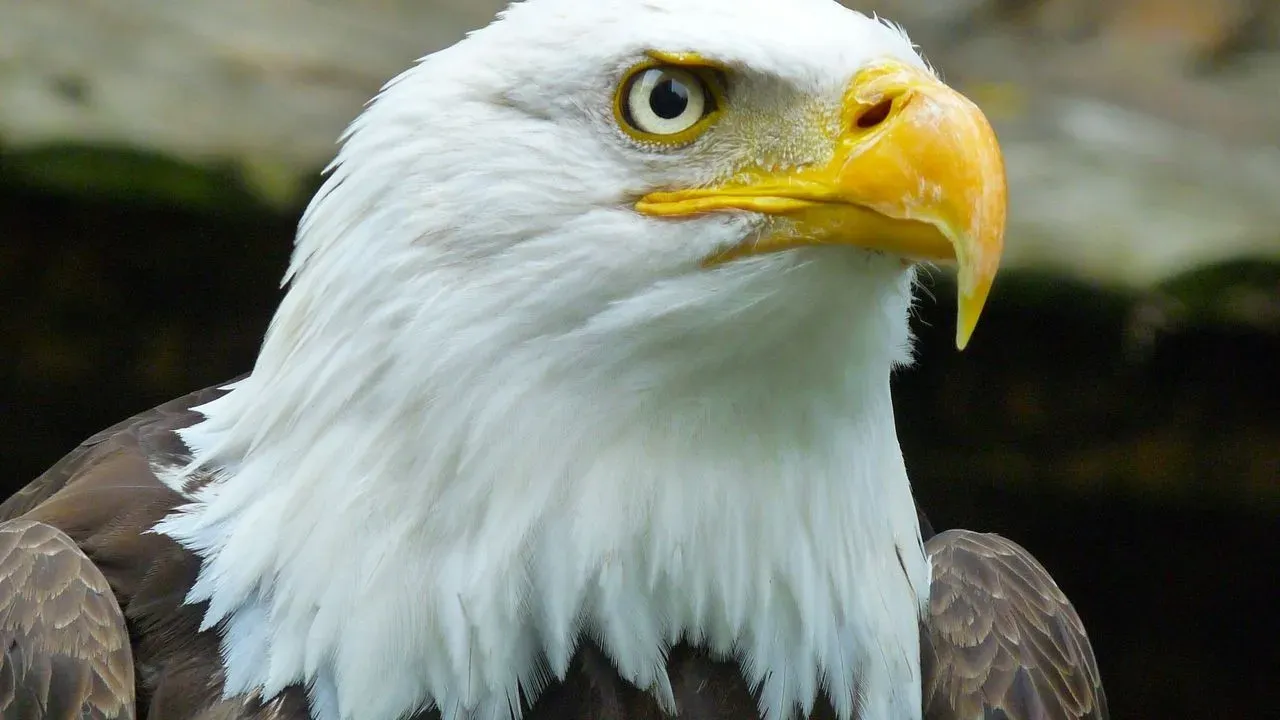

Southern California classrooms are confronting the loss of a well-known bald eagle in ways that extend far beyond headlines. Jackie, whose nest at Big Bear Lake drew millions of livestream viewers, died on August 10 after weeks of care at the Ojai Raptor Center. Her story now serves as a direct teaching tool for students learning about wildlife cycles, resilience, and mourning.
Timeline of Events Shapes Student Understanding
Jackie and her mate Shadow occupied the Big Bear nest for years, with cameras capturing egg-laying, hatching, and daily survival challenges. In mid-July she sustained injuries during a confrontation with two younger eagles and was transferred for treatment. Veterinarians later identified severe anemia that had likely developed earlier. Intensive efforts over more than three weeks could not reverse her condition. Teachers report using these documented stages to illustrate real timelines in nature.
Students track how an apparently healthy adult bird can decline quickly, prompting discussions on hidden illnesses and environmental pressures. The sequence from injury through rehabilitation to outcome provides a concrete case study rather than abstract concepts.
Local Schools Already Engaged With the Eagles
Elementary students in several California districts had previously organized fundraisers to support habitat protection near the nest site. Their efforts contributed to the purchase of 63 acres now managed by Friends of Big Bear Valley. That earlier involvement made Jackie’s death feel personal rather than distant.
Educators note that children who followed the nest cam or participated in naming contests for past chicks now process the news alongside adults. One program highlighted how failed hatches in prior seasons required conversations about nature’s unpredictability. The same approach applies to the current loss, helping students recognize that wildlife stories include both successes and setbacks.
Practical Outcomes for Classrooms and Conservation
The episode supplies several clear teaching points that align with existing science and social-emotional curricula:
– Recognition that bald eagles face threats from injury, disease, and habitat competition even in protected areas.
– Practice in expressing grief while maintaining respect for the animal’s role in the ecosystem.
– Connection between individual animal stories and larger land-preservation campaigns.
– Observation of how nonprofits and volunteers respond to wildlife emergencies in real time.
These elements allow lessons to move from observation to action without requiring new materials. Schools already monitoring the nest cam can extend viewing into structured reflection periods.
Broader Reach Beyond the Nest
Jackie’s visibility through the livestream created a shared reference point across age groups. Younger viewers who once watched chicks fledge now encounter mortality as part of the same ongoing narrative. Conservation groups report increased inquiries from classrooms seeking ways to support raptor rehabilitation or local habitat projects.
The nonprofit that operated the cameras has encouraged supporters to extend kindness toward one another during this period. That guidance mirrors the approach many teachers are taking with students: acknowledge the sadness, then channel attention toward continued observation of the remaining eagle and the protected land. The death of a single well-documented bird has therefore produced measurable educational ripples. Students gain direct exposure to ecological realities and emotional responses that textbooks alone cannot convey.
AI Disclaimer: This article was created with the assistance of AI tools and reviewed by a human editor.