

Summer’s heat is in full swing, but that doesn’t mean your garden has to settle for wilting foliage and spent blooms. With a few smart selections, you can still sow or transplant sixteen-week wonders that will bloom well into autumn’s first chill. These flowers, many native to warm regions around the globe, thrive when planted in midsummer—rewarding you with continuous color, buzzing pollinators, and even nesting spots for beneficial insects.
I know how frustrating it is to glance at empty beds and feel summer slipping away! Whether you’re contending with scorching afternoon sun or tight deadlines, these 14 late-season favorites are forgiving, fast-growing, and often drought-tolerant. From sunflower-like giants to compact container charms, let’s dive into the lineup that’ll keep your garden vibrant through endless summer days!
Marigolds
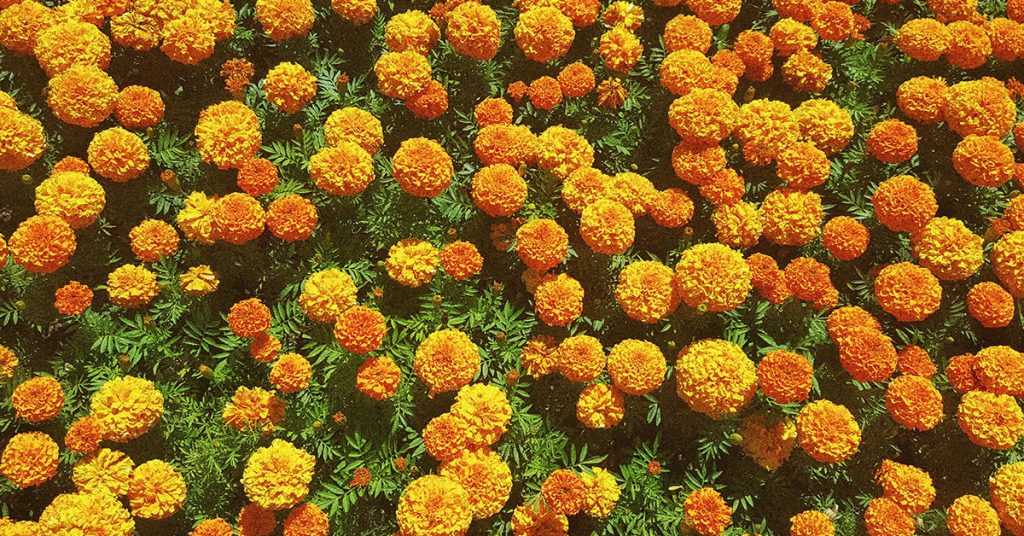
Native to Mexico and Central America, marigolds (Tagetes spp.) are anything but invasive—but they do self-seed enthusiastically if you let spent blooms dry on the plant. Their bright, pom-pom flowers attract hoverflies, parasitic wasps, and ladybugs, which in turn prey on aphids and caterpillars.
Plant seeds or transplants in full sun and well-drained soil; they’ll tolerate heat and dry spells, blooming richly within four to six weeks. I love tucking pots of French marigolds around vegetable beds for a pop of orange and a natural pest-control boost!
Cosmos
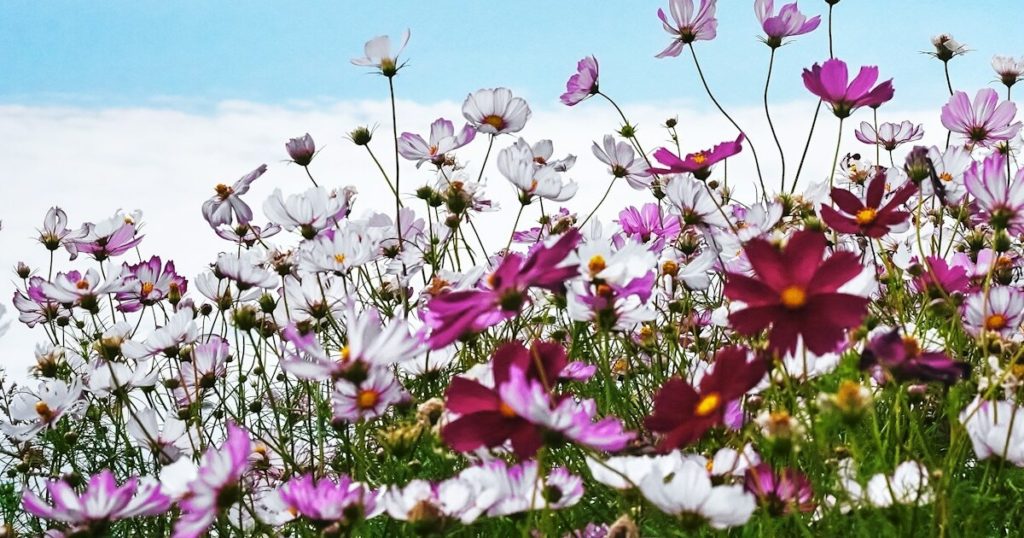
Hailing from Mexico, cosmos (Cosmos bipinnatus) form airy mounds of fern-like foliage crowned by daisy-like blooms in white, pink, and crimson. Not invasive, they’ll reseed sparingly if you deadhead selectively. Their nectar-rich flowers are magnets for bees, butterflies, and even hummingbird moths, which sometimes nest in loose soil beneath the foliage.
Direct-sow in sunny spots or start indoors 4–6 weeks before planting out. In just a month, you’ll see bud set—and then a cavalcade of blossoms that continue until frost, rewarding you with minimal fuss!
Zinnias
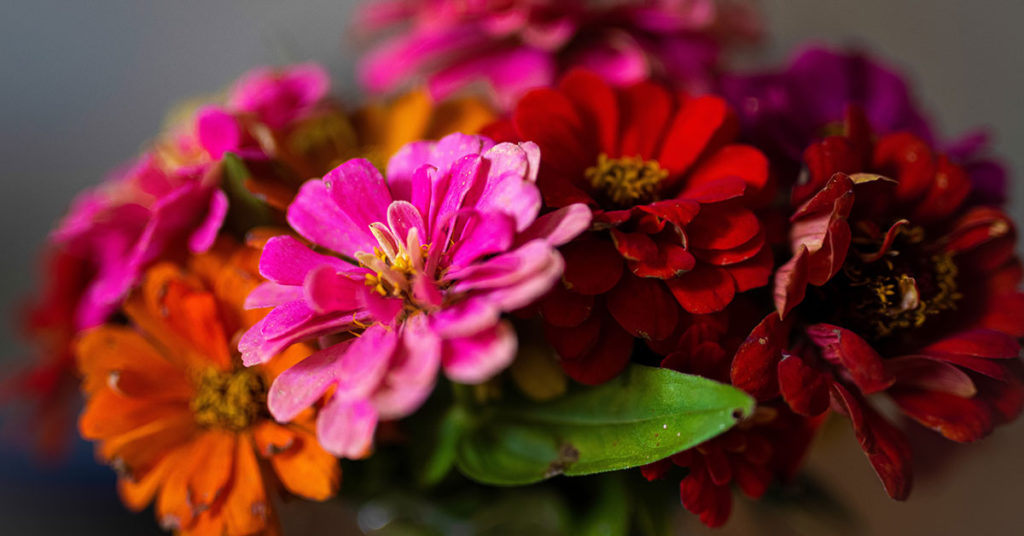
Native to Mexico, zinnias (Zinnia elegans) aren’t invasive yet happily self-sow if you allow a few flowers to go to seed. Their bold, layered petals draw pollinators like bumblebees and syrphid flies, which sometimes nest in ground-level crevices around their stems.
These heat-lovers germinate in just 5–7 days and bloom in 6–8 weeks when sown now. Whether towering or dwarf varieties, zinnias fill beds and containers with vibrant reds, pinks, oranges, and whites through endless summer days.
Portulaca
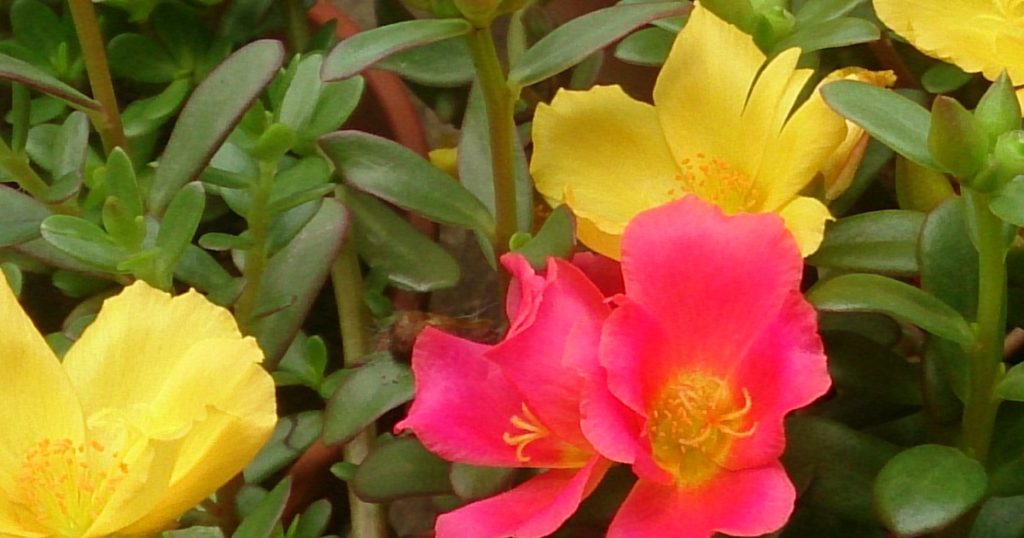
Also known as moss rose, portulaca (Portulaca grandiflora) hails from South America without becoming invasive in garden beds. Its succulent foliage stores water, making it perfect for heat and drought. Tiny blooms in rainbow hues open each morning, attracting solitary bees that often nest in bare patches nearby.
Scatter seeds on the soil surface or tuck transplants into containers. In just a few weeks, you’ll enjoy carpets of color that require virtually no care beyond sunshine!
Nasturtium

Native to South America, nasturtiums (Tropaeolum majus) aren’t invasive but can trail cheerfully if given the chance. Their edible flowers and leaves release peppery aromas when brushed, enticing hoverflies and predatory wasps to nest among their tendrils.
Direct-sow in poor to average soil—rich soil encourages foliage over blooms—and water sparingly. Within 6–8 weeks, you’ll have a cascade of vibrant reds, oranges, and golds perfect for salads and ornamental borders!
Sunflowers (Dwarf Varieties)
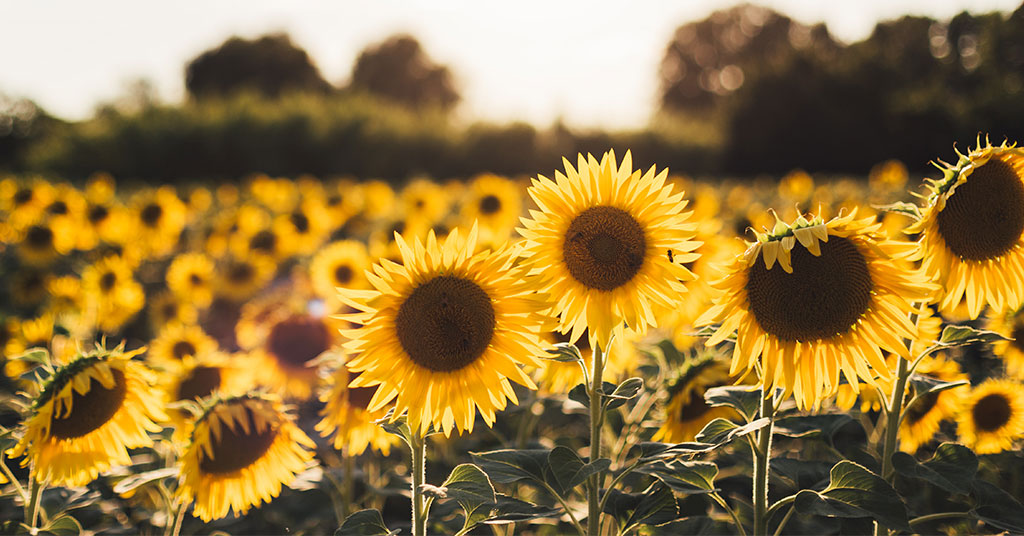
Sunflowers (Helianthus annuus) originated in North America and, while they can self-seed, dwarf types stay neat and noninvasive. Their large, pollen-rich heads draw honeybees, bumblebees, and native solitary bees that sometimes hollow out stems for nesting.
Plant seeds directly in full sun now, and within two months you’ll have cheerful blooms up to three feet tall, even in midsummer heat. Staking early gives you sturdy blooms that last until autumn’s first frost.
Celosia

Celosia (Celosia cristata), native to tropical Africa, isn’t invasive in temperate gardens and offers flame-like flower spikes in red, orange, and gold. Nectar-rich plumes attract hummingbird moths and butterflies, which sometimes lay eggs on the foliage, leading to fascinating caterpillar stages.
Sow seeds indoors now or direct-sow in moist, well-drained soil; expect blooms in 8–10 weeks. Their heat tolerance and long vase life make them a favorite for both beds and bouquets!
Petunias
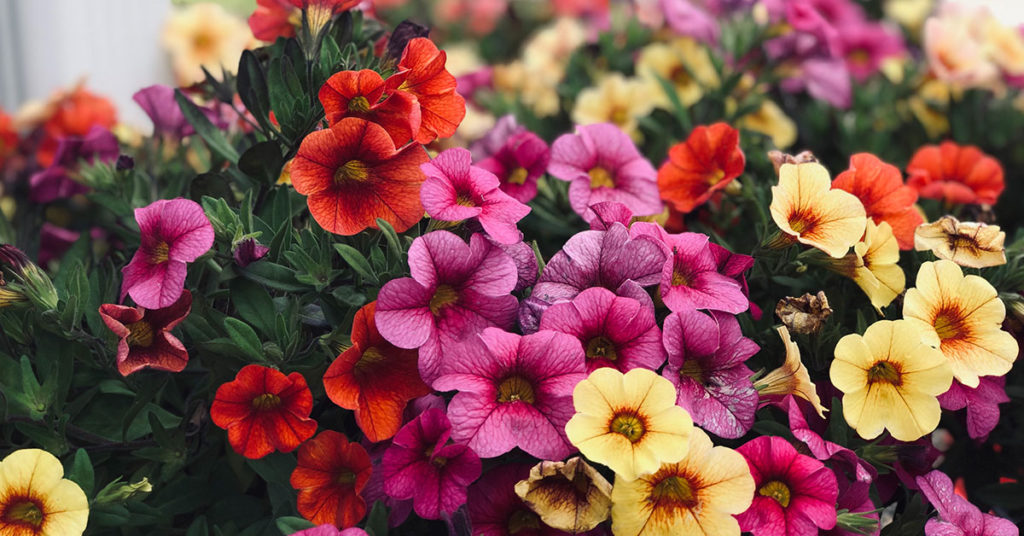
Petunias (Petunia × atkinsiana), hybrids rooted in South America, stay well-behaved in flowerbeds. Their trumpet-shaped blooms open wide to welcome hummingbirds, hawk moths, and bees, some of which nest in nearby cavities or dense foliage.
Transplants planted now will rebloom in 3–4 weeks, especially if you deadhead spent flowers. They flourish in containers, hanging baskets, or mass plantings—just keep them in sunny spots and feed lightly.
Gomphrena (Globe Amaranth)
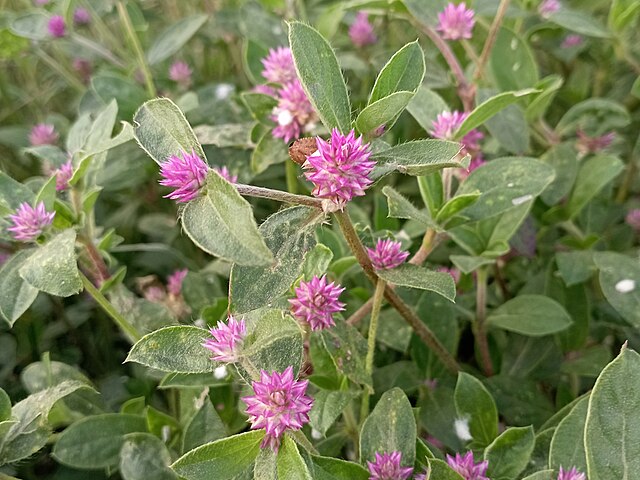
Native to Central America, gomphrena (Gomphrena globosa) doesn’t spread invasively and forms compact clumps of papery, globe-shaped flowers. Bees and butterflies love landing on these ball-like blooms, and small parasitic wasps sometimes nest in the surrounding mulch.
Seeds direct-sown now sprout in 10–14 days, with blooms following in 8–10 weeks. Their drought tolerance and long-lasting cut-flower quality make them summer stars!
Vinca (Periwinkle)
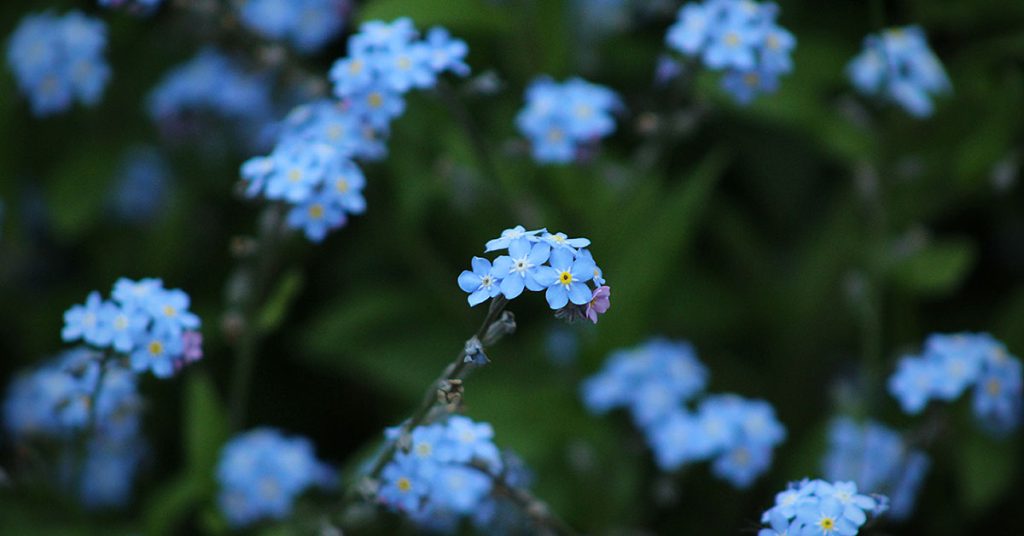
Vinca (Catharanthus roseus), native to Madagascar but not invasive when grown in temperate climates, produces glossy green foliage and five-petaled blooms in pink, white, and red. Butterflies and bees sip nectar from its centers, while ground-nesting bees sometimes take up residence beneath the canopy.
Transplants placed now in full sun or light shade will bloom within four weeks and continue nonstop until frost, shrugging off heat and humidity with aplomb.
Strawflower (Helichrysum)

Strawflowers (Xerochrysum bracteatum), native to Australia, are not invasive and bring papery blooms in yellow, orange, pink, and white. Their daisy-like flowers attract solitary bees and hoverflies, which may nest in the gravelly soil they prefer.
Seedlings transplanted now bloom in 8–10 weeks. Drought-tolerant and perfect for dried arrangements, they ensure color long after live blooms fade.
Calendula

Calendula (Calendula officinalis), native to Southern Europe but noninvasive in gardens, bursts into golden daisy-like flowers that draw bees, ladybugs, and lacewings—some of which nest in the dropped leaves and petals.
Direct-sow or transplant now; expect blooms in 6–8 weeks. Beyond beauty, calendula petals repel certain pests and make soothing herbal teas or salves.
Mexican Sunflower (Tithonia)

Mexican sunflower (Tithonia rotundifolia), native to Mexico and Central America, can self-seed but isn’t considered aggressively invasive. Its fiery orange blooms are nectar powerhouses, luring hummingbirds, butterflies, and bees that often nest in nearby brush piles.
Sow seeds directly in full sun; they’ll germinate in a week and bloom in about two months. They grow quickly into dramatic, two- to four-foot plants that keep your late-season garden ablaze!
Sweet Alyssum
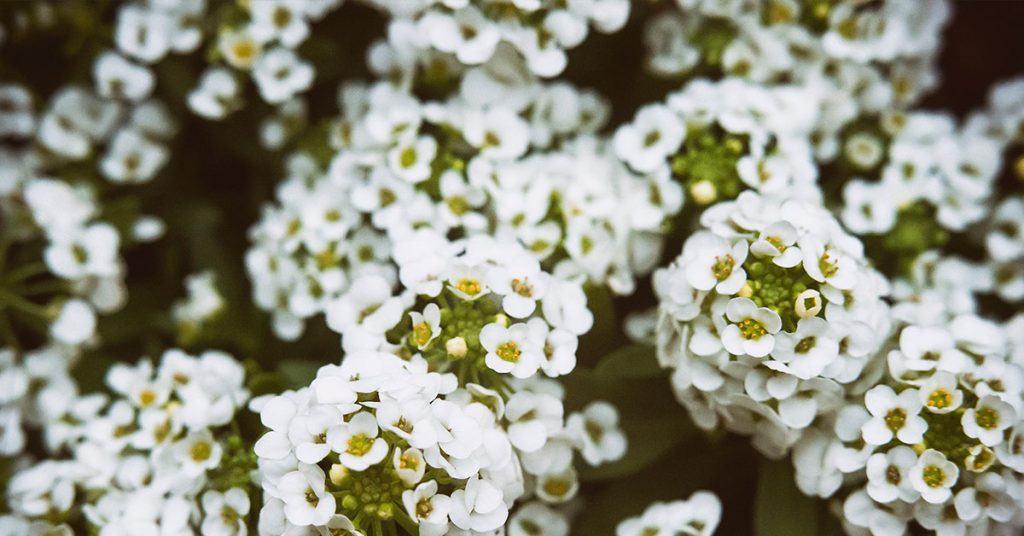
Sweet alyssum (Lobularia maritima), hailing from the Mediterranean, forms low-mounding carpets of tiny, honey-scented flowers. It’s noninvasive in temperate zones and draws hoverflies—whose larvae munch aphids—and ground-nesting bees into its fragrant cover.
Transplants or sowings planted now bloom in just 4–6 weeks. Use them as edging, groundcover, or filler in containers for a delicate, continuous lacework of white, pink, or purple blooms.