

July’s soaring temperatures can make a garden feel like it’s winding down, but with the right picks, you can still sow a bounty of fresh veggies for autumn and beyond! Many of our beloved crops—from the crisp carrots first cultivated in Central Asia to the vining cucumbers that trace back to South Asia—thrive when given a midsummer start. I know how frustrating it is to see a bare patch after spring plantings fade, or to worry that pests will move in on empty soil. The good news? With careful timing and selection, you’ll enjoy tender greens, colorful roots, and even heat-loving fruits before frost arrives.
Whether you’re in a cool northern garden or a warmer southern climate, these fifteen vegetables will reward late sowings with rapid growth and flavorful harvests. From quick-turnaround radishes to hearty collards that attract beneficial hoverflies, each choice reflects both its native range and garden behaviors—like drawing pollen-loving bees or providing nesting sites for ground-dwelling beetles. Let’s dive into these summer-to-fall favorites and get sowing!
Carrots

Originally domesticated in the cold, mountainous regions of Afghanistan, carrots love the warm soil July brings to form sweet, crisp roots. In their native habitats, wild carrots attracted pollinators like honeybees and hoverflies that nested nearby—so don’t be surprised to see beneficial insects patrolling your bed once blooms appear!
Sow seeds in deeply loosened, well-drained soil, spacing them thinly to avoid racing for nutrients. Carrots maturing in 50–70 days will yield tender, orange roots—and thinning to 2 inches apart ensures each carrot grows full and straight, just like the heirlooms of yore!
Swiss Chard
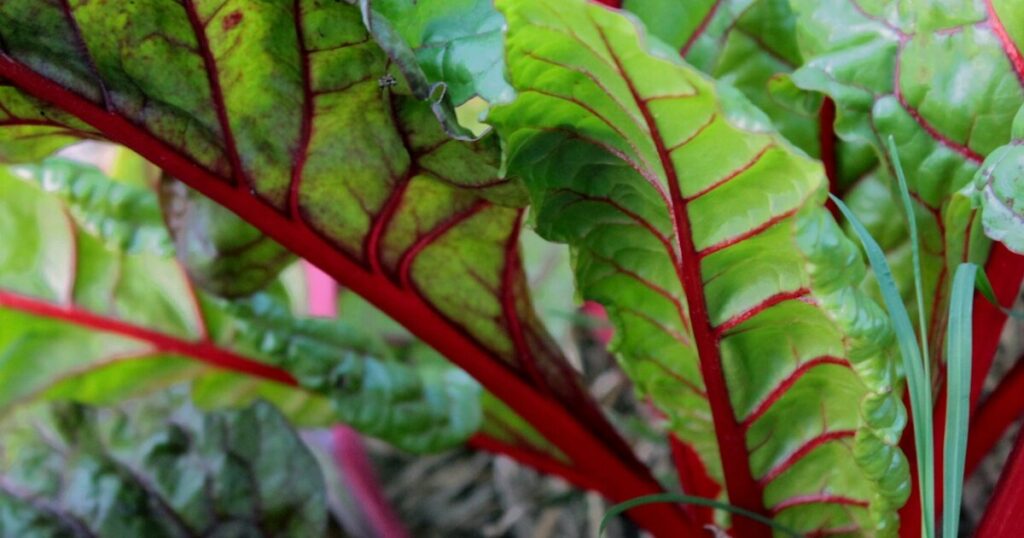
Chard’s ancestry traces to the Mediterranean coasts, where its wild cousins clung to seaside cliffs and endured salty breezes. This heat-tolerant green thrives when sown in July, producing colorful stalks and crinkled leaves that attract tiny pollinating flies when allowed to bolt later.
Plant seeds in rich, moist soil and thin seedlings to 6–8 inches apart so each crown unfolds fully. Within four to six weeks, you’ll be harvesting vibrant red, yellow, or white ribs—perfect for sautés that capture that crisp, coastal flavor!
Bush Beans
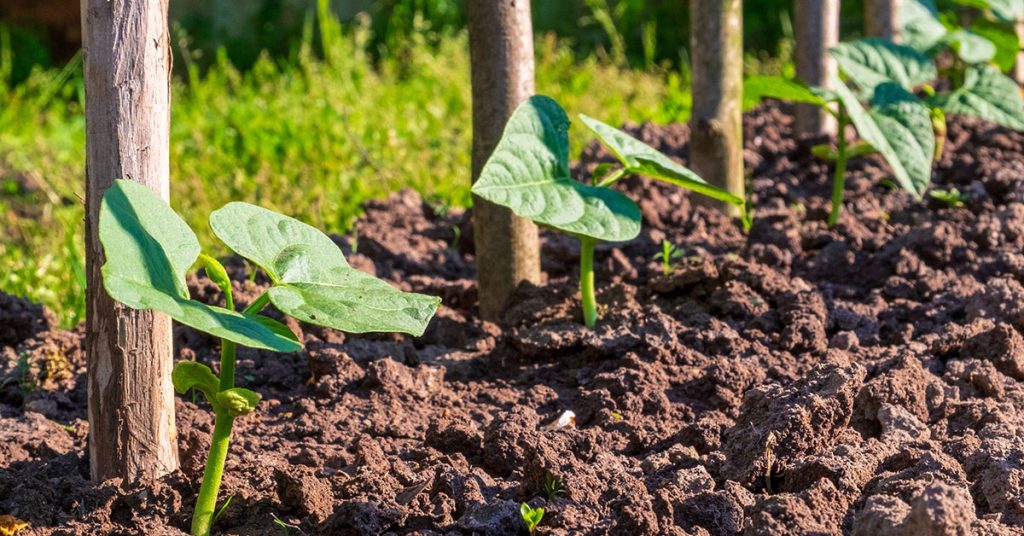
Beans hail from the highlands of Central and South America, where their climbing relatives scrambled over forest floors. Bush varieties, bred for compact growth, finish in as little as 50 days and lure beneficial predatory wasps that nest in nearby mulch, hunting common bean pests.
Sow seeds directly into warm soil, spacing hills 4–6 inches apart. Consistent moisture and a side dressing of compost midseason ensure robust pods, turning a once-empty July plot into a string-bean bonanza!
Turnips
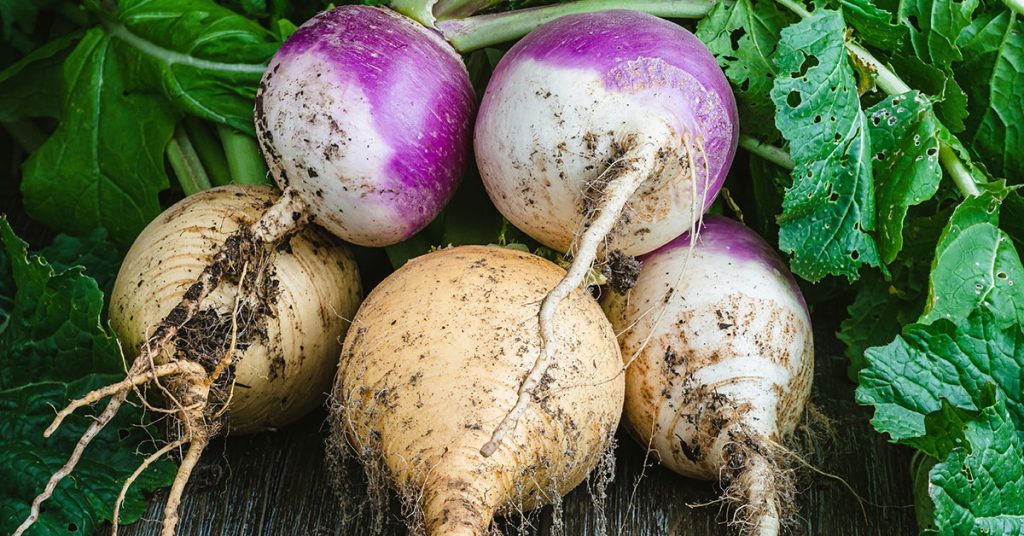
Native to temperate Eurasia, turnips evolved on rocky soil and send up round, fleshy roots that attract ground-nesting beetles and springtails to sift through the surrounding earth. July sowings mature in 40–60 days, giving you tender roots and peppery greens before frost.
Scatter seeds in shallow drills and thin seedlings to 4 inches apart. Turnips relish a steady moisture supply, so mulch well; in no time you’ll be pulling sweet, succulent bulbs that nod to ancient European table gardens!
Kale
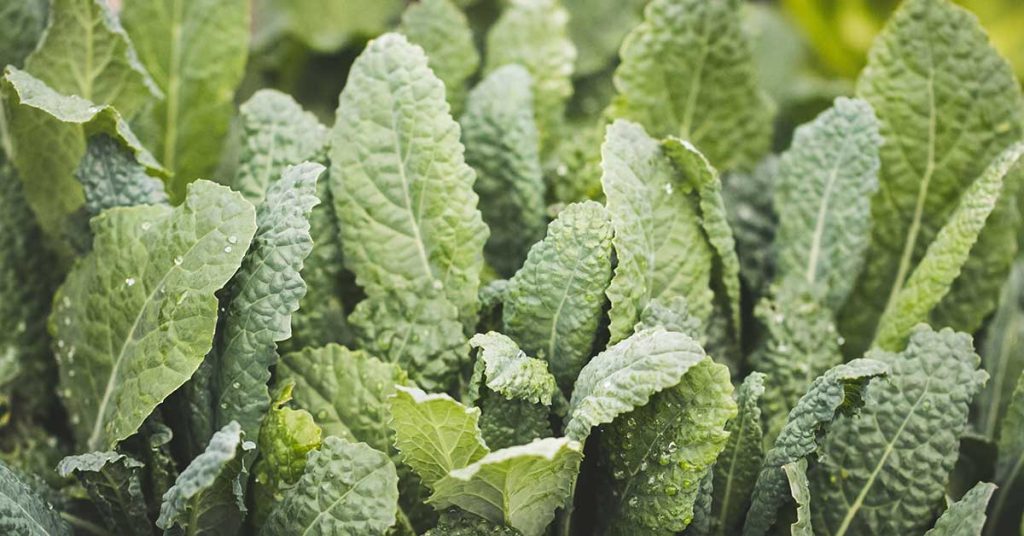
Kale’s roots lie in the cool, damp landscapes of the eastern Mediterranean, where wild Brassicas mingled with thyme and lavender. July plantings yield hearty leaves that withstand light frosts and invite aphid-hunting lacewings to nest on the undersides.
Transplant seedlings or direct-sow seeds in fertile soil, spacing 12 inches apart. Within 50–60 days, you’ll be snipping deep-green or purple-tinged leaves for kale chips and stews—proof that autumn’s chill only enhances their flavor!
Broccoli
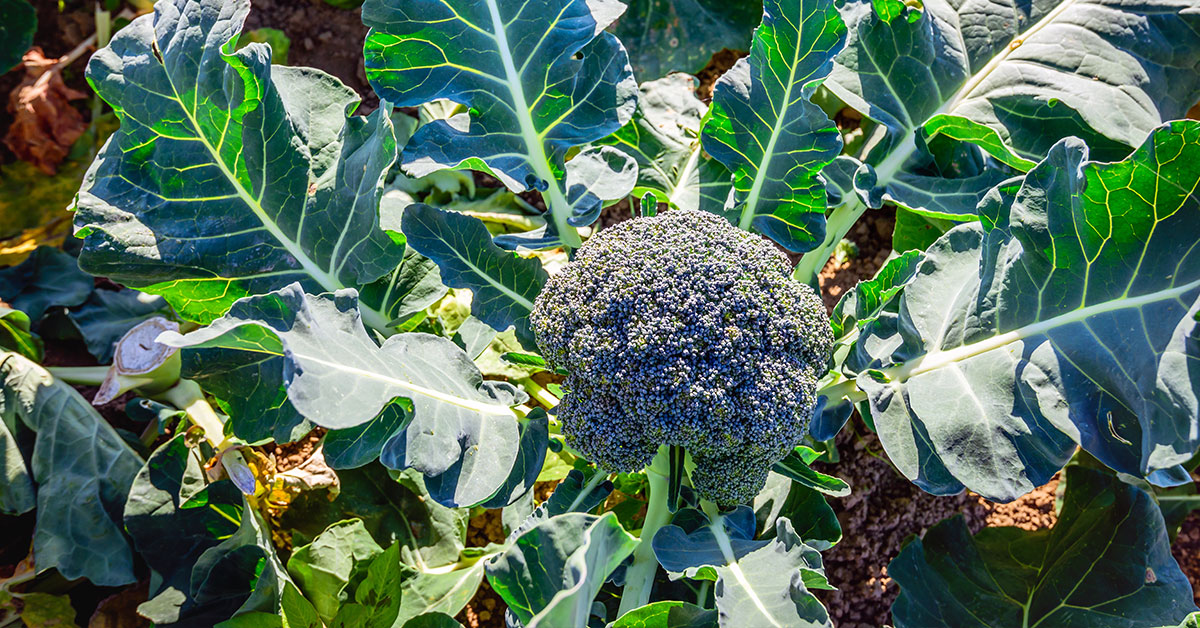
Originating from Italy’s sun-lit coasts, broccoli sends up tight flowering heads that attract hoverflies and bee larvae to nest in mulch. July sowings matured under cooling afternoons produce crisp heads in 60–70 days, ideal for fall harvests.
Start transplants indoors six weeks earlier, then harden them off and plant in rich, well-drained soil. Side-dress with balanced fertilizer as heads form—soon you’ll delight in homegrown crowns more vibrant than store-bought!
Radishes

Radishes, descended from wild Asian radish ancestors, are among the quickest summer crops, maturing in as few as 25 days. Their tiny, nectar-rich flowers later in the season draw tiny solitary bees that nest in loose garden soil.
Sow seeds every two weeks to stagger harvests, spacing them 1–2 inches apart. Keep soil consistently moist, and you’ll revel in crisp, peppery roots all season—an instant pick-me-up between slower crops!
Collard Greens
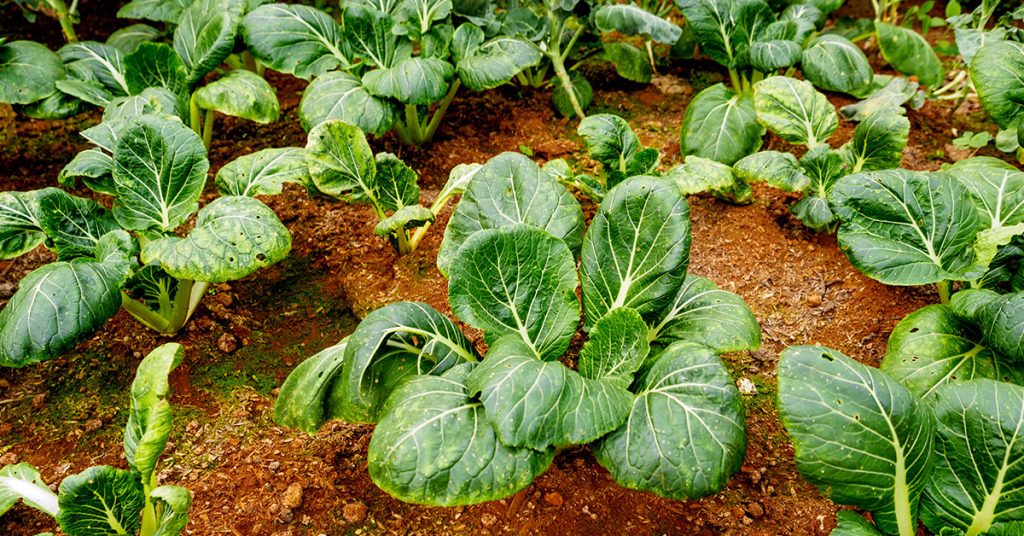
Closely related to kale, collards originated on the coastal cliffs of southern Europe, thriving in heat and drawing predatory wasps that nest in nearby shrubs. July plantings form big leafy rosettes ready between 60–75 days.
Transplant sturdy starts into rich beds, keeping spacing around 18 inches. Collards tolerate light frosts, and you’ll find that their flavor sweetens after the first chilly nights—making them perfect for late-season soups!
Arugula
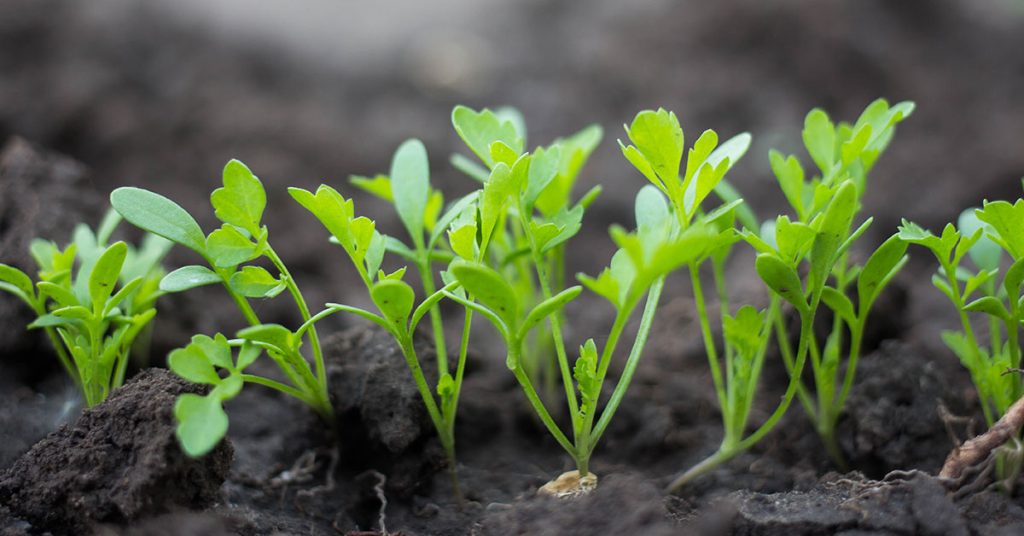
Arugula’s wild ancestors roamed Mediterranean fields, where their pungent leaves signaled safety to nesting ground-beetles and aphid predators. It bolts quickly in heat, so July sowings in partial afternoon shade produce tender, spicy leaves in just 30–40 days.
Broadcast seeds in lightly amended soil, keeping them moist until sprouting. With regular harvesting, you’ll encourage new growth, ensuring a steady supply of peppery salad greens even as autumn approaches!
Beets
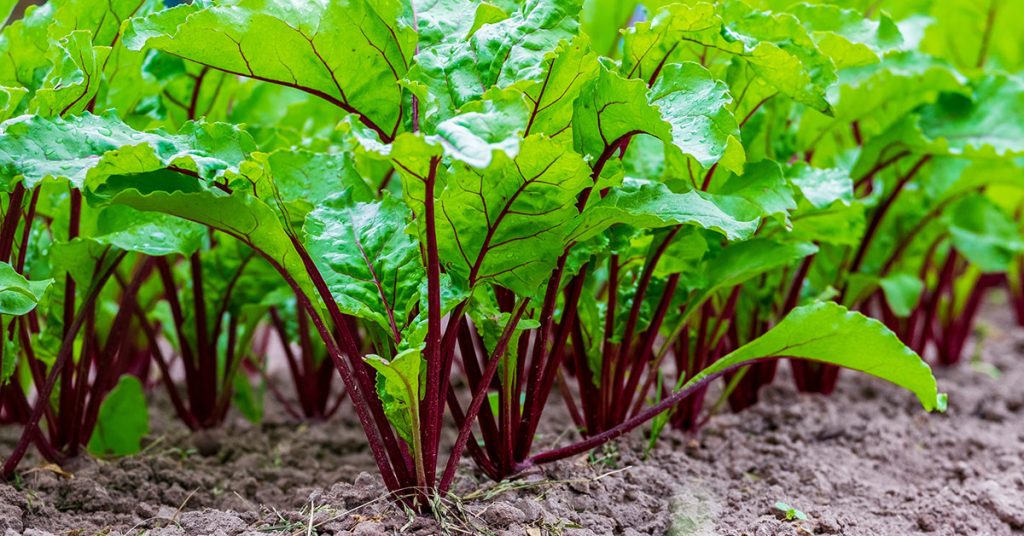
Beets trace back to wild sea beets along Mediterranean shores, where their bulbous roots endured sandy soils. July sowings mature in 50–60 days, and their flowers entice small pollinating bees that nest nearby.
Plant seeds 2 inches apart in loose, compost-rich soil, thinning to 4–6 inches once seedlings appear. You’ll soon be pulling sweet, maroon globes and harvesting tender greens that add color and nutrition to any meal!
Mustard Greens
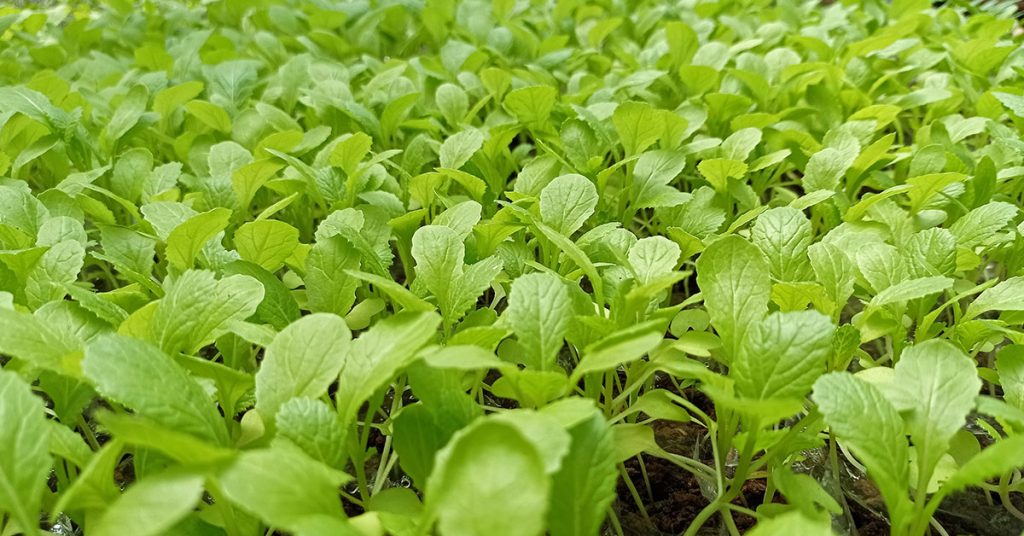
Mustard greens hail from Asia Minor and were companions to early human settlements, attracting beneficial predatory flies which nested in the bare soil around them. July maturing in 30–40 days, they deliver spicy, vibrant leaves before frost.
Sow seeds thinly in well-drained beds, and harvest outer leaves regularly to delay bolting. The zesty flavor brightens stir-fries and salads, making every bite a celebration of their ancient roots!
Bok Choy
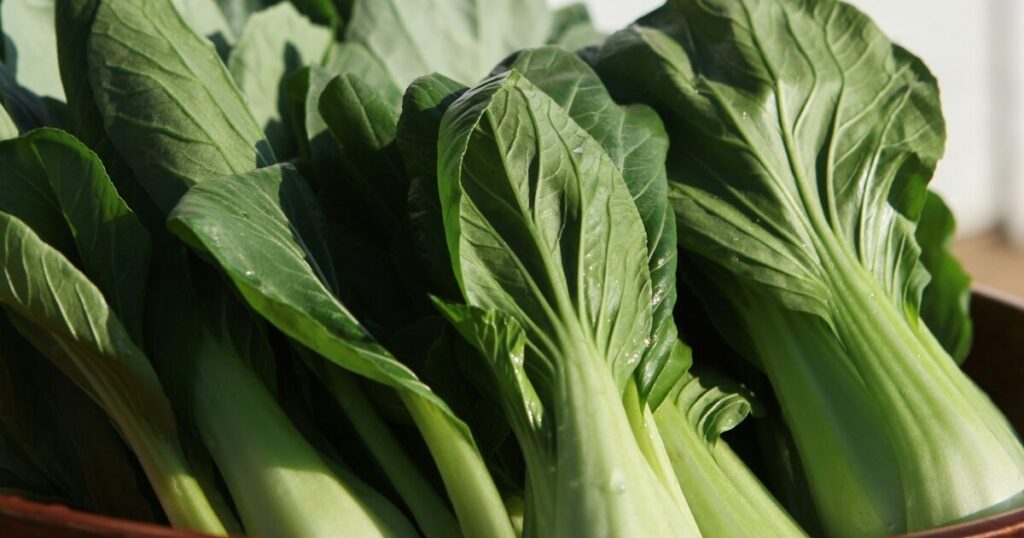
Native to eastern China’s river valleys, bok choy enjoys moist, fertile soils and produces white umbrella-like flowers that draw hoverfly larvae for natural pest control. July sowings yield tender heads in 45–55 days.
Direct-sow or transplant seedlings with 6-inch spacing, keeping soil evenly moist. You’ll be thrilled to stir-fry those crunchy, jade-green stalks by fall—an exotic twist in a midsummer plot!
Cucumbers
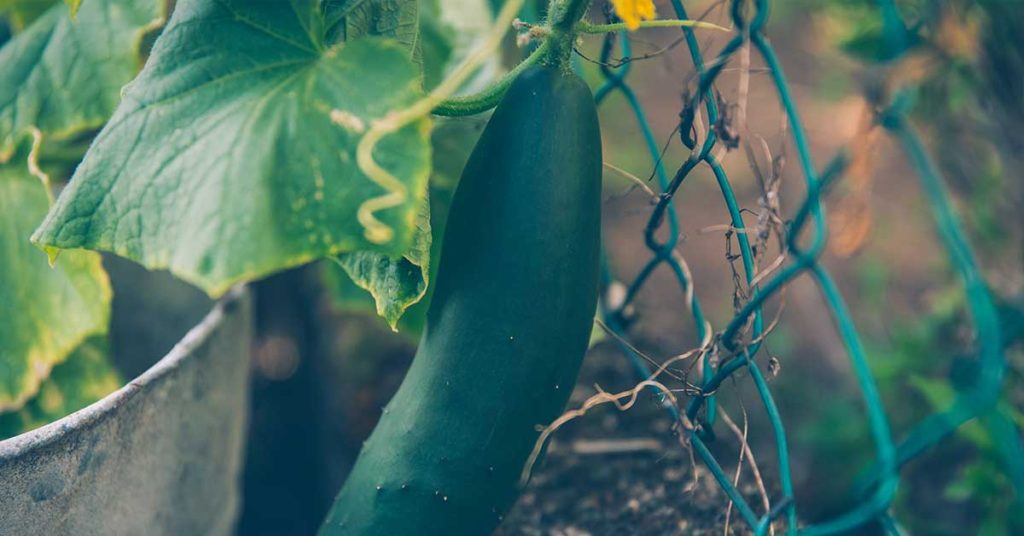
Cucumbers originated in South Asia’s monsoon regions, where their vines sprawled over moist ground and offered nesting sites for print-loving beetles in the leaf litter. July sowings in fertile, well-drained soil yield tender fruits in just 50–65 days.
Train vines on trellises to save space, and mulch heavily to conserve moisture. Regular harvesting encourages more blooms—soon you’ll have crisp cukes perfect for salads and pickles, even as days shorten!
Leaf Lettuce
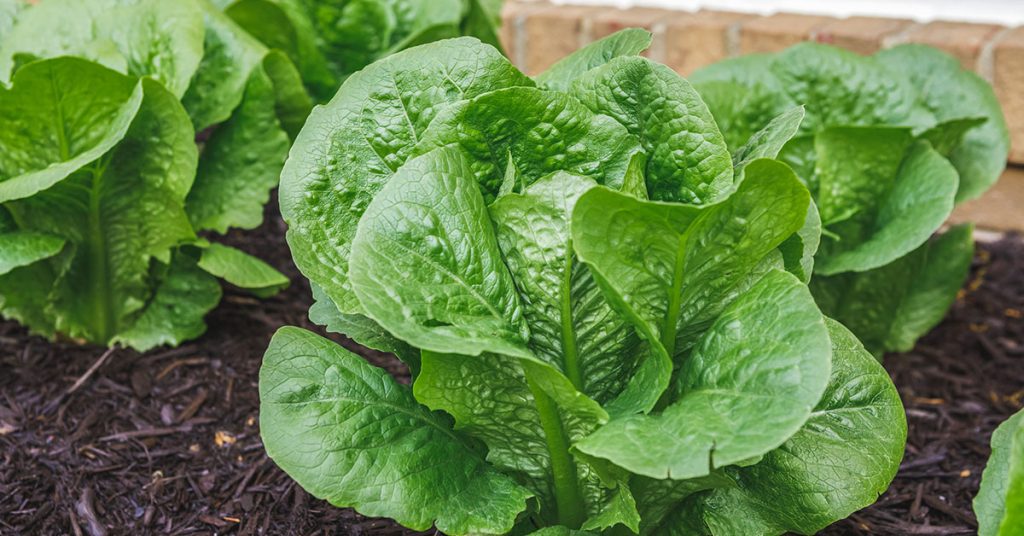
Leaf lettuce’s wild beginnings lie in North Africa’s misty Mediterranean coast, where it drew tiny sand-dwelling ground beetles and provided nesting spots among low stones. July plantings in partial shade deliver soft, buttery leaves in 40–50 days.
Succession sow every two weeks and pick individual leaves to keep plants producing. With the right shade and consistent moisture, you’ll enjoy fresh greens from midsummer through frost!