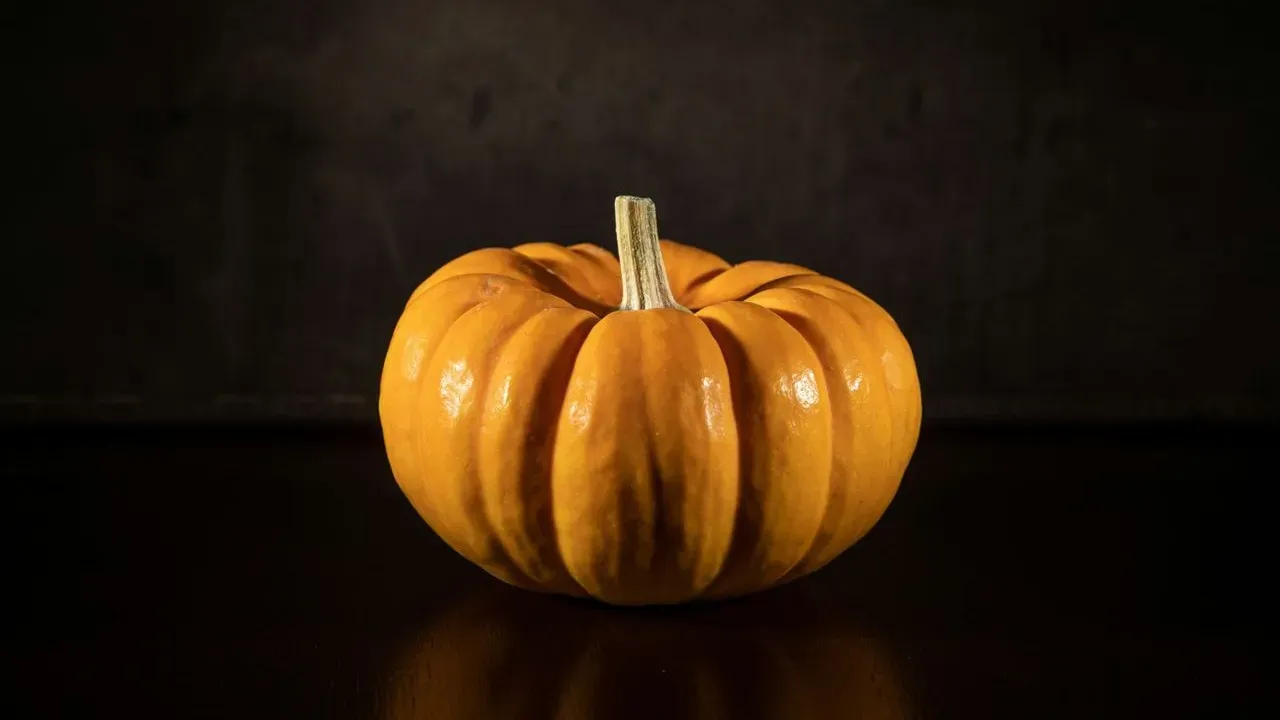

As autumn settles in and bakers reach for familiar pantry staples to start pies, breads, and muffins, an unopened can of pumpkin often sits quietly on the shelf for months or even years. The question of its safety becomes more pressing once the can is opened or when the printed date has passed. Federal guidelines treat pumpkin as a low-acid canned food, placing it in the same category as corn, beans, and peas, which means its longevity depends heavily on whether the seal remains intact.
The USDA Classification That Shapes Storage Rules
Low-acid canned goods require careful handling because their natural pH allows certain bacteria to survive if processing or storage fails. Pumpkin falls squarely into this group, so the same broad timelines that apply to other vegetables guide home cooks during peak baking season. The distinction between sealed and opened containers drives most practical decisions, turning what seems like a simple ingredient into one that rewards attention to detail.
Home bakers who stock up early often discover that an intact can can outlast the current season without issue, provided it stays cool and dry. Temperature swings near stoves or damp basements shorten that window, while proper placement extends it. This classification also explains why pumpkin receives different treatment from high-acid items like tomatoes, which tolerate more flexible home-canning methods.
How Long an Unopened Can Lasts
Federal recommendations place low-acid canned pumpkin in a two-to-five-year range when the can remains sealed and stored properly. Manufacturers may list a best-by date that falls inside or near that window, reflecting quality rather than an absolute safety cutoff. Once that date passes, the product may lose color, texture, or flavor, yet it often remains usable if the can shows no damage.
Inspecting the can before purchase and again before opening catches the clearest red flags. Bulging, deep dents along seams, or leaks signal potential problems that no amount of refrigeration can fix. A minor dent away from the seams usually poses no concern, allowing bakers to proceed with confidence during busy fall weekends.
Opened Cans and Short-Term Refrigeration
Once the seal breaks, the long pantry life ends abruptly. Guidelines call for using leftovers within three to four days when kept in the refrigerator, a timeframe that accounts for the low-acid nature of the product. Transferring the contents to a clean glass or plastic container helps maintain better flavor and reduces any metallic taste that can develop in the original can.
Portioning what remains for immediate use versus longer storage prevents waste during recipe testing. Many bakers find that moving opened pumpkin promptly into the fridge or freezer keeps it ready for the next round of scones or quick breads without repeated temperature changes that invite spoilage.
Freezing Leftovers and Home-Canning Limits
Freezing extends usability for several months when the pumpkin is placed in sealed containers with a small amount of headspace for expansion. Thawed portions may separate slightly from air bubbles, yet they blend smoothly into most baked goods without affecting taste or texture. This approach works especially well for recipes that call for only a fraction of a can. Home canners face stricter limits.
Only cubed pumpkin processed under pressure follows tested methods; pureeing before canning introduces inconsistent density that can leave some jars underprocessed. Experts therefore advise freezing homemade puree instead, treating it like any freshly cooked vegetable that needs prompt refrigeration or freezing.
Recognizing Real Problems Versus Normal Variation
Color and texture can shift slightly between cans because pumpkin is a single-ingredient crop product influenced by each harvest. These small differences rarely indicate spoilage when the can is intact and the contents smell fresh. In contrast, mold, off odors, or unusual discoloration after opening call for immediate disposal.
A can that thawed at room temperature or above also warrants caution, even if it never swelled. Trusting visual and sensory checks alongside the calendar date provides the most reliable safeguard during the height of fall baking. Proper storage habits turn an ordinary pantry item into a dependable resource. Cool, dry conditions for sealed cans, quick refrigeration or freezing for opened ones, and routine inspection before use keep pumpkin ready whenever the season calls for it.
AI Disclaimer: This article was created with the assistance of AI tools and reviewed by a human editor.