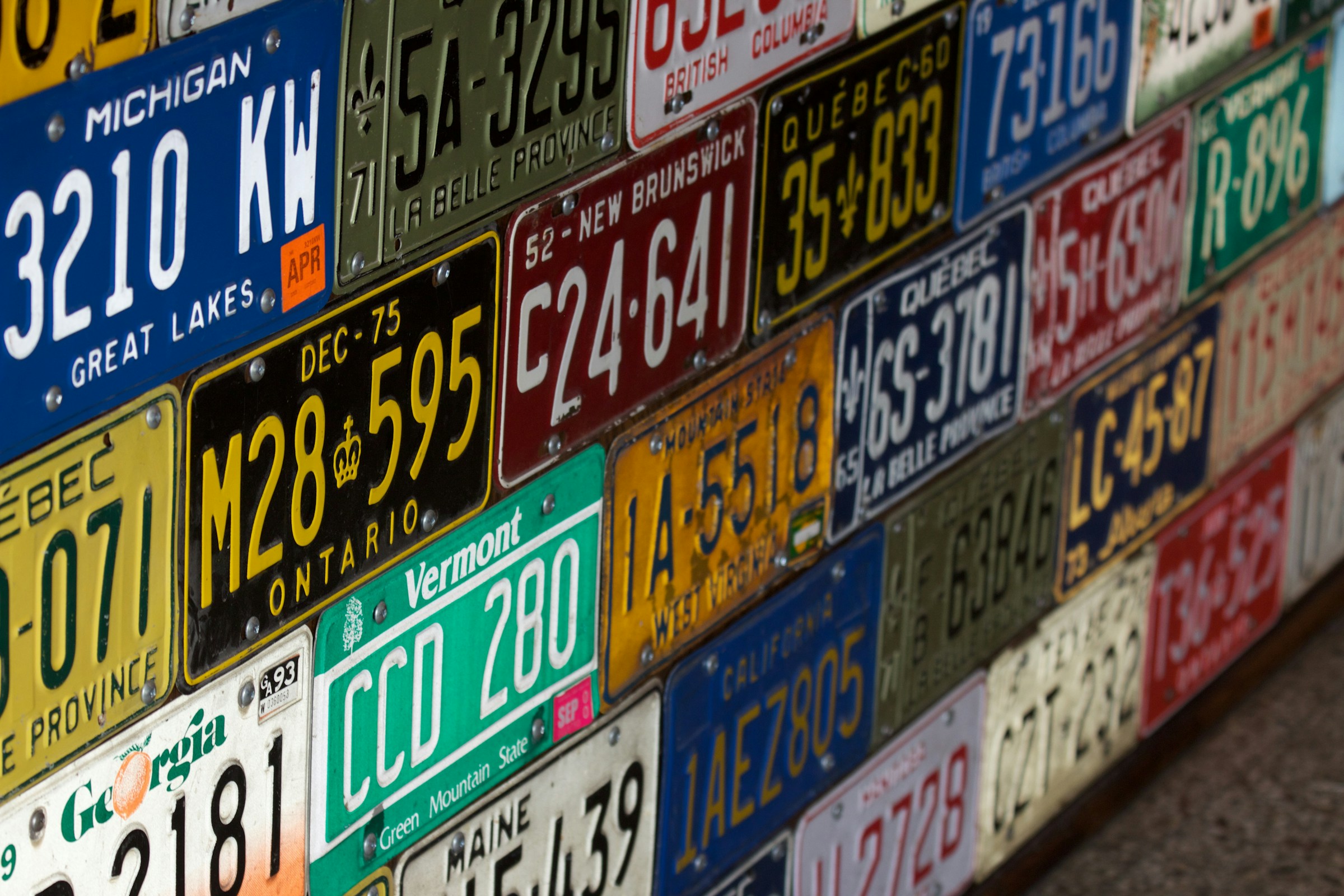

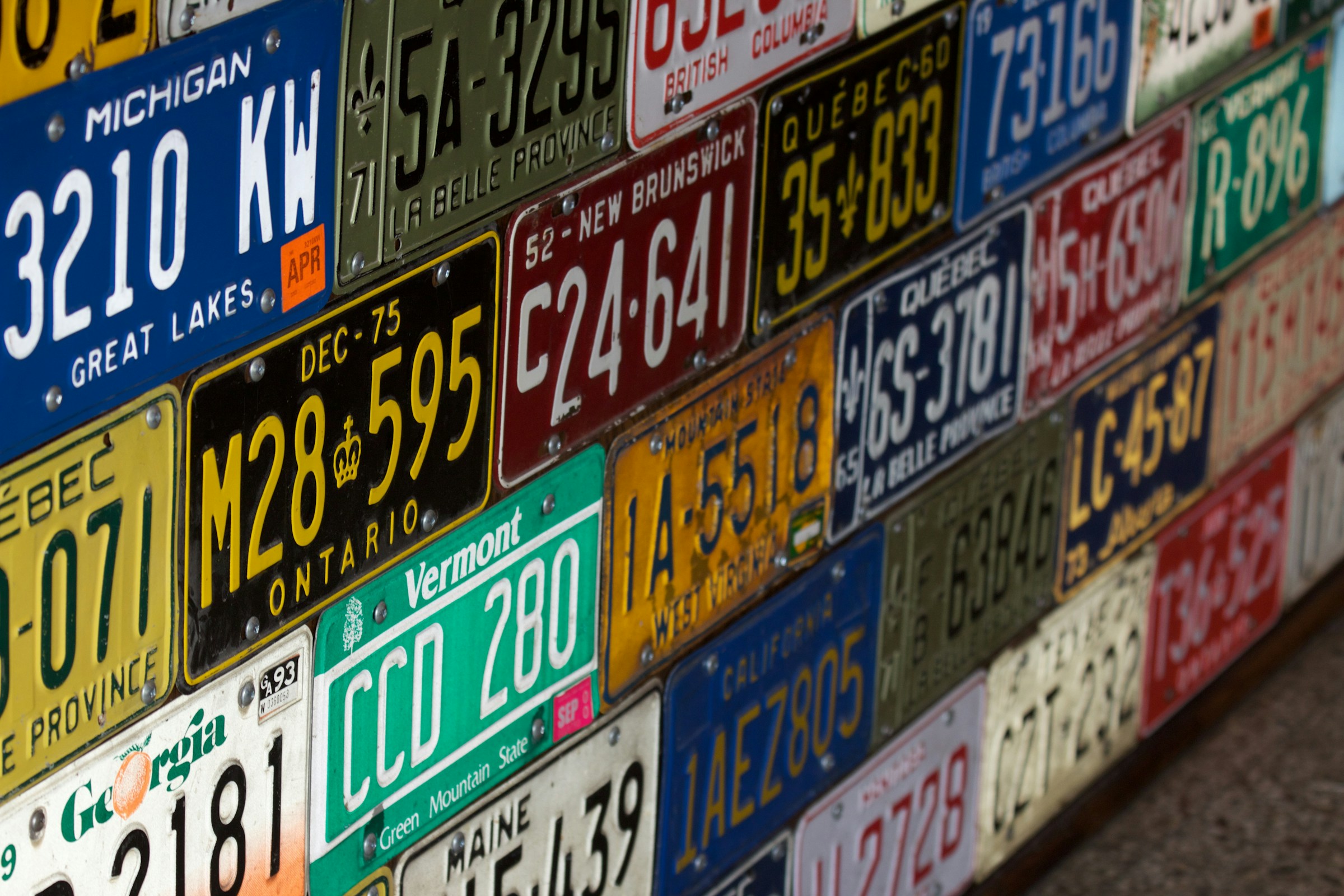
There’s a certain kind of nostalgia that hits somewhere around mile 200 of a long drive, when the highway stretches out flat and the kids have run out of things to say. For generations of American families, that quiet moment was exactly when someone pulled out a license plate bingo card, and suddenly the whole car had a reason to pay attention to the world outside the window.
The question now is whether that simple, low-tech tradition still has a place in 2026, an era when tablets, streaming services, and in-car Wi-Fi have made boredom optional. The answer might surprise you.
Road Trips Are Bigger Than Ever

Road trips have never been more popular, and that’s not a guess. When U.S. travelers were asked what types of trips they had planned in 2024, over 30 percent said they were going to take a road trip, making it the third most popular type of vacation. That’s a huge number of families, couples, and friends packing into cars and heading out on long stretches of American highway.
When it comes to how Americans actually travel, road-tripping ruled in 2025. More than half of respondents in a Talker Research survey said most of their 2025 travel was in a car, compared to just 30 percent who primarily flew domestically. With those kinds of numbers, the question of what to actually do inside the car starts to matter quite a bit.
In November 2024 alone, a record 80 million Americans traveled for Thanksgiving, with 71.7 million driving, the highest road travel volume ever recorded. More people on the road means more license plates, more states, and frankly, more opportunity to play.
What License Plate Bingo Actually Is
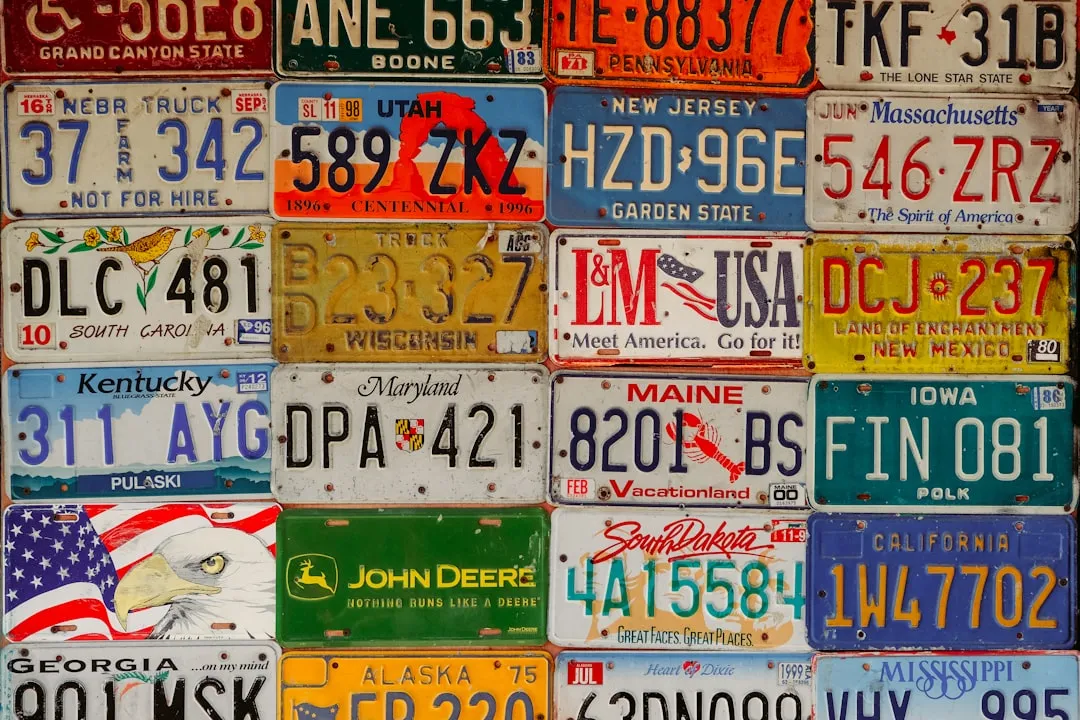
The License Plate Game is a classic road trip competition that turns every passing vehicle into a potential point. Players compete to spot license plates from all 50 states, claiming each unique plate they see before anyone else can. It’s simple enough for young kids to play but engaging enough to keep adults scanning the highway for hours, making it one of the most enduring road trip games for a reason.
The bingo version puts a familiar grid twist on that classic format. Road Trip Bingo is one of everyone’s favorite road trip games, and you don’t need to buy the board game with the red plastic windows. Free printable versions come with five cards so kids can compete against one another. The mechanics are familiar to anyone who has ever sat in a bingo hall, which makes pickup time basically zero.
The rules are straightforward: when you spot a license plate from a new state, call it out and claim it. That specific vehicle belongs to you, so travel companions have to wait for another car from that state. Players can keep track with pen and paper, a printable checklist, or rely on memory. The goal is to spot as many different states as possible before reaching the destination.
The Screen Time Problem No One Wants to Talk About

In this digital age, it’s tempting to rely on tablets and smartphones to keep kids quiet during car rides. However, screen-free road trips offer numerous benefits, including encouraging family bonding, stimulating creativity and imagination, reducing eye strain, and enhancing observation skills and engagement with surroundings.
Recent 2025 surveys reveal that roughly more than half of parents believe screens interfere with quality time, yet nearly half rely on screen time daily to help manage parenting responsibilities. That tension is real, and road trips put it in unusually sharp focus. The car is a confined space where family members are physically together but often mentally miles apart.
Handing over a digital device is a tempting quick fix, but it often triggers irritability, motion sickness, and missed opportunities for meaningful family interaction. License plate bingo sidesteps all three of those issues neatly. Kids look out the window instead of down at a screen, which actually reduces motion sickness risk while keeping their eyes on the passing landscape.
It’s a Genuine Learning Tool
By limiting screen time during a trip, families open up opportunities for meaningful conversations, shared experiences, and the development of important life skills. Children learn to entertain themselves, practice patience, and engage with the world around them in new and exciting ways. License plate bingo is one of the cleanest vehicles for exactly that.
Spotting plates from distant states naturally leads to questions. Where is Montana? What does the state bird of New Mexico look like? Why does Alaska have so few cars on interstates in the lower 48? The American Academy of Pediatrics recommends that children ages 2 to 5 should limit screen time to one hour per day of high-quality programming. Car games like license plate bingo fill that remaining time with something real and tactile.
Research has shown that reducing screen time can have positive effects on children’s cognitive development, social skills, and overall well-being. A game that encourages kids to actively scan their environment, remember what they’ve seen, and compete in a social setting touches on all of those benefits at once.
Families Are the Core Road Trip Audience
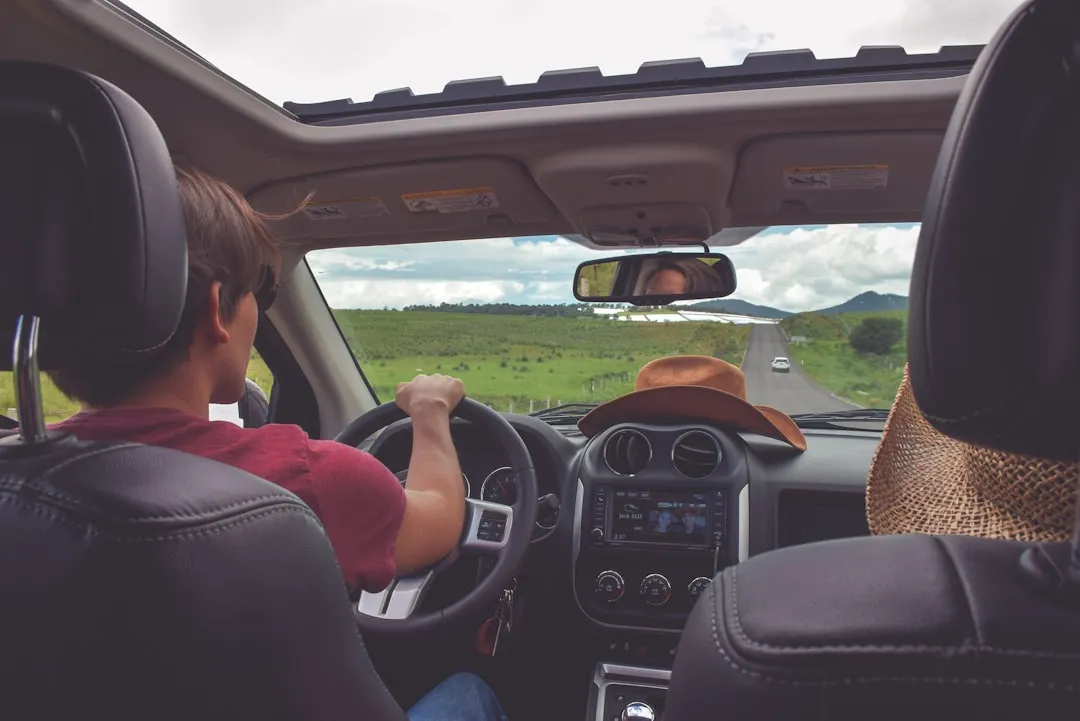
Families and groups are the most common road trip participants, comprising roughly three quarters of all travelers. That’s an enormous built-in audience for car games. It also means that the in-car experience matters far more to the average traveler than the travel industry typically acknowledges.
Family travel trends indicate a significant rise in multi-generational trips, reflecting a growing desire for shared experiences among family members. Many families are prioritizing bonding time and creating lasting memories during their travels, with a focus on trips that cater to a range of ages and interests. A game that grandparents, parents, and kids can all play simultaneously is genuinely rare. License plate bingo is one of the few that actually delivers on that promise.
In a 2024 survey of U.S. consumers, people who travel with children were more inclined than other travelers to take a road trip to save money. That budget-consciousness also makes free or inexpensive car games a natural fit. A printable bingo card costs nothing, which is hard to beat.
The Digital Version Has Arrived Too
The game hasn’t stayed frozen in time. For families who want to blend tradition with technology, there are now several apps that do what a pencil and paper used to do, only with a map and persistent stats. License Plate Zone, for example, lets players choose which version of a plate they saw, shows nearly every iteration of a state’s license plates, allows players to create and save a list for each road trip, and features an interactive map that drops pins showing where each plate was spotted.
Players who grew up traveling by car and always played the game are now parents themselves, downloading it again and playing with their own children and their parents in the same car. That multi-generational loop is a genuine sign that something has staying power. It’s not just nostalgia. It’s a tradition replicating itself.
There are even apps like the Road Trip Games App that compile popular options including the license plates game. The app features a leaderboard so players can keep track of who’s winning, and the license plates game also has a save feature for extra-long sessions. The core game is the same. The scoreboard is just digital now.
The Competitive Edge Keeps Everyone Engaged

Finding that elusive Alaska or Hawaii plate in the middle of Kansas absolutely counts as a major victory. That small moment of triumph, visible to the whole car, is something no streaming show can replicate. It’s the kind of shared eruption of excitement that becomes a travel memory.
If players want to add an extra incentive, a rule that whoever finds Alaska or Hawaii gets to pick where the car eats dinner works beautifully. The game gets intense as players get closer to finding all 50. Intensity is exactly what long drives need. Without it, the middle stretch of a ten-hour trip has a way of feeling very, very long.
Players can agree on whether each person is competing individually, where the first person to spot a state claims it, or whether everyone works together as a team to find all 50 states collectively. For competitive play, once someone claims a specific vehicle’s plate, that car is off-limits to other players. That rule creates a game with real stakes and a clear winner, which matters more than it might seem.
It Works on Short Drives Too
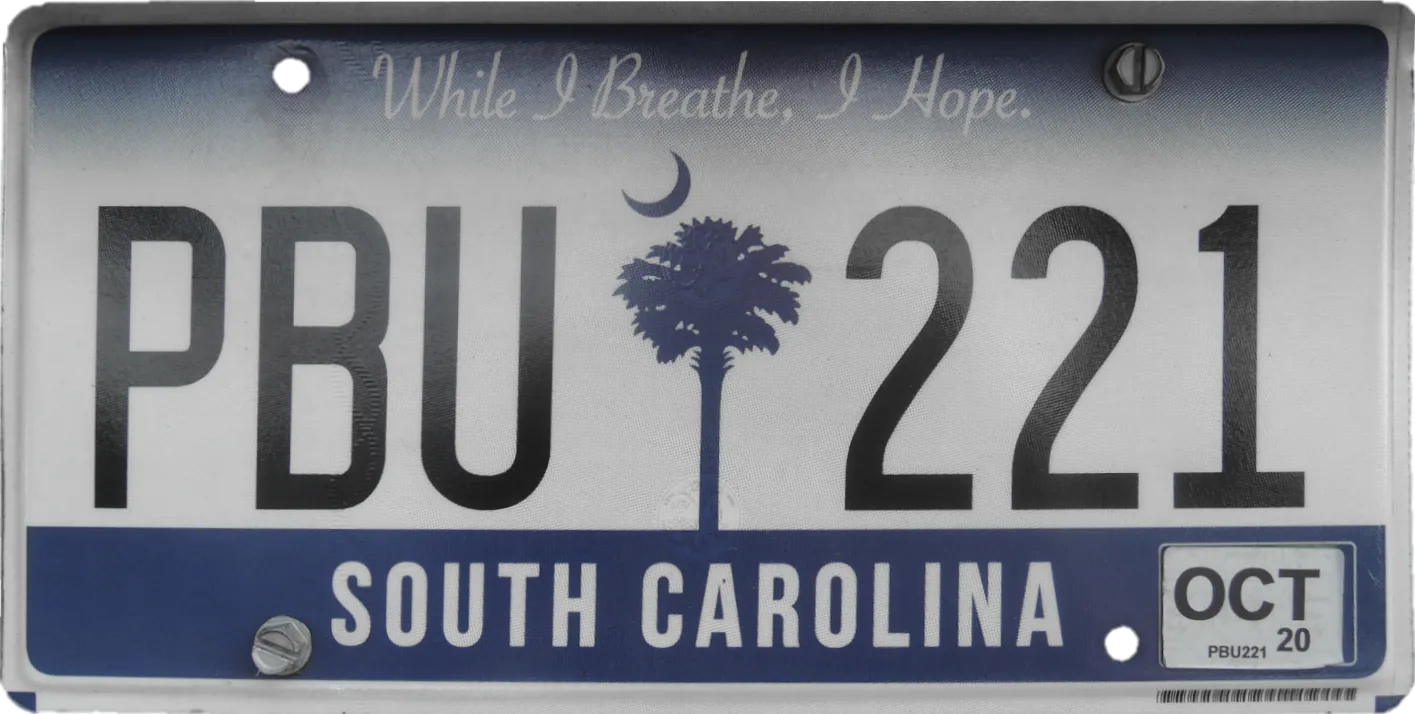
Most people associate license plate bingo with epic cross-country hauls, but the game scales down surprisingly well. In 2024, the most common amount of time U.S. travelers planned to drive on a road trip was between six and ten hours. That’s a very manageable window for spotting plates from a solid handful of states, especially on busy interstates.
Whether on a road trip or a grocery run, some players find themselves automatically scanning the license plates of every car on the road, any time they travel. That’s the sign of a game that has genuinely rewired a habit. Once you start looking for out-of-state plates, it’s hard to stop. Kids especially seem to absorb that instinct fast.
Parking lots at National Parks are fantastic places to hunt for plates, which adds a bonus layer of fun to pit stops and rest area breaks. Suddenly every pause in the drive has a purpose beyond just stretching your legs.
Canadian and International Versions Exist
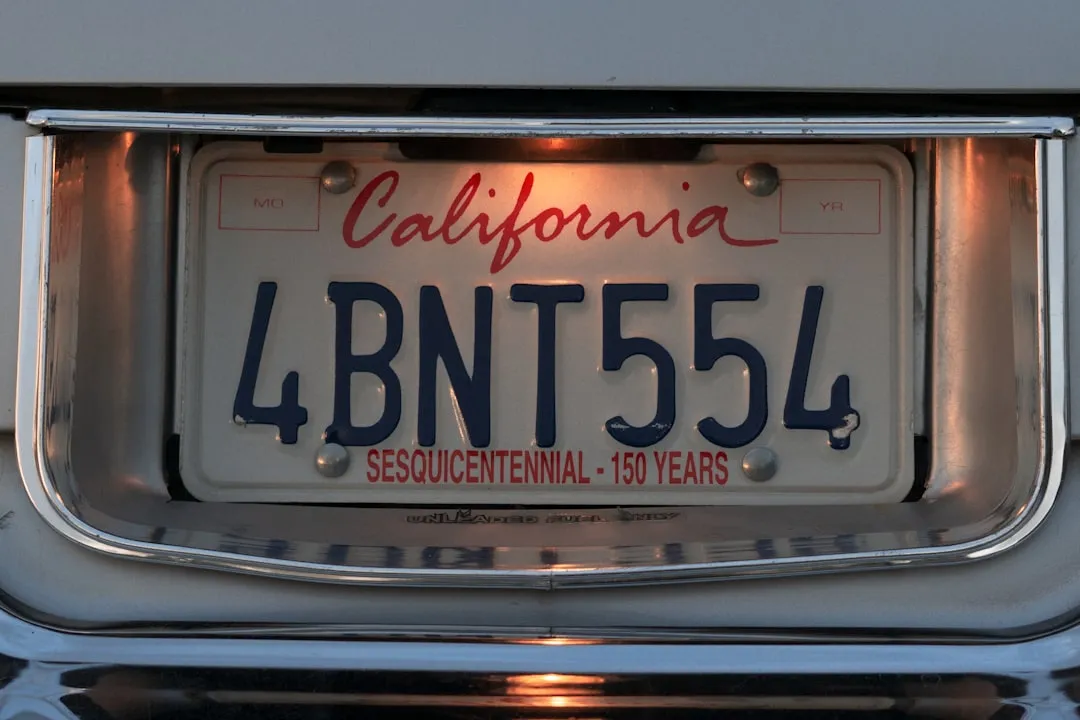
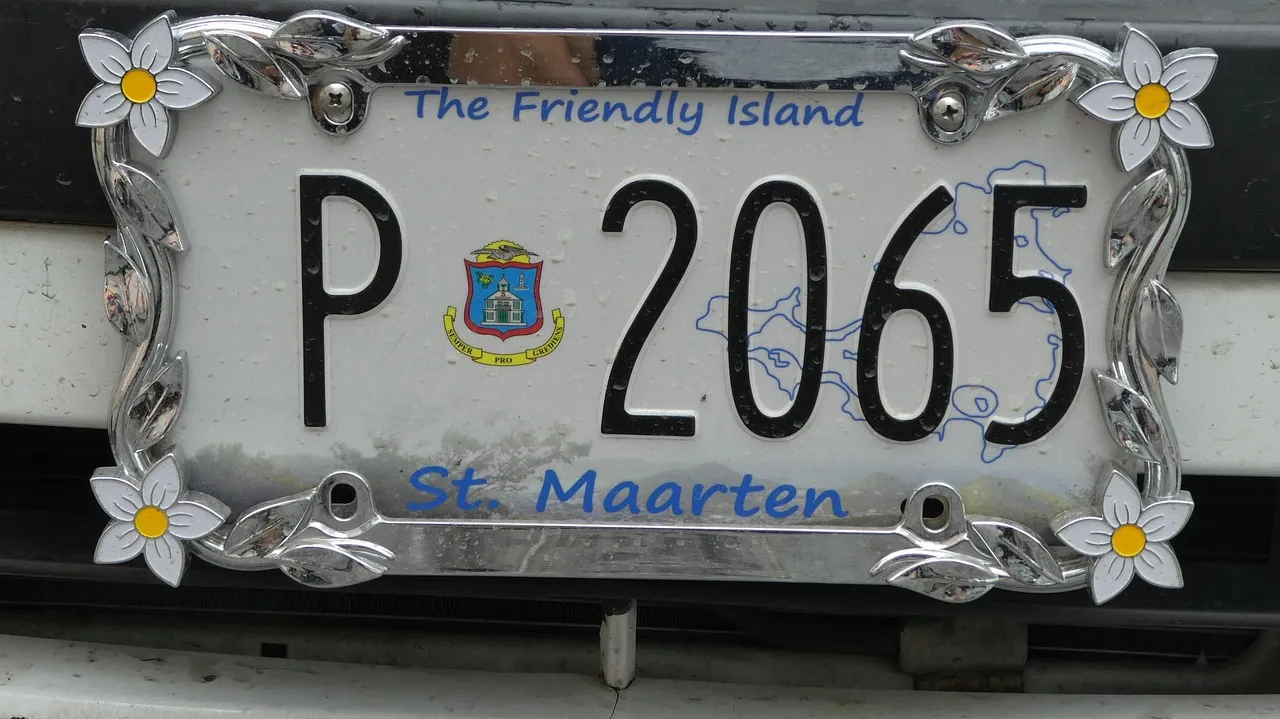
The game isn’t limited to the fifty states. A Canadian version of the popular road trip game lets players track license plates from all the provinces and territories, making it perfect for any journey through Canada. Given how much ground Canadian families cover on road trips across a country even larger than the United States, this version gets a serious workout.
Some road trip veterans have even created a European version of the game tied to the country codes on European license plates. That version turns a drive through multiple countries into something genuinely absorbing. It’s a reminder that the core concept, spot a plate you haven’t seen yet, translates cleanly across borders and cultures.
The flexibility to adapt the game to any region is part of what makes it so durable. It doesn’t require a specific geography, a specific number of players, or even a specific bingo card format. Almost any version of the rules works, as long as everyone in the car agrees before the drive starts.
The Nostalgia Factor Is Real, and It Matters
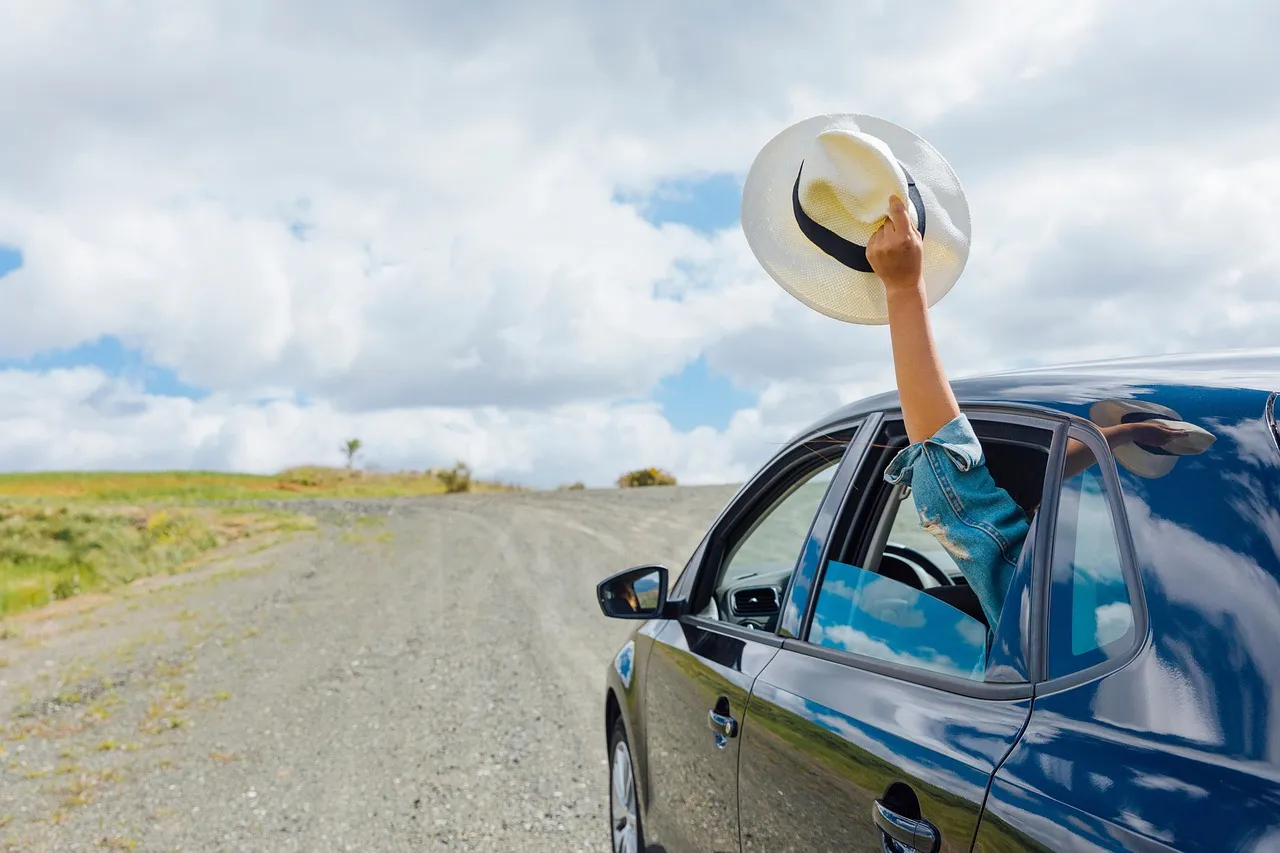
There’s a measurable reason people return to this game across generations. Some of these road trip games were played by grandparents, and some are current enough that parents might not know what a Nintendo Switch is, but the single common denominator is this: if you’re not keen on staring out the window as the continental U.S. flies by, these games are fantastic ways to entertain everyone on a long road trip.
The fact is, many people played the license plate game all the time growing up, lucky enough to grow up in families that believed in exploring and traveled a lot. That kind of early exposure sticks. It shapes how people think about travel and what a good road trip actually feels like.
Multi-generational travel is more popular than ever, with family reunions and group vacations growing consistently. When three generations pile into a car or caravan together, they need an activity that works for everyone. License plate bingo is probably the best answer to that very specific problem that currently exists.
The Takeaway
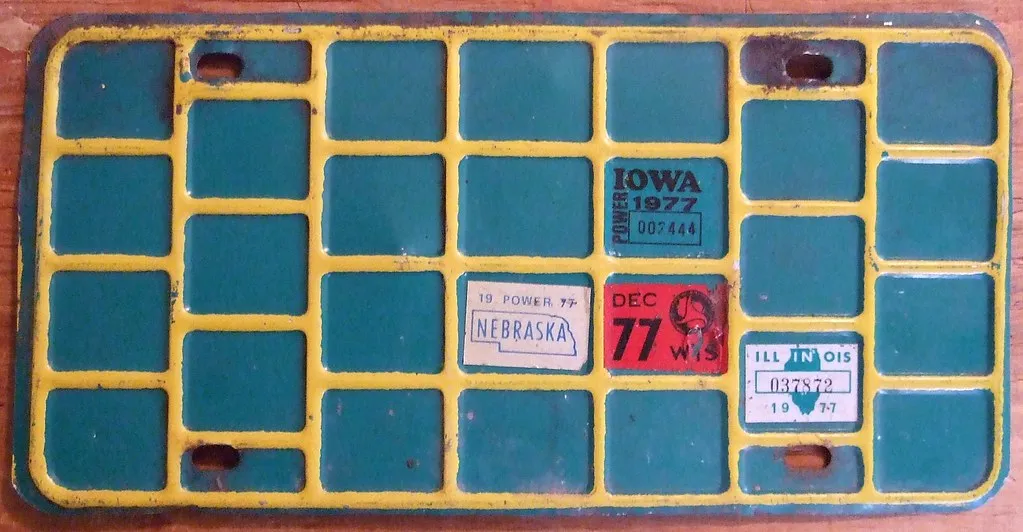
License plate bingo never really left. It just got quieter for a while as screens filled the back seat. The evidence suggests that families are actively looking for ways to reconnect on the road, reduce passive screen time, and create the kind of shared memories that stick well past arrival. A bingo card and a sharp eye out the window are still two of the best tools available for exactly that.
The road trip revival is real. The screen fatigue is real. The appetite for something that gets everyone in the car genuinely engaged with the same thing at the same time is clearly real too. License plate bingo sits at the intersection of all three, costs nothing, requires no battery, and produces exactly the kind of small, spontaneous victories that make long drives feel short.
Sometimes the oldest games are old for a reason. They work.
AI Disclaimer: This article was created with the assistance of AI tools and reviewed by a human editor.