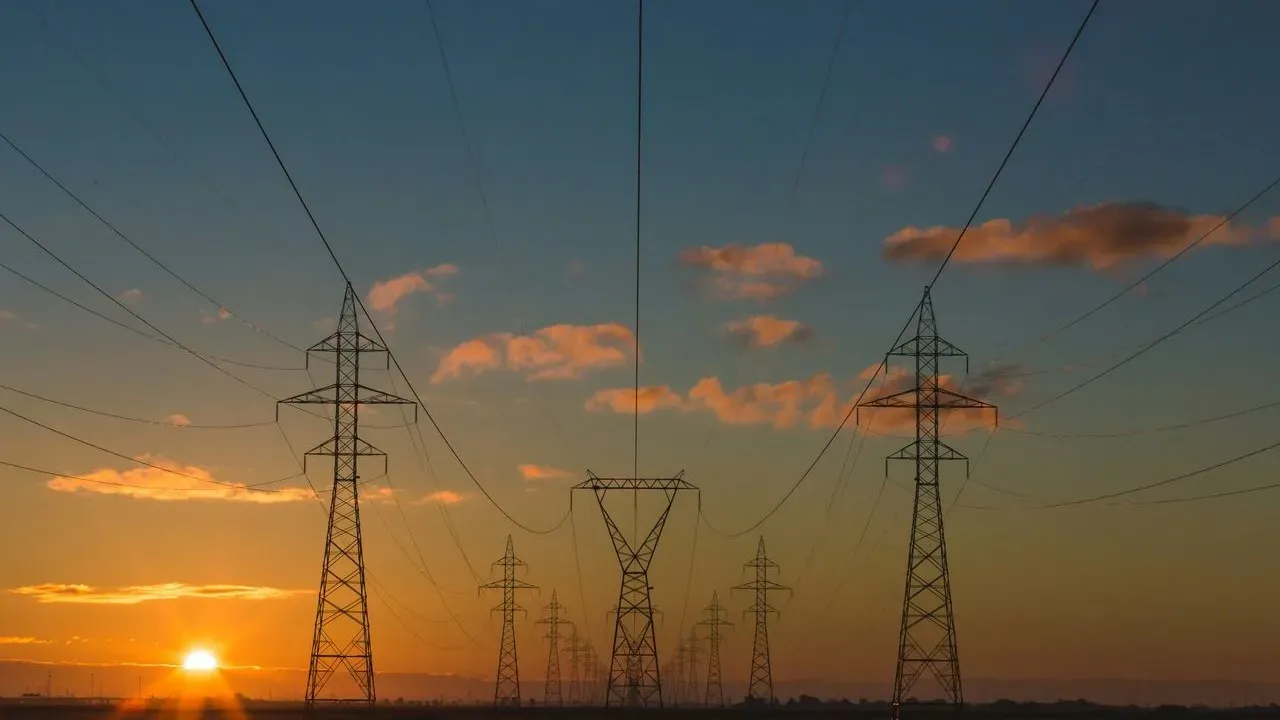

Los Angeles – The 2025 Eaton Fire tore through neighborhoods with startling speed, leaving behind scorched landscapes and prompting urgent questions about how such blazes begin. Fire investigators have now traced the origin to equipment belonging to Southern California Edison. The finding from the Los Angeles County Fire Department shifts attention from the immediate destruction to the practical steps homeowners can take to reduce future risk.
Official Determination on the Fire’s Origin
The Los Angeles County Fire Department completed its review of the Eaton Fire and concluded that Southern California Edison equipment played the decisive role in its ignition. Officials described the incident as one of the most destructive of the season, with the blaze claiming lives and consuming extensive acreage. The determination rests on physical evidence gathered at the scene and aligns with standard protocols for major wildfire investigations. This conclusion arrives months after the fire was contained, reflecting the detailed forensic work required when utility infrastructure is involved. Investigators examined the site thoroughly before issuing their assessment. The focus remained on factual reconstruction rather than assigning broader responsibility.
Why the Finding Matters for Property Owners
Homeowners in fire-prone regions often look to official reports for guidance on protecting their surroundings. When utility equipment is identified as a spark source, attention naturally turns to the buffer zones around homes and gardens. Clear defensible space becomes more than a recommendation; it serves as a direct line of defense when ignition points lie outside individual control. The Eaton Fire underscored how quickly embers and flames can travel once a fire starts. Properties with well-maintained clearance around structures fared differently in many cases. Residents are now reviewing their own landscapes with renewed focus on removing dry vegetation and creating separation between trees, shrubs, and buildings.
Practical Steps for Wildfire-Resilient Gardens
Creating effective defensible space starts with the immediate area surrounding a home. Experts generally advise keeping a 30-foot zone free of flammable materials, including dead leaves, dry grass, and certain ornamental plants that ignite easily. Beyond that, a second zone extending to 100 feet can slow fire spread if maintained with appropriate spacing and plant selection. Garden design plays a supporting role. Choosing fire-resistant species, spacing plants to limit continuous fuel ladders, and regularly clearing debris all contribute to lower risk. Irrigation systems that keep vegetation hydrated during dry periods provide an additional layer of protection without requiring major redesigns. Many homeowners are also evaluating hardscaping options such as gravel borders or stone pathways that interrupt fuel continuity. These measures complement utility-level improvements and give residents tangible ways to strengthen their properties.
Looking Ahead After the Eaton Fire
The confirmation regarding Southern California Edison equipment serves as a reminder that wildfire prevention involves multiple layers. While utilities address infrastructure concerns, individual property decisions remain central to overall community resilience. Homeowners who act on these lessons can reduce the chance that a single spark escalates into widespread loss. As fire season approaches each year, the Eaton Fire stands as a clear case study in how early preparation intersects with external events. The emphasis now rests on consistent maintenance and informed landscaping choices that protect both homes and the surrounding environment.
AI Disclaimer: This article was created with the assistance of AI tools and reviewed by a human editor.