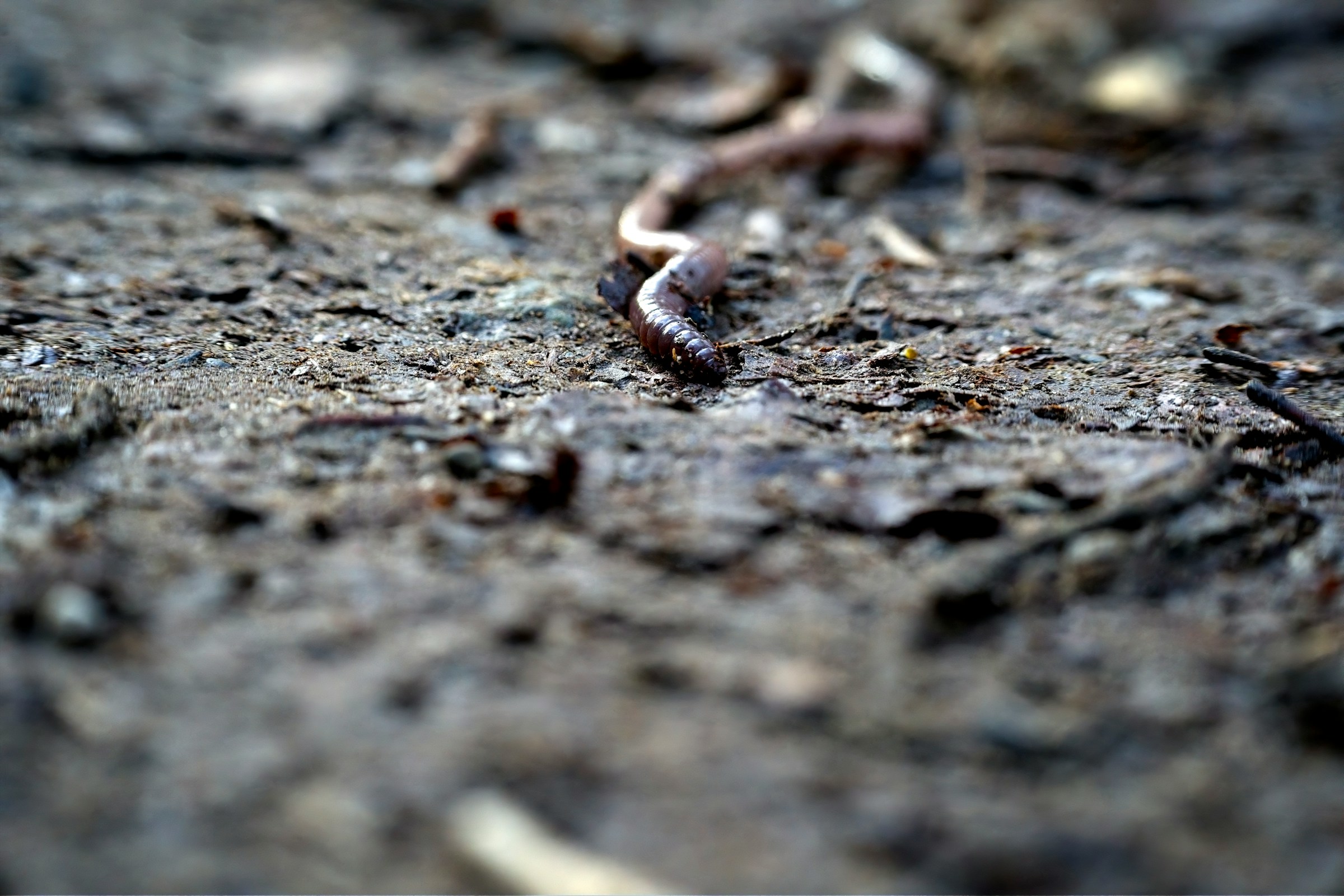

Spend enough time in a garden this summer and you might notice something unsettling. The soil near your flower bed looks crumbly and dry, like scattered coffee grounds. You reach down, disturb the top layer, and a worm starts thrashing sideways like a tiny snake. That’s not normal earthworm behavior. That’s a jumping worm, and it’s become one of the most talked-about invasive species in the country right now.
Agriculture officials across the United States are sounding the alarm over this destructive invasive pest, which is rapidly spreading across the country. The problem is not new, but the pace of expansion is accelerating in ways that are genuinely concerning for gardeners, forest managers, and ecologists alike.
What Exactly Is a Jumping Worm?
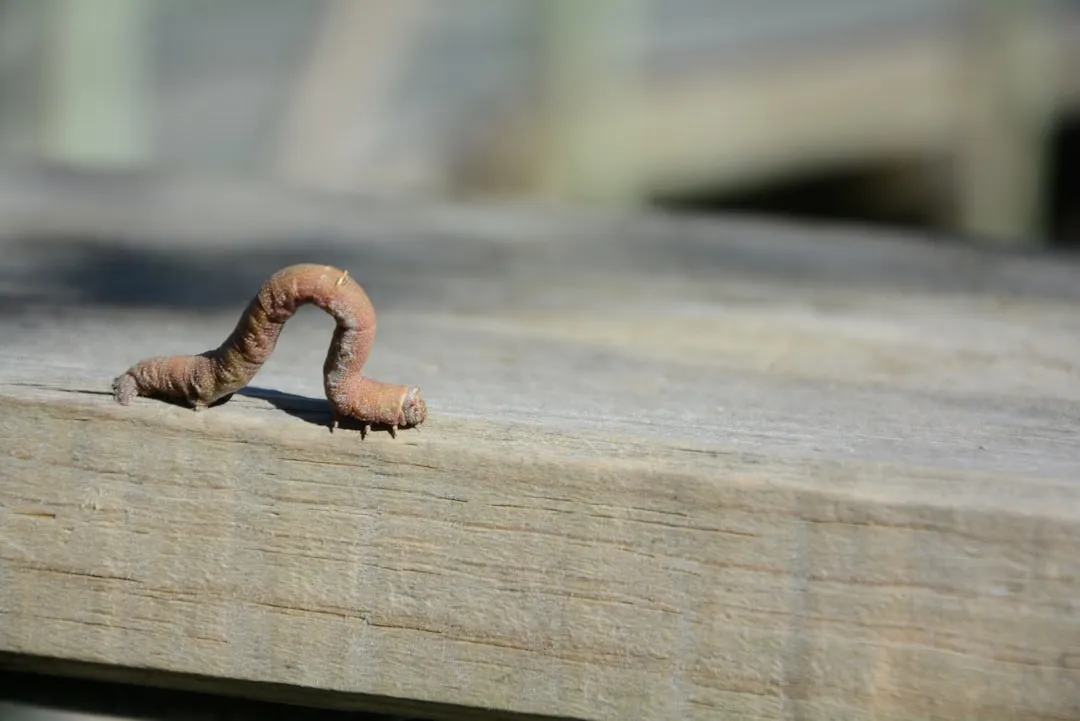
The invasive Asian jumping worm (Amynthas agrestis) goes by many common names, including Alabama jumpers, Jersey wrigglers, wood eel, crazy worms, snake worms, and crazy snake worms. According to information from Michigan State University, jumping worms are a type of earthworm indigenous to Japan.
When disturbed, they thrash, spring into the air, and even shed their tails to escape. Like some lizards, they can shed their tails to escape predators. That combination of behaviors makes them impossible to confuse with a common nightcrawler once you’ve seen them in action.
Worms referred to as jumping worms include three similar-looking species: Amynthas tokioensis, Amynthas agrestis, and Metaphire hilgendorfi, all of which are in the family Megascolecidae. Two or three species often occur in the same location, and they are all non-native species originating from Asia.
How Far Have They Spread?
The United States recorded its first sighting of the jumping worm in the late 1800s, and they have since spread to 38 U.S. states, predominantly in the Northeast, Southeast, and Midwest.
Native to East Asia, jumping worms first arrived in North America in the late 19th century, likely in imported plants or other horticultural and agricultural materials. Since then, they have become widespread across much of the Midwest, Southeast, and Northeast and have appeared along the West Coast in recent years.
Asian jumping worms were already established in much of the East, Midwest, and parts of the Northwest, but now they are threatening ecosystems in Colorado. The Colorado Department of Agriculture urged nurseries, landscapers, and landowners to be on the lookout for this “aggressive” species, which was first detected in the state in October 2025.
The Coffee Grounds Clue – Spotting the Damage in Your Soil
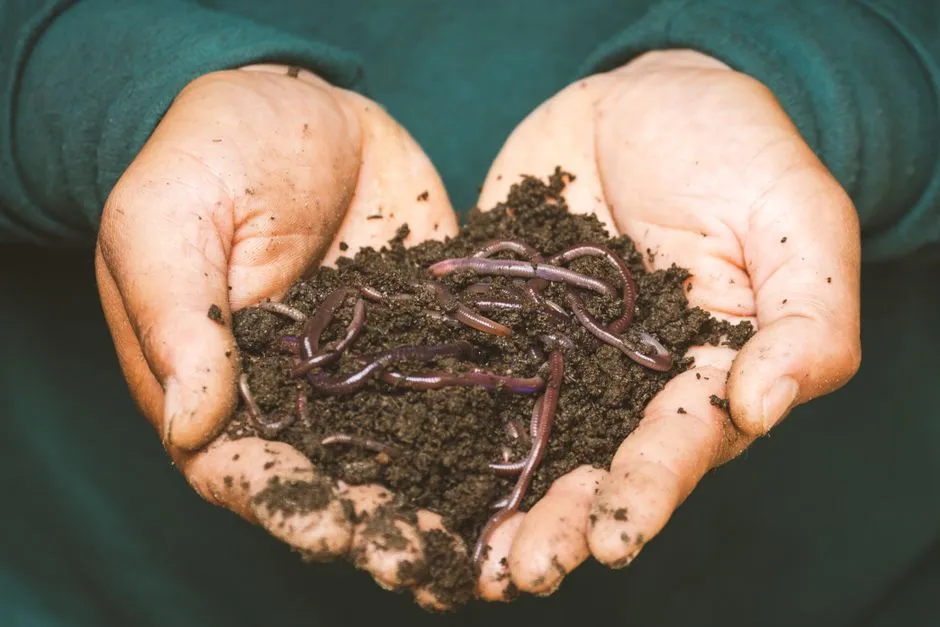
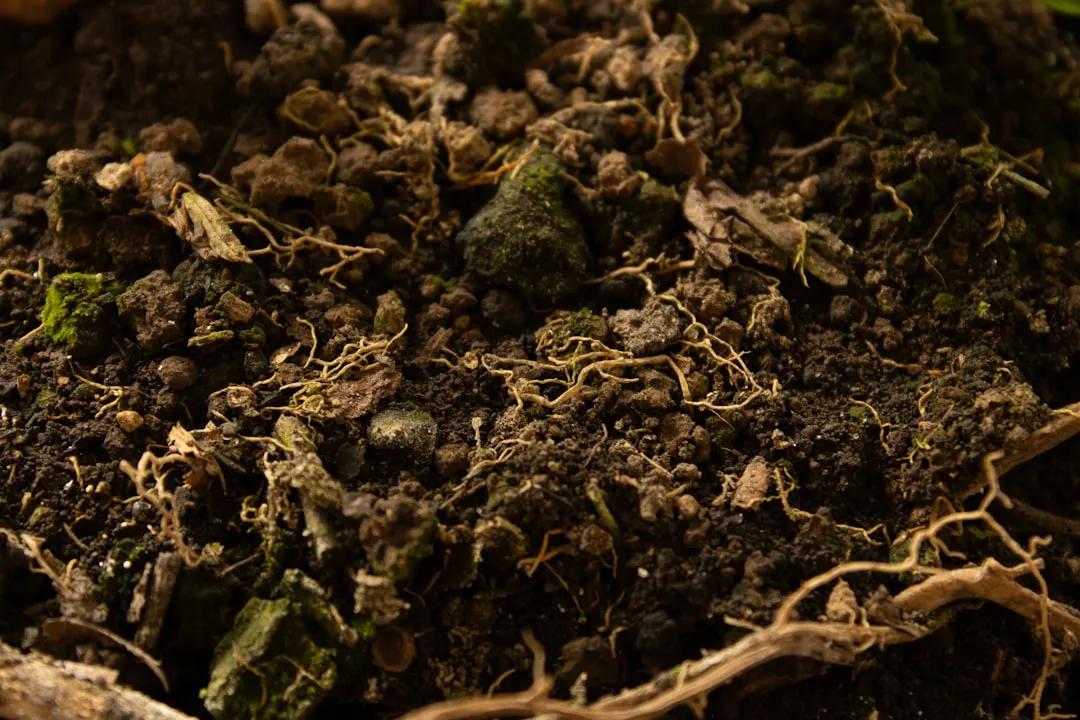
Jumping worms can quickly transform soil into dry, granular pellets with a texture similar to discarded coffee grounds. This altered soil structure is often unaccommodating to ornamental and garden plants and inhospitable to many native plant species.
According to Michigan State University, “if your mulch is disappearing at a faster-than-normal rate, and the soil looks crumbly like used coffee grounds, jumping worms may be present.” That’s often the first visible sign something is wrong, long before the worms themselves show up on the surface.
There are also signs in the plants themselves, which can look more yellow than healthy plants should and are far too easy to pull out of the ground. If your plants seem loose in the soil for no obvious reason, it’s worth investigating further.
How to Identify a Jumping Worm
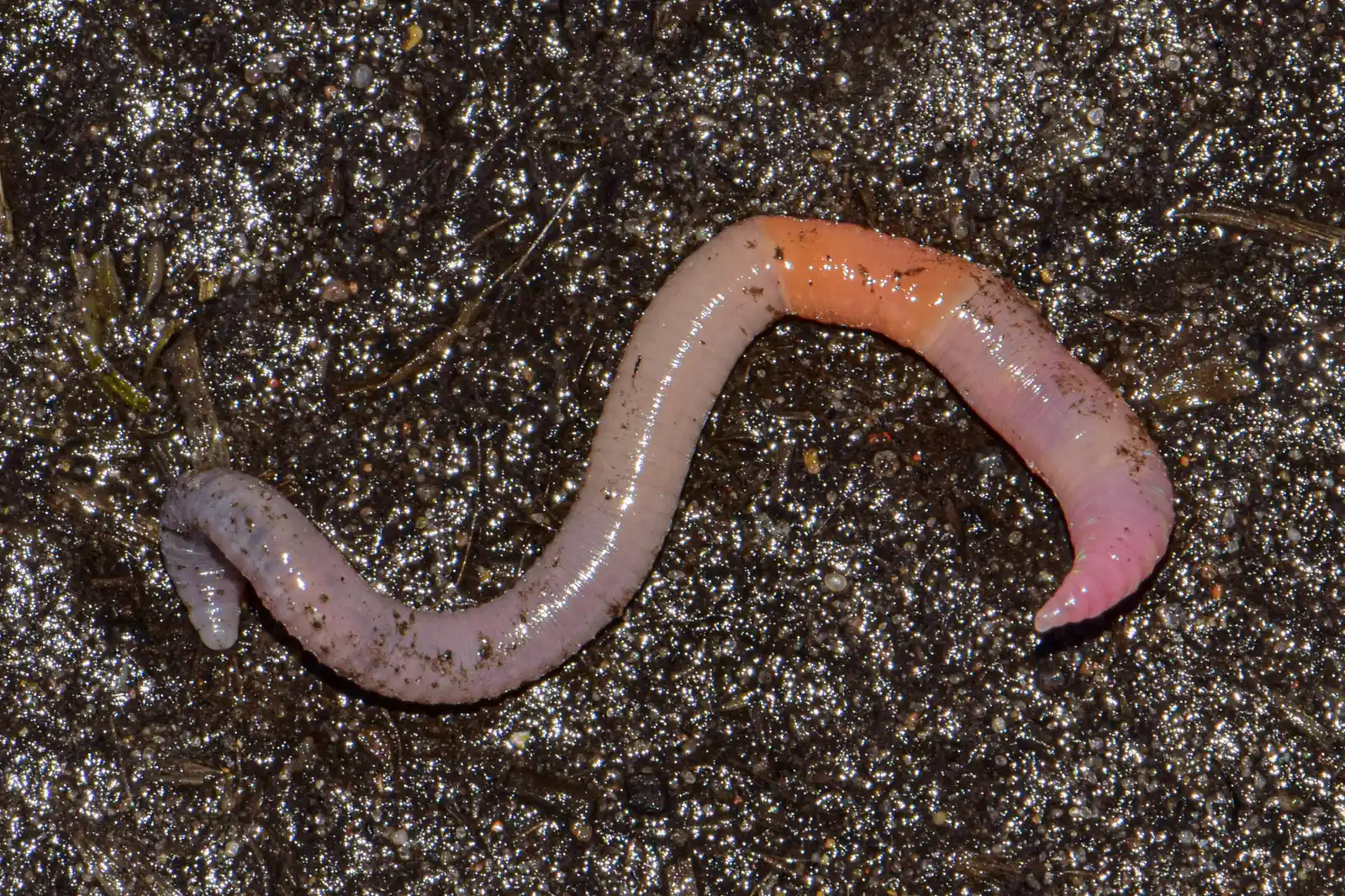
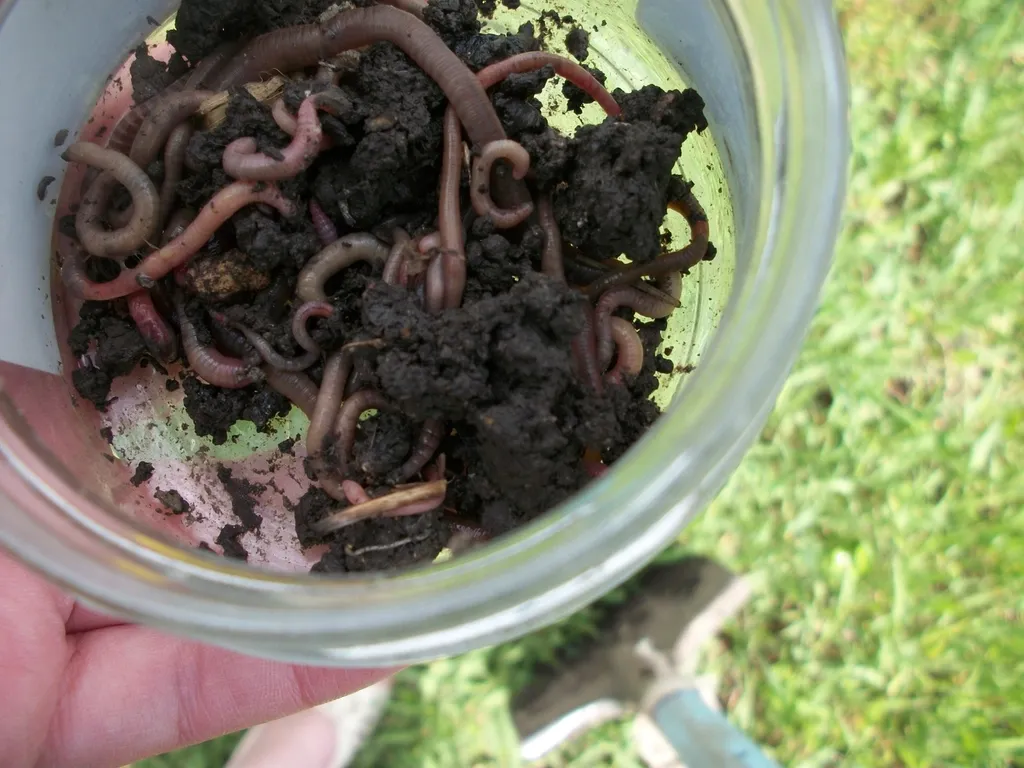
Jumping worms look nearly identical to a common earthworm, except for a thick, light-colored band near the top of their heads. That band, called the clitellum, is the key physical marker to look for.
Unlike European nightcrawlers, jumping worms have a distinct, prominent band around the body called the clitellum that produces cocoons. This clitellum is milky white to light gray, is flush with the body, and completely encircles it.
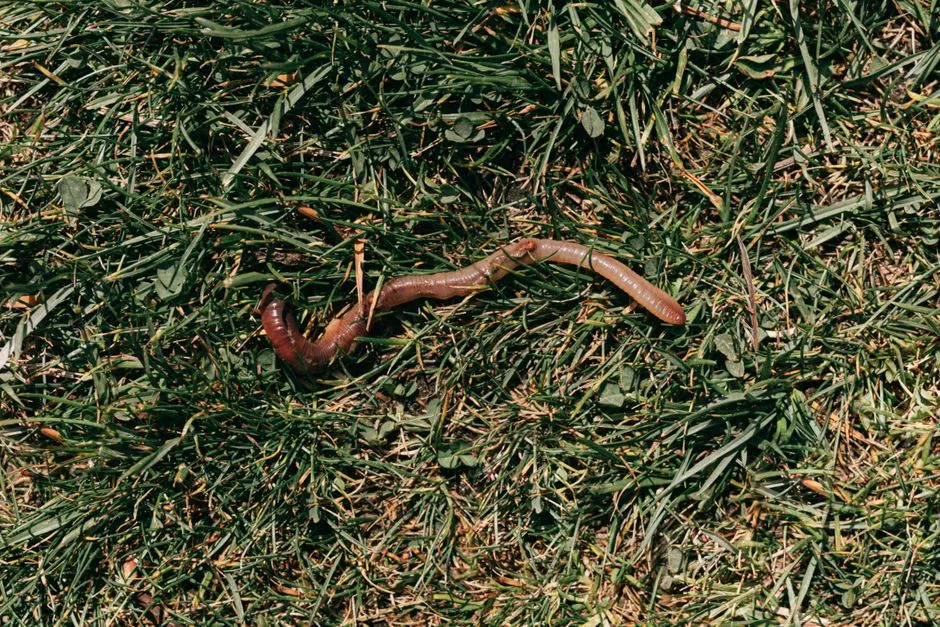
Jumping worms are long, red-to-brown colored worms that can reach up to 6 inches in length. Their bodies may appear metallic. They are much more active than typical earthworms and can be found on the soil surface and in leaf litter. If you see a worm sitting still on the topsoil in broad daylight, that behavior alone is unusual enough to take notice.
The Mustard Test – A Simple Home Check
The mustard test is a widely used way to check for jumping worms. Mix one-third cup of ground hot yellow mustard seed into one gallon of water and pour half of the liquid slowly over one square foot of soil you want to test. Wait a few minutes and pour the rest.
This will make worms of any kind come to the surface. Identify, collect, and discard jumping worms if present. The mustard solution will not harm plants or kill the worms.
Another test is to turn a pot upside down and gently remove the root ball. If crazy worms are present, the roots, as well as some potting soil, may be missing. Checking potted plants this way is especially useful before introducing new plants to your garden.
Why They’re So Hard to Stop
The worms are an annual species, with adults dying after the first freeze. However, their cocoons, which are about the size of a mustard seed, survive the winter and hatch when temperatures reach approximately 50 degrees Fahrenheit.
They are nearly impossible to get rid of because their tiny cocoons blend with the soil and can lay dormant for years. They can reproduce without mating, allowing populations to grow quickly and reach damaging levels.
Preventing the spread of the pest is paramount, as there are currently no effective eradication methods for the jumping worm. That reality makes early detection and containment the only realistic strategy available to homeowners right now.
The Ecological Damage They Cause
Their ravenous feeding degrades the soil, depleting its nutrients, increasing erosion, and creating opportunities for invasive plants to move in. Because jumping worms are more aggressive and their populations grow so quickly, they are also displacing native earthworms and European nightcrawlers, which help maintain soil health by tunneling through it.
The hyper-activity of the worms breaks down nutrients too quickly for plants to absorb. The resulting granular soil texture can harm plant roots and accelerate soil drying, creating a condition where nutrients are present but unavailable to plants.
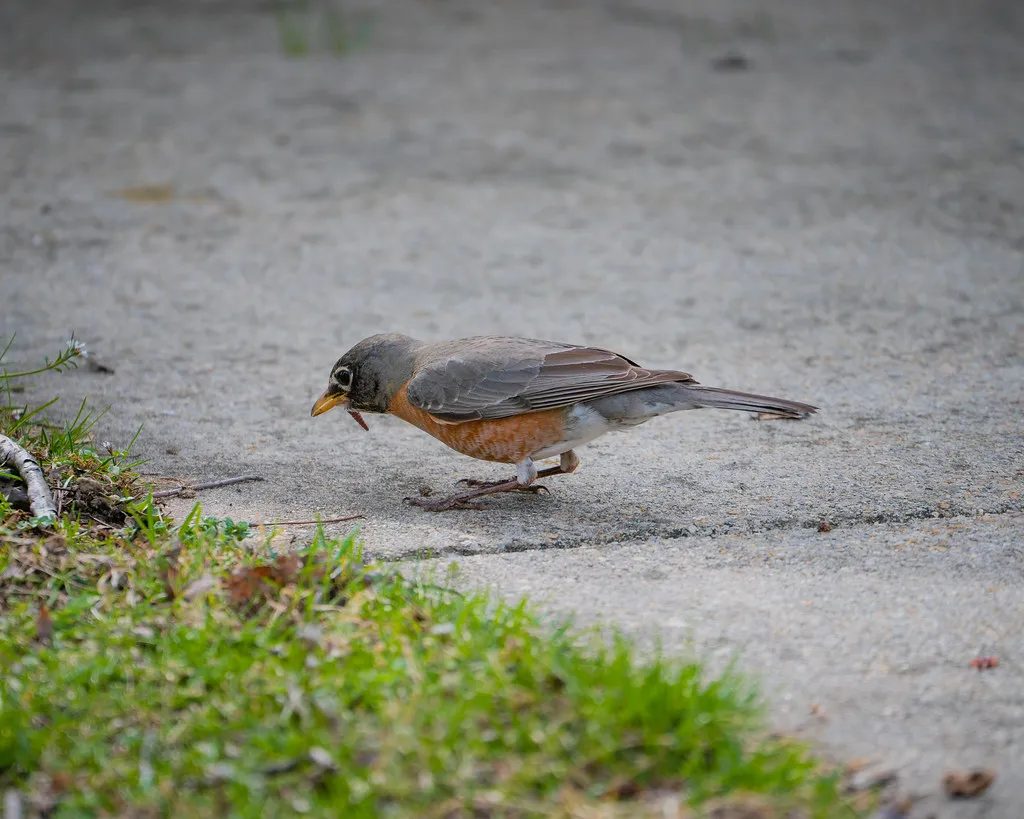
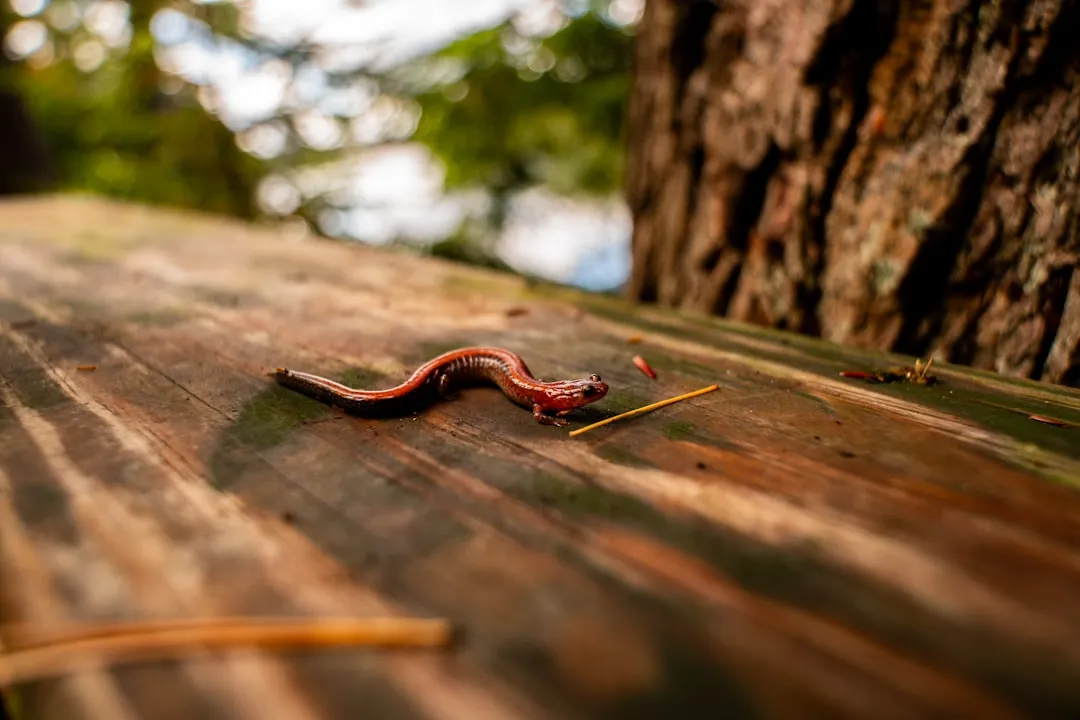
Jumping worms also destroy habitats for other invertebrates and ground nesting birds, because they eat leaf litter and organic matter in the topsoil at a faster rate than other earthworms. This behavior makes it hard for seedlings to grow, especially in forests.
How They Travel from Garden to Garden
They spread into new areas by way of mulches, compost, and potted plants, and in soil on tools, equipment, and shoes. The invisible nature of their cocoons is what makes this so difficult to control.
Jumping worm cocoons are hardy and tiny, about the size of a mustard seed. They can survive the winter and easily spread in soil and mulch and on landscaping or farming equipment.
The invasive species has been in the U.S. for as long as two centuries, but people have only recently started to recognize them. That long history of being overlooked likely explains why they’ve had such a head start on spreading undetected through nurseries and plant swaps.
What You Can Do Right Now to Protect Your Garden
Check that mulches and composts have been heat-treated to at least 130 degrees Fahrenheit by a reputable producer to kill any jumping worm cocoons. When possible, reduce risk by purchasing bare-root plants instead of those in potting mix.
A study from the University of Wisconsin found that the worm’s cocoons can’t survive if they are exposed to 100-degree temperatures for three days. Researcher Brad Herrick recommends using steam, direct fire, or creating a greenhouse effect by covering your garden with a clear plastic cover early in the season to kill off cocoons.
The University of Illinois Extension recommends picking out adult worms from the soil and leaving them in plastic bags under the sun for 10 minutes. Pouring a mixture of water and ground mustard seed on top of soil will also help bring jumping worms to the surface. Once you remove them, seal the bag tightly before disposal.
State Laws Are Starting to Catch Up
Beginning July 1, 2024, jumping worms were listed as prohibited invasive species in Minnesota. It is a misdemeanor to possess, import, purchase, transport, or introduce jumping worms without a permit.
The University of Wisconsin is beginning to study the possible impacts of the worms on agriculture, which signals that policy and research are both trying to move faster as the problem scales up. Researcher Brad Herrick noted that an insecticide called BotaniGard uses high concentrations of naturally occurring fungi that help control soft-bodied pests, including jumping worms, though it does not affect cocoons but will deplete adult populations.
If you suspect you have jumping worms on your property, file a report to your state or local agricultural department. Citizen reporting is one of the primary tools researchers are counting on to map and slow the spread across new regions.
The Ground Truth
Jumping worms won’t eat your house or bite your dog, but they can quietly hollow out the living layer of soil that your entire garden depends on. The threat is slow, granular, and easy to miss until real damage has already been done.
The good news is that checking your garden takes less than ten minutes and costs almost nothing. A small bag of ground mustard from your kitchen shelf, a gallon of water, and a careful look at your topsoil can tell you a great deal. The tools for detection are genuinely simple. The commitment to using them regularly is all that’s missing.
Spread of this species has been driven in large part by ordinary gardening habits: buying potted plants, sharing soil, hauling mulch without checking its source. Slowing it down works the same way, through the same small, everyday choices, just made with a bit more awareness.
AI Disclaimer: This article was created with the assistance of AI tools and reviewed by a human editor.