

As autumn leaves begin to fall and the air turns crisp, October presents a fantastic opportunity to blend beauty with functionality in your garden through edible landscaping. Integrating edible plants into your fall garden not only enhances its aesthetic appeal but also provides a bounty of fresh produce right at your doorstep. Whether you have a sprawling backyard or a compact balcony, there are numerous ways to incorporate fruits, vegetables, and herbs that thrive in the cooler months. Embracing edible landscaping in October allows you to enjoy both the visual splendor of your garden and the satisfaction of harvesting your own food, creating a harmonious and productive outdoor space!
Edible landscaping is all about thoughtfully designing your garden to include a variety of edible plants alongside ornamental ones, creating a seamless and sustainable ecosystem. By selecting plants that are well-suited to the fall climate, you can ensure a thriving garden that offers both beauty and nourishment. From hardy vegetables like kale and Brussels sprouts to aromatic herbs and flavorful fruits, the possibilities are endless. In this guide, I’m excited to share my favorite tips and plant selections for integrating edible landscaping into your fall garden, helping you create a vibrant and fruitful outdoor sanctuary that you can enjoy throughout the season and beyond!
Planting Herbs for Fragrance and Flavor
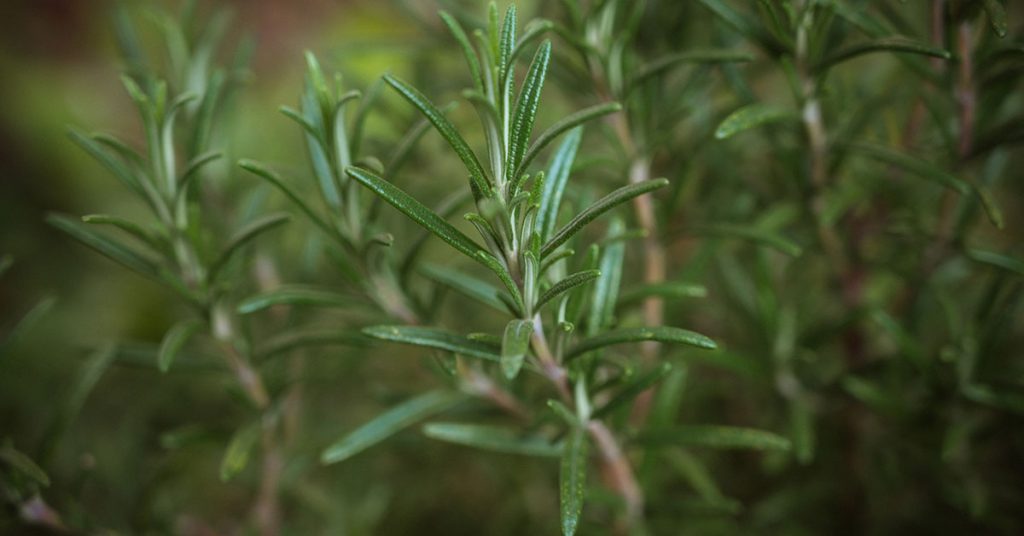
One of my favorite ways to enhance an edible landscape is by incorporating aromatic herbs that not only add delightful scents to your garden but also provide fresh flavors for your kitchen. Herbs like rosemary (Rosmarinus officinalis), native to the Mediterranean, thrive in the cooler temperatures of fall and add a touch of greenery and fragrance to your garden beds. Rosemary is not considered invasive, making it a safe and versatile addition that attracts beneficial insects such as bees and butterflies, which help pollinate your plants naturally. Additionally, rosemary can be used in a variety of dishes, from roasted vegetables to savory stews, making it a valuable culinary herb.
Another excellent choice is thyme (Thymus vulgaris), native to Europe and Asia, which flourishes in well-drained soil and partial sunlight. Thyme’s compact growth habit makes it perfect for edging garden beds or planting in containers, allowing you to maximize your space while enjoying its pleasant aroma and versatile uses. Thyme is also drought-tolerant, reducing the need for frequent watering and making it an ideal herb for sustainable fall gardening. By integrating herbs like rosemary and thyme into your fall garden, you create a fragrant and flavorful landscape that supports both your culinary needs and the overall health of your garden ecosystem!
Incorporating Berry Bushes for Sweet Harvests

Berry bushes are a wonderful addition to any fall edible landscape, providing sweet and nutritious fruits that can be enjoyed fresh or preserved for winter. One of my top picks is the blueberry bush (Vaccinium spp.), native to North America, which thrives in acidic soil and partial shade. Blueberries are not considered invasive and offer vibrant foliage that turns stunning shades of red and orange in the fall, adding both beauty and functionality to your garden. These bushes attract a variety of pollinators, including bees and hummingbirds, which enhance the health and productivity of your plants.
Another fantastic option is the cranberry bog (Vaccinium macrocarpon), native to North America, which produces tart and versatile berries perfect for sauces, baking, and winter preserves. Cranberries require specific growing conditions, such as sandy, acidic soil and ample water, making them an interesting and rewarding challenge for dedicated gardeners. By incorporating berry bushes into your fall garden, you not only enjoy a bountiful harvest but also support local wildlife and enhance the biodiversity of your edible landscape. These sweet additions bring both beauty and practicality, ensuring that your garden remains vibrant and productive well into the autumn months!
Planting Root Vegetables for Winter Storage
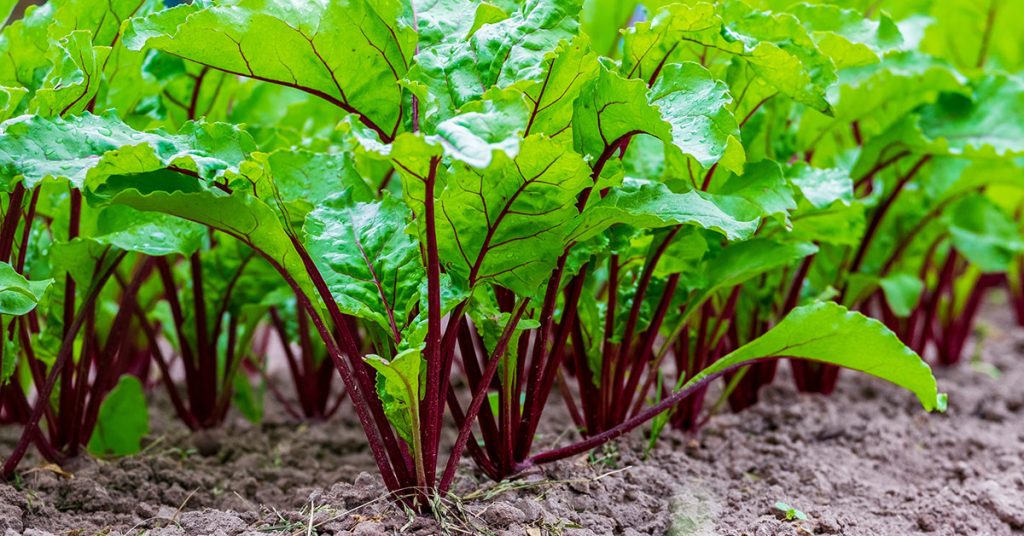
Root vegetables are essential components of an edible landscape, especially in the fall, as they can be harvested and stored for use throughout the winter. One of my favorites is the beet (Beta vulgaris), native to the Mediterranean region, which offers both beautiful foliage and delicious, nutritious roots. Beets are not invasive and can thrive in the cooler temperatures of fall, making them perfect for autumn gardens. Their vibrant colors add visual interest, while their sweet, earthy flavors make them a versatile ingredient in salads, soups, and roasted dishes.
Another excellent choice is the carrot (Daucus carota), also native to the Mediterranean, known for its crisp texture and sweet taste. Carrots can be planted in late summer to early fall, allowing them to mature as the temperatures cool. Harvesting carrots in October ensures that they are at their peak flavor and can be stored in a cool, dry place for several months. Proper storage techniques, such as keeping them in a root cellar or a cool basement, help maintain their freshness and nutritional value throughout the winter. By planting root vegetables like beets and carrots, you create a resilient and long-lasting food source that sustains your edible landscape even when fresh produce is scarce!
Designing with Edible Perennials for Continuous Yield

Incorporating edible perennials into your fall garden design ensures a continuous yield year after year with minimal maintenance. One standout perennial is asparagus (Asparagus officinalis), native to Europe, which can produce delicious spears for up to 20 years once established. Asparagus requires well-drained soil and plenty of sunlight, making it a reliable and rewarding addition to your fall garden. It attracts beneficial insects like ladybugs and lacewings, which help control pest populations naturally, enhancing the overall health of your garden.
Another fantastic perennial is the artichoke (Cynara scolymus), native to the Mediterranean, which not only produces edible flower buds but also adds a striking architectural element to your garden. Artichokes are not considered invasive and thrive in warm, sunny locations, making them a great choice for fall planting in mild climates. These plants attract pollinators and provide a habitat for various beneficial insects, contributing to a balanced and thriving garden ecosystem. By designing with edible perennials like asparagus and artichokes, you create a sustainable and productive landscape that offers both aesthetic beauty and a steady supply of fresh produce throughout the seasons!
Utilizing Vertical Space with Climbing Edibles
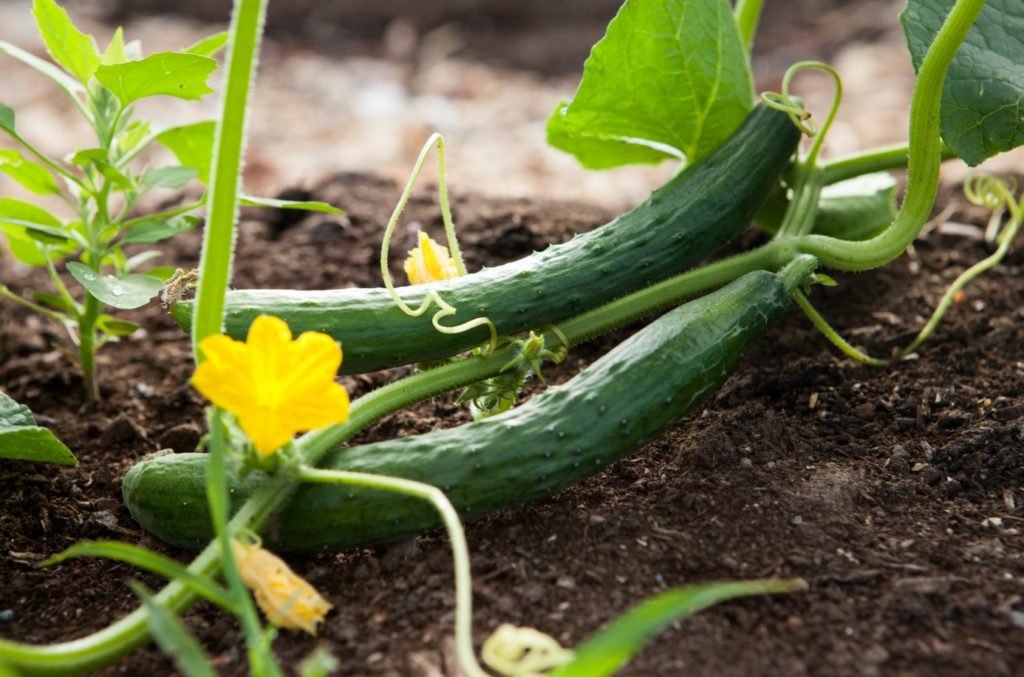
Maximizing vertical space in your fall garden is a smart way to integrate more edible plants without taking up valuable ground space. Climbing edibles like pole beans (Phaseolus vulgaris) native to Central and South America, and cucumbers (Cucumis sativus) native to South Asia, are excellent choices for vertical gardening. These plants require trellises or other support structures to grow upwards, freeing up space for other plants and adding a lush, green backdrop to your garden. Pole beans and cucumbers not only produce abundant yields but also attract pollinators such as bees and butterflies, enhancing the overall health and productivity of your garden.
Another fantastic vertical edible is the grapevine (Vitis vinifera), native to the Mediterranean region, which produces sweet and versatile grapes perfect for eating fresh, making jellies, or fermenting into wine. Grapevines can be trained to grow on pergolas, arbors, or trellises, creating a stunning focal point in your fall garden while providing a continuous supply of delicious fruit. Additionally, strawberries (Fragaria × ananassa) can be grown vertically using hanging baskets or wall-mounted planters, allowing you to enjoy their sweet berries without occupying much space. By utilizing vertical space with climbing edibles, you create a dynamic and efficient garden layout that maximizes productivity and beauty, ensuring that your fall garden is both functional and visually appealing!
Incorporating Edible Flowers for Beauty and Flavor
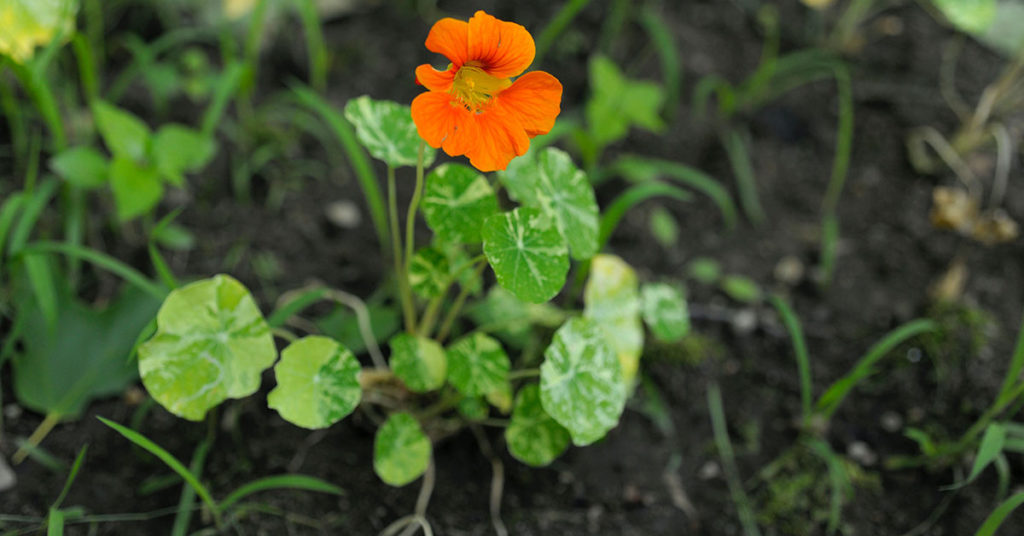
Edible flowers are a delightful addition to any fall edible landscape, providing both visual beauty and unique flavors that can enhance a variety of dishes. One of my favorite edible flowers is the nasturtium (Tropaeolum majus), native to South America, which offers vibrant, trumpet-shaped blooms that add a pop of color to salads, garnishes, and beverages. Nasturtiums are not invasive and are easy to grow, thriving in full sun and well-drained soil. Their peppery flavor complements a wide range of culinary creations, making them a versatile and attractive choice for fall gardens.
Another excellent option is the calendula (Calendula officinalis), native to Southern Europe, known for its bright orange and yellow flowers that can be used to add color and a slightly spicy taste to dishes. Calendula petals are perfect for infusing oils, adding to soups, or using as a natural food coloring. These flowers attract pollinators like bees and butterflies, which help in the pollination of other edible plants in your garden. Additionally, calendula has medicinal properties, making it a valuable plant for natural remedies. By incorporating edible flowers like nasturtiums and calendula into your fall garden, you enhance both the beauty and functionality of your landscape, creating a colorful and flavorful edible paradise!
Sustainable Practices for Edible Fall Gardens

Embracing sustainable practices in your fall edible garden not only benefits the environment but also enhances the health and productivity of your plants. One key practice is composting, which involves recycling kitchen scraps and garden waste into nutrient-rich compost that improves soil fertility and structure. Adding compost to your garden beds ensures that your plants receive essential nutrients naturally, reducing the need for chemical fertilizers and promoting a healthy ecosystem. Composting also helps retain soil moisture and suppress weeds, making it an invaluable addition to your sustainable gardening efforts.
Another sustainable practice is water conservation through efficient irrigation systems like drip irrigation or soaker hoses, which deliver water directly to the plant roots, minimizing evaporation and runoff. Collecting rainwater using barrels or other harvesting systems provides a natural and eco-friendly water source for your garden, reducing dependency on municipal water supplies. Additionally, planting native and drought-tolerant species ensures that your garden remains resilient and requires less water and maintenance. By incorporating these sustainable practices, you create an eco-friendly and self-sufficient fall edible garden that thrives with minimal environmental impact, ensuring a beautiful and productive landscape year after year!