

As the vibrant colors of autumn begin to settle in, it’s the perfect time to enhance your garden with the soothing scents and therapeutic benefits of aromatherapy plants. Integrating these fragrant varieties not only elevates the sensory experience of your outdoor space but also supports your well-being by providing natural stress relief and relaxation. Imagine walking through a garden filled with the calming aromas of lavender, the uplifting fragrance of rosemary, and the invigorating scent of sage—all harmoniously blending to create a tranquil sanctuary amidst the changing seasons. I’m thrilled to share my favorite tips and plant selections to help you design a fall garden that delights your senses and nurtures your soul!
Aromatherapy plants are not only beautiful additions to your fall garden but also offer a myriad of benefits that go beyond their delightful fragrances. These plants attract beneficial insects like bees and butterflies, which play a crucial role in pollination and maintaining a healthy ecosystem. Additionally, many aromatherapy plants have medicinal properties that can be used in teas, oils, and natural remedies, making your garden both aesthetically pleasing and practically beneficial. Whether you’re a seasoned gardener or just starting out, incorporating aromatherapy plants into your fall garden design can transform your outdoor space into a fragrant and functional haven. Let’s dive into the essential steps for selecting, planting, and caring for these wonderful plants to ensure a vibrant and aromatic fall garden!
Selecting the Right Aromatherapy Plants
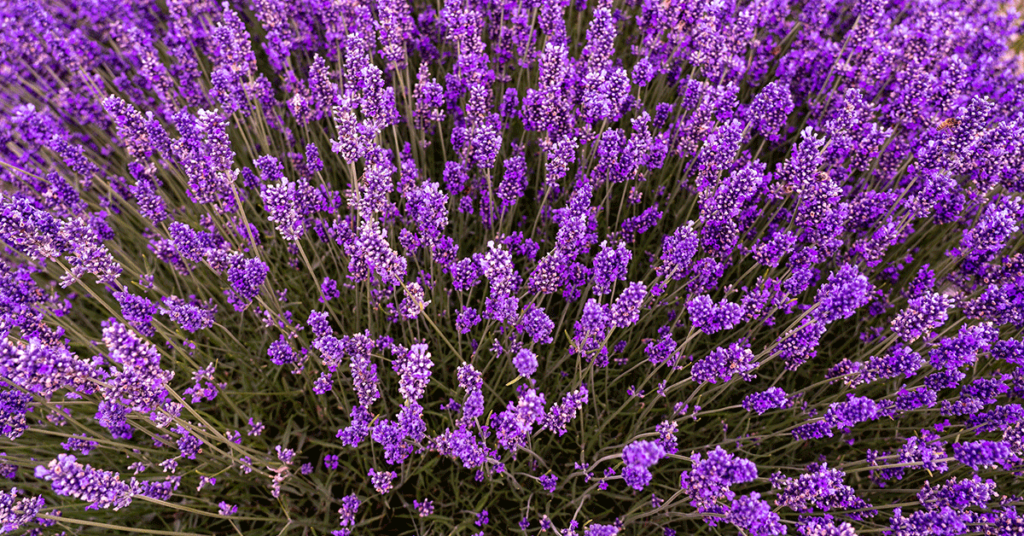
Choosing the right aromatherapy plants is the cornerstone of a successful and fragrant fall garden. Native varieties like Lavender (Lavandula angustifolia) native to the Mediterranean are excellent choices due to their hardiness and ability to thrive in well-drained soils with plenty of sunlight. Lavender not only offers a soothing scent that can help reduce stress and anxiety but also attracts pollinators such as bees and butterflies, enhancing the biodiversity of your garden. Another fantastic option is Rosemary (Rosmarinus officinalis), also native to the Mediterranean, known for its invigorating aroma and culinary uses. Rosemary is a hardy perennial that can withstand the cooler temperatures of fall, making it a reliable and fragrant addition to your garden.
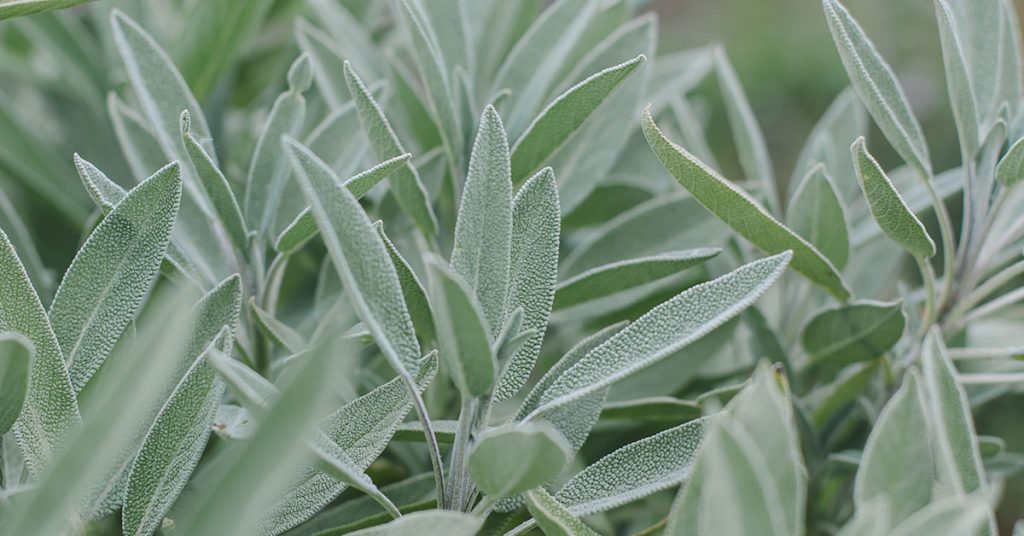
Additionally, Sage (Salvia officinalis) native to the Mediterranean region is a versatile aromatherapy plant that provides both aesthetic and functional benefits. Its strong, earthy scent is perfect for creating a calming atmosphere, and it serves as a natural pest repellent, protecting other plants in your garden from unwanted insects. When selecting aromatherapy plants, consider their growth habits, light requirements, and compatibility with other garden elements to ensure they flourish throughout the fall season. By carefully choosing a mix of native aromatherapy plants, you create a harmonious and resilient garden that offers a continuous supply of delightful fragrances and attracts beneficial wildlife, enriching your gardening experience!
Caring for Aromatherapy Plants in Fall
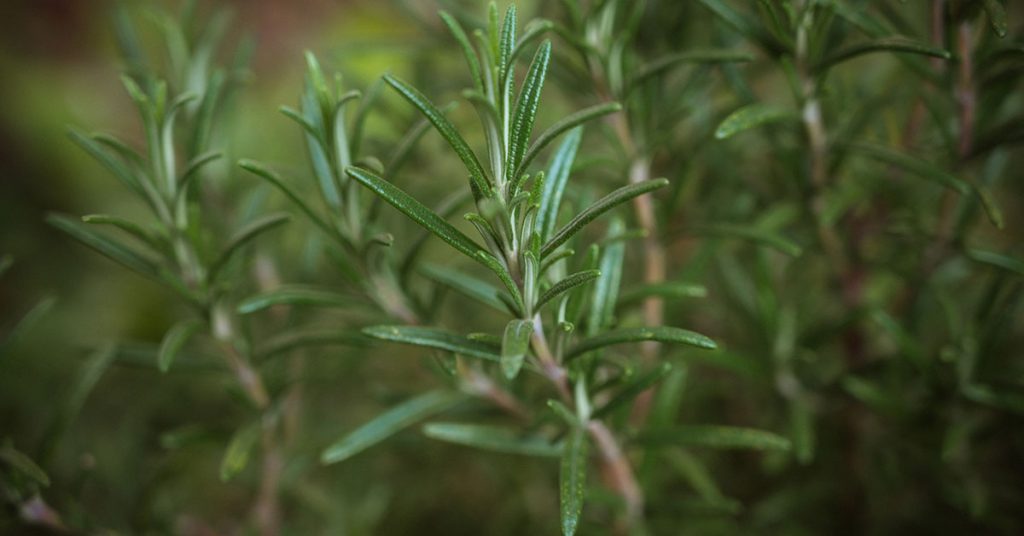
Proper care is essential to ensure that your aromatherapy plants thrive throughout the fall season and beyond. As temperatures begin to drop, it’s important to adjust your watering routine to prevent overwatering, which can lead to root rot and other fungal diseases. Most aromatherapy plants, such as Lavender and Rosemary, prefer well-drained soil and should be watered deeply but infrequently, allowing the soil to dry out between watering sessions. Additionally, applying a layer of mulch around the base of your plants helps retain soil moisture, regulate temperature, and suppress weed growth, creating a stable environment for your aromatherapy plants to flourish.
Pruning is another crucial aspect of fall care for aromatherapy plants. Regularly trimming back spent blooms and overgrown stems encourages new growth and maintains the shape and health of your plants. For instance, pruning Lavender after the first frost removes any dead or damaged stems, promoting airflow and reducing the risk of disease. Similarly, trimming Rosemary helps maintain its compact form and prevents it from becoming leggy during the colder months. By implementing these care practices, you ensure that your aromatherapy plants remain healthy, vibrant, and ready to provide their wonderful fragrances well into the winter season!
Creating Companion Planting with Aromatherapy Varieties
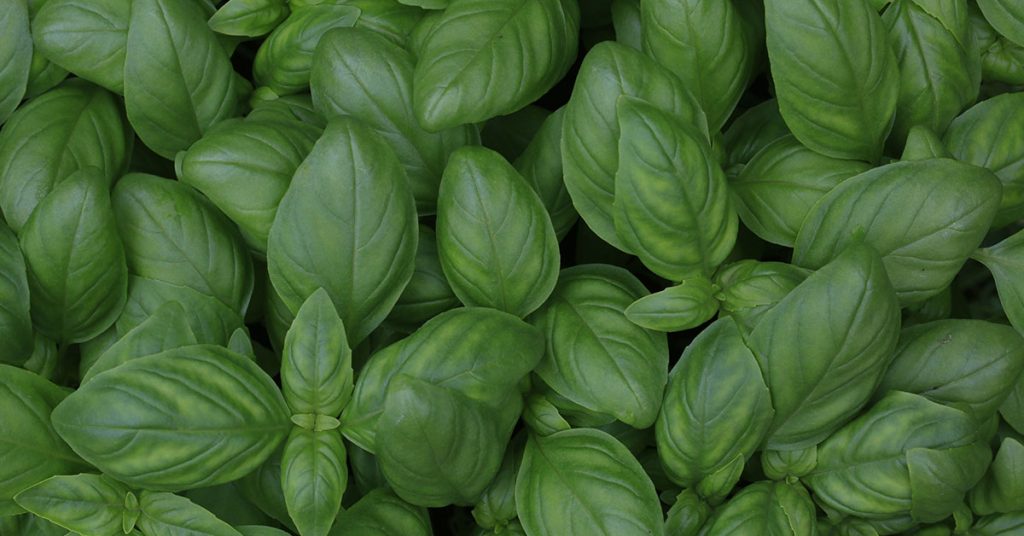
Companion planting is a fantastic strategy to maximize the benefits of aromatherapy plants in your fall garden. By pairing aromatherapy varieties with other complementary plants, you can enhance growth, deter pests, and create a balanced and thriving ecosystem. For example, planting Basil (Ocimum basilicum) native to tropical regions alongside Lavender not only adds a culinary herb to your garden but also attracts beneficial pollinators while repelling pests like aphids and mosquitoes. Similarly, Rosemary paired with Sage creates a synergistic effect, where both plants thrive together and support each other’s growth through their complementary fragrances and natural pest-repellent properties.
Another excellent companion pairing involves Lavender and Marigolds (Tagetes spp.) native to the Americas. Marigolds are known for their vibrant colors and strong scent, which help deter harmful insects, making them perfect companions for Lavender that attracts pollinators. Additionally, integrating flowering herbs like Thyme (Thymus vulgaris) native to Europe with Rosemary can create a multi-layered garden that offers diverse scents and attracts a variety of beneficial insects. By thoughtfully designing companion plantings, you create a harmonious and efficient garden where each plant supports and enhances the others, resulting in a vibrant and aromatic fall garden that is both beautiful and resilient!
Utilizing Aromatherapy Plants for Scent and Atmosphere
Aromatherapy plants are key to creating a sensory-rich atmosphere in your fall garden, enhancing both the aesthetic appeal and the emotional well-being of those who enjoy it. Plants like Lavender and Rosemary emit soothing and uplifting fragrances that can transform your garden into a tranquil retreat, perfect for relaxation and meditation. The gentle scent of Lavender helps to reduce stress and promote a sense of calm, while the invigorating aroma of Rosemary can boost mental clarity and alertness, making your garden a perfect space for unwinding after a long day or engaging in creative activities.
In addition to their therapeutic scents, aromatherapy plants contribute to the overall ambiance of your garden through their visual beauty and texture. The silvery-green foliage of Sage adds a touch of elegance and contrast to the vibrant blooms of Lavender, creating a visually stunning display that appeals to all the senses. Incorporating a variety of aromatherapy plants with different colors and forms enhances the complexity and interest of your garden design, ensuring that it remains captivating and inviting throughout the fall season. By leveraging the natural fragrances and visual appeal of aromatherapy plants, you create a harmonious and enchanting garden space that delights and soothes, offering a perfect sanctuary for both you and your guests!
Attracting Beneficial Wildlife
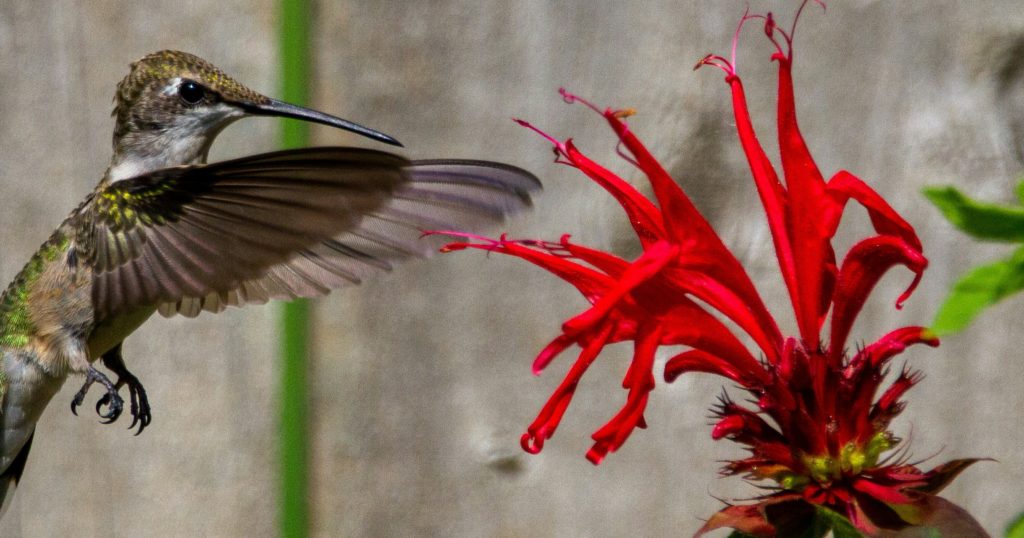
Integrating aromatherapy plants into your fall garden not only enhances its beauty and scent but also plays a significant role in attracting beneficial wildlife. Plants like Lavender and Sage are known to attract a variety of pollinators, including bees, butterflies, and hummingbirds, which are essential for the pollination and overall health of your garden ecosystem. These pollinators help increase the yield of your plants and ensure the propagation of many plant species, contributing to a thriving and productive garden. Additionally, aromatic herbs like Rosemary and Thyme attract predatory insects such as ladybugs and lacewings, which help control pest populations naturally, reducing the need for chemical interventions.
Moreover, creating a butterfly-friendly environment with aromatic plants encourages biodiversity and supports the life cycles of various species. The vibrant blooms of Lavender provide nectar sources for butterflies, while the dense foliage of Sage offers shelter and nesting sites for small birds and beneficial insects. By fostering a habitat that supports a diverse range of wildlife, you enhance the ecological balance of your garden and create a dynamic and lively outdoor space. This natural harmony not only benefits your plants but also provides you with the joy of observing and interacting with the fascinating creatures that visit your garden, making your fall gardening experience even more rewarding!
Ensuring Sustainable Practices

Incorporating aromatherapy plants into your fall garden aligns perfectly with sustainable gardening practices, promoting environmental stewardship and reducing your ecological footprint. Aromatherapy plants are often perennial, meaning they come back year after year, reducing the need for replanting and conserving resources. Additionally, many aromatherapy varieties are drought-tolerant and require minimal chemical inputs, making them eco-friendly choices that support a healthier garden ecosystem. For example, Lavender is known for its ability to thrive in poor soils and dry conditions, reducing the need for excessive watering and fertilization, while still providing abundant blooms and fragrances.
Furthermore, practicing organic gardening methods with aromatherapy plants enhances soil health and promotes the presence of beneficial microorganisms that support plant growth and resilience. Using compost and natural fertilizers enriches the soil, providing essential nutrients without the harmful effects of synthetic chemicals. Mulching around aromatic herbs like Rosemary and Sage helps retain soil moisture, suppress weeds, and regulate soil temperature, creating a stable and nurturing environment for your plants. By embracing sustainable practices, you create a garden that is not only beautiful and fragrant but also environmentally responsible and resilient, ensuring that it remains a vibrant and thriving sanctuary for years to come!
Designing with Aromatherapy Plants for Maximum Impact
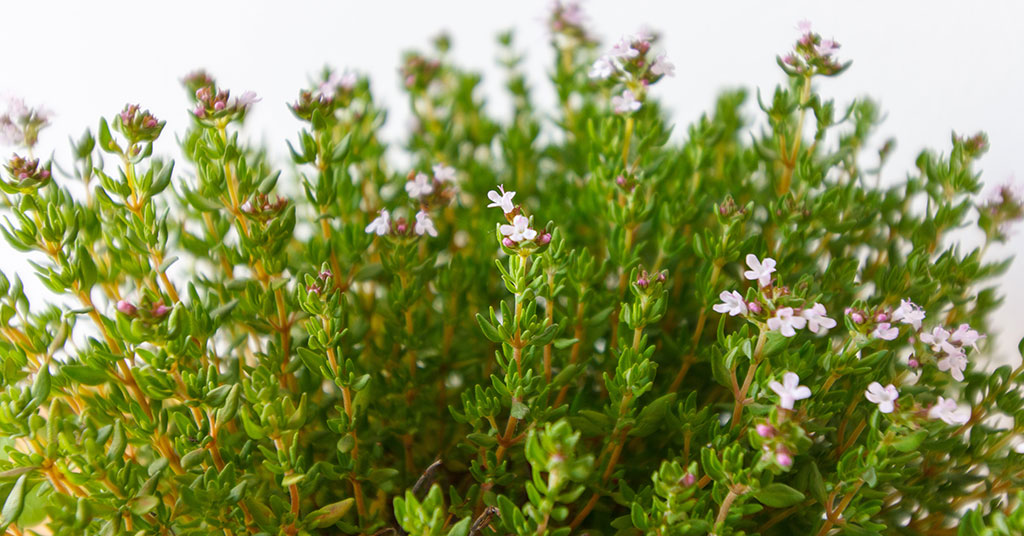
Designing your fall garden with aromatherapy plants requires thoughtful planning and strategic placement to maximize their aesthetic and therapeutic benefits. Start by creating designated areas or focal points where the scents of your aromatic herbs can be most appreciated. For example, placing Lavender and Rosemary near seating areas or outdoor dining spaces ensures that their delightful fragrances enhance your relaxation and dining experiences. Additionally, grouping plants with similar light and water requirements together makes maintenance easier and promotes healthy growth.
Incorporate a variety of plant heights, textures, and colors to create a visually appealing and dynamic garden layout. Taller plants like Sage can serve as natural backdrops, while shorter herbs like Thyme and Lavender add layers of fragrance and color in the foreground. Using decorative containers or raised beds can also enhance the visual impact of your aromatherapy plants, allowing for easy arrangement and movement as needed. By designing with a focus on the sensory and visual harmony of aromatherapy plants, you create a cohesive and enchanting fall garden that delights all the senses and provides a serene and inviting outdoor sanctuary!