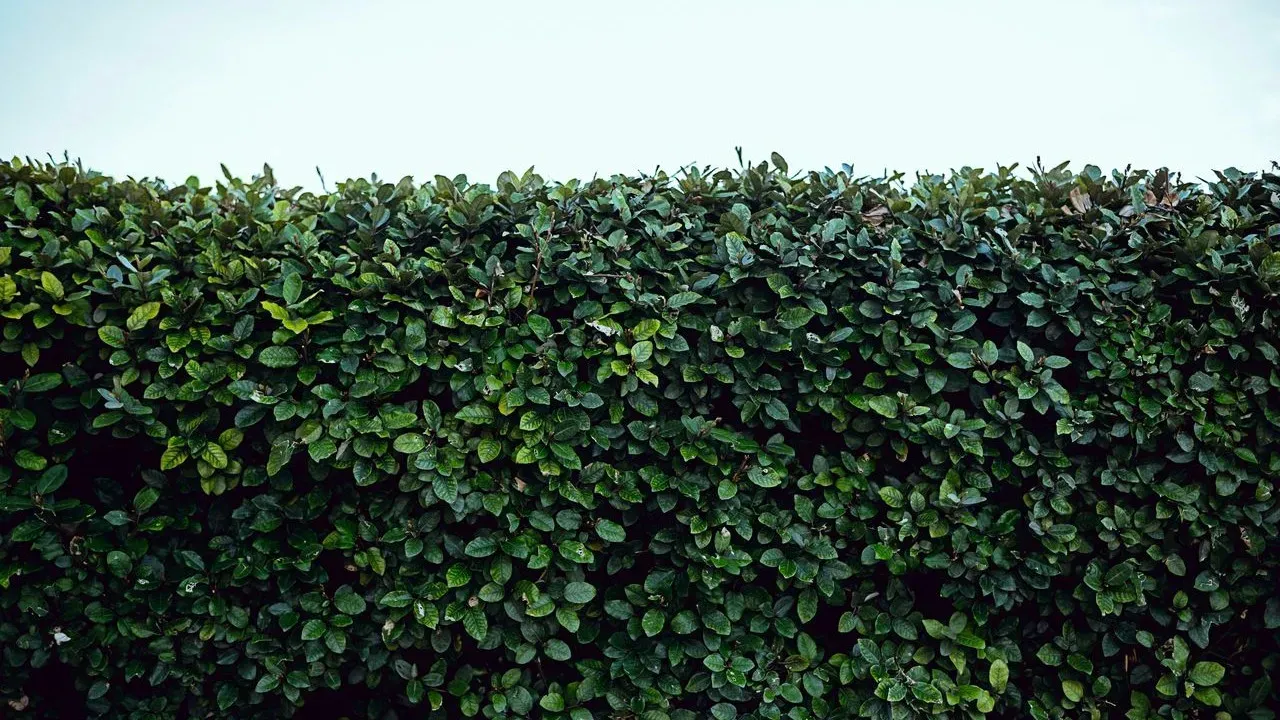

Historic Greenbelt, Maryland – A community shaped by 1930s planning ideals now contends with the practical shortcomings of its signature evergreen hedges, particularly where space is limited. The original landscaping, documented in a 1938 photograph, reflected a vision of open yards that encouraged communal interaction rather than private enclosures. Over time, those hedges have grown beyond their intended scale, and newer plantings have added to the strain in compact townhouse settings. ([1])
Roots in a Utopian Plan
The hedges trace back to a 1939 design that restricted front and back yards to short plantings only. The goal was to keep sightlines open so residents could garden and socialize together across property lines. Other elements of that era’s social framework, including exclusionary rules, have faded, yet the hedge tradition persists. Today the original plantings often exceed practical heights, while newer ones fill gaps left by fencing restrictions in the co-op.
Daily Demands of Upkeep
Pruning these hedges requires specialized skill that goes beyond basic yard work. In tight spaces, improper cuts can lead to sparse growth or repeated cycles of heavy trimming. One resident reported spending four full weekends twice a year on the task.
Professional help carries its own price tag, with costs ranging from several hundred to over a thousand dollars per session depending on the crew’s expertise. Many of the species chosen decades ago prove poorly matched to current conditions. Privet and euonymus dominate older rows, and both present regional challenges.
Privet spreads aggressively through bird-dispersed seeds and can crowd out native understory plants. Euonymus varieties once favored for dense foliage now face disease pressures and require at least several hours of direct sun to stay compact. Newer attempts with arborvitae or cryptomeria have also faltered when drought or mismatched shapes left gaps instead of screens.
Broader Effects on the Neighborhood
Overgrown branches frequently encroach on walkways and sidewalks, creating obstacles for pedestrians and even vehicles. Taller hedges also alter the original sense of openness, sometimes reducing visibility along paths and leaving residents feeling less secure after dark. What began as a tool for community connection has in places become a barrier that divides rather than unites shared spaces.
A single plant failure in a uniform row can leave an unsightly hole that takes years to fill, underscoring the vulnerability of monoculture plantings. Experts note that mixed species often provide more resilient screening over time, though establishing any new hedge still demands patience and consistent care.
AI Disclaimer: This article was created with the assistance of AI tools and reviewed by a human editor.