
Gardens are quietly becoming a battleground for water. Summers are getting hotter, rainfall is getting less predictable, and the kind of lush, thirsty planting schemes that once seemed normal are starting to look like a liability. A garden that lives almost entirely on rainfall is no longer a Southwestern thing. Water restrictions, hotter summers, and busier lives have pushed drought-tolerant plants from a niche pursuit into a mainstream choice across much of the country.
Residential outdoor water use across the United States accounts for nearly 8 billion gallons of water each day, mainly for landscape irrigation. The average U.S. household uses more water outdoors than for showering and washing clothes combined. Choosing the right plants is the single most effective step most gardeners can take to change that equation.
Why Water-Wise Gardening Is More Relevant Than Ever
Outdoor water use accounts for more than 30 percent of total household water use on average, but can be as much as 60 percent of total household water use in arid regions. Those numbers are hard to ignore, especially as water costs continue to climb.
According to research cited in National Geographic, switching to a water-wise landscape can cut outdoor water use by 50 to 75 percent. In some communities, that translates to roughly 120 fewer gallons of water per household per day. That’s a meaningful reduction, not a marginal one.
By growing drought-tolerant plants and taking simple steps to conserve moisture in the soil, gardeners can create outdoor spaces that remain attractive even when rainfall is limited. Water-wise gardens can also support pollinators and other wildlife that rely on flowers and vegetation for food and shelter.
How Drought-Tolerant Plants Actually Work
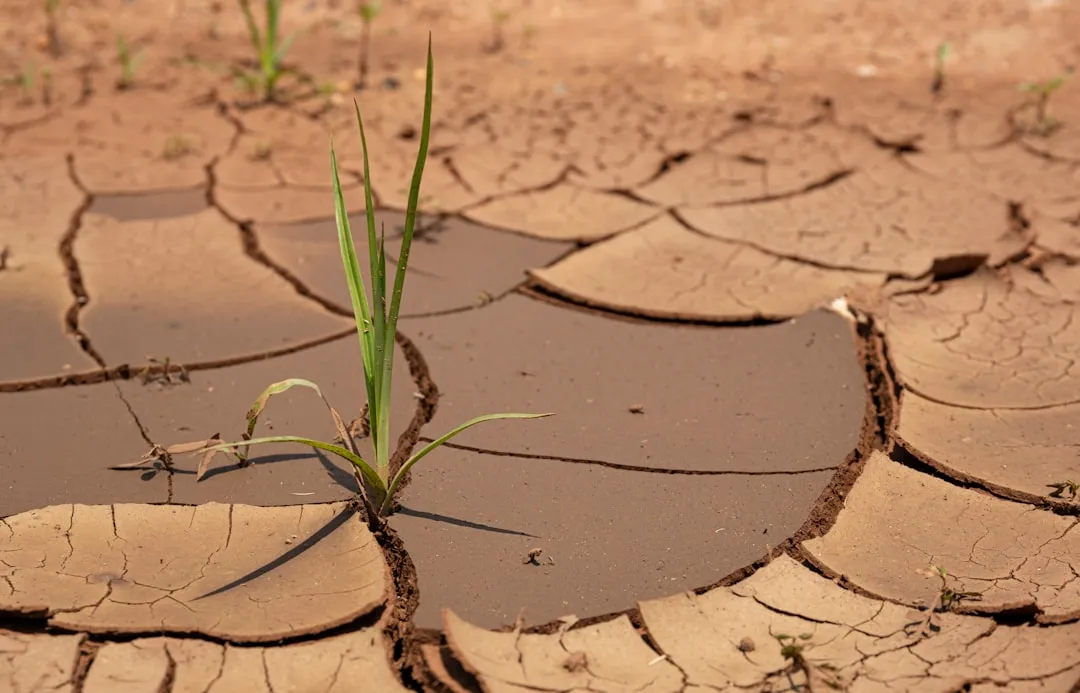
Look for plants that are naturally adapted to dry environments. These are often native plants from your region or species that evolved in climates with hot summers and limited rainfall. Plants with deep or fibrous root systems, thick leaves, or woody stems are also more likely to tolerate drought.
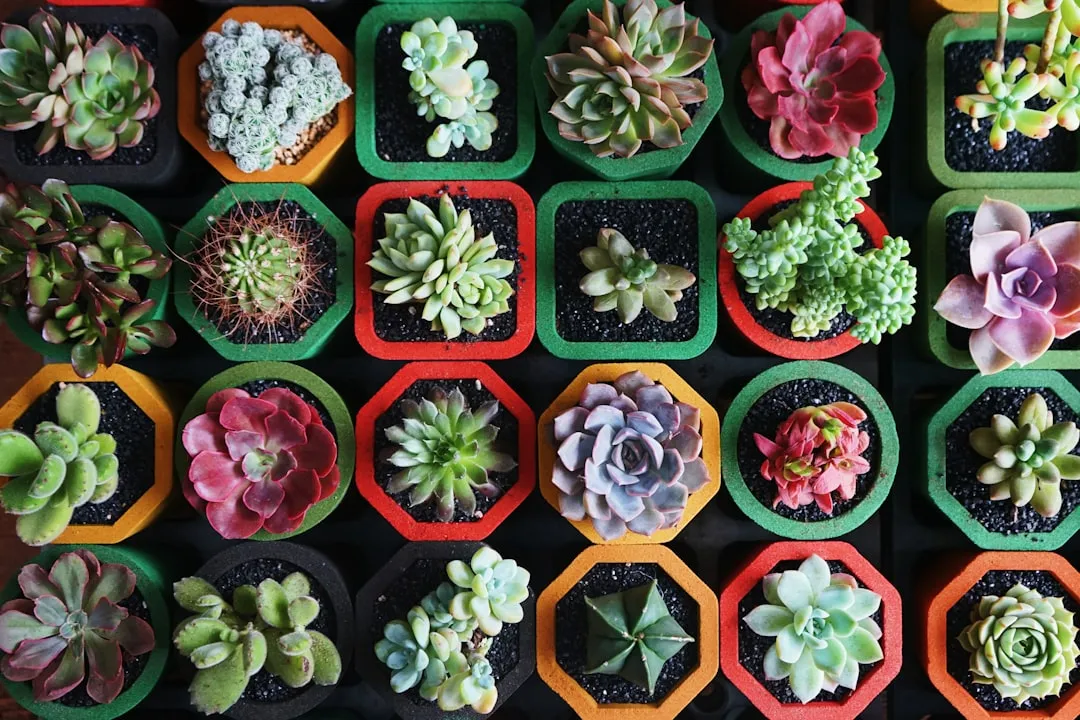
Leaf adaptations such as silver, hairy, or narrow leaves reflect sun and slow evaporation. Fleshy leaves and stems store water, as seen in sedum and ice plant. Taproots and fibrous prairie roots access deep moisture. Aromatic oils in herbs like salvia, thyme, and rosemary reduce water loss and heat stress.
Drought-tolerant plants, as one would expect, are often native to hot climates and are therefore adapted to survive in adverse weather conditions. Many of them have hairy foliage that helps them retain moisture or light-colored foliage that reflects the sun.
Species No. 1: Lavender (Lavandula)
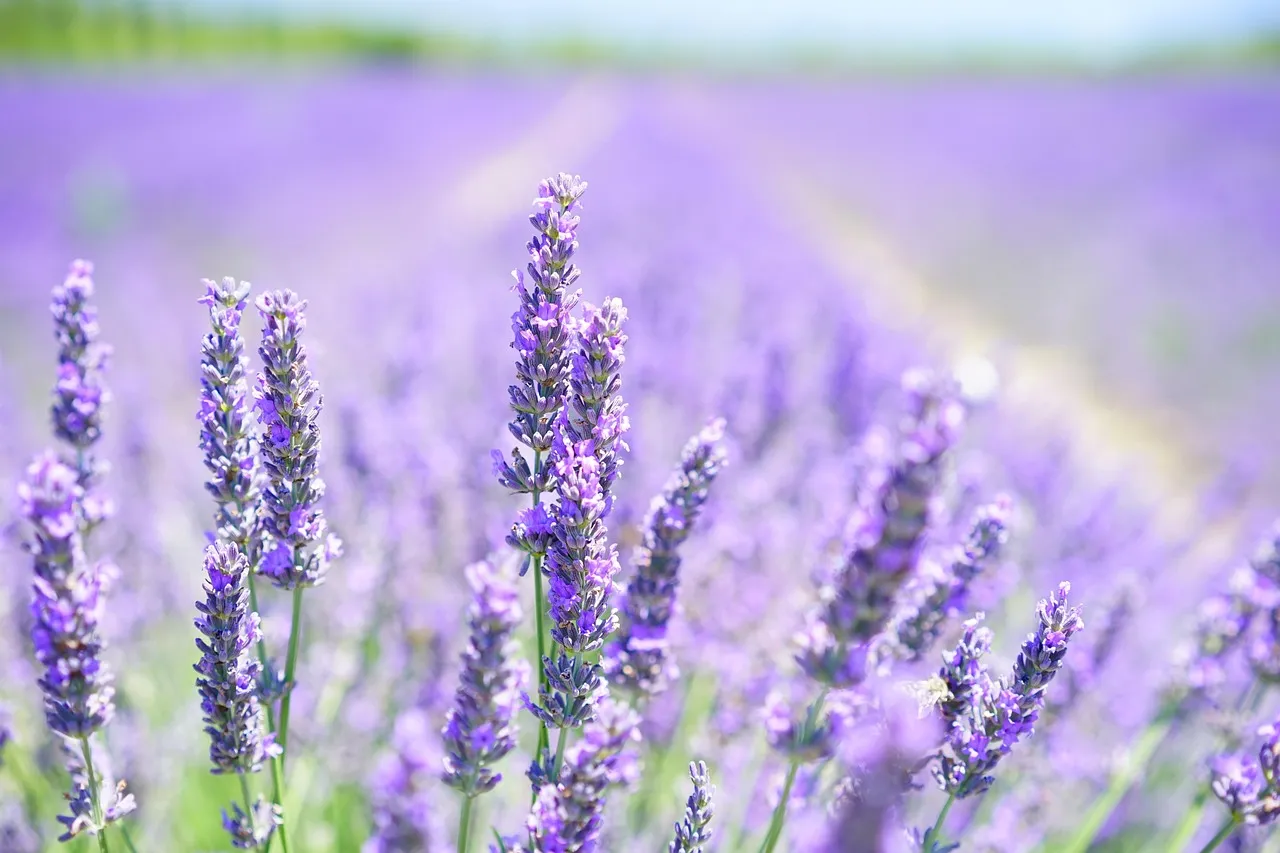
Native to the sun-baked hillsides of the Mediterranean, lavender demands full sun, excellent drainage, and lean soil. Give it those conditions and it will bloom for years with almost no attention.
A true classic, this hardy, fragrant, evergreen shrub is the perfect match for hot, dry gardens. Once mature, warm summer days help intensify the lavender fragrance, and it is fantastic for encouraging pollinators.
Lavender thrives in Zones 5 to 9, produces purple blooms with silver foliage, is deer resistant and a pollinator magnet. It wants well-drained soil and hates wet feet. Its essential oils have been used for centuries in aromatherapy and traditional medicine, making it a plant that pulls double duty in any sustainable garden.
Species No. 2: Rosemary (Salvia rosmarinus)
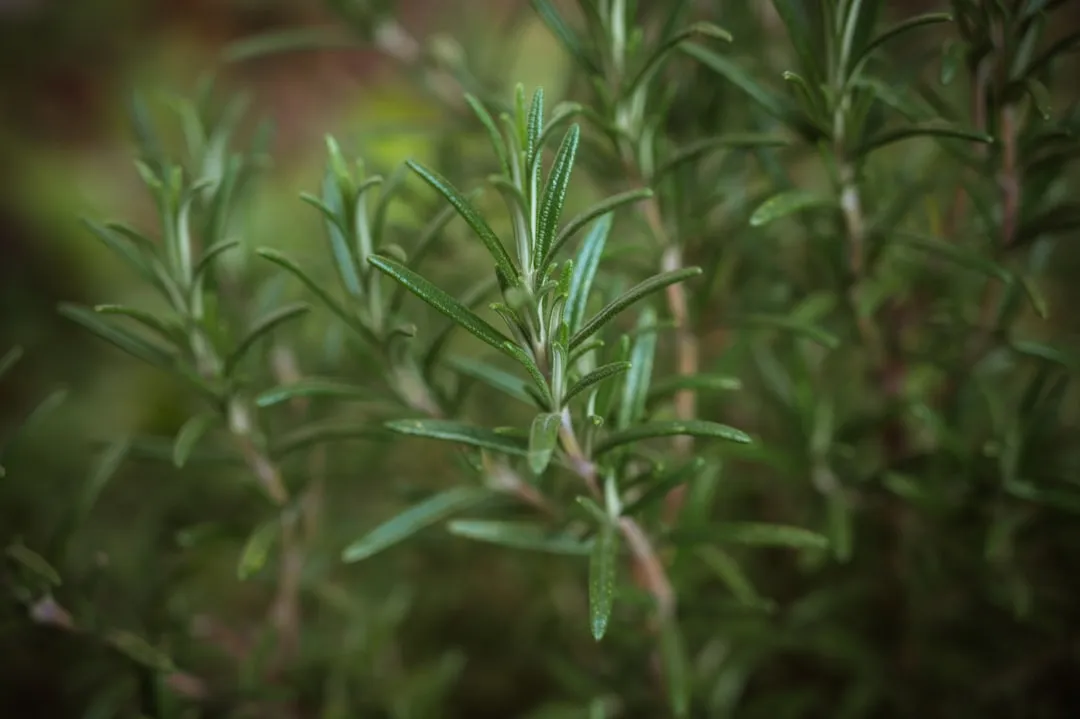
Rosemary is an evergreen, edible hedge plant with blue blooms that thrives on very little water. It’s one of those plants that actually seems to do better when you leave it alone.
Once established, rosemary is quite drought-tolerant. Its deep root system and the essential oils in its leaves reduce water loss. It prefers well-drained sandy or loamy soil and doesn’t do well in heavy clay and wet soil.
Rosemary’s needle-like leaves have a reduced surface area, which limits evaporation – a natural engineering trick that helps it coast through long dry spells without complaint. Rosemary doubles as both a culinary herb and an ornamental shrub, making it one of the most practical plants you can put in a water-wise garden.
Species No. 3: Echinacea or Coneflower (Echinacea spp.)
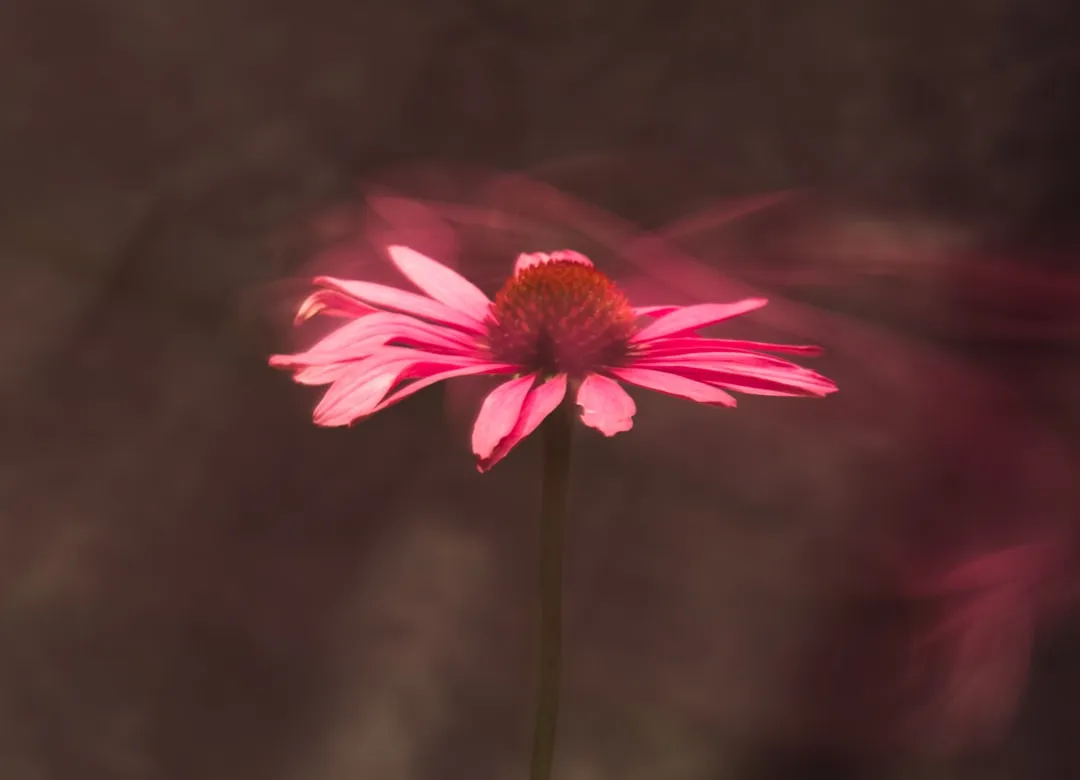
Often self-sowing, coneflowers need little upkeep. These drought-tolerant plants thrive in almost any soil with adequate drainage. Plus, coneflowers attract birds and butterflies.
Echinacea thrives in Zones 3 to 9 in full sun to part shade, reaching two to four feet in height. It is native, a butterfly favorite, and cold tolerant. That’s a wide-ranging plant that works in a lot of climates, not just warm ones.
Echinacea produces summer daisies and leaving its seed heads through winter provides food for birds. When you plant coneflowers, salvia, and milkweed, you aren’t just saving water – you’re building a food web.
Species No. 4: Agave
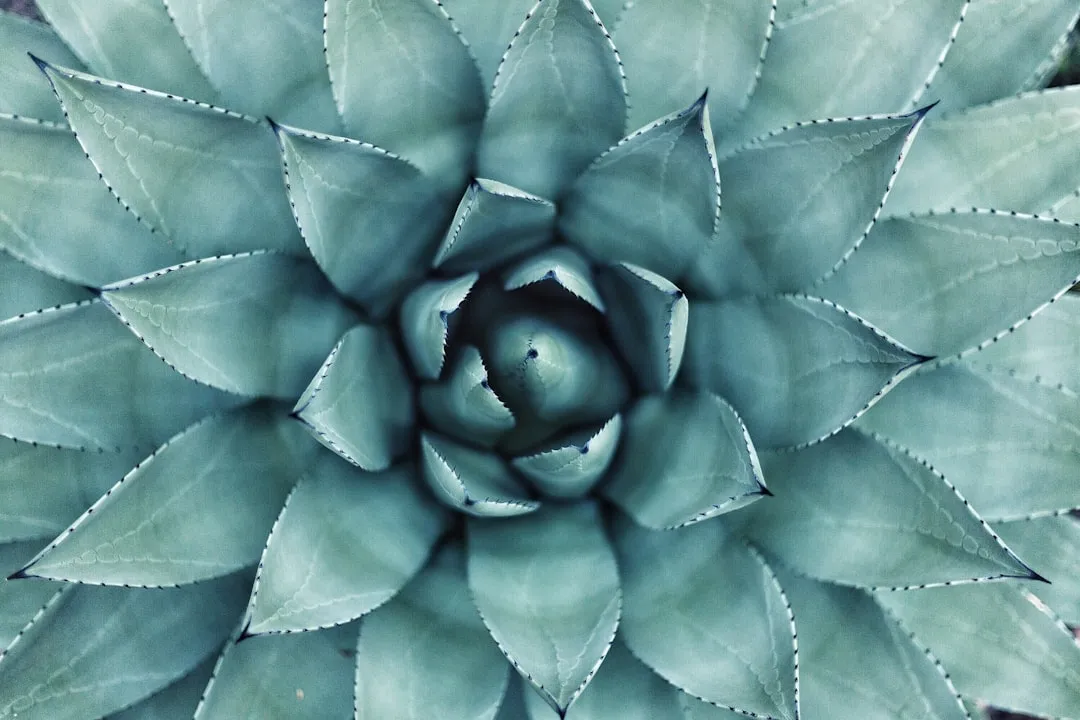
Agave is a long-leaved succulent that naturally forms a rosette shape and produces a flower spire of attractive cup-shaped blooms. This perennial plant is drought-tolerant, which makes it ideal for the mature arid garden. Agave plants need lots of sun, preferably at least six hours of direct sunlight on most days.
These plants can tolerate any well-draining soil but prefer rocky or sandy soil. Agave thrives in dry soil and doesn’t need frequent watering once established. They’re excellent for hot, dry sites with sharp drainage, but overwatering kills them faster than drought.
Known as one of the ultimate succulent survivors, agave thrives in hot, dry conditions. It’s also one of the most structurally dramatic plants available to gardeners – equal parts sculpture and survivor.
Species No. 5: Sedum or Stonecrop (Sedum spp.)
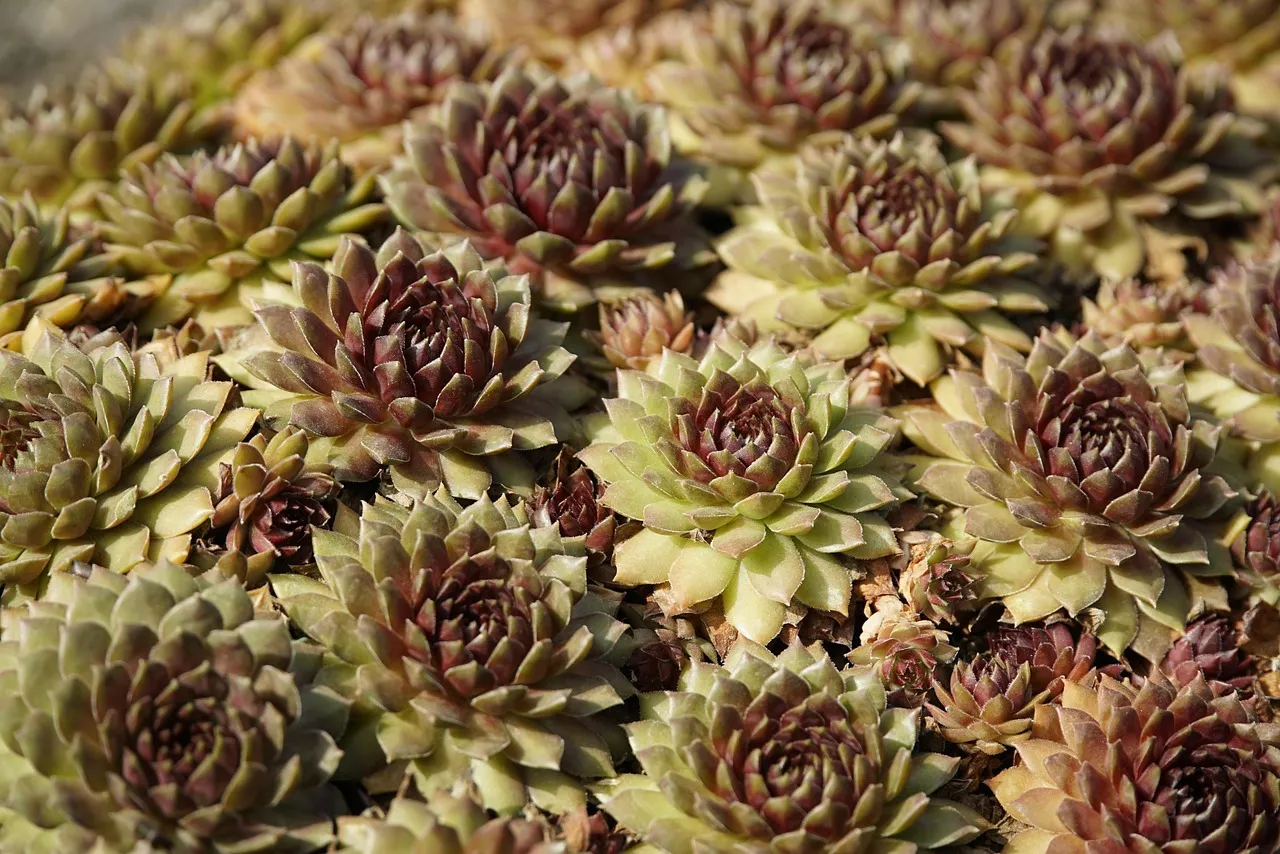
Sedum, commonly known as stonecrop, is a versatile and hardy genus of plants known for being drought-tolerant and low-maintenance. These plants come in various shapes, sizes, and colors, ranging from low-growing ground-cover types to taller, upright varieties.
Once established, sedum plants typically won’t need any supplemental watering. Sedums are pretty drought-resistant, thanks to their thick succulent leaves. Sedum thrives in full sun in Zones 3 to 9, with succulent leaves and late summer blooms.
Ground-covering plants are essential for reducing water evaporation from the soil. Adding the right species to the mix helps maintain biodiversity within landscapes while adhering to principles of drought tolerance. Sedum checks both of those boxes consistently, which is why it shows up in nearly every reliable drought-gardening list.
The Establishment Phase: What Most Gardeners Get Wrong
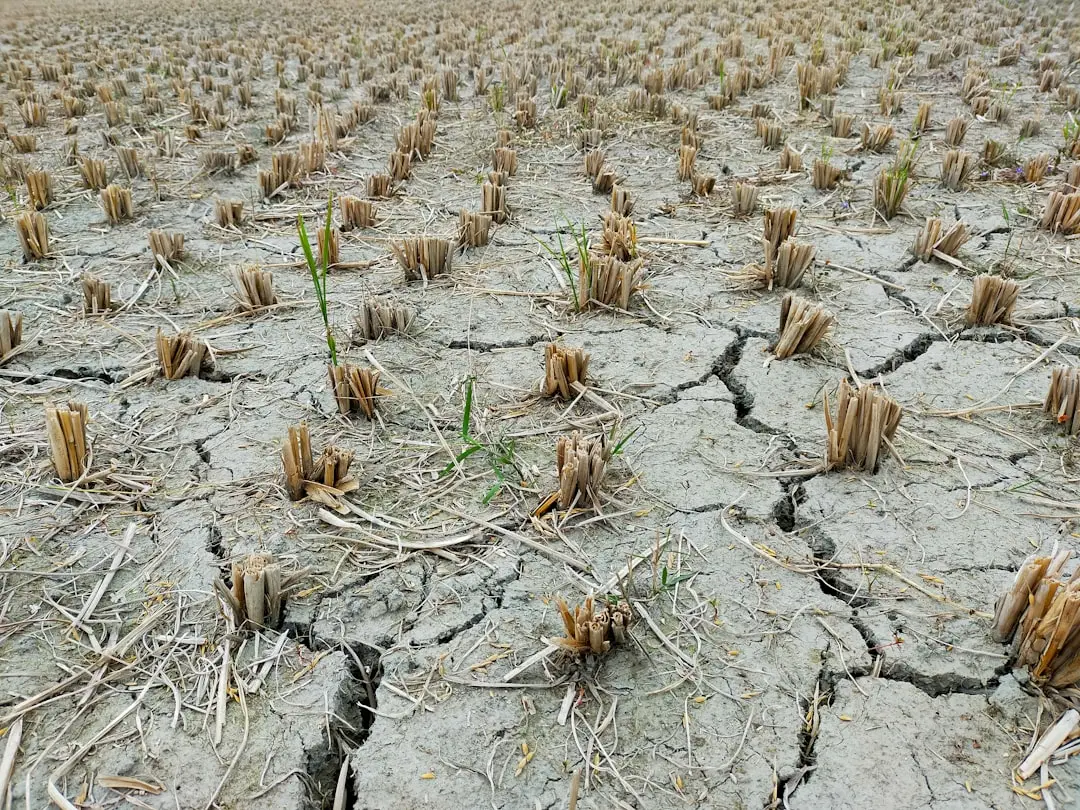
In year one, give drought-tolerant plants a deep soak once a week. In year two, a deep soak every two to three weeks in summer. By year three onward, most drought-tolerant plants need little to no supplemental water in average rainfall years.
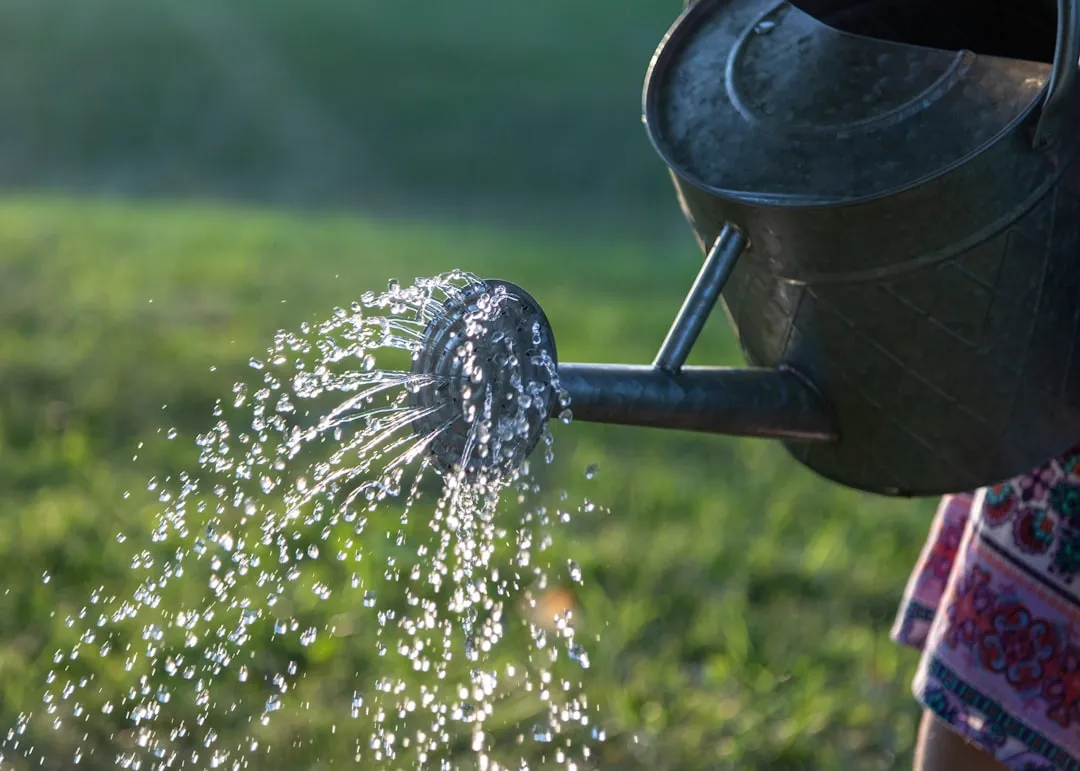
During the establishment phase, deep but infrequent watering trains roots to grow downward instead of staying shallow. The most common mistake is overwatering. Drought-tolerant plants want infrequent, deep soaking – not daily sprinkles.
The best planting time is fall. Roots establish through winter and the plant arrives in spring already drought-ready. That single timing adjustment can mean the difference between a plant that struggles through its first summer and one that sails through it.
Matching Plants to Your Climate Zone
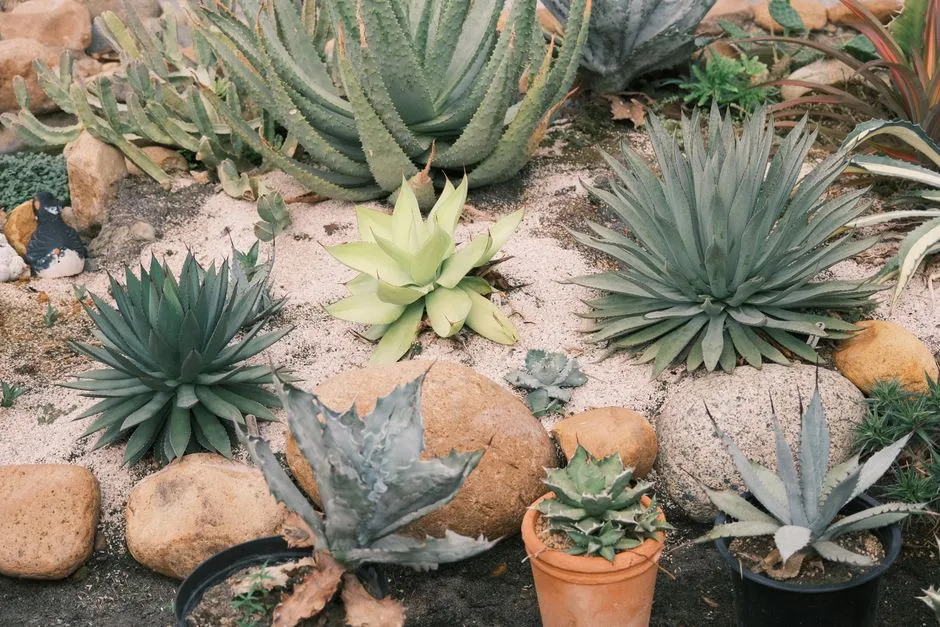
States like Arizona, New Mexico, Texas, and southern California are known for their arid climates and desert landscapes. Drought-tolerant plants such as agave, yucca, and various cacti are native to this region and are well-suited to hot and dry conditions.
In the Northeast and Midwest, zones 4 to 7, coneflowers, black-eyed Susans, and Russian sage are perfect choices. They handle cold winters and dry summers. Plants like lavender, rosemary, and olive trees thrive in Mediterranean-climate regions, which experience mild, wet winters and hot, dry summers.
Match plants to place using USDA hardiness zones, light levels, and soil type – well-drained, clay, sandy, or loam. Favor drought-tolerant and heat-tolerant species where needed. Getting the zone right isn’t a formality; it’s the foundation everything else is built on.
The Role of Mulch and Soil in a Dry Garden
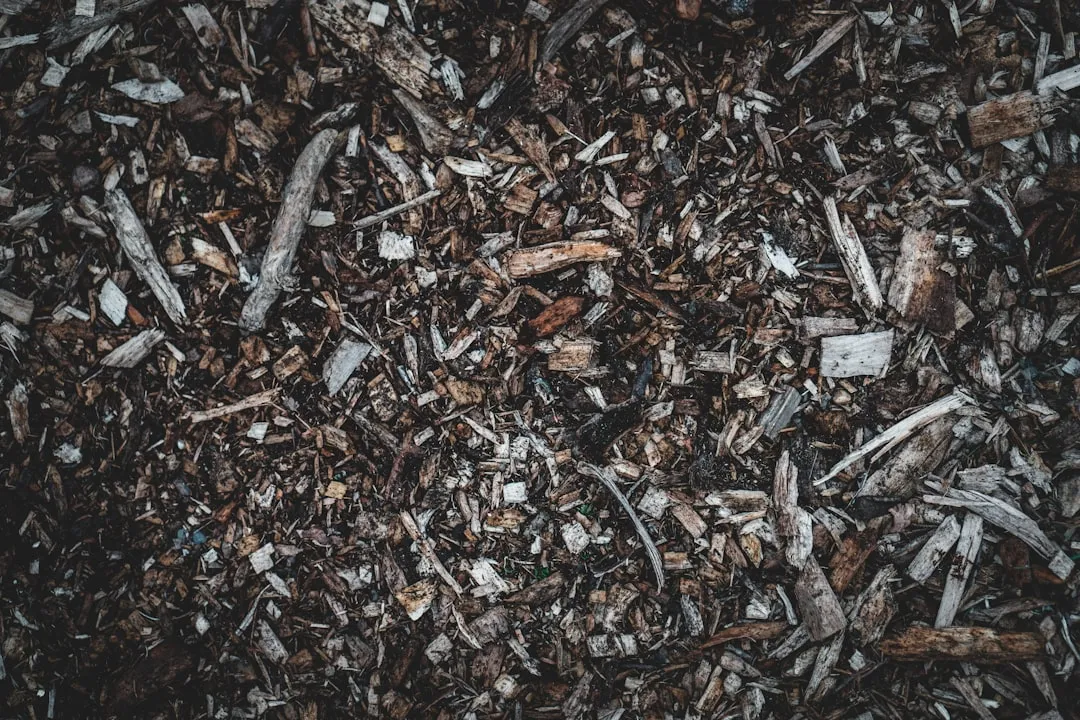
Incorporating mulch around shrubs and garden plants helps reduce evaporation, inhibit weed growth, moderate soil temperature, and prevent erosion. It’s one of the simplest, cheapest interventions available, and its impact is immediate.
Improving soil structure enhances water retention and drainage. Adding organic matter such as compost can increase the soil’s ability to hold moisture. Mulching around plants retains moisture, regulates temperature, and prevents evaporation.
Most water-efficient landscaping approaches recommend grouping plants according to their watering needs, using native and adapted plants, and limiting turf areas. That last point is worth sitting with: lawn is often the single biggest water drain in a residential garden.
What You Can Realistically Save
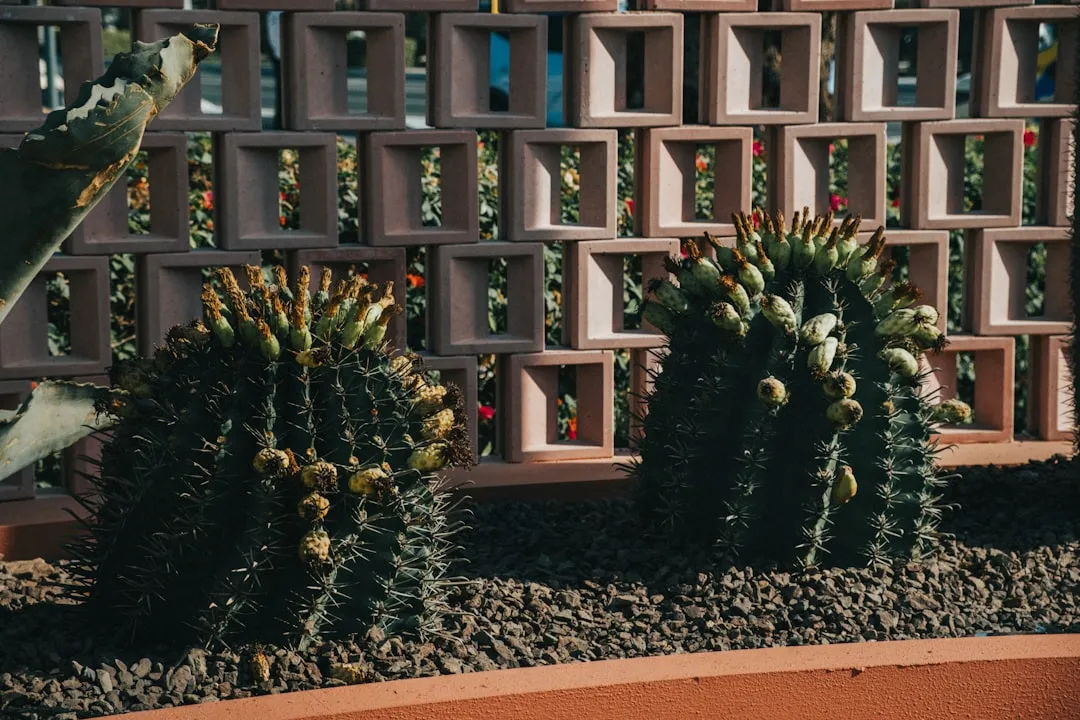
Because an estimated 50 percent of water consumption in the average single-family home is used outdoors, xeriscaping offers an ideal way to minimize water waste while maintaining beautiful landscapes. Outdoor water use in a xeriscape can save anywhere from 30 to 80 percent in water consumption.
Water savings of 50 to 70 percent less than a traditional perennial bed are achievable once established, typically by year three. Some experts estimate that as much as 50 percent of water used for irrigation is wasted due to evaporation, wind, or runoff caused by inefficient irrigation methods and systems.
Incorporating drought-tolerant plants into your garden is both practical and stylish, offering a way to conserve water while maintaining a vibrant landscape. The savings are real, the plants are beautiful, and the maintenance burden drops significantly over time. That’s a trade most gardeners are happy to make.
Conclusion
The five plants covered here – lavender, rosemary, echinacea, agave, and sedum – aren’t compromises. They’re genuinely attractive, often fragrant, and built to outlast the hot seasons that turn other gardens brown.
The shift to water-wise gardening isn’t about growing less. It’s about growing smarter, choosing species that have already solved the problem of drought through millions of years of adaptation. Water-wise gardens can support pollinators and other wildlife that rely on flowers and vegetation for food and shelter, turning every water-saving choice into an ecological one as well.
A garden that needs less from you and gives more back to the ecosystem is, in most respects, a better garden. These five plants are a solid place to start building one.
AI Disclaimer: This article was created with the assistance of AI tools and reviewed by a human editor.