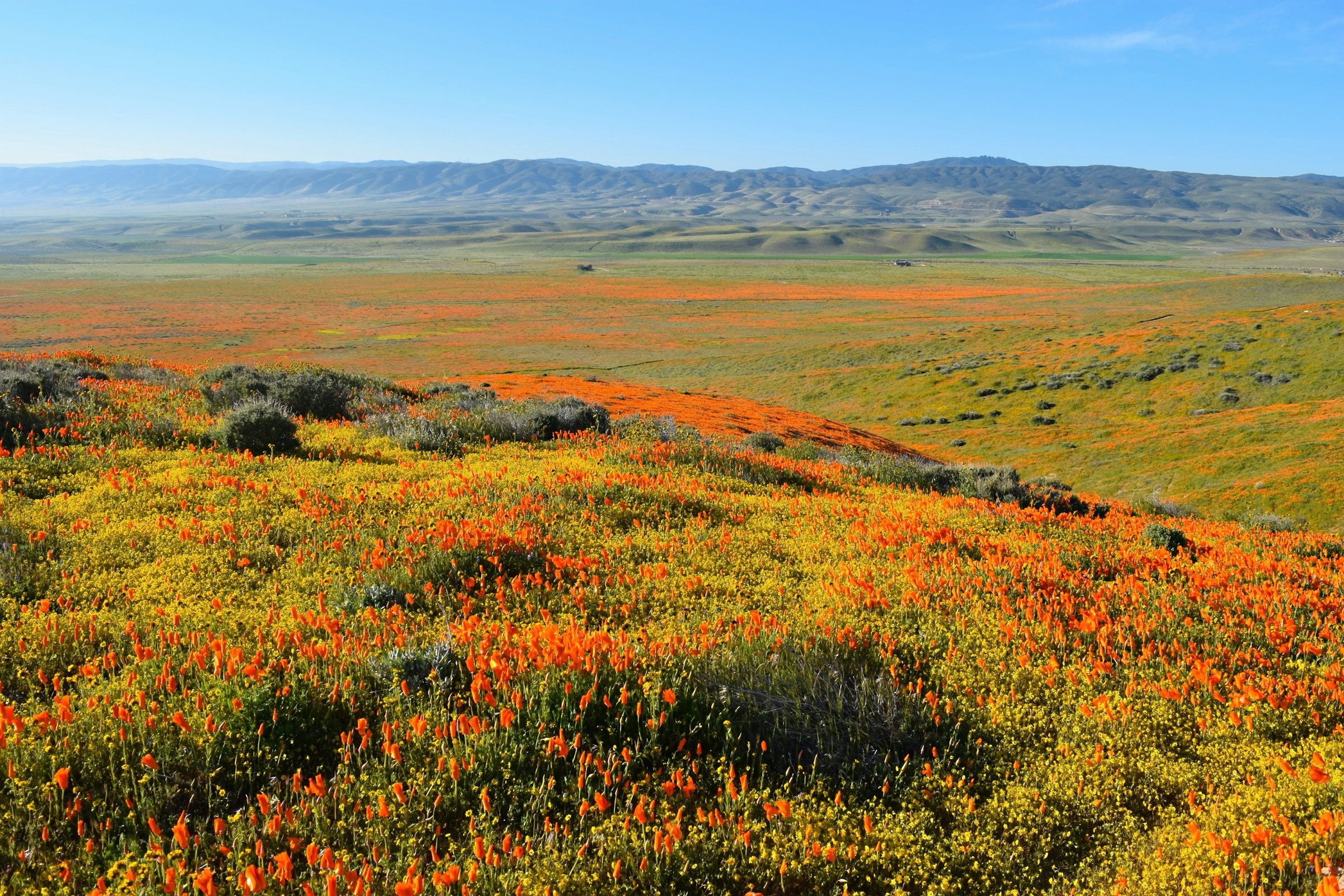

Ventura sits at a rare crossroads. The Pacific moderates the heat, the Channel Islands frame the horizon, and the soil tells a story shaped by centuries of chaparral, coastal scrub, and Chumash stewardship. It’s one of the most rewarding places in California to garden – and one of the easiest places to make expensive planting mistakes if you reach for the wrong plants.
According to the California Department of Fish and Wildlife, California has approximately 6,500 native plant species. That number is both inspiring and a little overwhelming. The five plants below cut through the noise. They’re proven performers in Ventura’s specific coastal conditions, genuinely beautiful, and they give back far more than they ask.
Why Native Plants Matter More Than Ever in Ventura
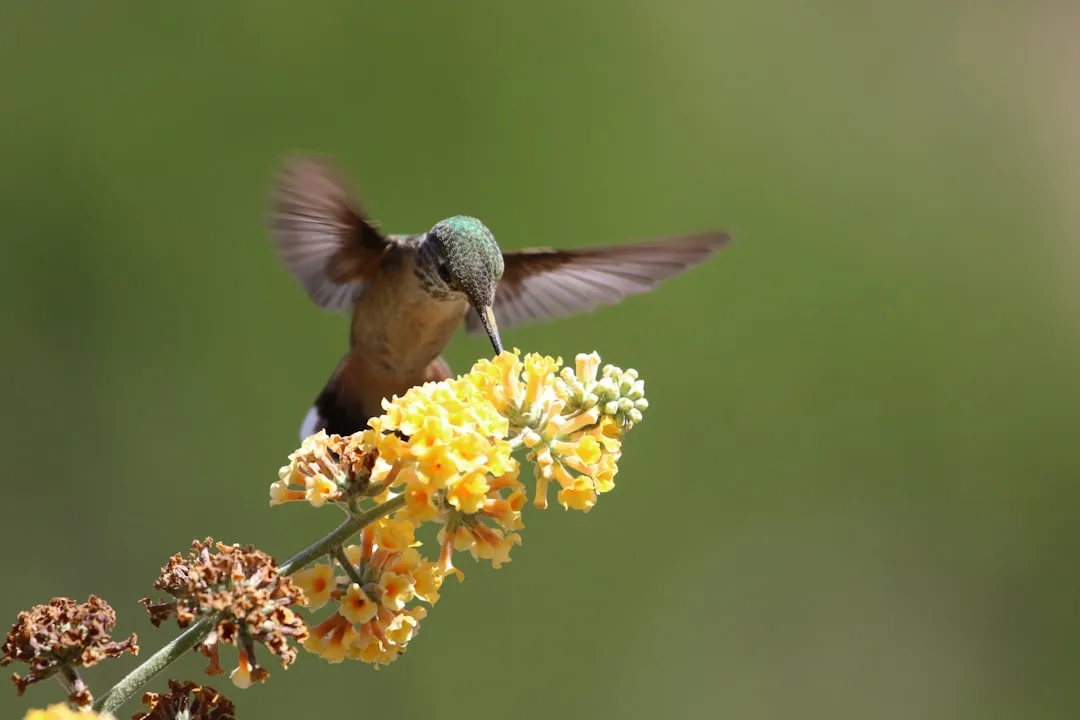
Restoring nature, protecting pollinators, and nurturing wildlife are all things you can do simply by gardening with native plants. California native plants are not only beautiful – they help save water, reduce maintenance and pesticide use, and invite beneficial pollinators.
These plants have adapted to the area’s Mediterranean climate, which features hot, dry summers and mild, wet winters. They play a vital role in maintaining biodiversity, preventing erosion, and providing habitat for wildlife.
The same native plants that survived California’s most brutal historical droughts are still thriving on the hillsides today. California native plants that do not normally live in creeks and ponds are, in general, very drought tolerant. That resilience is exactly what a Ventura garden needs.
1. Matilija Poppy (Romneya coulteri): The Queen of All Flowers
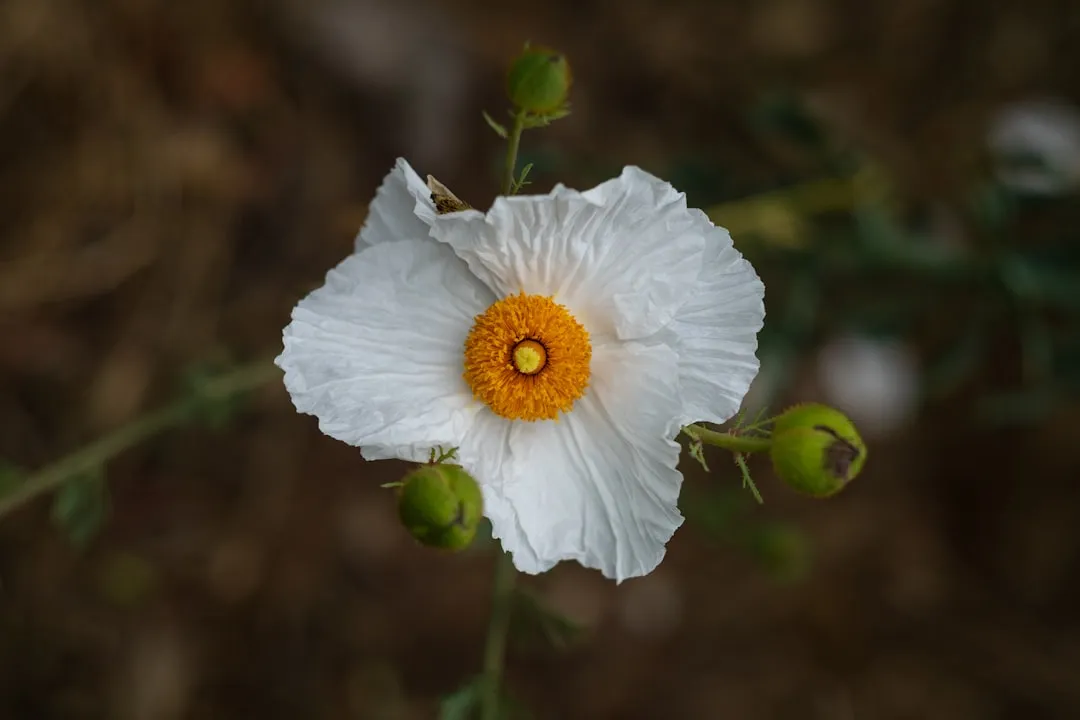
The common name Matilija Poppy comes directly from Ventura County – specifically Matilija Canyon – where this plant is abundant, and it was named for Chief Matilija of the Chumash Indian Tribe. There’s something fitting about that origin story for a Ventura garden.
Its crepe-paper white petals grow six to eight inches across, with a glowing ball of golden stamens at the center. The flower carries a slight apricot scent and deeply cut blue-green foliage. It has the largest flowers of any plant native to California and was even nominated as the state flower in 1890.
It works as a stunning addition to naturalistic landscapes, open meadow gardens, and dry slopes. It requires space to grow and can become aggressive over time. The plant prefers poor, well-draining soil and does not require fertilization.
Matilija poppies famously require two things from the gardener: patience and space. The plant dislikes being transplanted, and you may lose a few before one takes – but an initial persistence leads to wonderful outcomes. Buy from a reputable native plant nursery and handle the roots as little as possible at planting time.
2. Cleveland Sage (Salvia clevelandii): Fragrance That Stops You in Your Tracks
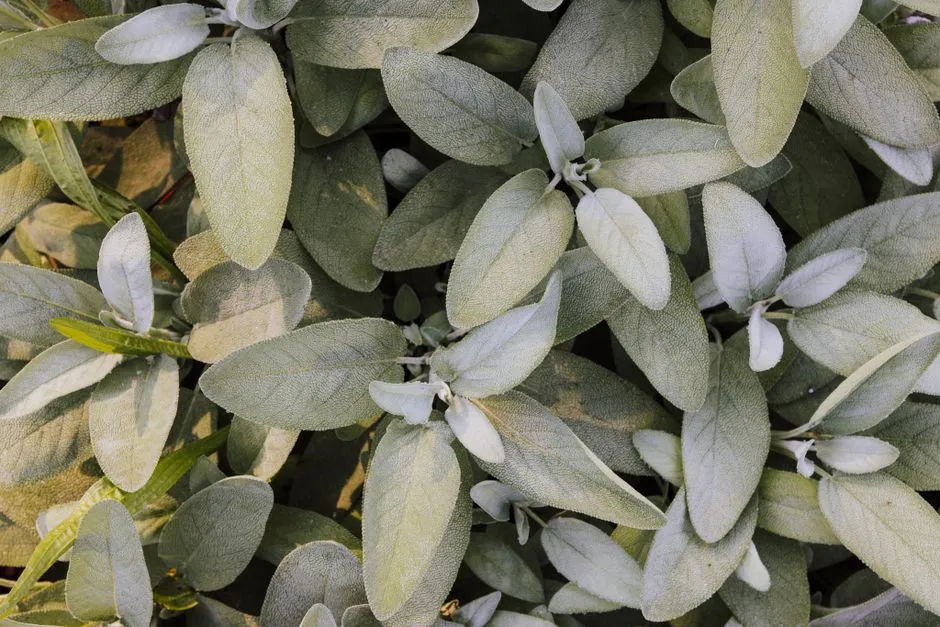
Cleveland sage is a small, evergreen shrub in the mint family. Its small gray-green leaves are intensely fragrant, as are the whorls of purple flowers. One shrub can perfume an entire garden on a warm summer afternoon.
Cleveland sage’s delightful blue whorls of flowers are clustered on long stems from spring through summer. Later, its seed heads add texture and dimension to low-water gardens and provide seeds for birds.
Hummingbirds are drawn to the nectar in the tubular flowers, and it also attracts butterflies, bees, moths, and other pollinators. This makes it an important food source during the heat of summer. It is native to chaparral and coastal sage scrub in Southern California, where it survives on annual rainfall alone.
Plant Cleveland sage on well-drained flats, bluffs, or gentle slopes for best results. Limit summer water to no more than once per month; after a year or two, no irrigation in summer is actually best. It’s essentially a set-it-and-admire-it shrub for a Ventura yard.
3. California Fuchsia (Epilobium canum): Late Summer’s Best Show
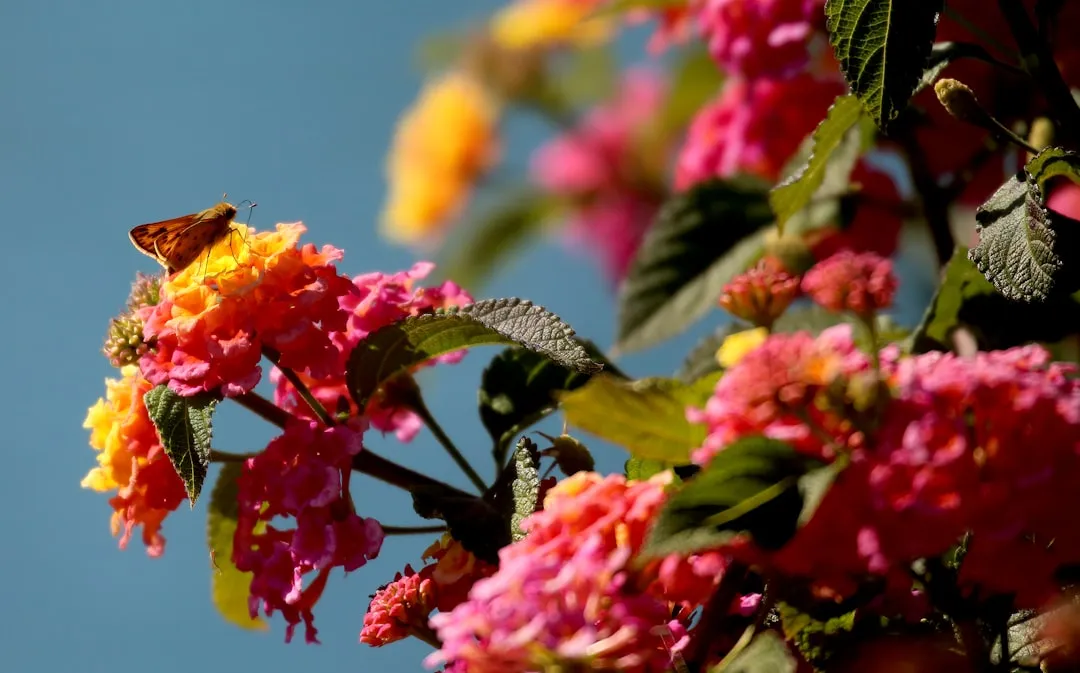
California fuchsia is a perennial native to California’s foothills and coastal areas, notable for the profusion of bright scarlet flowers in summer and autumn. It is frequently the only native California plant in an area still flowering at the height of summer. That alone makes it worth planting.
From late summer to fall, spikes of brilliant red, trumpet-shaped flowers put on a profuse show. Resembling fuchsias, they produce nectar that supplies hummingbirds with food for the start of their southward migration.
The California Native Plant Society notes that California fuchsia is a top choice to attract hummingbirds to your pollinator garden. There’s probably no better California native plant for attracting hummingbirds. The plant also appears on several fire-resistant plant lists, including those maintained by FireSafe Marin and the County of San Diego.
Plant in sunny locations on well-drained soils and provide little summer water. The only care you’ll really need is to cut it back after it flowers, and it will return the next year to start the show again.
4. California Lilac (Ceanothus spp.): A Spring Spectacle Worth the Space
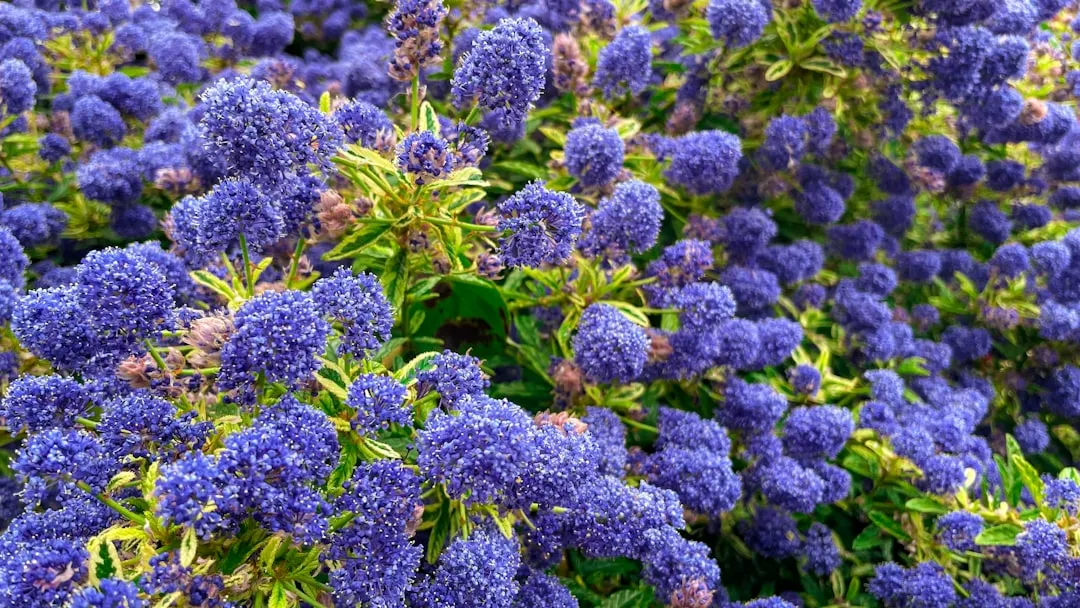
The California Lilac is a diverse group of shrubs and small trees found throughout Southern California. They produce clusters of blue or white flowers in spring that are attractive to a wide variety of pollinators. Many species also provide seeds and foliage that serve as important food sources for birds and mammals.
The Ventura Botanical Gardens’ California Ramble contains native ceanothus growing alongside lemonade berry and California oak, and in springtime it puts on a display of colorful blooms. Seeing it there gives you a clear sense of what it can do in a garden setting.
Ceanothus thrysiflorus blooms in late winter and early spring, attracting hummingbirds. Its seeds attract small birds, and it supports several caterpillar species. According to the U.S. Fish and Wildlife Service, hummingbirds prefer native species like Ceanothus for nesting materials.
Most California natives prefer well-drained soils. UC ANR advises against heavy soil amendments, as many natives are adapted to lean, low-nutrient conditions. Ceanothus is a textbook example of this rule – enrich the soil too much and it tends to sulk.
5. California Buckwheat (Eriogonum fasciculatum): The Pollinator Magnet
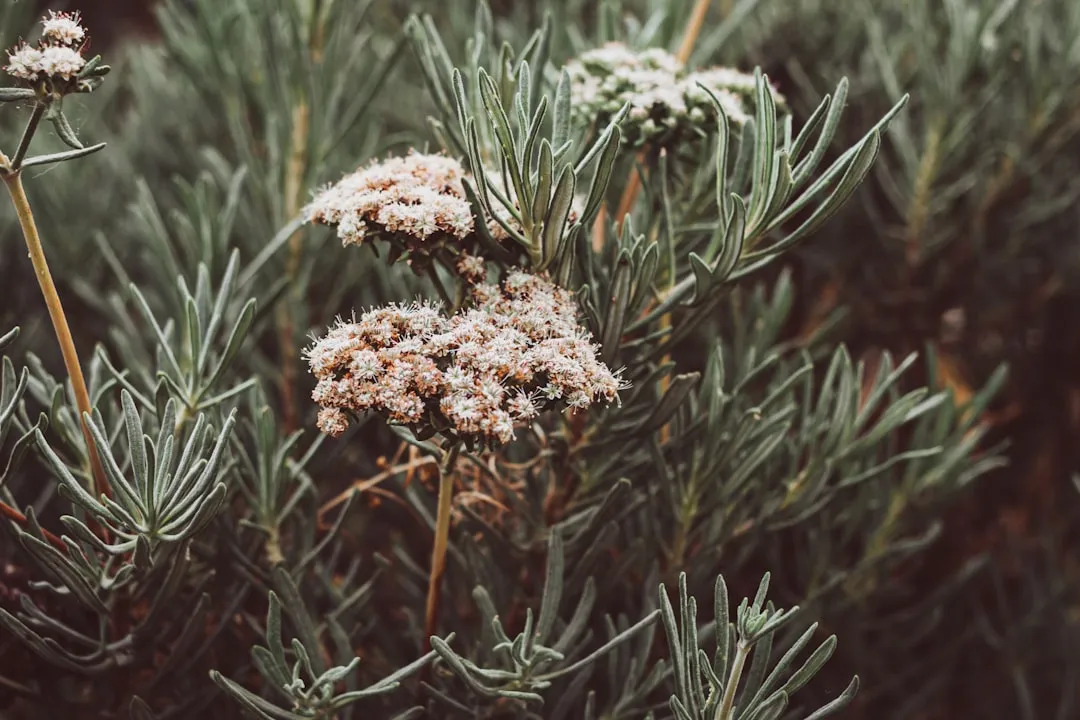
California Buckwheat is a drought-tolerant shrub found throughout Southern California, particularly in chaparral and coastal sage scrub habitats. It produces clusters of small white or pink flowers that bloom in summer and fall, attracting a variety of pollinators such as bees and butterflies.
The flowers fade to a deep rusty-orange as the season moves on, giving the plant a second act that many gardeners find just as attractive as the bloom itself. It works well on slopes, dry banks, and in any spot where other plants would need constant irrigation just to stay alive.
Southern California is home to a diverse and unique array of native plants, each with its own ecological role. These plants play a vital role in maintaining biodiversity, preventing erosion, and providing habitat for wildlife. Buckwheat earns high marks on all three fronts.
With extended droughts, wildfires, and extreme heat, choosing landscape plants in California can be a challenge. When you use native California plants, you can be sure they’ll survive your local climate and even help you save water. Buckwheat is one of the clearest examples of a plant that simply gets on with it.
Where to Find These Plants in Ventura County
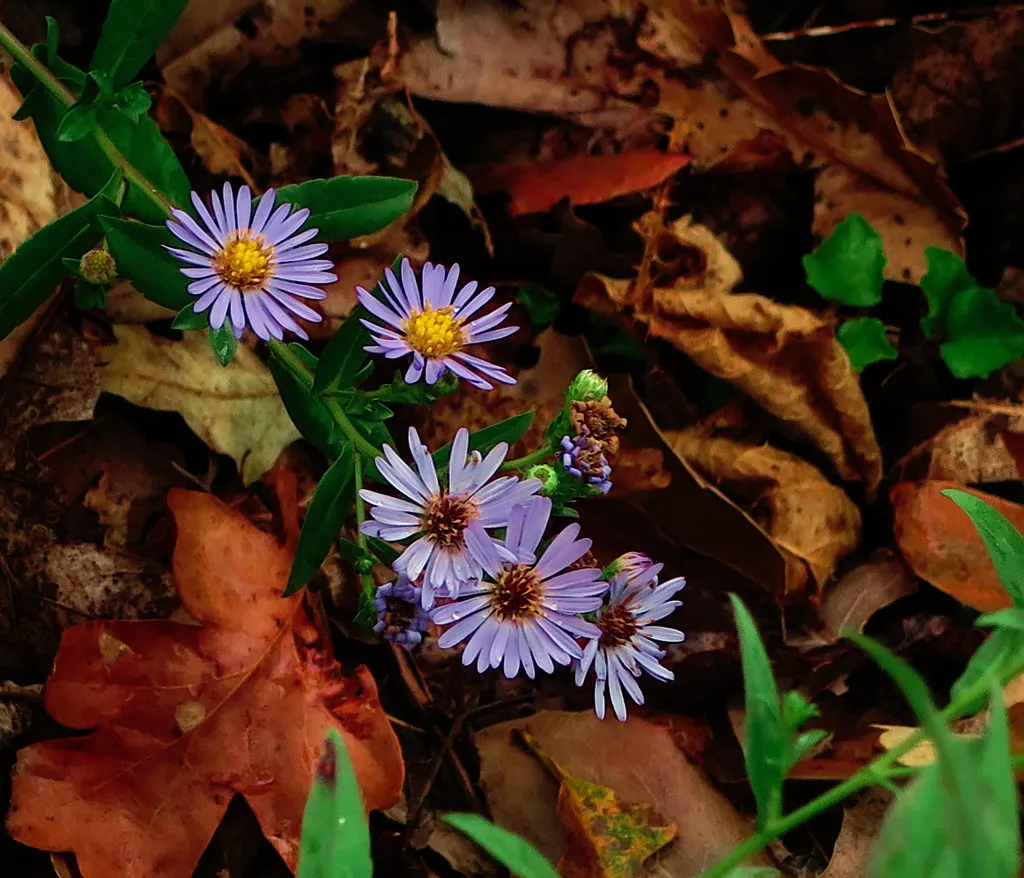
Matilija Nursery holds the largest inventory of California native plants in Ventura County and is ideally placed to serve Los Angeles, Santa Barbara, and Ventura Counties. It’s a logical first stop for any of the five plants above.
The Ventura Botanical Gardens is a 107-acre site with over 120,000 plants in the ground, representing the five Mediterranean climate zones of the world. These low-water climate zones, like Ventura’s, allow for long-term sustainability and are designed to replicate plant communities as they occur in nature.
When possible, source plants from reputable nurseries specializing in local ecotypes to ensure genetic suitability for your region. A plant that grew from local seed stock is simply better adapted than one that traveled from a distant growing facility.
The Right Soil Approach for Ventura Natives
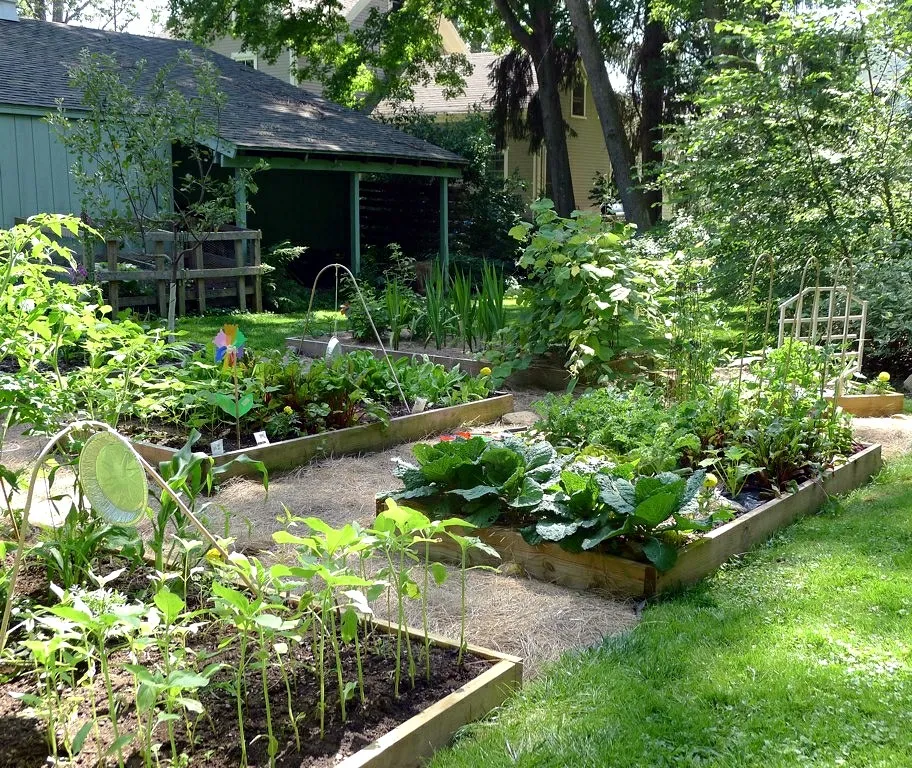
Southern California includes cool coastal neighborhoods shaped by marine air, inland valleys that trap heat, foothill gardens with more exposure and temperature swings, and desert-edge landscapes where intense sun, drying winds, and limited rainfall change what performs well. Ventura sits firmly in the coastal category, which is actually favorable.
Most California natives prefer well-drained soils, and UC ANR advises against heavy soil amendments, as many natives are adapted to lean, low-nutrient conditions. Adding too much compost or fertilizer can push plants into lush, floppy growth that’s more vulnerable to disease and pests.
Good drainage is the single most important factor. If your soil holds water after rain, consider raised beds or amending with coarse sand before planting. Once established, most of these plants need little more than occasional watering through the first dry season.
Planting Timing and the First Season
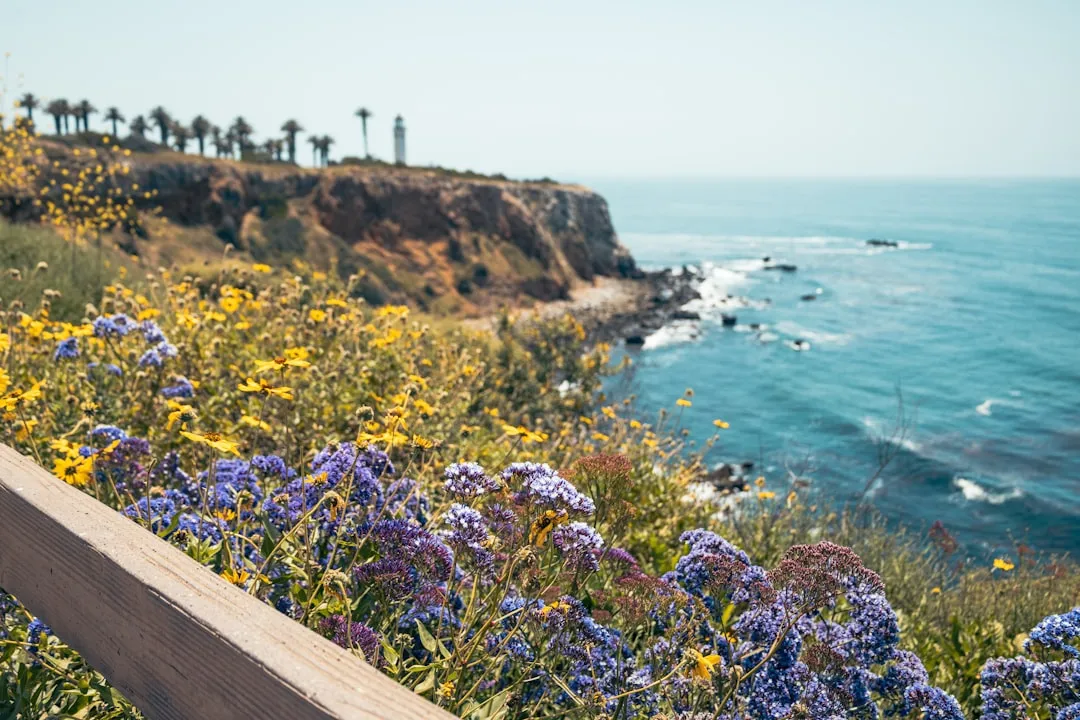
Fall is the ideal planting window for California natives in Ventura. Cooler temperatures and winter rains allow roots to establish before summer heat arrives, and the plants spend less energy trying to manage heat stress during their most vulnerable phase.
Many native species require a dry garden with no summer water to match the natural Mediterranean habitat. Bulbs, in particular, need a summer dormant resting period. Understanding this rhythm makes the first season much less alarming – what looks like a struggling plant is often simply resting.
Water newly planted natives every week or two for the first dry season, then begin pulling back. By the second or third year, most of these plants should handle Ventura’s dry summers with little or no supplemental irrigation beyond what falls naturally.
Supporting Local Wildlife Through Your Plant Choices
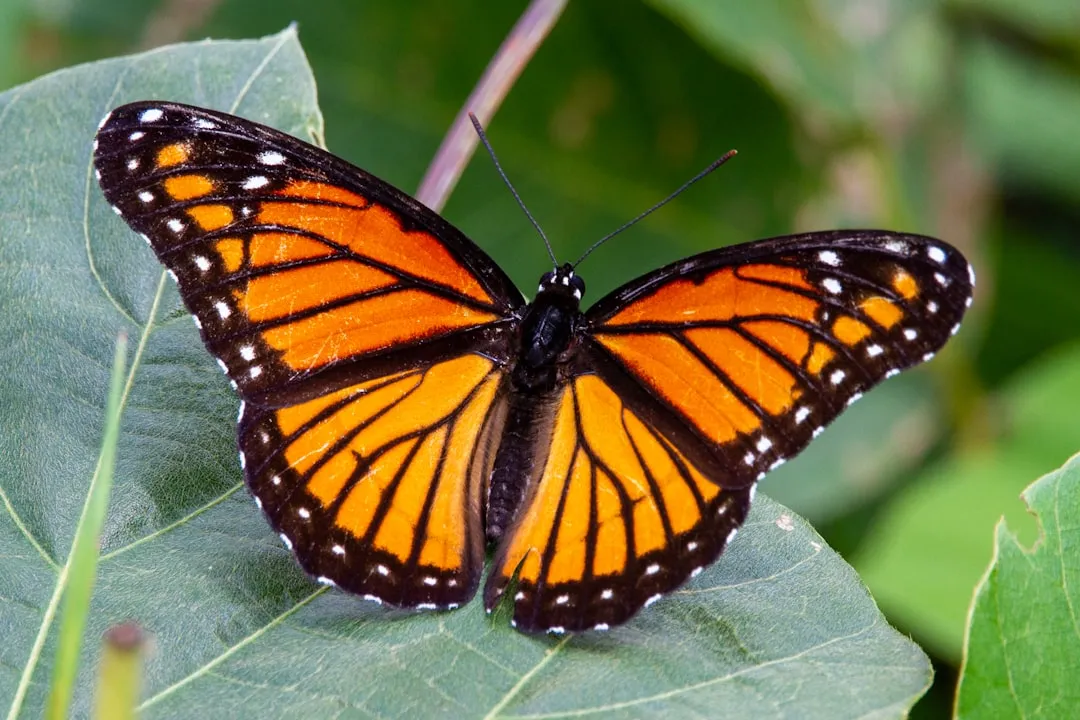
Native plants are naturally adapted to California’s soils, climate, and local wildlife. The relationship runs deeper than most gardeners realize. Insects, birds, and pollinators have co-evolved with these plants over thousands of years in ways that simply cannot be replicated with ornamental imports.
Milkweeds are ornamental perennials famous for supporting the miraculous life cycle of the monarch butterfly. Varieties native to Southern California, such as California milkweed and narrow-leaved milkweed, are the most likely to help local monarch butterflies survive best.
Each native plant has its own wildlife niche, whether it’s birds, butterflies, hummingbirds, native bees, or other pollinators. Planting even three or four of these species creates a layered habitat that functions as far more than just an attractive garden.
The Ventura Botanical Gardens as a Living Reference
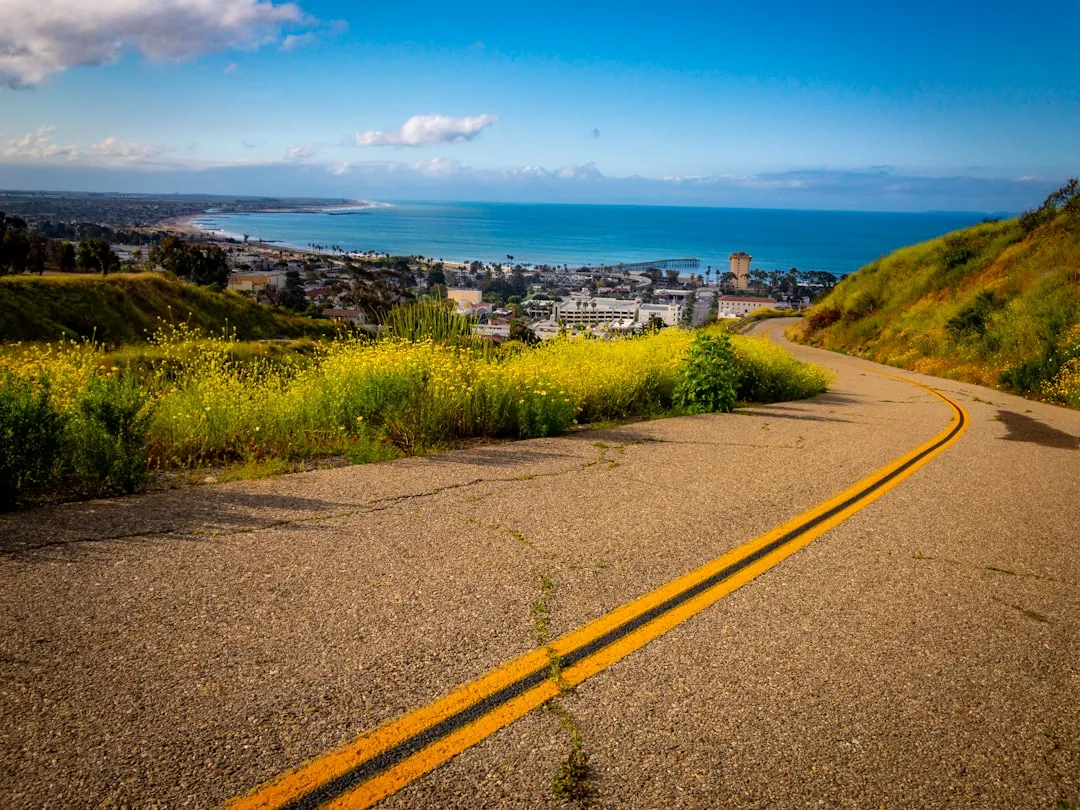
The Channel Islands National Park Native Plant Garden in Ventura was established in 1993 as an educational garden representing all five of the Channel Islands. Approximately 125,000 people visit each year, including around 3,000 school children. It’s free to explore and gives you a direct look at how these plants perform in the local climate.
The foundation for all botanical gardens is to maintain a collection of plants for scientific research, display, education, and conservation. The Ventura Botanical Gardens takes this role seriously, protecting endangered and threatened species to ensure their long-term survival.
Walking through either of these gardens before you plant is genuinely useful. You’ll see mature specimens in real conditions, get a sense of scale, and notice which combinations look best together. It’s the kind of research that no website fully replaces.
A Garden That Works With Ventura, Not Against It
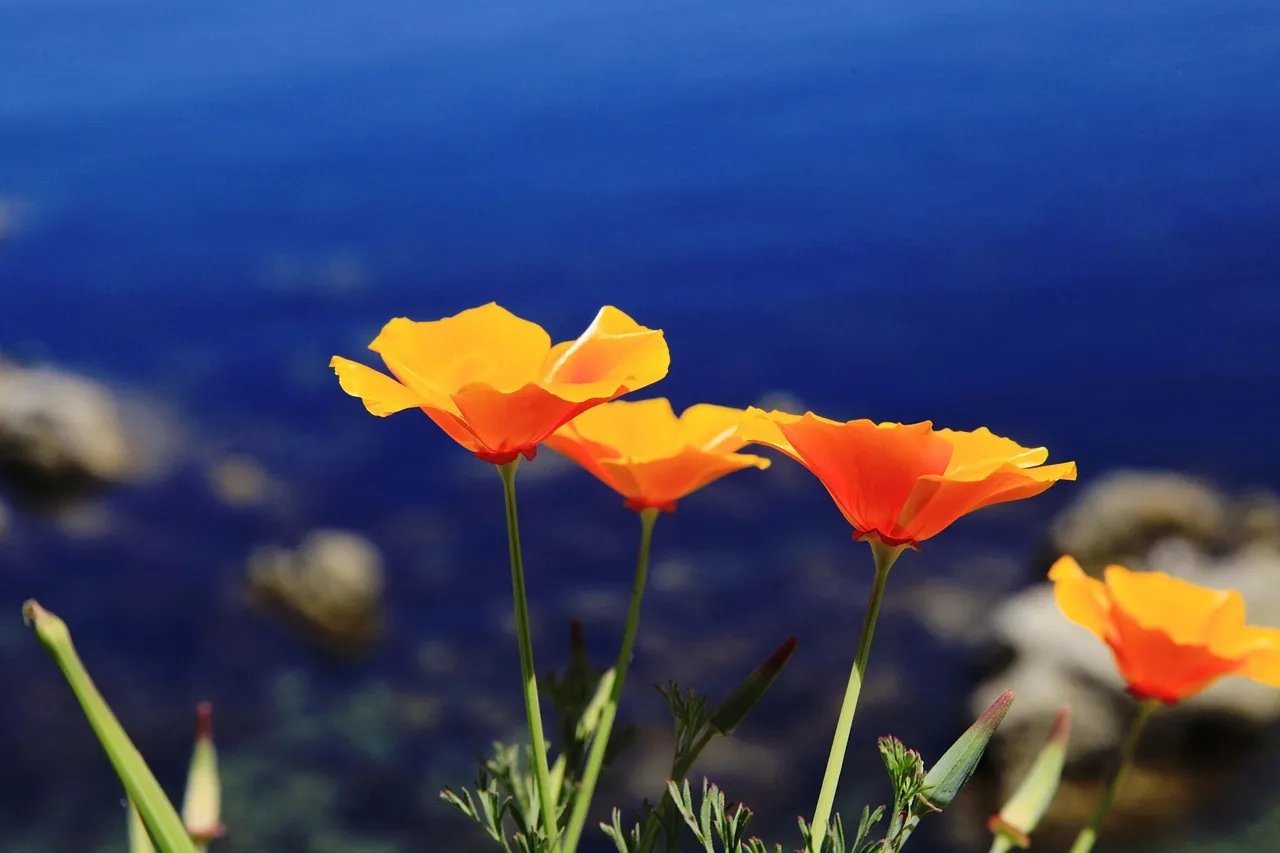
Gardening in Ventura with California natives isn’t about sacrifice or settling for less. The Matilija poppy is one of the most dramatic flowering plants in all of North America. Cleveland sage fills a summer afternoon with fragrance in a way that few plants anywhere can match. California fuchsia keeps the hummingbirds coming back in the season when almost everything else has gone quiet.
These are examples of beauty that evolved naturally in the dry, hungry soils and hot sun of Southern California. They don’t need constant watering, rich soil, or special treatments – they need to be planted in the right place and left largely alone. That’s a kind of gardening that suits Ventura well, and it suits the land even better.
AI Disclaimer: This article was created with the assistance of AI tools and reviewed by a human editor.