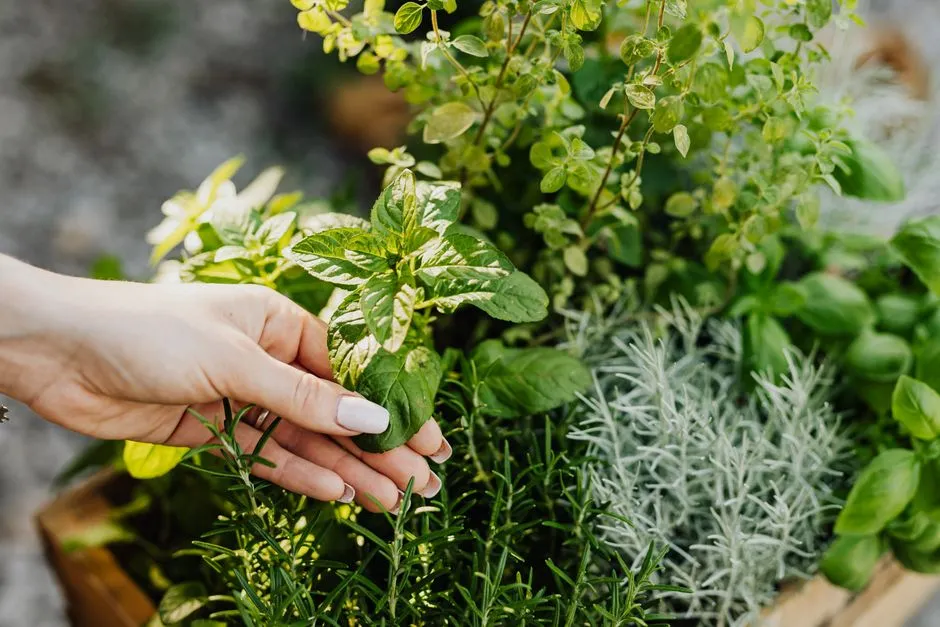

Sonoma County summers don’t ask for permission. By late July, inland temperatures can easily climb past 100°F, and the dry stretch from June through October puts real pressure on anything in the ground. Sonoma’s long, dry summer includes frequent scorching-hot days in August and September, and most conventional garden plants simply aren’t built for that kind of sustained heat.
The plants most likely to thrive here can survive wet winters and dry summers with minimal care. Some are California natives, while others are native to other Mediterranean climates. Many require little supplemental irrigation, attract few harmful insects, are relatively disease-free, and flourish in Sonoma County. The five plants below are exactly that kind of company.
1. Rosemary: The Sonoma Garden Workhorse
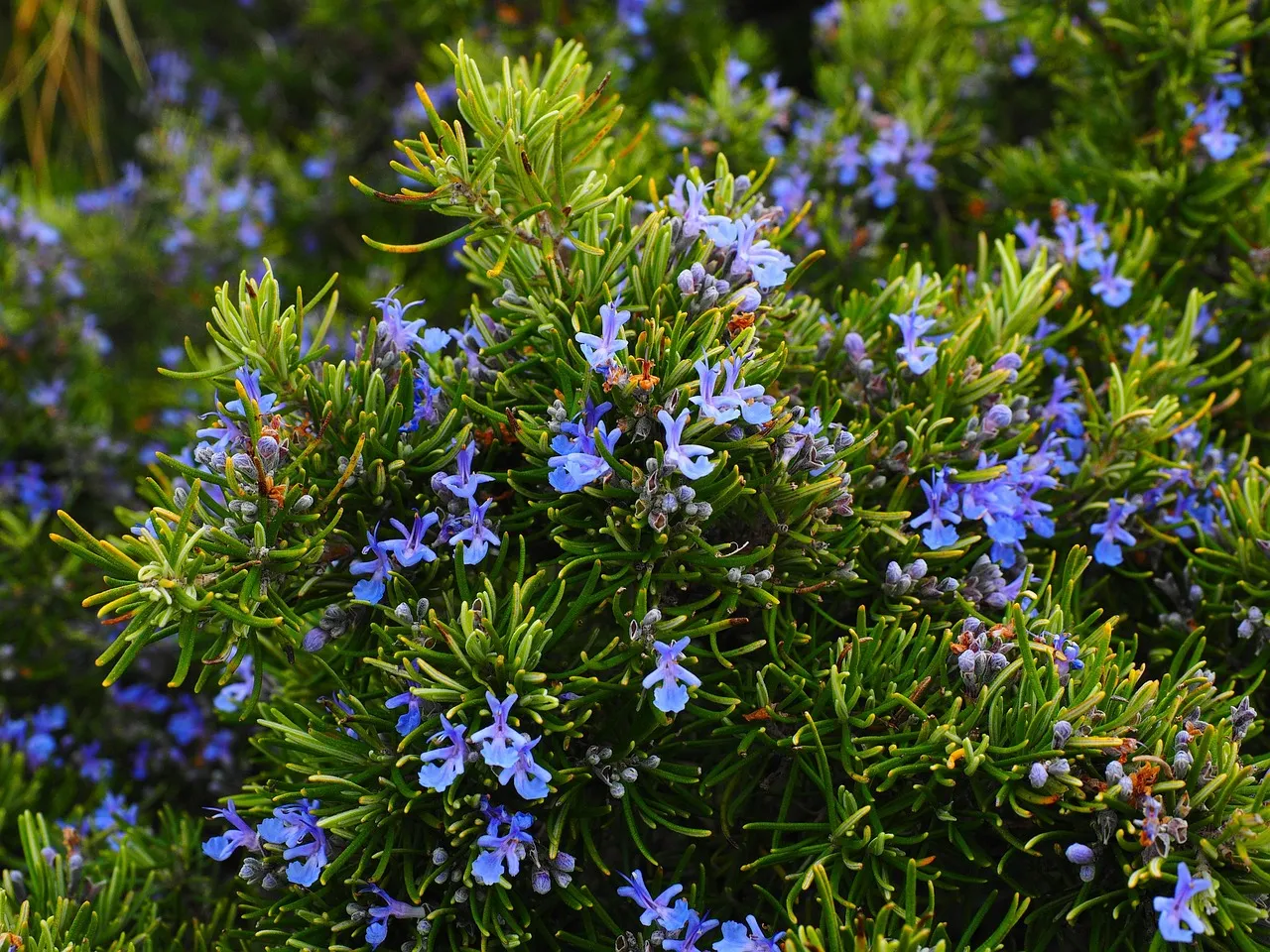
Rosemary is arguably the single most reliable plant you can put in a Sonoma garden. Rosemary is a compact, small to medium-sized woody shrub and a type of sage that grows well with other Mediterranean herbs, such as lavender and thyme. It’s one of those plants that seems to genuinely enjoy full sun and lean soil rather than just tolerate them.
Drought-tolerant, rosemary grows best in warm areas similar to its native shores of the Mediterranean Sea, and in those conditions it can grow into a shrub five to ten feet in height. In Sonoma’s inland valleys, established plants often need no supplemental water at all during summer. Rosemary is culinary, bee-attracting, and bone-dry tolerant once established.
Herbs are great year-round plants, especially not-too-thirsty sage and rosemary. Sonoma garden professionals consistently recommend it precisely because it covers multiple bases at once: structure, fragrance, kitchen use, and habitat value. Feature rosemary as a cornerstone plant in hedges, and plant it near pathways and seating where brushing releases its fragrance.
2. Lavender: Beauty That Earns Its Place
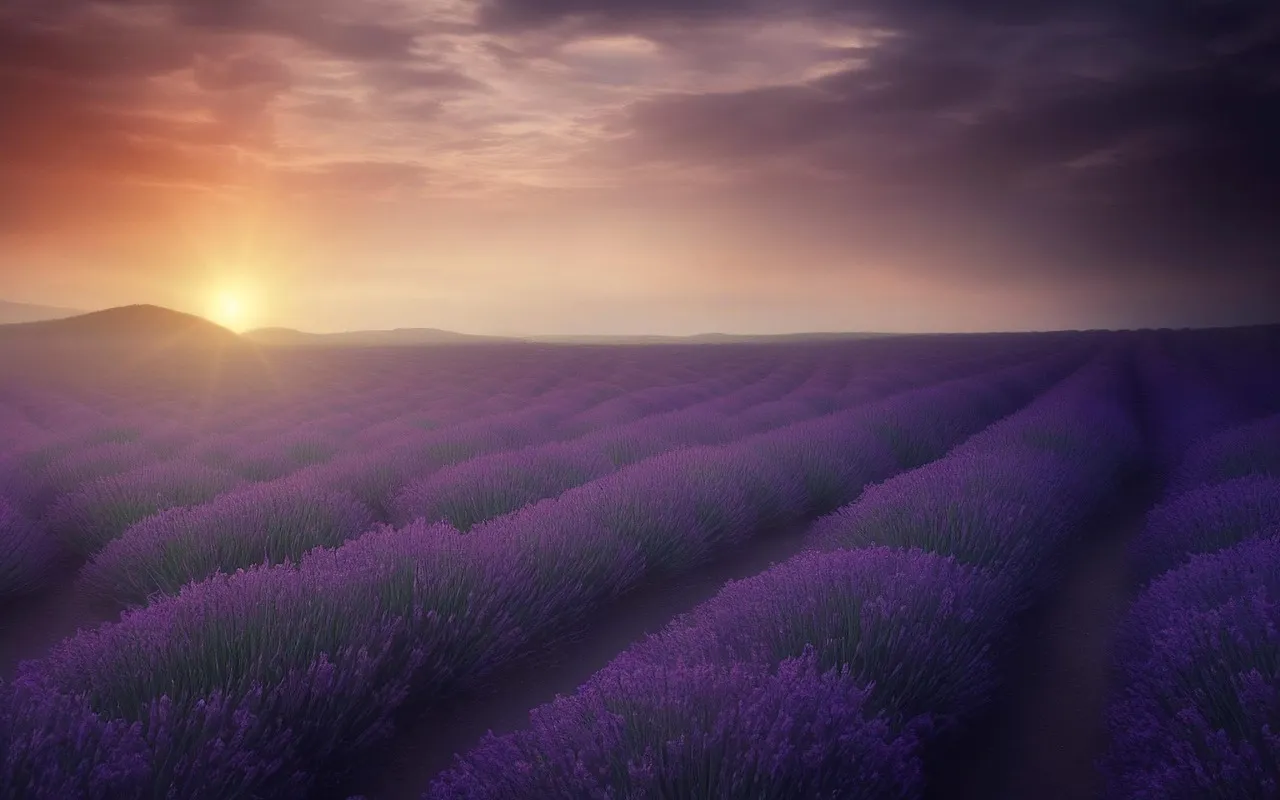
Lavender is one of the most popular drought-tolerant choices for Northern California landscapes, and for good reason. Lavender is a great choice because it smells nice, attracts bees, and adds color. It’s also genuinely well-suited to Sonoma’s Mediterranean-style climate, where dry summers and mild winters mirror its native range almost exactly.
Silver and hairy leaves, like those of lavender, reflect sun and slow evaporation, which is part of why the plant thrives where others struggle. Lavender is fragrant, silver-green, and ultra-dry tolerant once established. Inland Sonoma sites especially reward lavender, given the long stretches of heat and strong sun those areas receive.
Salvias, oregano, lavender, and rosemary fuel bees and butterflies well into fall. That pollinator value matters more now than ever, particularly as California’s native bee populations face ongoing pressure. Lavender thrives in Sonoma County’s Mediterranean-like climate, making it perfect for a home garden.
3. Culinary Sage: Structure, Flavor, and Toughness in One Plant
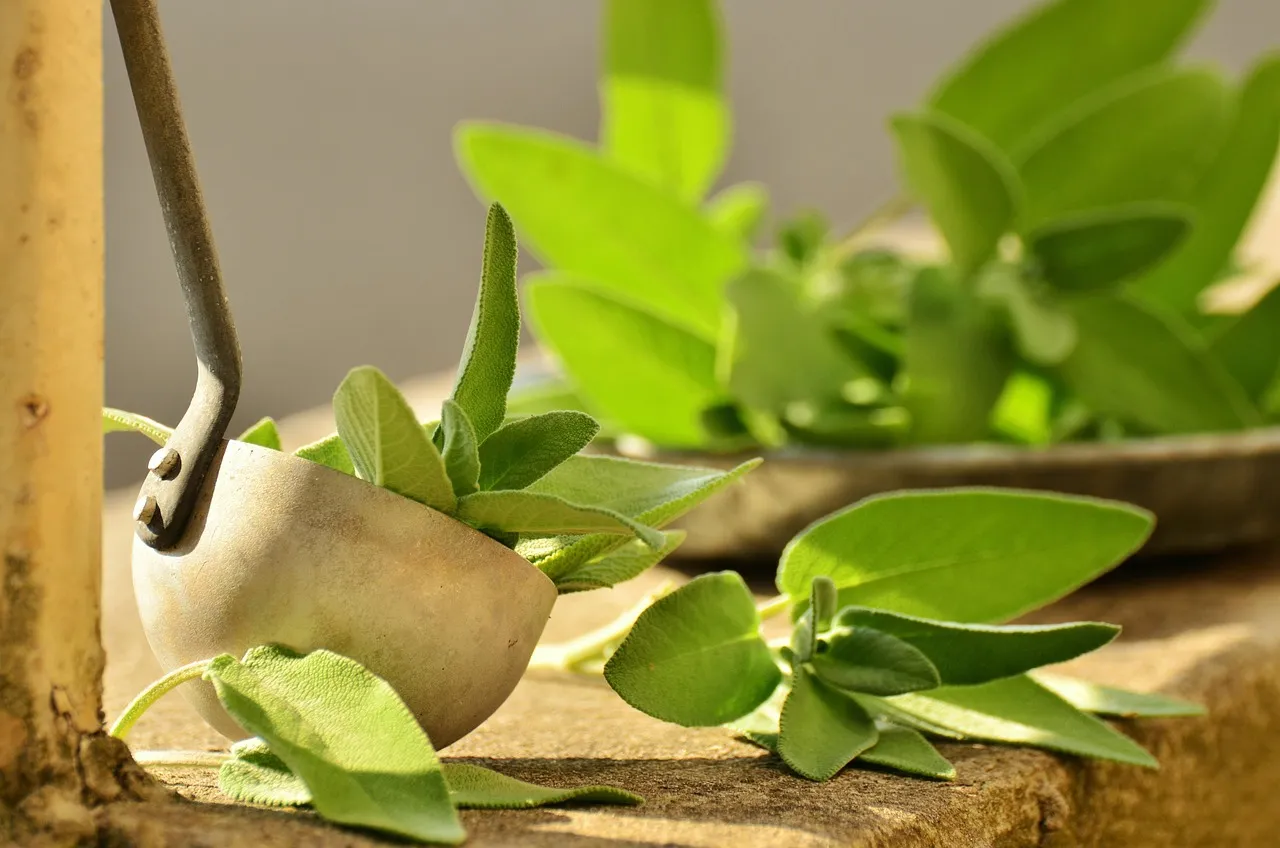
Garden sage (Salvia officinalis) is a plant with a remarkable set of traits for Sonoma conditions. Aromatic oils in herbs like salvia, thyme, and rosemary reduce water loss and heat stress, meaning their fragrance isn’t just pleasant – it’s actually a functional adaptation to heat. Sage handles full sun, rocky soil, and irregular watering without complaint.
Popular Mediterranean choices include aromatic herbs such as rosemary, thyme, lavender, and oregano, as well as colorful perennials such as salvias and rockroses. Culinary sage sits squarely in that proven category. Naturally woody-stemmed herbs like oregano, thyme, mint, and sage do best when soil is allowed to dry out before rewatering.
That natural preference for dry conditions makes sage exceptionally compatible with Sonoma summers. Trim it after flowering to keep it dense and productive, and it will return season after season with minimal input. Hotter inland sites in California suit salvias particularly well.
4. Oregano: Low Fuss, High Reward
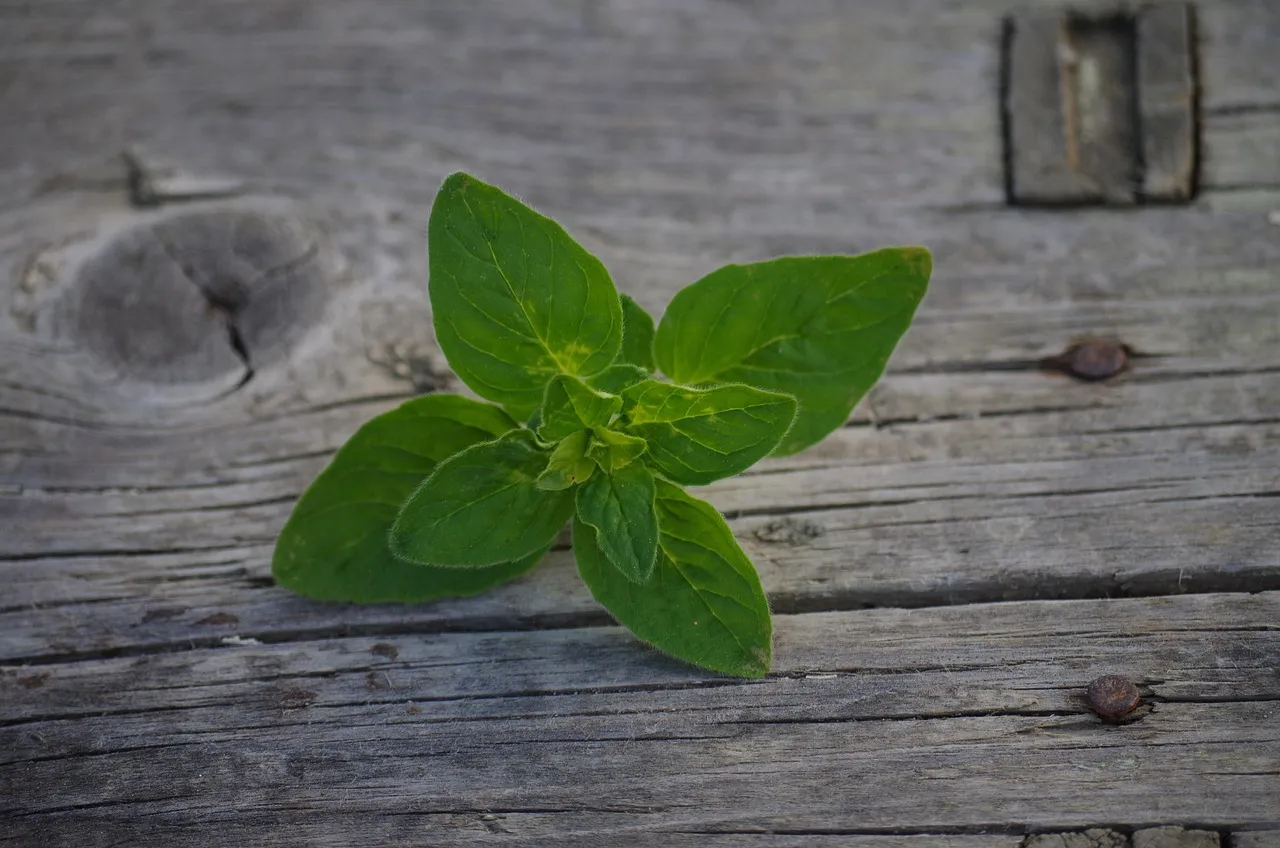
Oregano often gets underestimated as a garden plant, but it’s one of the toughest herbs you can grow in Sonoma County. Non-culinary oreganos have low water requirements, but all oreganos withstand long, dry periods. That resilience during extended drought is a key advantage in a region where summer rainfall is essentially zero for months at a stretch.
For best leaf flavor, do not allow oregano and sweet marjoram to flower. Pinch them back or shear about one-third of the new spring growth in early May to keep plants compact and tidy. Regular kitchen harvesting actually encourages denser, more flavorful growth. It’s one of those plants where the more attention you give it, the more it returns.
Oregano becomes woody with leathery leaves at the base if not kept compact. A simple annual trim prevents that, keeping plants tidy and productive for many years. Look for plants that are drought and heat tolerant, check the amount of sunlight and moisture the plant requires, and note the days to maturity – oregano checks all the right boxes for Sonoma’s climate profile.
5. Coyote Brush (Baccharis pilularis): Sonoma’s Own Heat-Hardy Native Shrub
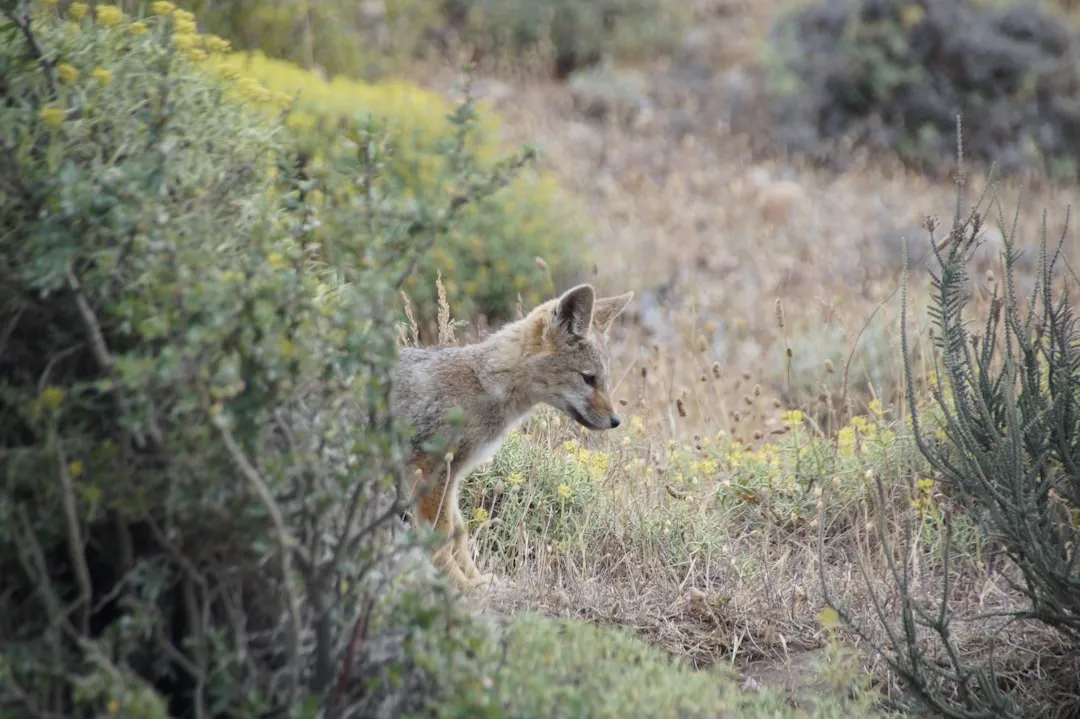
For gardeners who want a true Sonoma County native, coyote brush is hard to beat. Coyote bush (Baccharis pilularis) is a common component of both chaparral and coastal sage scrub, and is a very important habitat plant. It grows naturally all across the county and is essentially pre-adapted to everything Sonoma summers can throw at it.
The parent plant is a large shrub, common in Sonoma County, where it endures heat and drought and reseeds easily. However, there are two dwarf groundcover forms that do not self-sow. Those compact cultivars are ideal for home gardens where spreading needs to be managed. Dwarf varieties of coyote bush make an excellent groundcover in the landscape.
Native plants provide many more resources to native pollinators and other wildlife than non-native plants and are an important source of habitat. A mix of at least roughly four-fifths native plants provides excellent habitat for wildlife biodiversity, while allowing plenty of room for other favorites. Coyote brush in particular supports beneficial insects that many other garden plants simply can’t match.
Why Sonoma’s Climate Demands Heat-Smart Planting
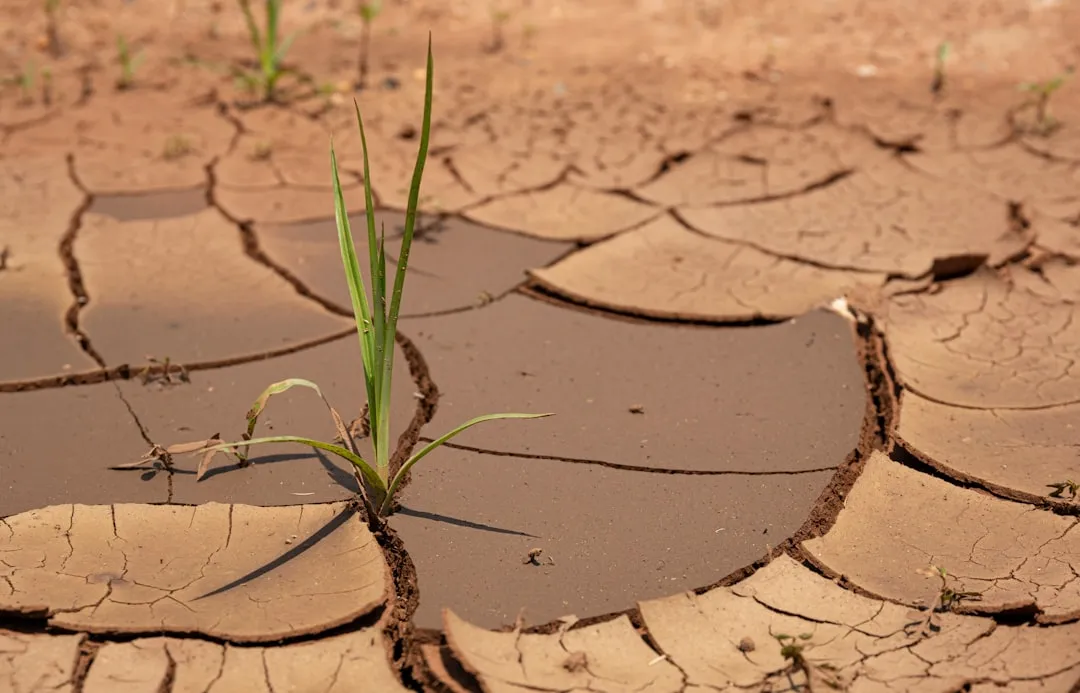
California’s Mediterranean climate is virtually identical to the gardens of southern France, Greece, and coastal Italy, making it an ideal location for authentic heat-tolerant garden design. With hot, dry summers, mild wet winters, and abundant sunshine, California naturally supports drought-tolerant herbs, silver-foliaged perennials, and sun-loving plants.
Drought can amplify heat waves. When water evaporates, it has a cooling effect on the air nearest the ground. During prolonged dry periods and drought, evaporation rates are limited by the amount of water in the landscape. Without that cooling effect, what could have been simply a hot day can become a very hot day. Choosing plants that manage this cycle naturally reduces the burden on both gardeners and water supplies.
Master Gardeners have a saying: “right plant, right place, right time.” That principle becomes less of a guideline and more of a necessity during a Sonoma summer. Getting the plant selection right from the start is the most effective thing a gardener can do.
The Mediterranean Connection: Why These Plants Belong in Sonoma
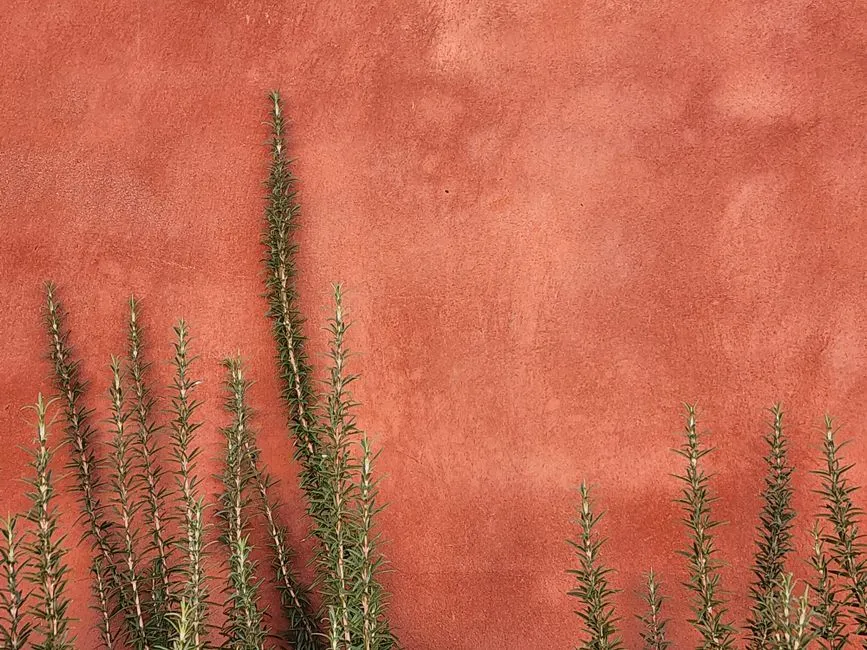
Many commonly used herbs are naturally drought-tolerant due to their origin in the Mediterranean Basin. Rosemary, lavender, sage, and oregano all evolved in climates strikingly similar to Sonoma’s, which is why they perform so reliably here rather than requiring constant intervention.
Mediterranean plants are adapted to hot, dry summers and mild, wet winters. That seasonal rhythm matches Sonoma County almost exactly, down to the wet winters and dry summers that define the region’s agricultural calendar. Since many herbs originate from the sun-soaked Mediterranean, they tend to be heat-tolerant by default.
With hot, dry summers, mild wet winters, and abundant sunshine, California naturally supports drought-tolerant herbs and silver-foliaged perennials. Mediterranean gardens thrive here with minimal water once established, featuring aromatic lavender and rosemary. Lean into that compatibility and the garden practically takes care of itself.
Soil, Drainage, and Getting Established
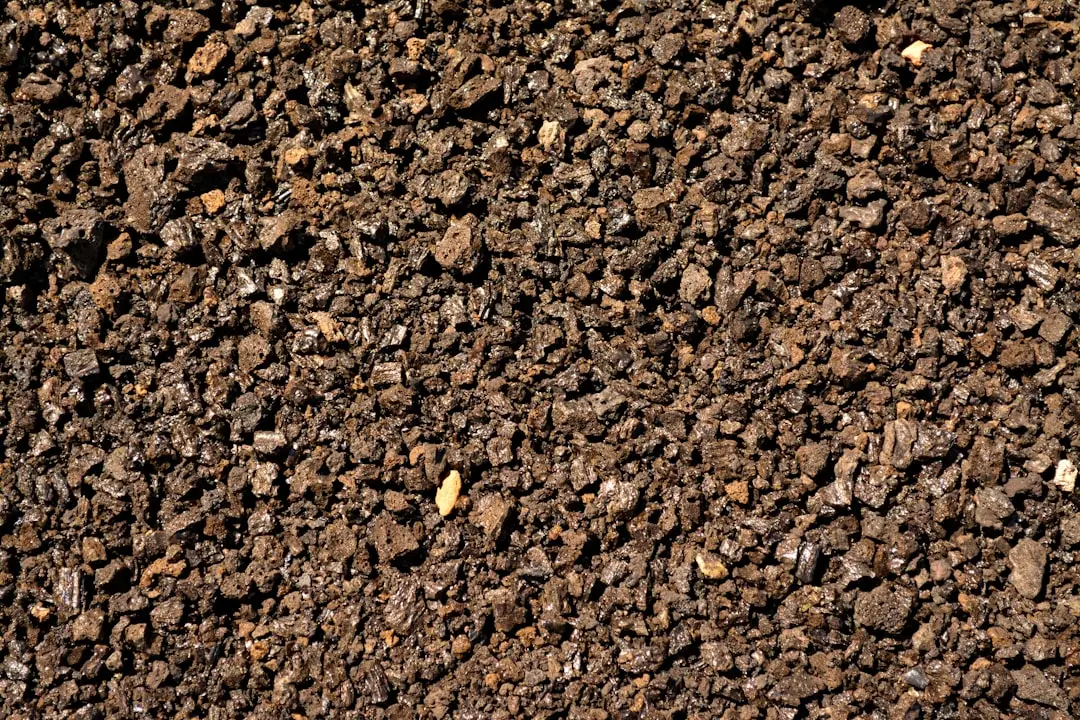
Many Mediterranean shrubs prefer lean soil. Over-amending or overwatering can shorten their lifespan – focus on drainage first. This is a point that trips up many Sonoma gardeners who instinctively enrich their beds before planting. For these plants, restraint is actually the smarter move.
In Sonoma County, the most common soil types are clay and sand. Clay can hold too much moisture for Mediterranean plants during wet winters, so raised beds or amended planting areas with improved drainage can make a significant difference. Sandy soils, on the other hand, tend to suit these plants very well with little modification needed.
With few exceptions, newly planted garden selections, even those that are heat and drought resistant, need adequate water during their first year at least, in order to establish a strong root system. After that, kick back and enjoy the low-work results. Year one asks the most of a gardener – year two tends to reward patience.
Watering Smart: Deep and Infrequent Wins
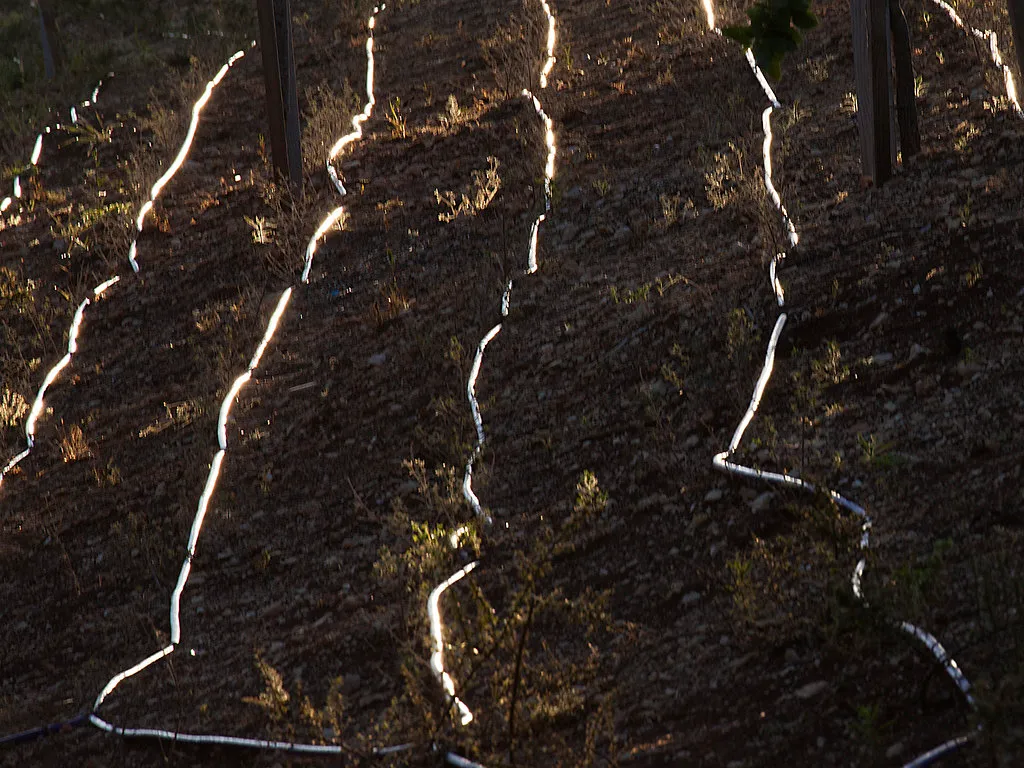
Mediterranean plants are drought-tolerant once established, but not “no-water.” Water regularly the first season; then water deeply and infrequently so roots grow down, not up. That shift from shallow, frequent watering to deep, occasional soaking is one of the most impactful changes any Sonoma gardener can make.
Deep soaks are preferable to light daily watering. Light daily watering encourages shallow roots; long intervals train roots downward where soil stays cooler and moister. Shallow roots are the first to suffer in a heat wave, while deep-rooted plants access moisture reserves that surface soil has long since lost.
Drip irrigation sends water straight to the roots instead of spraying it into the air, helping reduce evaporation. Paired with a mulch layer, drip irrigation is the most efficient setup possible for a heat-tolerant herb and shrub garden in Sonoma’s dry season.
The Pollinator Dividend: What These Plants Give Back
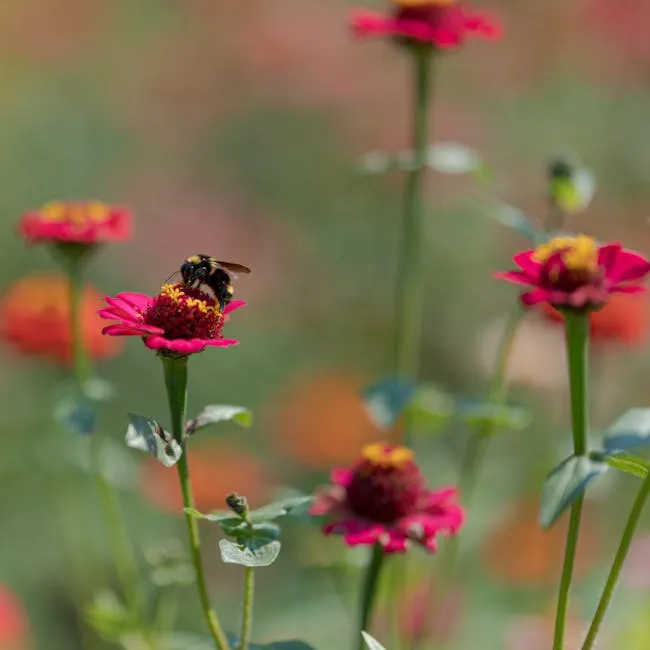
Borage is a critical food source that supports the native bee population in very early spring. The same principle applies broadly to this entire plant selection: heat-tolerant herbs and native shrubs don’t just survive the Sonoma summer, they actively support the ecological web around them.
Salvia, thyme, and lavender are rich in nectar and pollen, supporting bees, butterflies, and other beneficial insects. In a county where wildfire risk has reshaped land management priorities, planting for pollinators and resilience simultaneously is a sound and increasingly practical goal. These plants attract pollinators, feed butterflies, birds, and bees, and create a wildlife habitat for all types of beneficial fauna.
It’s a genuine return on investment. You spend far less on water and maintenance, and the garden keeps giving back, season after season, to the broader environment around it.
Practical Tips Before You Plant
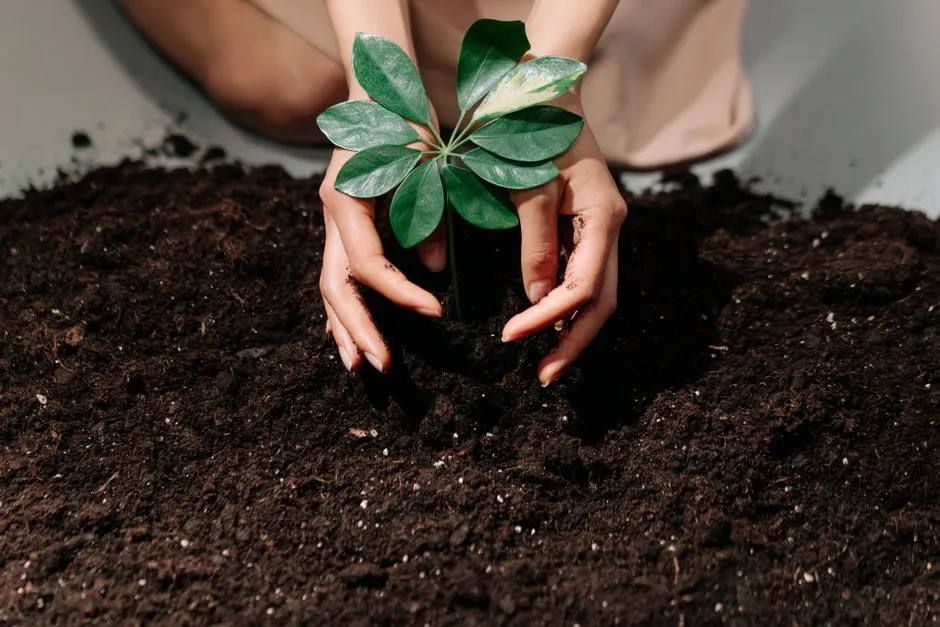
Master Gardeners advise planting heat-loving plants after mid-May, once the soil has warmed and daylight hours have lengthened. Timing matters more than most gardeners realize – a plant put in the ground too early in cool, wet soil can stall out before it ever gets going.
You need to take your location into account when planting in Sonoma County, as the region has many climate zones. Your own microclimate and precise planting location will affect the way your plants grow. Plants in coastal microclimates can withstand more sun and get by with less watering than those in hot, inland areas.
Local microclimates, such as hillsides, valleys, sheltered spots, or even different areas of your yard, can also affect timing. Use general planting guidance as a starting point and adjust based on current conditions in your garden. Spending one season observing how heat, wind, and shade move across your specific space is often the best investment a gardener can make before any plant goes in the ground.
Conclusion: Plant Once, Benefit for Years
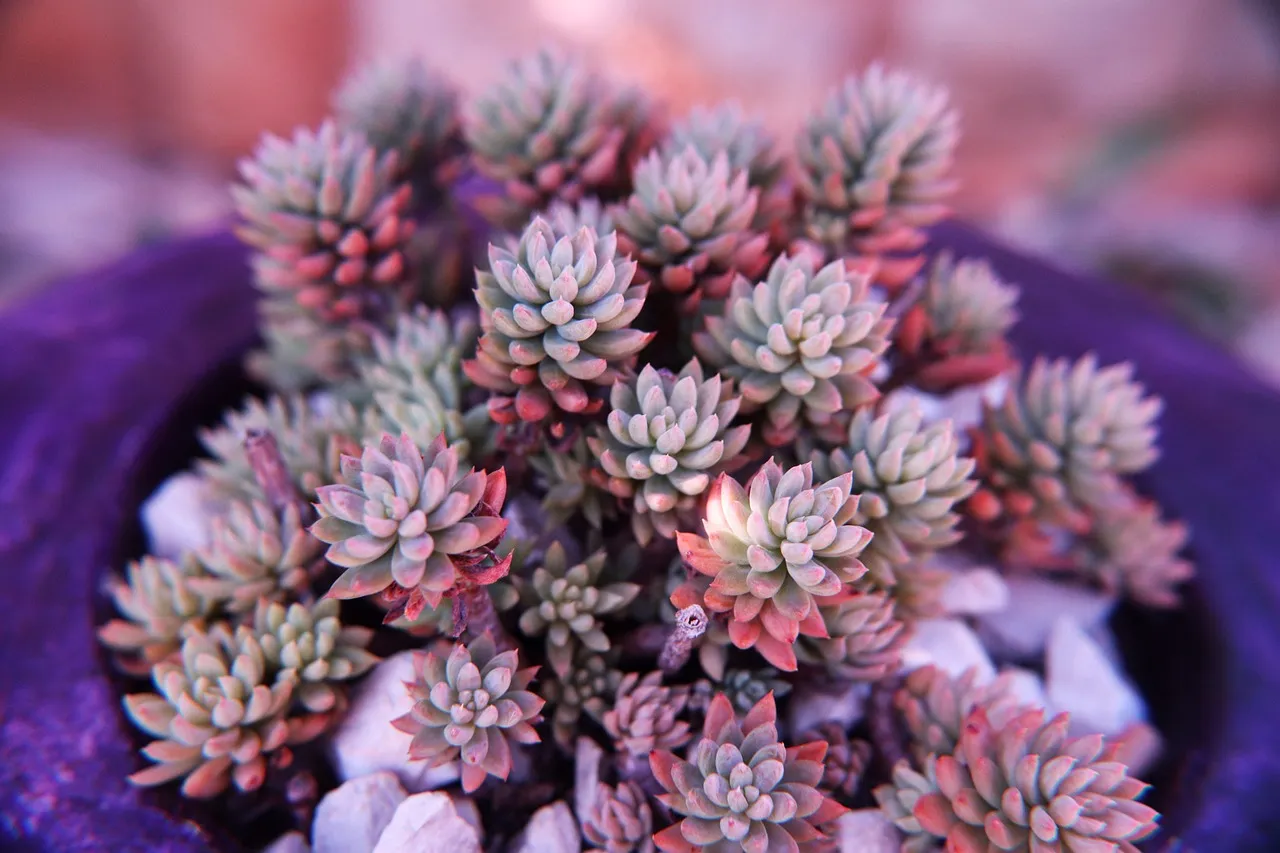
The appeal of these five plants isn’t just their hardiness. It’s that they solve several problems at once: water scarcity, wildlife support, fire-wise landscaping, and year-round visual interest. Many plants can be grown successfully in Sonoma County, but the selected plants most likely to succeed can survive wet winters and dry summers with minimal care.
With climate change and the need for sustainability shaping landscaping trends, more and more homeowners are choosing smart, water-wise designs. Whether it’s planting drought-resistant plants, installing better irrigation, creating fire-resistant landscapes, or adding comfortable outdoor spaces, these trends help make yards both beautiful and practical.
A Sonoma garden that works with the climate rather than against it isn’t a compromise. Once rosemary is spilling over a path edge in August, lavender is still buzzing with bees, and coyote brush is anchoring a dry hillside without a drop of irrigation, the calculus becomes obvious. These plants were, in a sense, already suited to this place long before anyone asked them to grow here.
AI Disclaimer: This article was created with the assistance of AI tools and reviewed by a human editor.