
Most city gardens don’t have room for a sweeping oak or a sprawling magnolia. What they do have is a patio, a balcony, maybe a small courtyard with a few square feet of potential. That’s actually enough. The right tree, placed thoughtfully in the right container or compact bed, can completely transform how an outdoor space looks and feels.
Urban gardening is no longer just a suburban or rural activity. City dwellers are increasingly transforming small spaces, including courtyards, stoops, and containers, into vibrant gardens. With urban living on the rise, small-space gardening continues to grow in popularity, and dwarf varieties now allow even those with very limited space to enjoy the real benefits of having trees outdoors.
The five trees in this article were chosen specifically for urban patios. They stay manageable, perform across seasons, and genuinely work in containers or tight ground spaces.
Why Compact Patio Trees Are Having a Moment Right Now
The numbers behind urban gardening tell a clear story. The global gardening market was valued at around $120 billion in 2024 and is projected to reach $150 billion by 2030, a growth supported by rising interest in home gardening, urban farming, and the increasing awareness of green spaces.
Roughly more than half of people garden primarily to create a beautiful space, while a solid share garden specifically to grow food. Those two motivations tend to converge perfectly in compact patio trees, which can deliver both ornamental value and, in some cases, edible fruit.
Urban living often comes with limited outdoor areas, yet that does not mean you have to sacrifice greenery and the joy of having trees around. Compact trees are perfect for balconies, patios, and small courtyards. The momentum behind this is real, and the plant options available today reflect that demand.
Tree 1: Dwarf Japanese Maple (Acer palmatum)
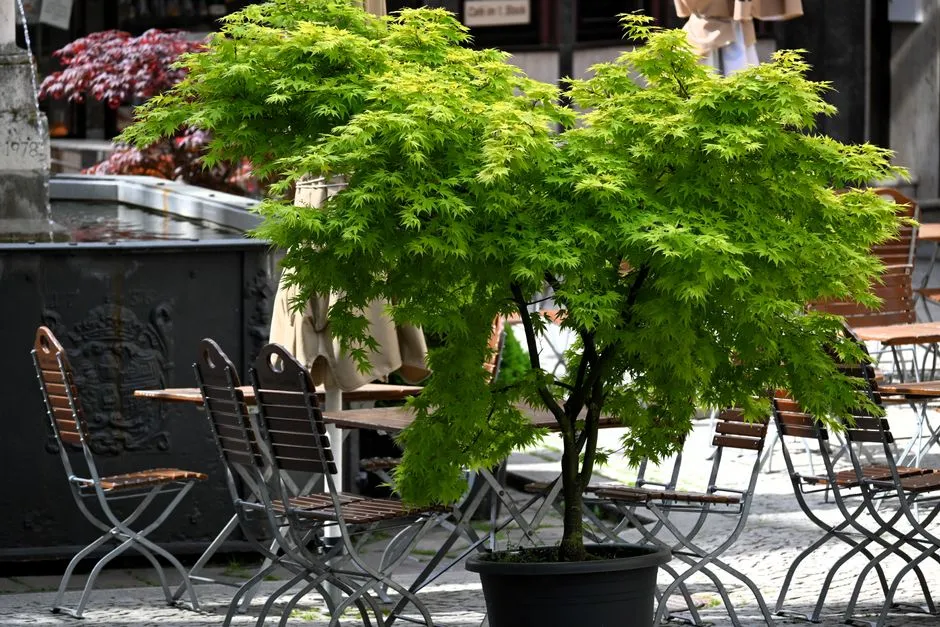
Dwarf Japanese maples, which typically mature under ten feet tall, are a genuine game-changer for gardeners with limited space. Unlike full-sized specimens that can reach twenty to thirty feet, these slow-growing cultivars offer all the visual drama in a fraction of the footprint, making them ideal for urban lots, courtyards, and balconies.
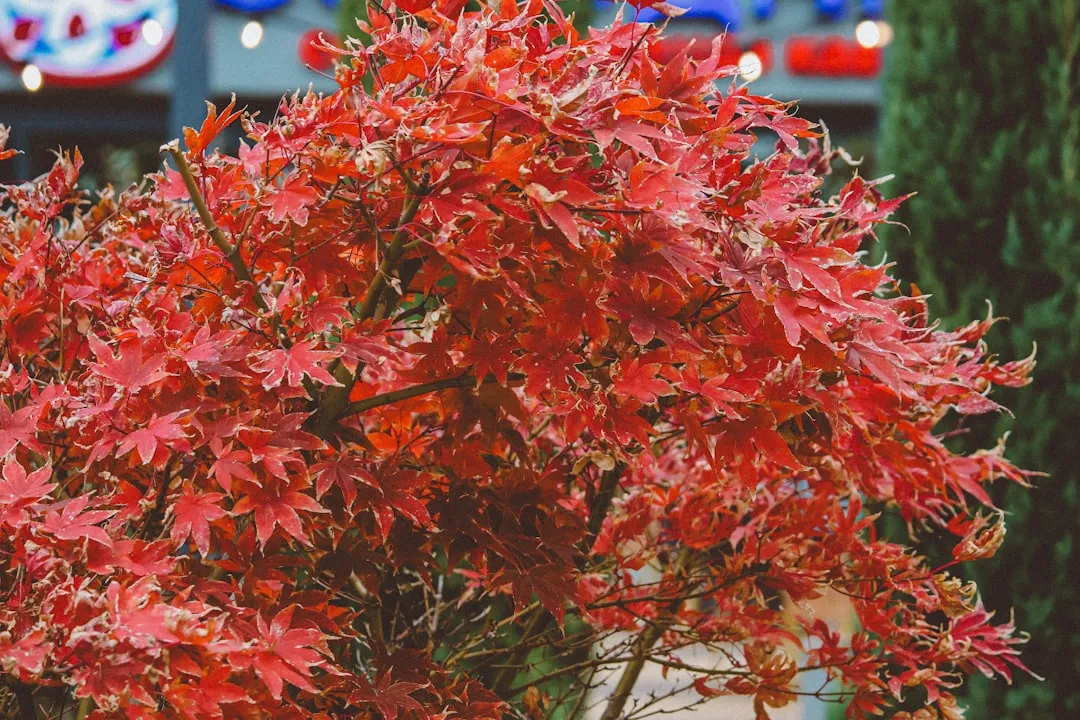
They grow just three to eight inches per year, maintaining a compact form without constant pruning. This makes them forgiving for busy homeowners and well-suited to long-term container culture. These trees shine across every season: spring brings vibrant new growth, summer offers lush canopy, fall delivers the signature fiery display, and winter reveals sculptural branching.
Container growing is one of the best ways to enjoy dwarf Japanese maples, particularly in urban gardens, on rooftops, or in paved courtyards. Use a freely draining mix with added perlite or grit to prevent waterlogging, repot every two to three years to refresh the growing medium, and mulch the top of the container to retain moisture and moderate soil temperature.
Tree 2: Compact Crape Myrtle (Lagerstroemia indica)
Compact crape myrtles like ‘Pixie White’ or ‘Delta Blush’ grow around five to eight feet tall, making them excellent choices for patios. They bloom generously and they bloom long, which is exactly what a small-space gardener needs from a tree.
Crape myrtles are drought-tolerant trees available as single-trunk specimens or in graceful multi-trunk forms. Compact cultivars are especially well suited to hot, sunny locations. In late summer, they produce showy blooms that carry into fall, followed by vibrant foliage in shades of red, yellow, orange, and purple. After leaf drop, mottled exfoliating bark provides genuine winter interest.
Top of many container planting lists for flowers all summer long, crape myrtles are full of blooms during the summer months, just when you are most likely to be on your deck relaxing or entertaining. For urban patios with full sun exposure, it’s hard to match their value across an entire growing season.
Tree 3: Dwarf Meyer Lemon (Citrus × meyeri)
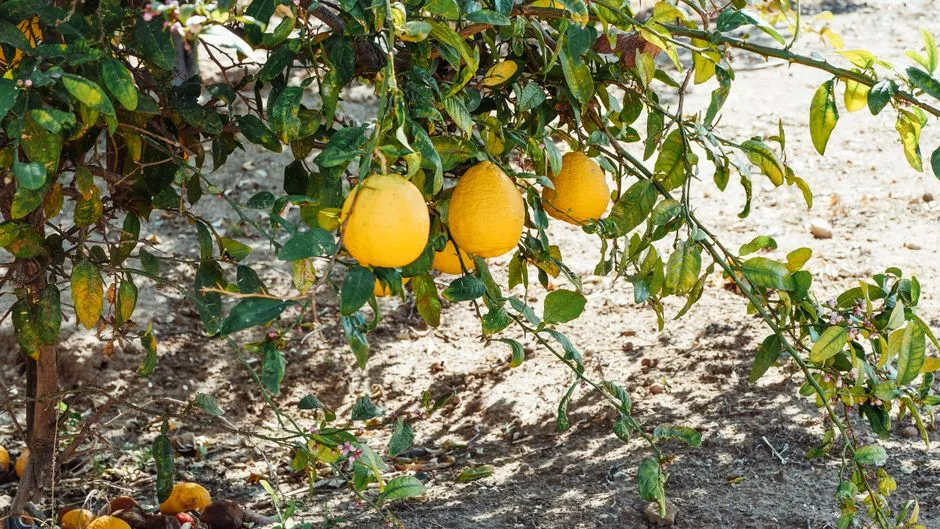
Meyer lemon trees are a popular choice for small urban gardens. They’re a lemon-mandarin orange hybrid that delivers a sweet-tart harvest in a genuinely compact package. Keeping potted dwarf citrus trees is especially appealing for those in cooler climates, and unlike many other fruit-bearing trees, a dwarf citrus tree is self-pollinating, so you don’t need more than one to get fruit.
Zones nine to eleven suit it best outdoors year-round, though in colder zones it performs well indoors during winter. Success depends on three core requirements: using a pot with drainage holes, watering only when the top two inches of soil are dry, and fertilizing monthly during the growing season.
Many patio trees like dwarf citrus are ideal for container gardening. In colder zones, they can be brought indoors during winter and returned outside in spring, making them genuinely practical for seasonal use across a wide range of climates.
Tree 4: Eastern Redbud (Cercis canadensis)
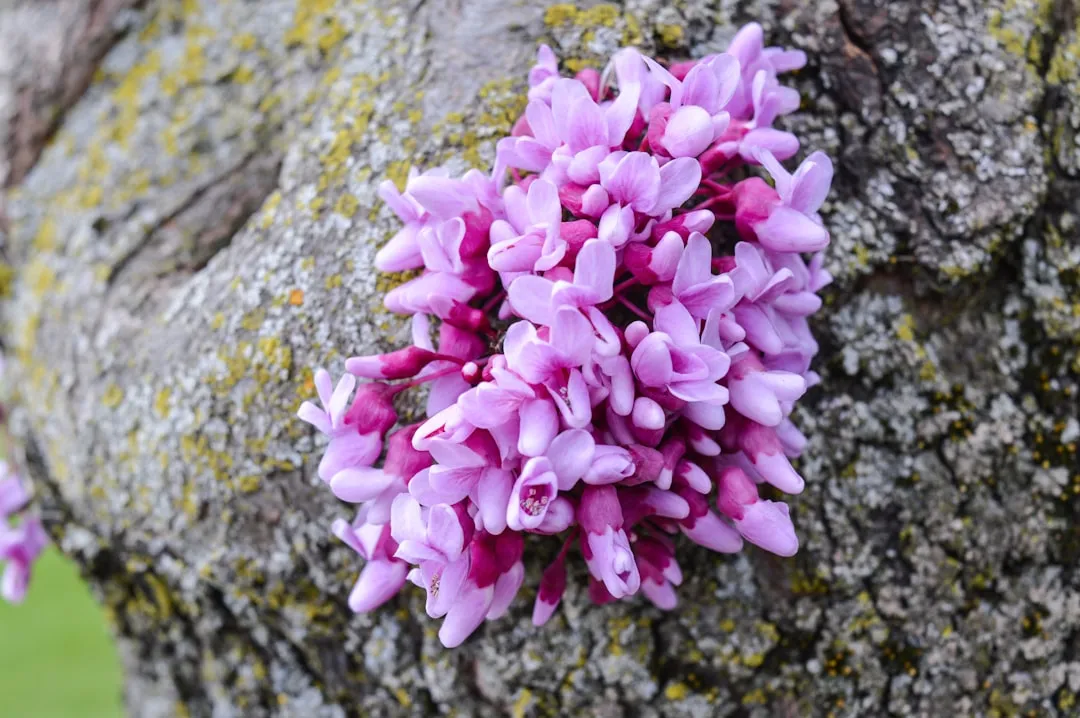
The Eastern Redbud is a beloved North American native tree celebrated for its breathtaking spring display and multi-season interest. Before its leaves appear, the bare branches and even the trunk become covered in clusters of vibrant rosy-pink to magenta flowers. This unique flowering habit makes it one of the best trees for small yards.
Its modest size and graceful, often multi-stemmed form ensure it fits comfortably without overpowering a compact garden. The redbud’s charm lies in its ability to deliver a high-impact floral show without demanding a large footprint, and its open, vase-like shape allows for underplanting with spring bulbs or shade-loving perennials, maximizing every bit of garden space.
Along with being tolerant of pollution, these small trees also thrive in different soil types, even those that are compacted. This native of the eastern and central U.S. is hardy in zones four to nine and can grow in urban yards in full sun or part shade. That combination of adaptability and seasonal drama makes it a rare find.
Tree 5: Weeping Ornamental Cherry (Prunus ‘Snow Fountains’)
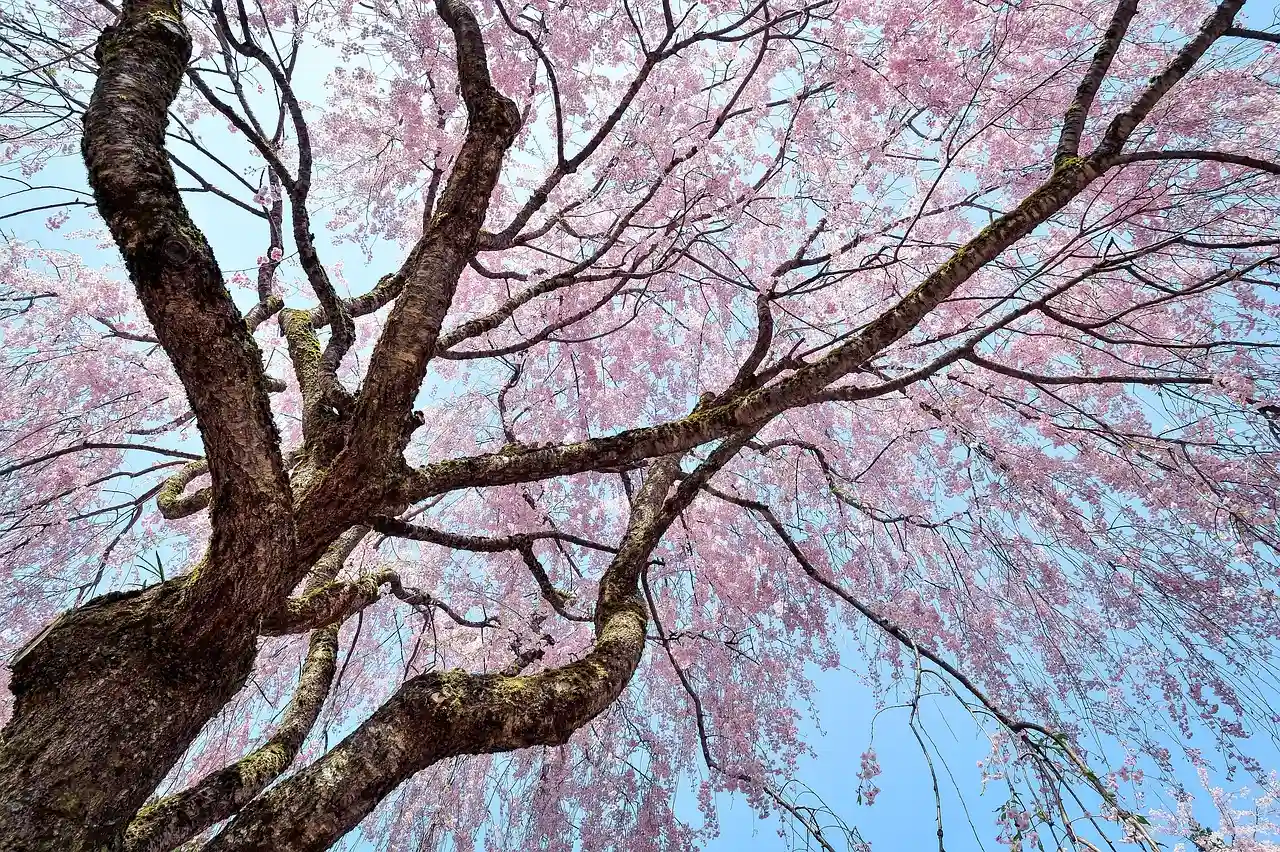
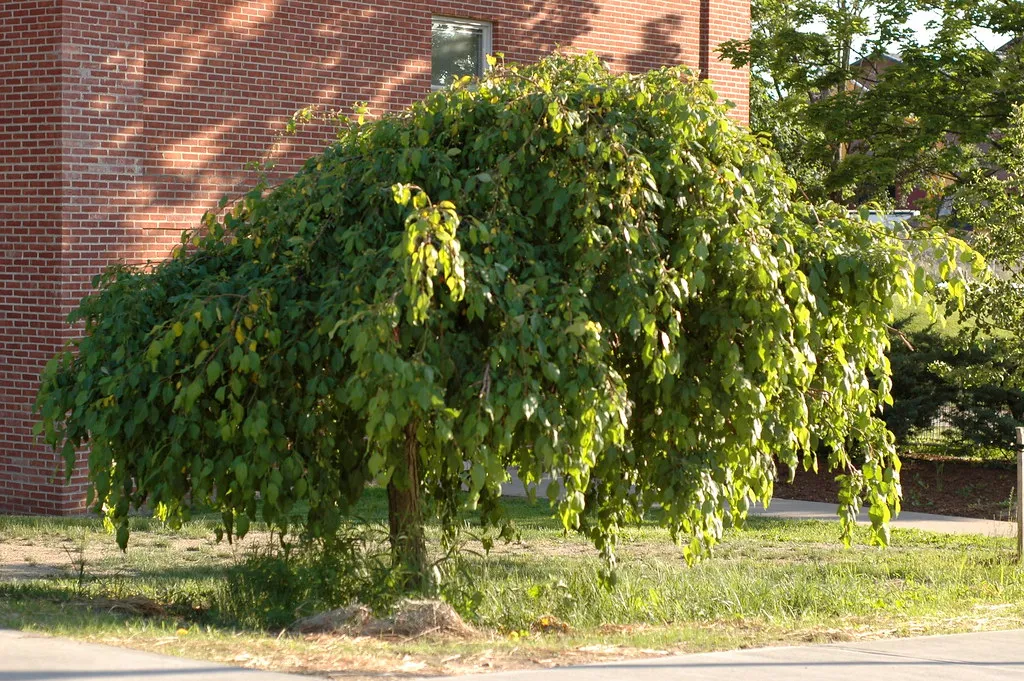
The Weeping Cherry ‘Snow Fountain’ offers cascading white flowers that paint a truly picturesque scene. This tree’s drooping branches create a waterfall effect, making it a stunning centerpiece in limited spaces. During spring, it becomes a snow-like spectacle with delicate blossoms, and it adapts well to various soil conditions.
Many weeping trees, such as weeping cherries, are prized as unique ornamental landscape trees because of their cascading branches and strong architectural presence. Even on small lots, a single weeping tree can create a focal point that transforms a patio or seating area into a garden destination. Their controlled height and dramatic habit make them ideal as small trees near patios, garden paths, or water features.
Flowering cherries bring pure romance to the garden each spring, their delicate petals blanketing every branch in a soft, ephemeral display. Among the earliest flowering trees of the season, they signal the arrival of warmer days. Their blossoms thrive in mild, wet winters and cool springs, making them a reliable and enchanting choice for small gardens.
Container Size and Soil: Getting the Basics Right
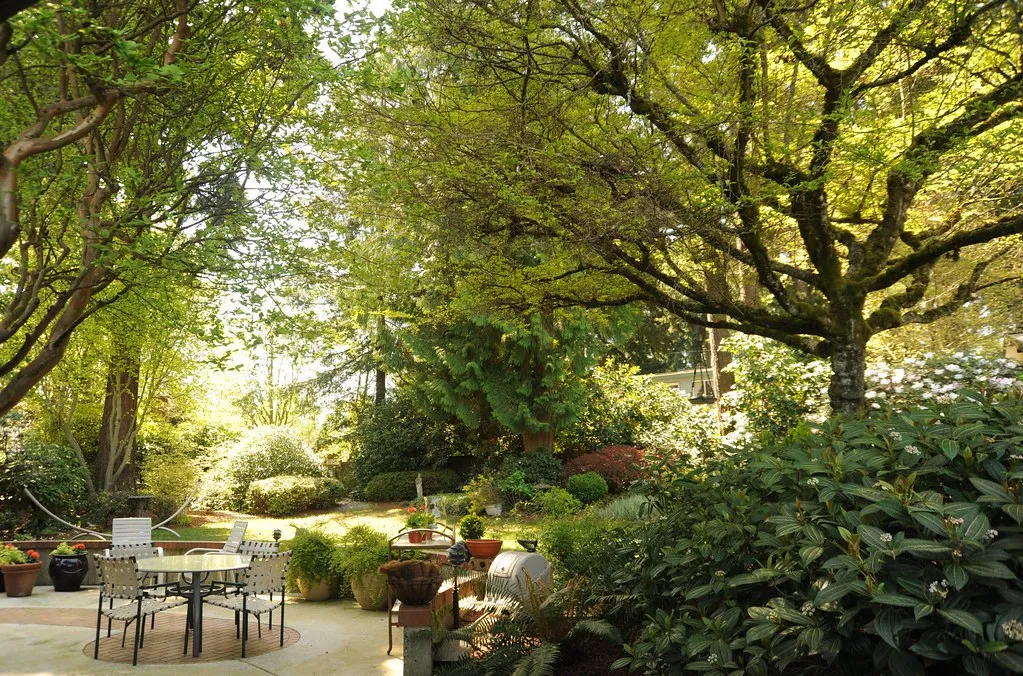
The best small trees for patios are those that combine compact mature size, exceptional tolerance for container culture, consistent ornamental value across seasons, and resilience to urban stressors including reflected heat, wind exposure, limited root volume, and irregular watering.
Since many balcony and patio trees grow in pots, container care is crucial for long-term health. Choose large, sturdy pots with drainage holes, using materials like ceramic, fiberglass, or terracotta. Use a lightweight, well-draining potting mix enriched with compost rather than regular garden soil, which is too heavy.
Start with a large container when you bring a potted tree home from the nursery. Repot it into a larger container than it came in, and aim for a soil depth of at least two to three feet wherever possible. These basics aren’t complicated, but skipping them is the most common reason patio trees struggle.
Watering and Feeding Container Trees
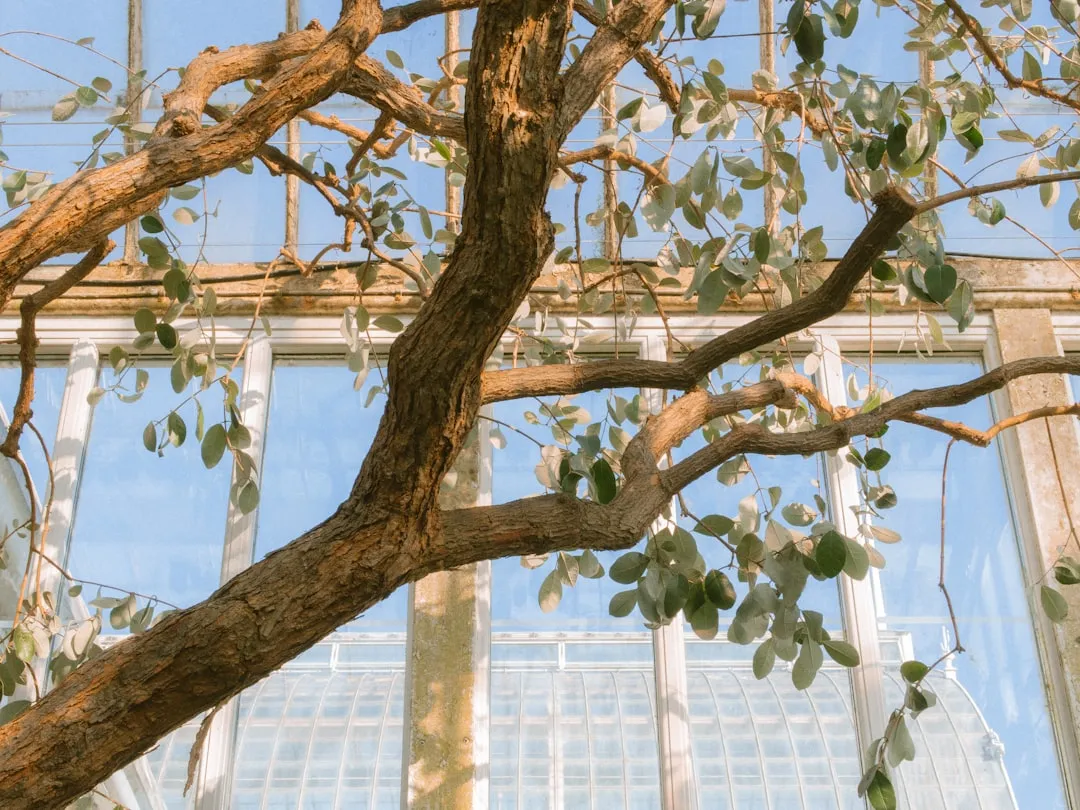
Container trees dry out faster than ground-planted ones, so check soil moisture regularly and adjust based on weather conditions. During the growing season, compact trees need feeding. Use a slow-release fertilizer or liquid feed every four to six weeks.
Regular pruning is sometimes necessary to maintain the shape of your patio tree. Most pruning is performed during dormancy, just before active growth begins in spring. However, summer pruning can also be done to remove undesirable growth and maintain a smaller size.
All patio trees need deep, infrequent irrigation during their first eighteen months to properly establish themselves, even varieties that are generally drought-tolerant. Establishing roots well in year one pays off significantly in years two and three.
Repotting: When and How to Do It Properly
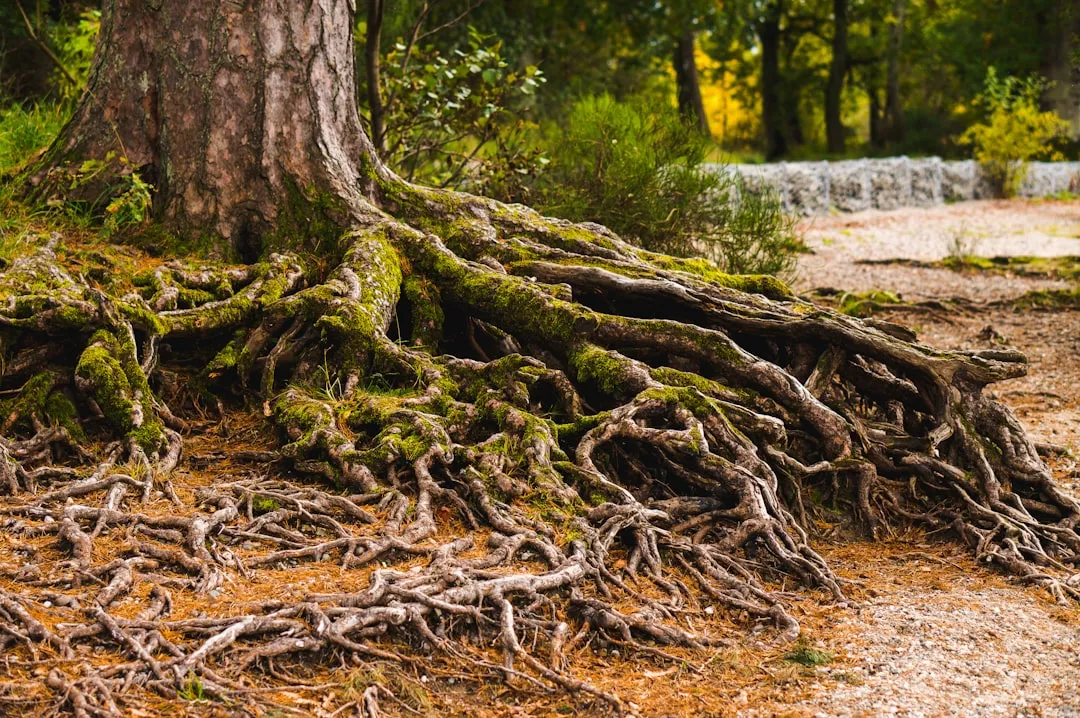
Every two to three years, repot your trees to refresh the soil and prune the roots to prevent overcrowding. This is one of the most overlooked steps in patio tree care, and it makes a meaningful difference in longevity.
Repot every two to three years in early spring, before new growth begins. Trim no more than twenty percent of circling or matted roots, refresh one hundred percent of the soil, and move to the same size or a maximum two-inch-larger pot. Never pot up more than one size at a time.
For most dwarf fruit trees, the soil surface should be allowed to dry out somewhat before watering. Fertilizing should be done more often, at least once every four to six weeks during the growing season. When growing dwarf fruit trees, you should repot them one size up about every two years.
Placing Your Patio Tree for Maximum Impact
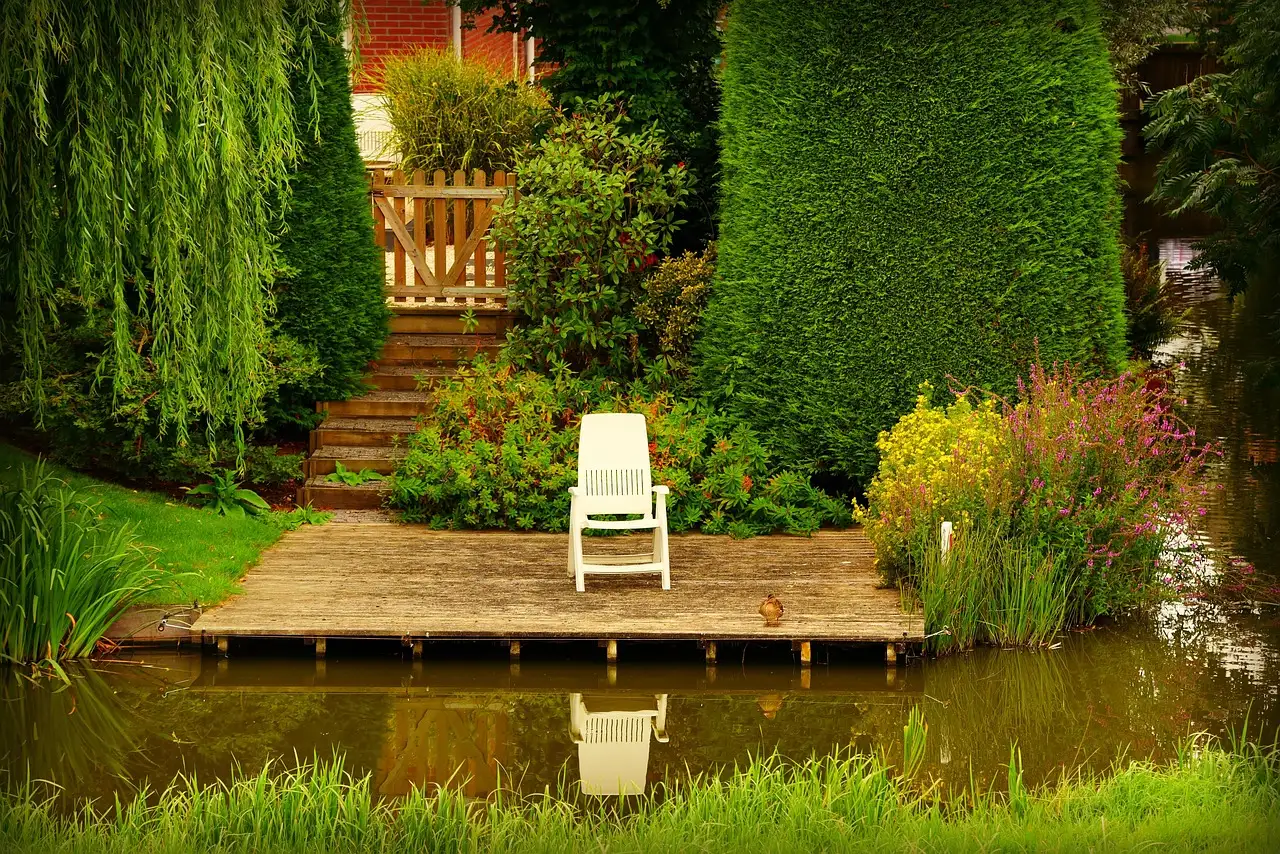
These miniature trees provide flowers, fragrance, or fruit in a very compact footprint. Kept pruned, patio trees can serve as living decor flanking doors, defining outdoor rooms, or adding privacy on urban patios. They are ideal when you need a beautiful tree but cannot commit to planting in the ground.
Use containers to place small trees on patios, decks, or other hardscapes for added shade. Create a shady spot for summer relaxing. Frame walkways or entrances for added drama. Improve window views by planting small trees near the house in containers. Enhance privacy by using small trees to softly screen neighbors or unsightly views.
Trees, especially those with flowers or colored leaves, will not only create vertical structure and interest, they will throw some welcomed shade if your terrace is sunny, perhaps perfume the air, and certainly give some permanent structure and a mature appearance to any space.
The Bigger Picture: Trees, Wellbeing, and Urban Life
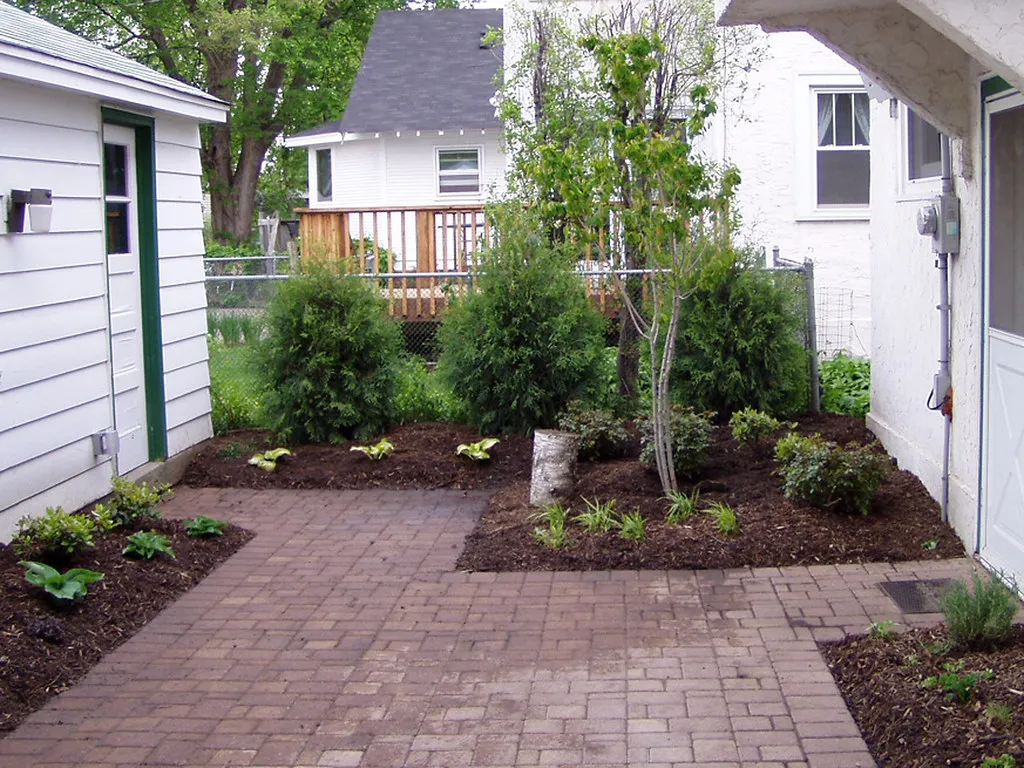
These trees boost biodiversity in urban and suburban neighborhoods by offering shelter, nesting sites, and food sources for wildlife. Their foliage helps filter air, provide shade that cools hardscapes, and reduce stormwater runoff compared to bare lawn.
Increasing awareness of green spaces globally is driving gardening market growth. Exposure to green spaces is linked with measurable health benefits, and various studies indicate that access to natural environments can reduce stress and depression rates. This awareness is leading more people toward investing in residential gardening and creating green spaces at home.
Urban and suburban homeowners are increasingly embracing micro-homesteading, creating self-sufficient mini-gardens even on small lots. This includes compact gardens, composting systems, and edible landscaping in spaces that most people once thought were too small to bother with. A well-chosen patio tree fits right into that shift, small in footprint but meaningful in what it brings to daily life.
A single tree in a container won’t replace a forest. It doesn’t need to. On a tight urban patio, one well-placed Japanese maple or flowering cherry can change the entire feeling of a space, turning a bare slab into somewhere you actually want to spend time. That’s a worthwhile return on a modest investment in soil, pot, and patience.
AI Disclaimer: This article was created with the assistance of AI tools and reviewed by a human editor.