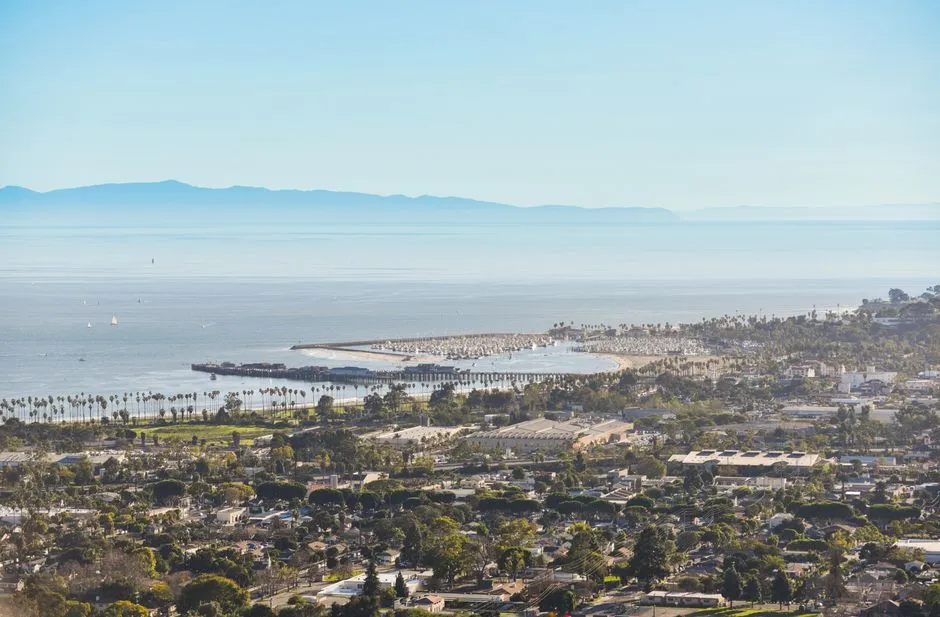

Santa Barbara sits on one of the most unusually beautiful stretches of the California coast, and its climate is genuinely extraordinary. Santa Barbara’s Mediterranean climate results from a mixture of an average of over 300 sunshine days per year, a south-facing 40-mile-long coastline, an east-west ridge of mountains with some peaks over 3,300 feet high, and the moderating influence of the Santa Barbara Channel itself. That combination gives local gardens a natural advantage most gardeners around the country can only dream about.
The coast of Santa Barbara is a “coastal desert” with an average of just 16 inches of rainfall per year. That statistic matters enormously when you’re choosing what to plant. The plants that truly flourish here are the ones that were born to thrive under these exact conditions: hot dry summers, mild wet winters, lean soils, and intense sun. Mediterranean classics, in other words.
Why Santa Barbara Is Essentially the Mediterranean
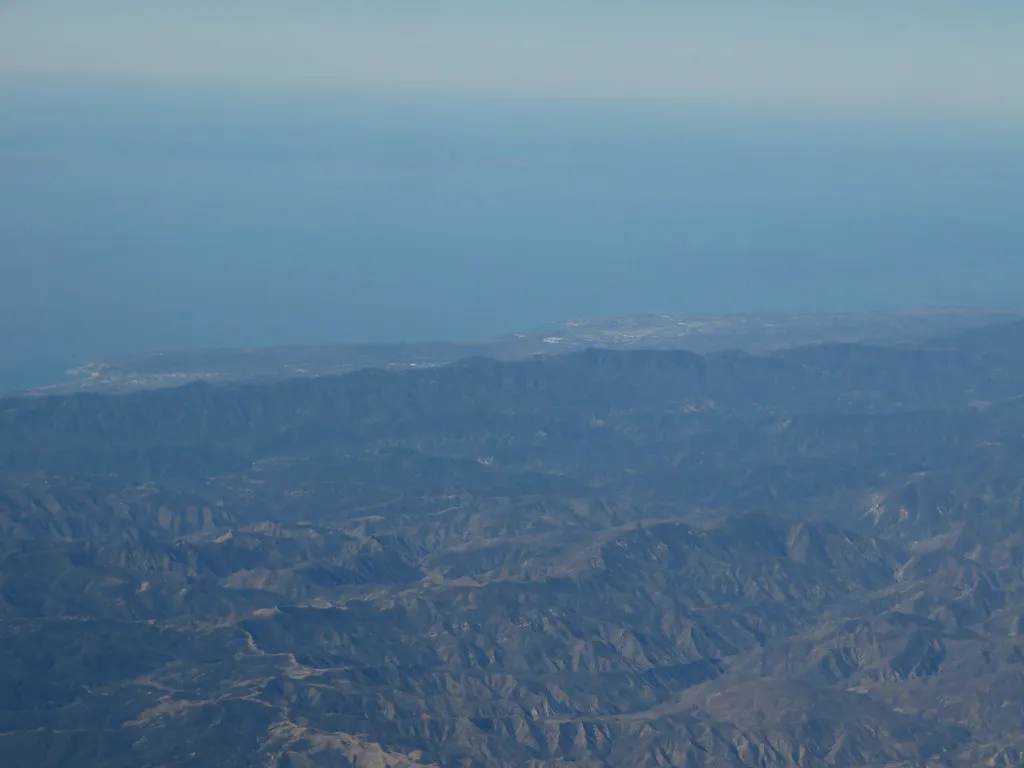
The city of Santa Barbara, California has a moderate Mediterranean climate regime in general, with some surprising and unique features. The parallel to southern Europe is not just poetic. The seasonal rhythm, dry summer dormancy, and mild winter rainfall mirror the conditions found across Spain, southern France, Italy, and Greece.
The region’s Mediterranean weather patterns, characterized by dry summers and mild, wet winters, create specific requirements that differ significantly from other California regions. This means that plants selected from Mediterranean regions of the world are not just tolerant of local conditions. They are at home in them. Choosing wisely from that palette is the single most important gardening decision you can make here.
Although Santa Barbara has a diverse water supply, it is a semi-arid climate with little rainfall; there is never enough water to waste. That reality shapes everything about how to garden sustainably in this city, and the five plants below address it head-on.
Lavender: The Fragrant Workhorse
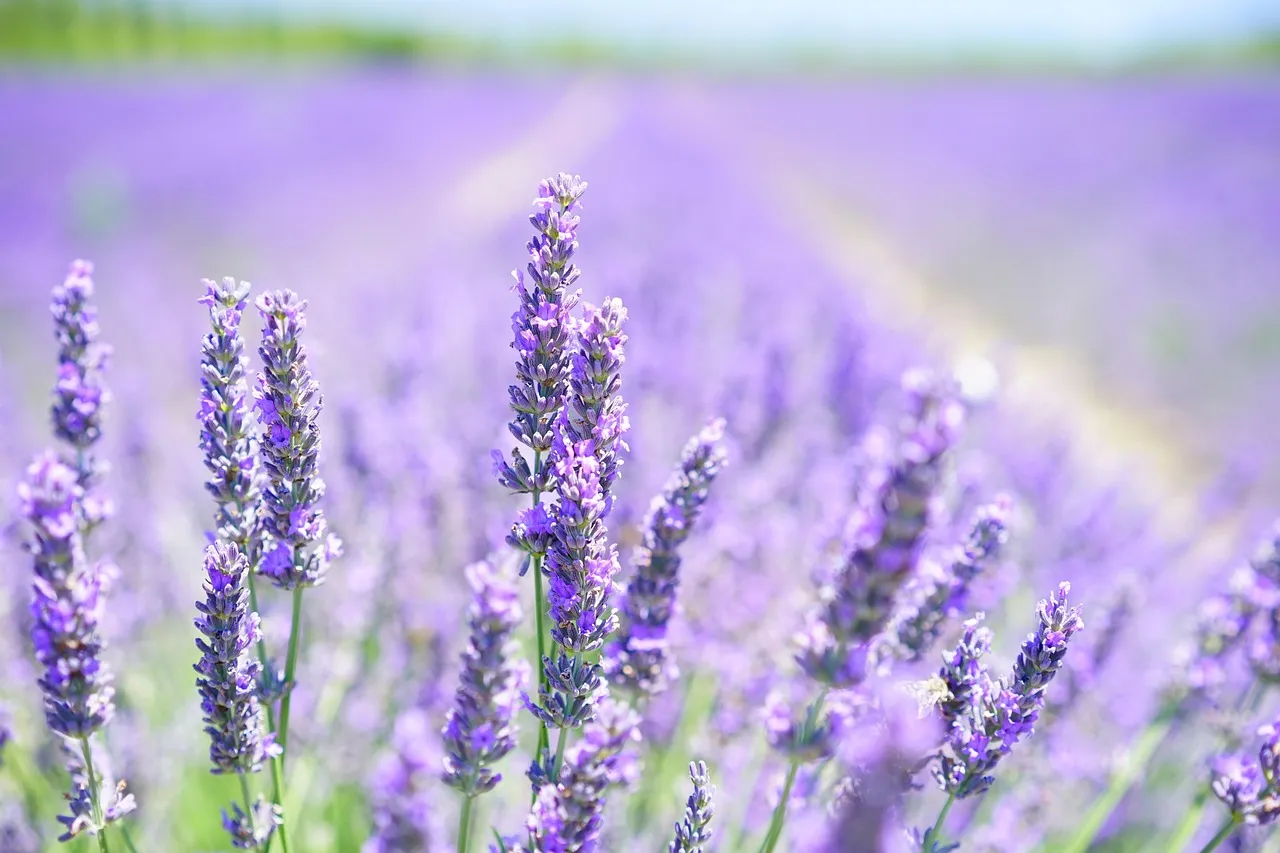
Herbs such as lavender, marjoram, rosemary, and thyme originate in southern France, so they thrive in Santa Barbara’s similar Mediterranean climate. Lavender in particular has earned its reputation as a near-perfect plant for this region. It asks for very little beyond full sun and decent drainage, and it rewards that minimal care generously.
Lavandula produces fragrant silver mounds with summer spikes, is a bee-magnet, and loves sharp drainage. Beyond its obvious visual appeal, lavender is a genuine pollinator hub. Known for its fragrant purple blooms, lavender thrives in dry, sunny locations, and it repels pests naturally while attracting beneficial pollinators, making it perfect for border plantings.
Coastal areas favor wind-tolerant, salt-spray-friendly choices, and rosemary and lavender are specifically recommended for those conditions. That makes lavender ideal for properties closer to the water, where salt air can trouble less-adapted plants. Shear it back lightly after bloom to keep it from going woody, and it will return reliably for years.
Rosemary: Structure, Scent, and Total Reliability
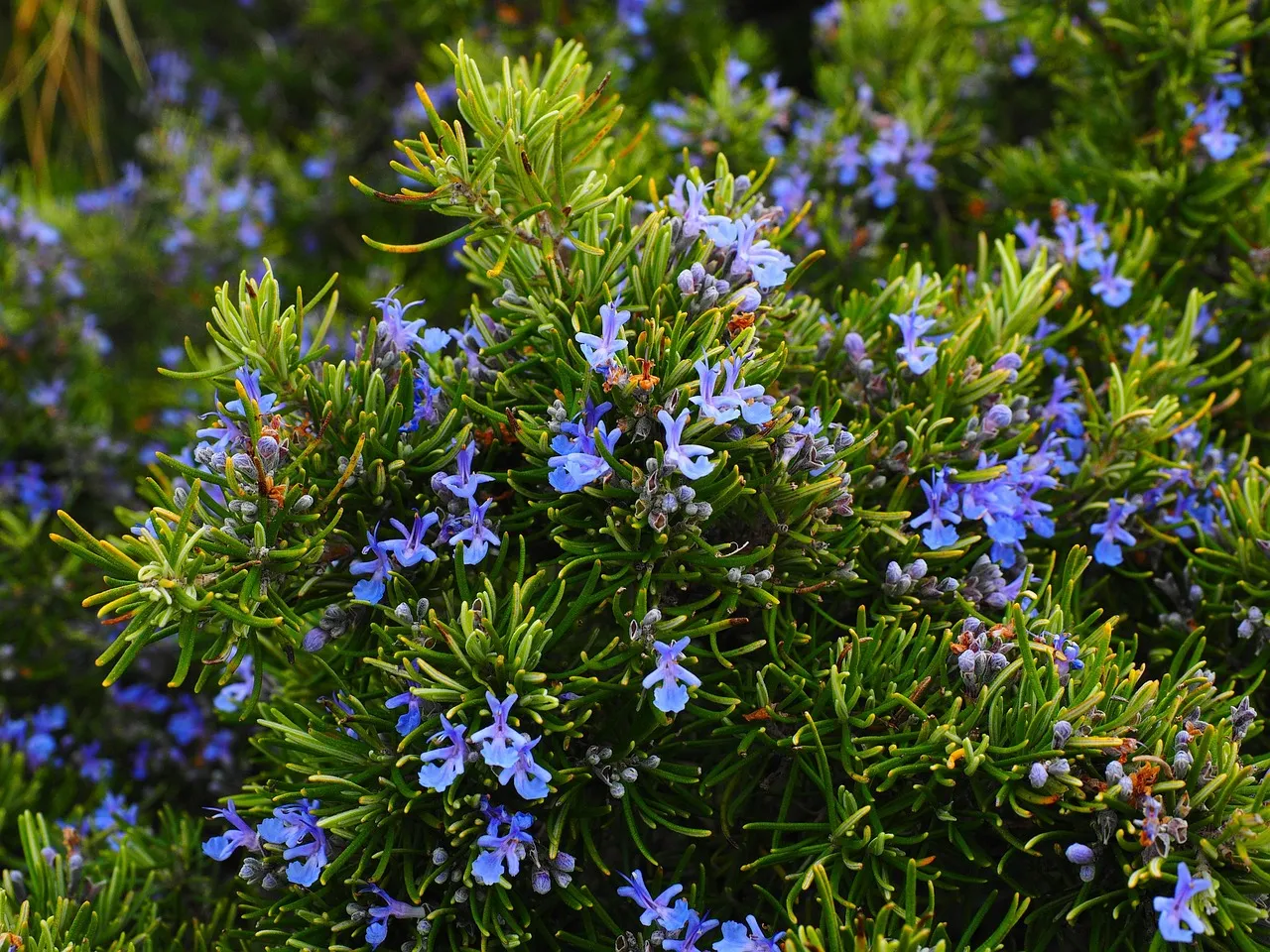
Salvia rosmarinus (Rosemary) forms edible evergreen hedges, produces sky-blue blooms, and thrives on neglect. That last point is not an exaggeration. Rosemary is arguably the most forgiving plant on this list. Established specimens can go weeks without supplemental water during summer and simply keep growing.
Rosemary doubles as an excellent landscaping plant with aromatic foliage and blue flowers, and it tolerates poor soil and requires minimal water once established. In a city where water conservation is a real and ongoing concern, that combination of beauty and efficiency is hard to beat. It works well as a low hedge, a slope stabilizer, or a sprawling ground cover, depending on the variety you choose.
A feature of the Mediterranean plant palette is the prevalence of foliage high in volatile oils and aromas. Cooked in the heat of the summer sun, these fragrances offer additional ephemeral qualities, including the pungent odor of sage, rosemary, rock rose, and bay. Placing rosemary along a pathway or near an entry gate means every brush of a hand or shoulder releases that classic scent into the air.
Olive Tree: The Anchor of Any Mediterranean Garden
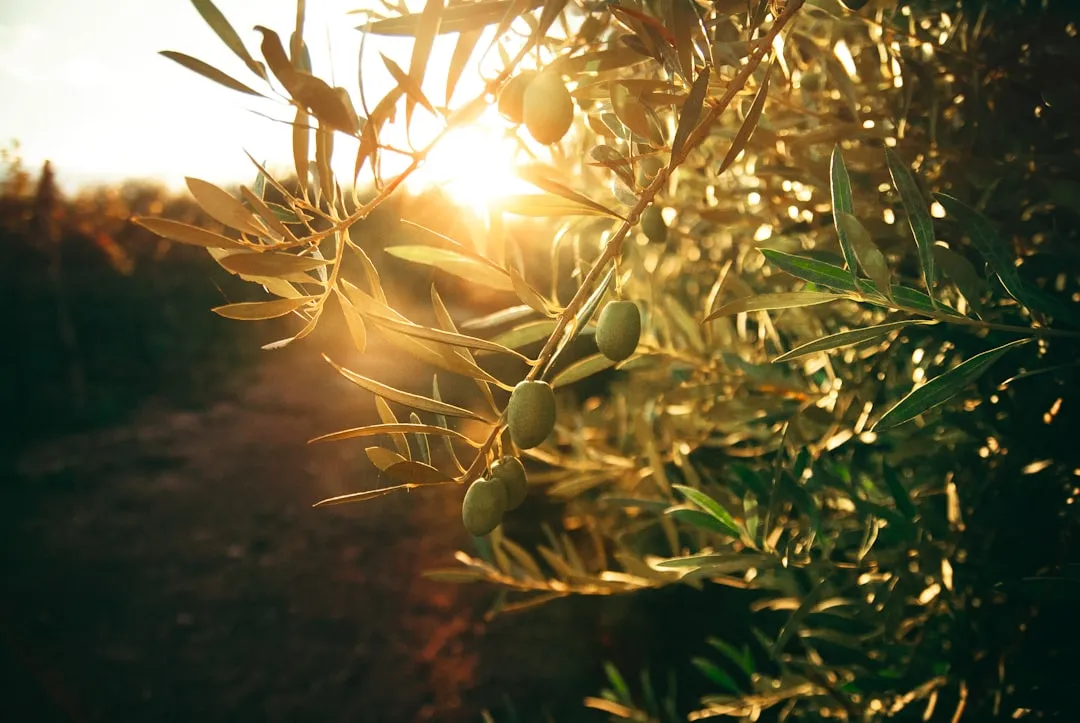
With silvery-gray foliage and distinctive gnarled trunks as they mature, olive trees make striking landscape specimens while requiring little supplemental irrigation. Few trees carry the visual weight of a mature olive while demanding so little in return. Their silver-green canopy catches the coastal light in a way that is genuinely unlike anything else.
Most plants do very well in Santa Barbara, including Olives, Lavender, Rosemary and the full panoply of Mediterranean plants. Olive trees also offer layered visual interest through every season, from spring flower clusters to autumn fruit, not to mention the sculptural appeal of their twisted trunks as they age. If you want a single specimen tree that anchors a courtyard or frames a view, the olive delivers on that completely.
Plants like lavender, sage, and olive don’t just survive heat and scarcity, they thrive in it, offering color, scent, structure, and life. For a low-water garden in Santa Barbara, the olive is as close to a perfect tree as you’re likely to find. Choose a fruitless variety like Swan Hill if you want the look without managing fallen olives on hardscape.
Cistus (Rockrose): The Drought Champion No One Talks About Enough
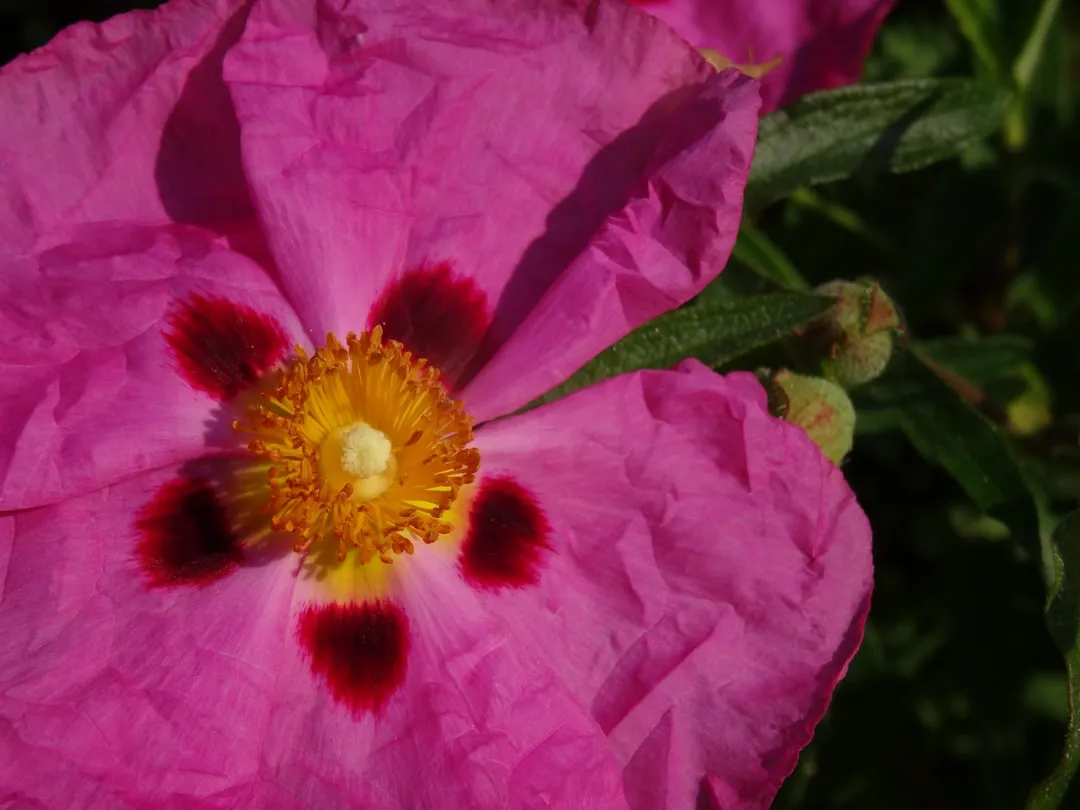
Cistus (Rockrose) produces tissue-paper flowers and is a heat and drought champion for gravel beds. Cistus is one of those plants that surprises people who plant it for the first time. It looks almost delicate in bloom, with crinkled petals that resemble crepe paper, yet it handles Santa Barbara summers with remarkable composure.
Cistus x purpureus is classified as a shrub with low water needs, requiring all-day sun, and growing to around three to four feet tall. That compact scale makes it useful for a wide range of spots in the garden, from mixed borders to slope plantings. These plants are adapted to the local climate, reasonably drought tolerant, locally available, fairly resistant to pests and diseases, grow well in varying conditions, and are long-lived.
The warmth of rock steps draws out the foliar aroma of rock rose (Cistus). Position it near pathways or stone walls and it will reward you with that subtle but pleasant resinous scent on warm afternoons. Pair it with lavender and low ornamental grasses for a classic Mediterranean look that barely needs a second glance from you once it’s established.
Bougainvillea: Color That Commands Attention
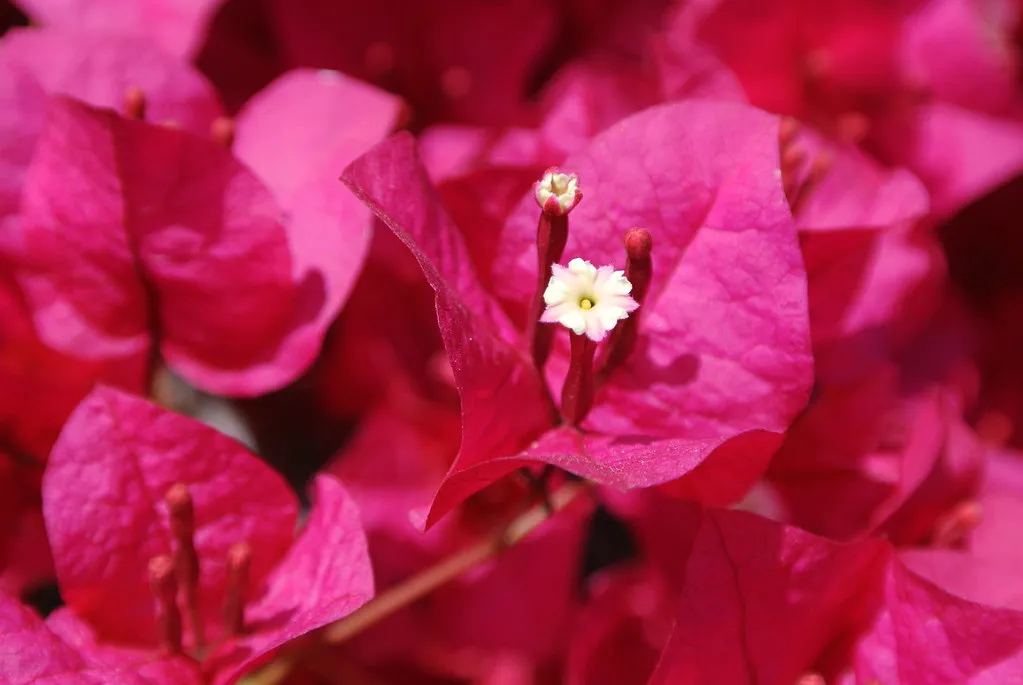
This vibrant climbing plant adds a burst of color against neutral tones, and in Santa Barbara’s Spanish Colonial Revival setting, bougainvillea is practically architectural. Its vivid bracts in magenta, orange, or purple are synonymous with the iconic white stucco walls and terracotta tiles that define so much of local residential design.
In mild climates, bougainvillea makes a most excellent choice for a Mediterranean garden. Santa Barbara’s climate is reliably mild enough to let bougainvillea thrive outdoors year-round in most neighborhoods, though properties in cooler, foggier areas near the water will see better performance in a sheltered, south-facing spot with reflected heat from a wall.
Bougainvillea paired with lantana and verbena creates a cascade of color for sunny patios. It is worth noting that bougainvillea actually blooms more generously when it is slightly stressed. Moderate drought and lean soil encourage flower production, making it a natural fit for the water-wise Santa Barbara garden. Keep irrigation moderate once established and resist the temptation to over-fertilize.
Understanding Santa Barbara’s Microclimates Before You Plant
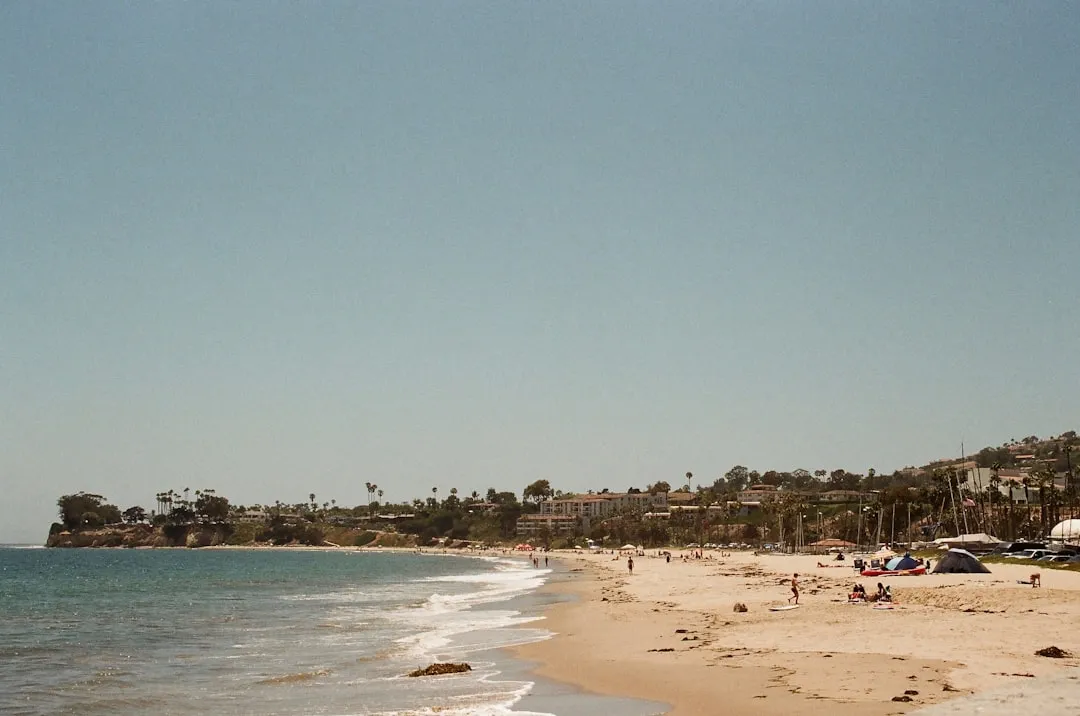
The first step to garden success is knowing your planting zone and the microclimates within that zone. The concept of microclimates is particularly applicable in Santa Barbara because of its unique location along California’s Central Coast. A property one mile from the beach can experience meaningfully different conditions than one tucked into the foothills.
The coastal influence in Santa Barbara means that properties closer to the ocean experience cooler temperatures and higher humidity, while inland areas face more extreme temperature variations. This matters when placing bougainvillea or any frost-sensitive plant. Within the Santa Barbara area there are many microclimates, and temperatures can vary by 10 to 15 degrees on any given day or night.
Per Sunset magazine, all of Santa Barbara is in planting zone 24. However, within that zone there are a variety of microclimates that gardeners should be familiar with. Take time to observe where sun hits longest, where fog lingers in the morning, and where heat builds against walls. That observation will make the difference between a plant that thrives and one that merely survives.
Soil and Drainage: The Foundation You Can’t Skip
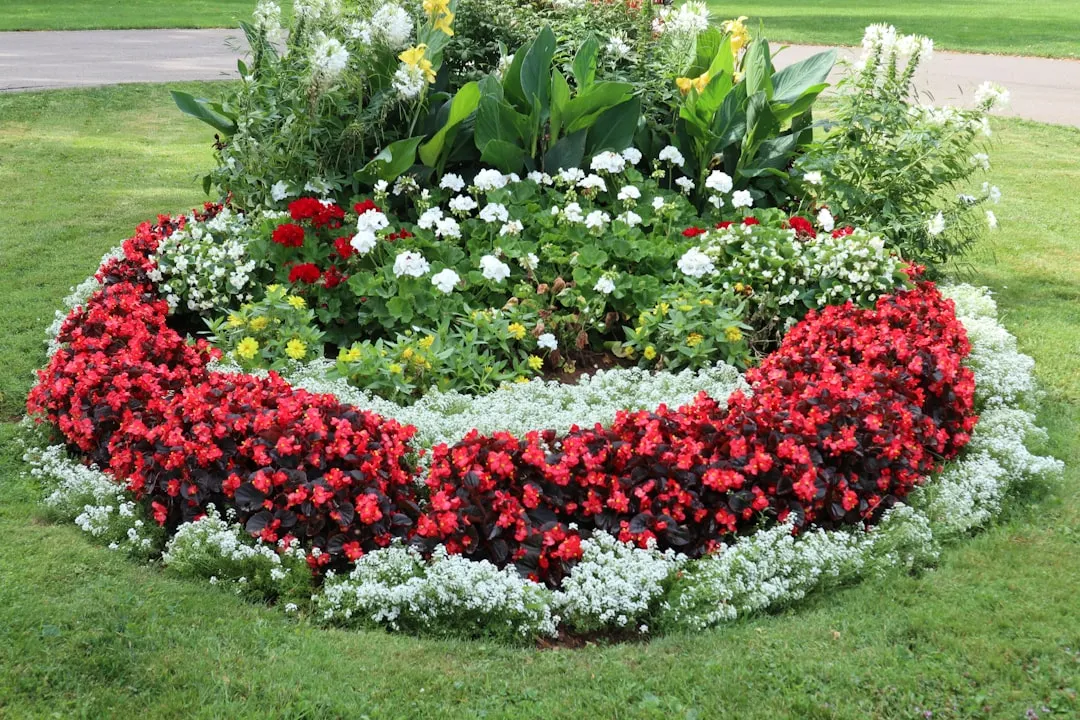
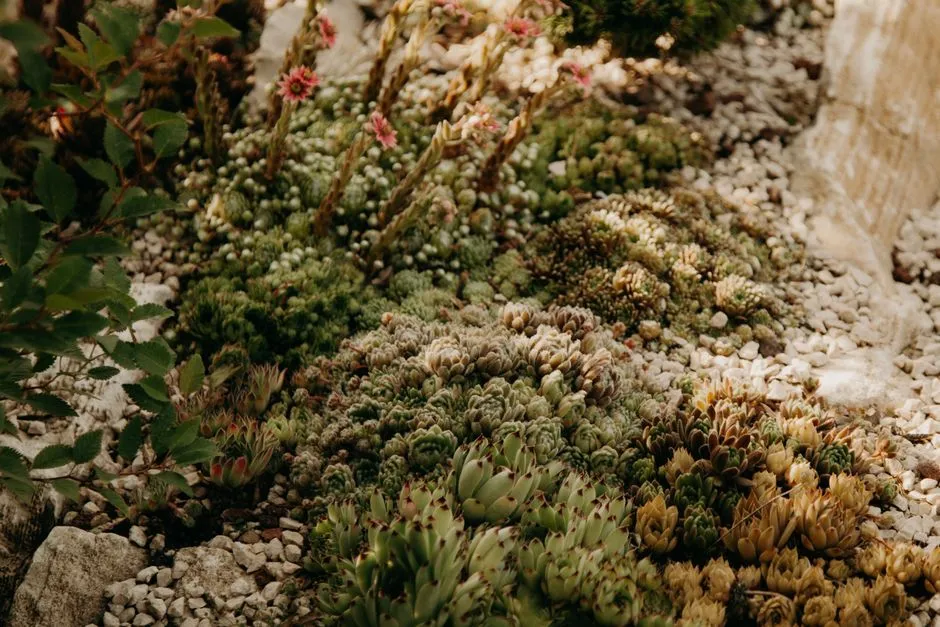
Soil or bed construction that sheds water quickly is essential for lavender, rosemary, cistus, and succulents. This is probably the most common reason Mediterranean plants struggle in otherwise ideal conditions. Heavy clay that holds water around roots is genuinely fatal for most of these species. Amending with coarse grit or gravel, or building raised beds, solves the problem directly.
Low-fertility soil is what many Mediterranean plants prefer, as it keeps growth dense and drought-efficient. Resist the urge to fertilize heavily. Rich soil encourages lush, soft growth that is more susceptible to disease and less drought-adapted. Healthy soil is an important foundation for every landscape, and dealing with problem soils can take up much of the time spent in maintaining a yard.
When and How to Water These Classics
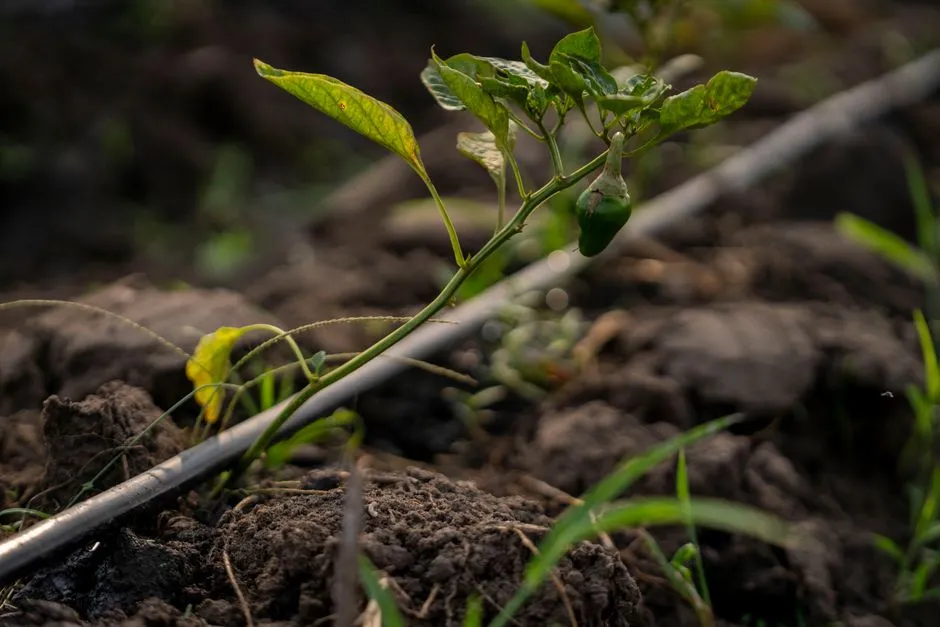
In California’s Mediterranean climate, the timing of when you plant and when you water can be critical for plant success. Typically, the planting season runs from about October through the end of March, when California experiences its wet season. Planting in fall allows roots to establish during the cool, wet months before summer drought sets in. It is the single most effective timing adjustment you can make.
Stop watering established native and Mediterranean plants, including native oaks, in summer. This is counterintuitive for gardeners coming from other climates, but it reflects the natural seasonal rhythm these plants evolved with. Summer water on established Mediterranean plants can actually encourage root rot and disease rather than helping them.
Drip irrigation delivers water most efficiently to individual plants, so it is useful in beds. A well-designed drip system paired with a smart controller can dramatically reduce overall water use without compromising plant health. Santa Barbara has a long history of using its water resources wisely, and even as population has continued to grow, water usage in the city has decreased. Your garden choices are part of that story.
How Mediterranean Plants Reduce Your Long-Term Maintenance
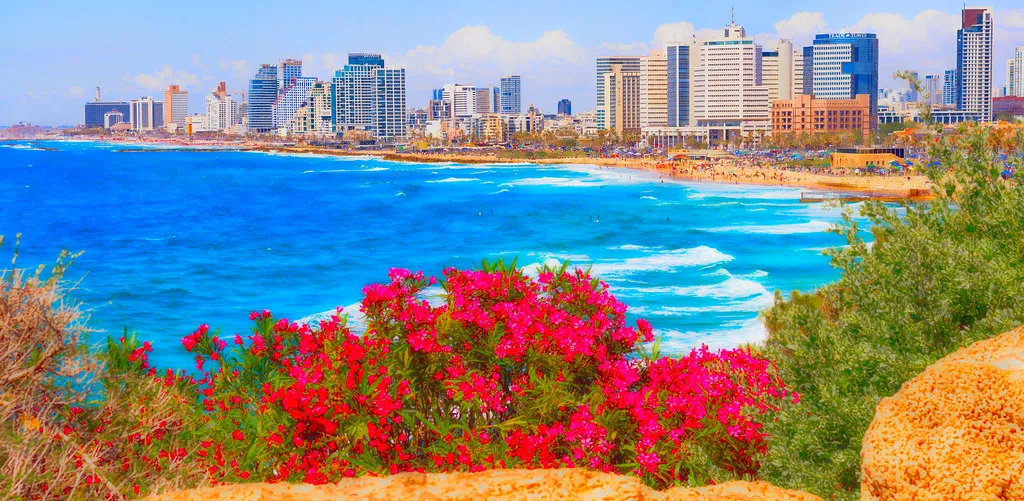
If you want a beautiful, lush landscape while using less water, this approach is designed to help. In Santa Barbara’s semi-arid climate, the water requirements of a plant are an important consideration, and the best choices are reliable, water-wise plants that are adapted to the climate, reasonably drought tolerant, locally available, fairly resistant to pests and diseases, and long-lived. That is not a minor list of benefits. It is the entire case for Mediterranean planting.
Xeriscaping, which is landscaping designed for water efficiency, can reduce water consumption by roughly 50 to 75 percent compared to conventional lawns. Switching even part of a lawn or thirsty border to these five plants can translate into a measurable reduction in your water bill over the course of a year. The practical argument is as compelling as the aesthetic one.
Incorporating native Santa Barbara plants like California poppies, lavender, and oak trees into your landscape design reduces long-term maintenance requirements while supporting local ecosystems. The five Mediterranean classics covered here share that same spirit. Less intervention over time, not more. A garden that becomes easier to manage as it matures.
Putting It All Together: A Practical Gallery of Combinations
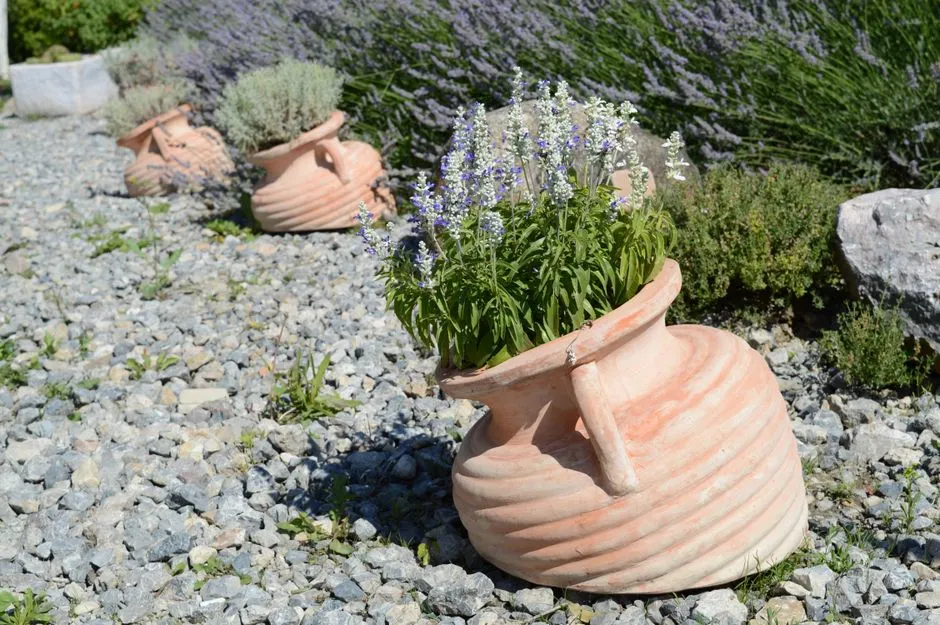
Surrounding an olive tree with a tapestry of greens, including lavender, rosemary, boxwood, teucrium, and a few salvias for blooms, creates a cohesive year-round planting. That layered approach, anchored by the olive and woven through with fragrant shrubs, captures the full sensory experience of a Mediterranean garden. It works beautifully in Santa Barbara courtyards, front terraces, and sloped rear gardens alike.
Coastal areas specifically favor wind-tolerant, salt-spray-friendly choices, and rosemary and lavender are natural selections for those conditions, while hotter inland sites suit salvias, lantana, and agaves. Mixing bougainvillea as a wall climber with a ground layer of cistus and lavender creates a high-impact, low-maintenance combination that will look good through most of the year with minimal intervention.
Mediterranean gardens tend to be unpretentious, understated, and sometimes a bit rustic, not slick or stiffly formal. Consistent with the atmosphere of the climate, there is a calmness and softness created by natural materials and plants such as lavender, rosemary, and many California natives. That quality is something you really can recreate at home in Santa Barbara, and it starts with choosing the right five plants.
Conclusion: Plant with the Climate, Not Against It
The best advice for any Santa Barbara homeowner is to choose plants that thrive in Santa Barbara’s climate to ensure sustainability and ease of maintenance. Lavender, rosemary, olive, cistus, and bougainvillea each embody that principle. They ask only that you understand the climate they evolved in, which, fortunately, is the very one you already live in.
Creating a drought-tolerant Mediterranean garden isn’t about limiting your options. It’s about working with nature, not against it. Santa Barbara’s landscape history shows that this approach works. The city’s most beautiful private gardens and public spaces have long relied on this same Mediterranean palette. The evidence is visible on nearly every street.
There is something quietly satisfying about a garden that looks better the drier it gets, that blooms more intensely when stressed, and that asks less of you with every passing year. These five plants offer exactly that. In a coastal city where the land itself is Mediterranean, planting accordingly is not a trend. It is simply good sense.
AI Disclaimer: This article was created with the assistance of AI tools and reviewed by a human editor.