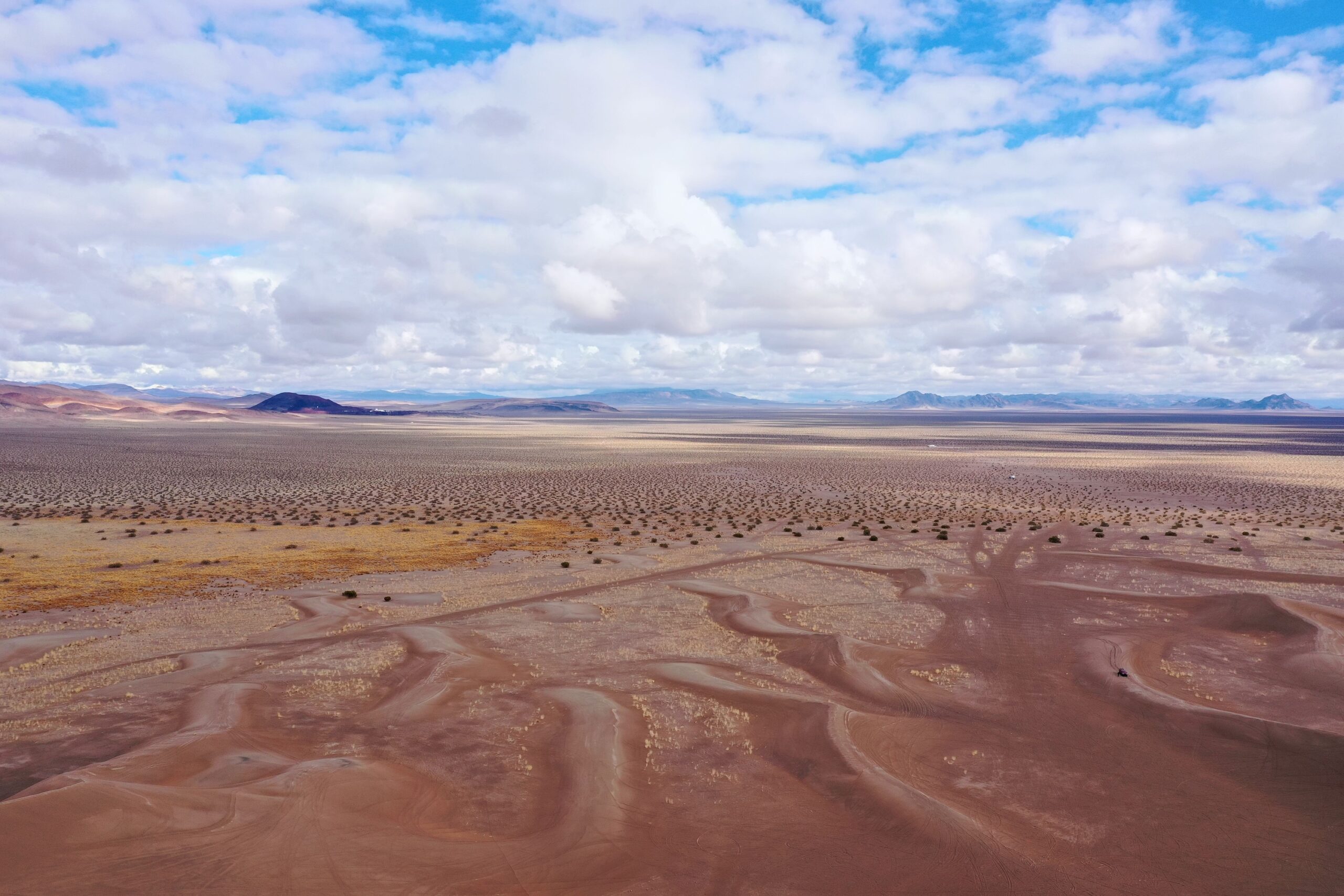

Gardening in San Jose comes with a particular tension. The climate is genuinely beautiful, mild winters followed by long, dry summers, and yet keeping a garden green through those dry months can quietly drain both your water bill and your patience. The Bay Area’s Mediterranean rhythm of wet winters and almost waterless summers means that most traditional garden plants are fighting their own biology from June onward.
On average, about half of the water used on residential sites in the region goes to landscaping. That’s a big share of a resource that is increasingly contested. San José enacts year-round outdoor irrigation restrictions to conserve water and protect drinking water supplies, and the regulatory pressure on thirsty gardens is only growing. The good news is that a handful of shrubs are genuinely built for these conditions, and they look exceptional doing it.
Why San Jose Gardens Need a Different Approach
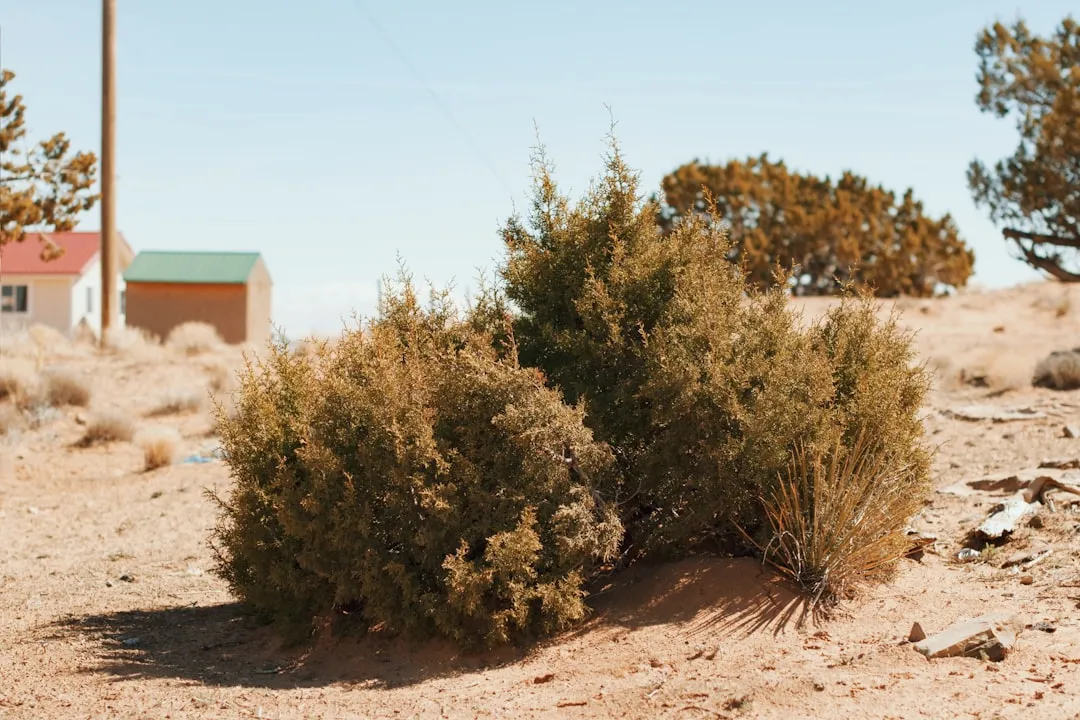
California native plants are uniquely adapted to the state’s Mediterranean climate of wet winters and dry summers, allowing them to flourish with minimal irrigation once established. That’s not marketing language. It reflects millions of years of evolution in a landscape that simply doesn’t deliver summer rain.
About 40 percent of the water Californians use at home is used outdoors. Shifting even part of that outdoor landscape to drought-adapted shrubs can make a real dent in water use without turning a garden into a rock yard. The science backs this up: studies found that woody plants and other non-turf plants perform well with up to 55 percent less water than that needed by the average tall fescue lawn.
The State of California has banned the use of potable water to irrigate non-functional, ornamental lawns or turf at commercial, industrial, and institutional sites, and residential pressure is building too. Choosing the right shrubs now simply makes sense, practically and financially.
The Water Reality Facing San Jose Homeowners
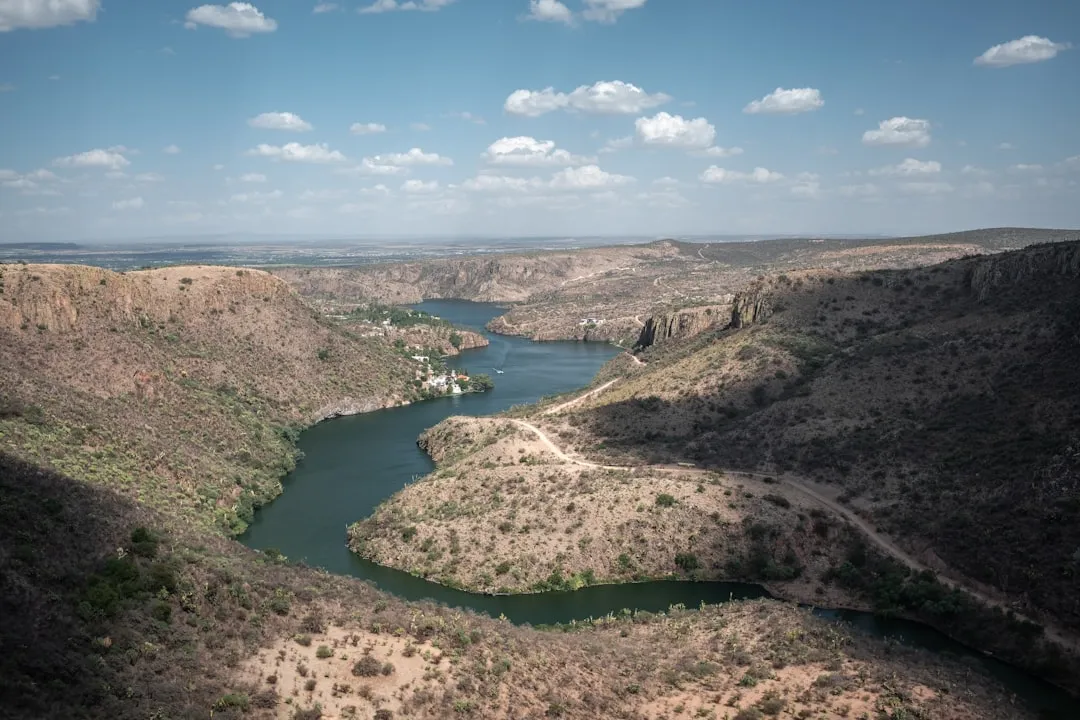
A traditional lawn is one of the thirstiest landscape choices, often needing 40 or more inches of water annually. Replacing even a portion of that with well-chosen native shrubs changes the math considerably. A well-planned xeriscape can require as little as 10 gallons of water per square foot annually, making it an excellent option for conserving water without sacrificing aesthetics.
Since 2012, overwatering across Valley Water’s large landscape program dropped 31 percent overall. Progress is happening, but individual garden choices still drive the biggest numbers. Research has clearly shown that many common trees, shrubs, and groundcovers traditionally used in California landscapes are actually very drought tolerant and low water using once established and irrigated properly, but they are usually overwatered.
The five shrubs below are not generic suggestions. They’re verified performers for the Bay Area’s specific soil, sun, and temperature conditions, with records to prove it.
Shrub 1: Ceanothus (California Lilac)
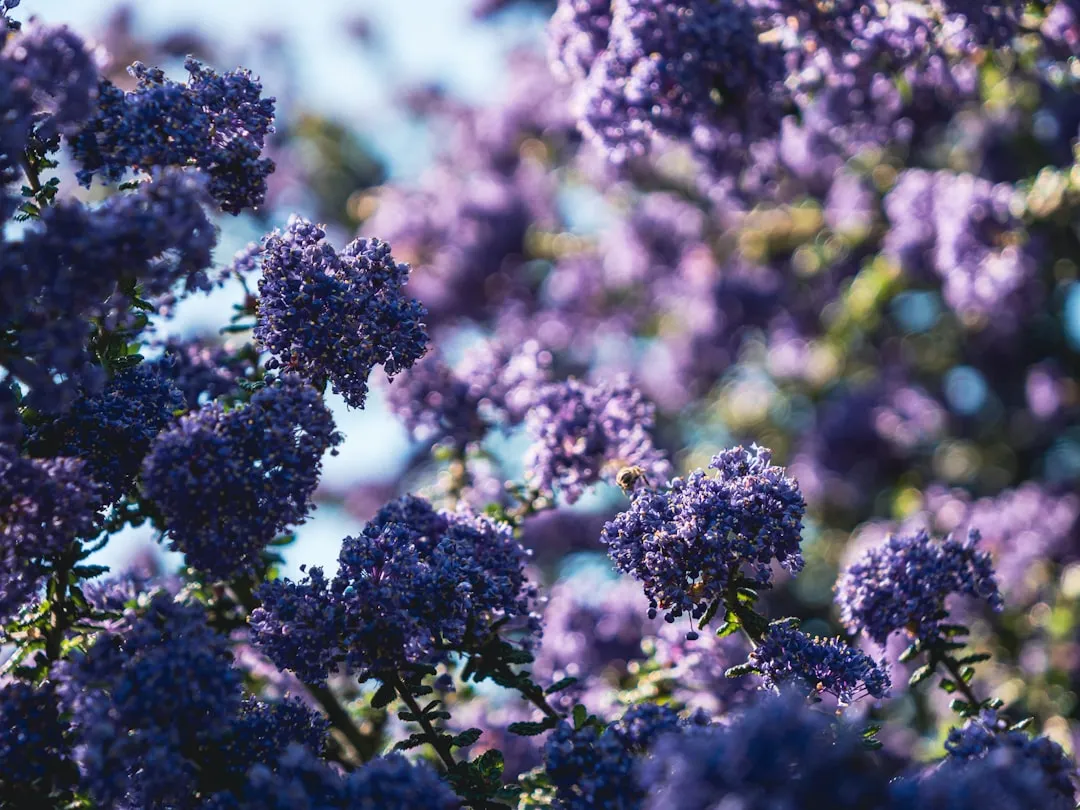
Ceanothus, commonly known as California Lilac, offers almost everything a gardener could wish for in a shrub: free flowering, lovely foliage, ease of cultivation, drought, and salt tolerance. It’s one of those plants that earns its place in a garden through genuine performance rather than novelty.
Depending on the variety, it can range from a low groundcover to a shrub over 6 feet tall, and it produces blue to purple flowers that pollinators love. It wants full sun and little to no summer water after establishment. Varieties like ‘Yankee Point’ and ‘Concha’ are strong choices for Bay Area landscapes.
Ceanothus has a symbiotic relationship with soil bacteria that fix atmospheric nitrogen, helping to enrich the soil. That’s a practical bonus on top of the color. Ceanothus does not like clay soil that stays wet, so it should be planted in well-drained areas or on slight mounds rather than low, soggy pockets.
Shrub 2: Manzanita (Arctostaphylos)
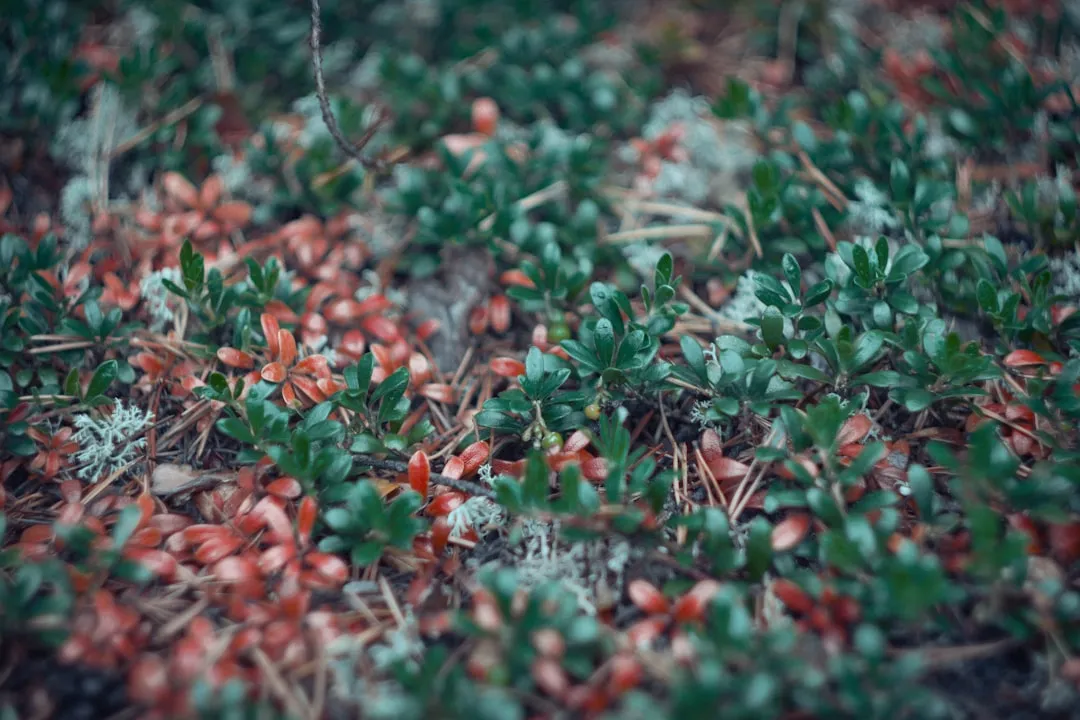
Manzanita is a California native evergreen known for smooth red bark, sculptural branching, and small urn-shaped flowers. Depending on species and cultivar, it can stay low or grow into a shrub large enough for screening. Few plants give a San Jose garden this kind of architectural presence with so little water.
Their small, waxy leaves are perfectly adapted to minimize water loss, and their delicate, bell-shaped pink or white flowers provide a vital early-season nectar source for hummingbirds and native bees. The subsequent reddish-brown berries, resembling tiny apples (“manzanita” in Spanish), are a food source for birds and other wildlife.
In San Jose, manzanita is especially useful on slopes and in places where you want strong year-round form without high water use. Manzanitas range from low-growing groundcovers like ‘Emerald Carpet’ to magnificent tree-like shrubs such as the ‘Dr. Hurd’ variety, making them one of the most versatile California native drought tolerant plants available.
Shrub 3: Toyon (Heteromeles arbutifolia)
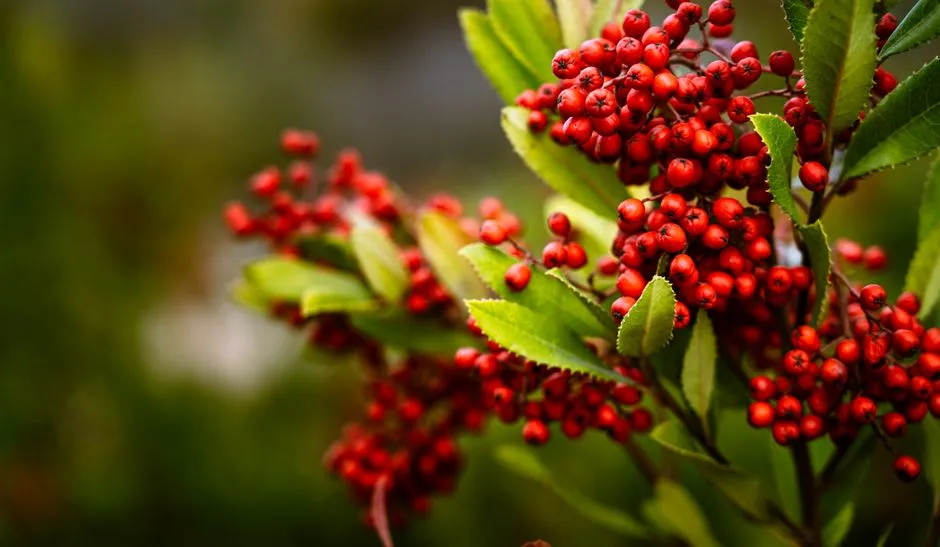
Toyon, often called California Holly or Christmas Berry, is a large, evergreen shrub with a rich history. It’s the plant for which Hollywood was famously named. That’s a genuinely useful conversation piece while you’re also getting one of the toughest native shrubs available for Bay Area conditions.
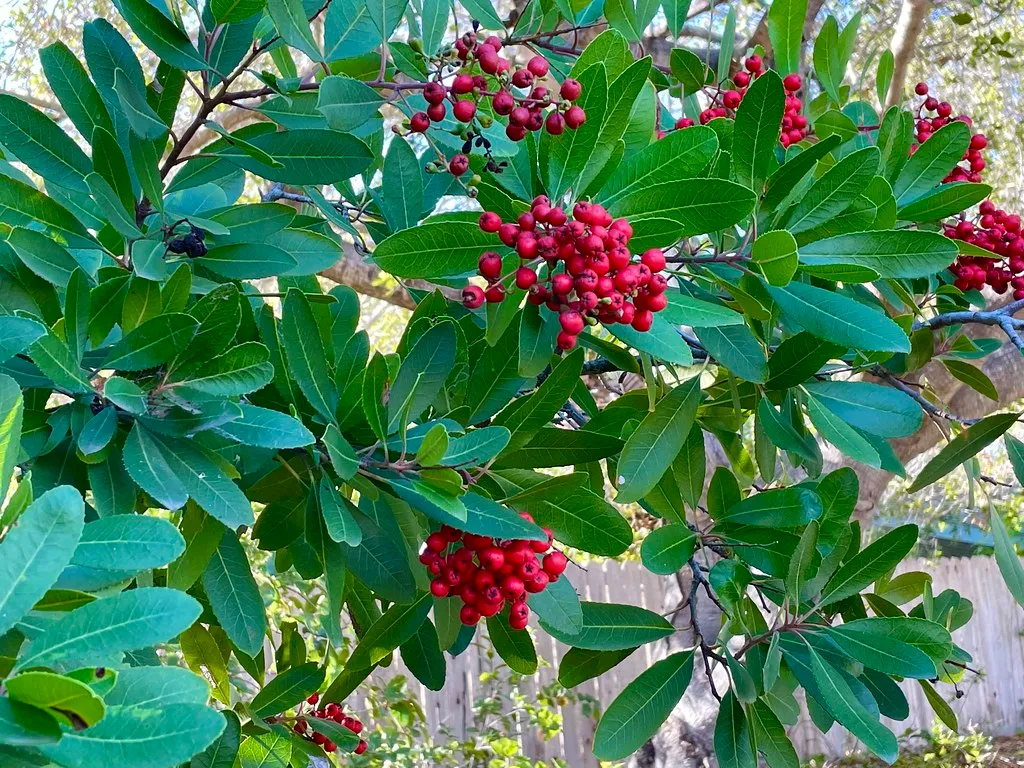
Toyon is a tough California native shrub or small tree that handles San Jose conditions well, including heavier soils. It typically grows 8 to 15 feet tall, takes full sun to part shade, and needs only occasional water after establishment. White flowers appear in late spring, followed by red berries in winter that attract birds and support wildlife.
It thrives in various conditions, from full sun to partial shade, and adapts to different soil types, including clay. Its deep green, leathery leaves provide a lush, dense screen, making it an excellent choice for creating privacy or a living fence.
Shrub 4: Salvia (California Native Sages)
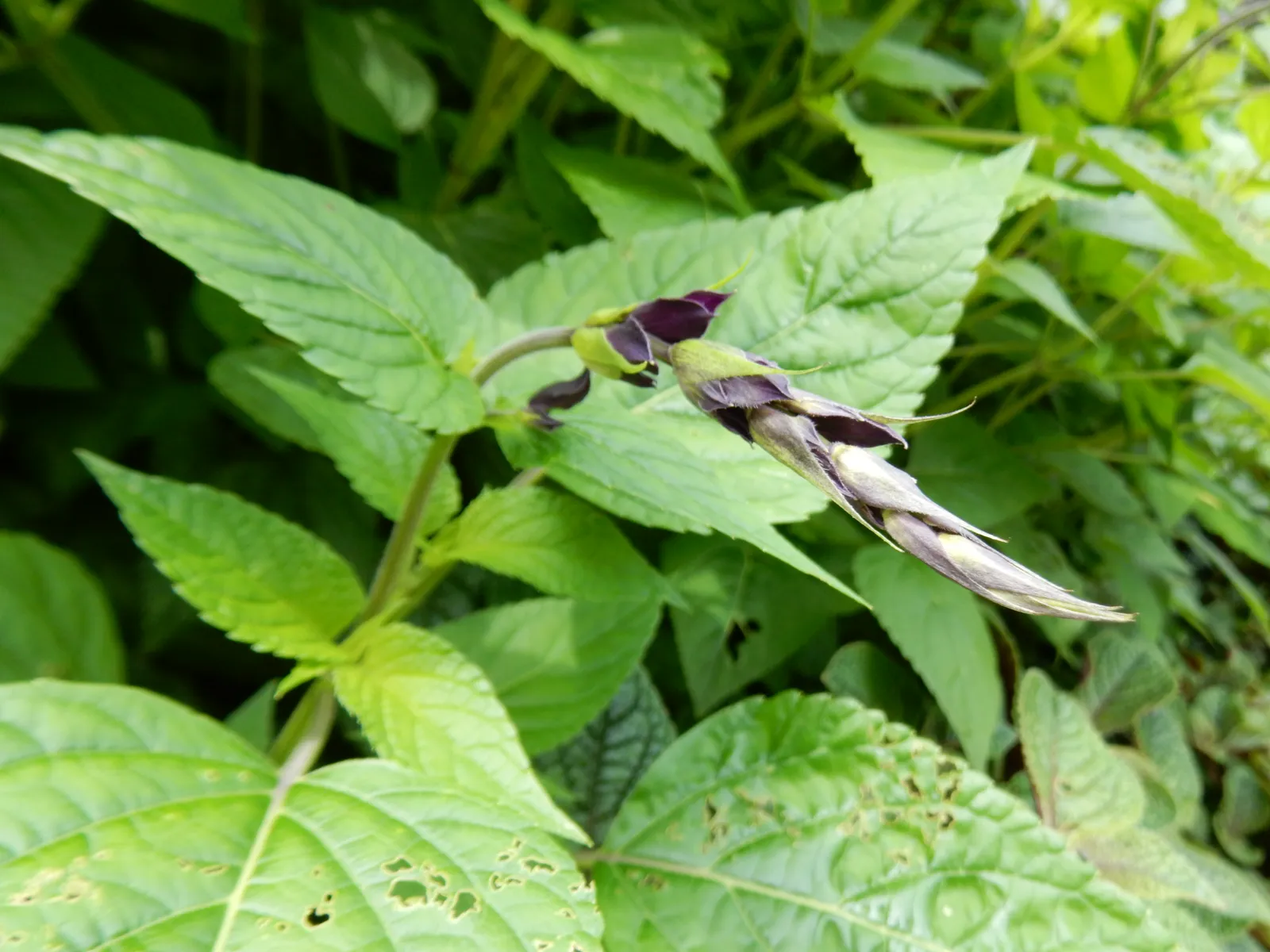
Salvia is one of the most dependable plant groups for San Jose because there are so many forms that work in different designs. Some are shrubby, some are mounding, and some spread low across the ground. Most need full sun and minimal water, and many attract hummingbirds.
California Sage produces beautiful purple-blue flower spikes that attract hummingbirds and butterflies. Its silver-gray foliage adds textural contrast to the garden while requiring minimal water once established. ‘Bee’s Bliss’ is a strong groundcover option, while ‘Hot Lips’ adds longer-season color.
Several California native salvias also handle clay soil better than other drought-tolerant plants. In San Jose landscapes, salvias are often used to layer color and texture without raising water demand. They’re versatile enough for front yard borders, slope planting, or informal hedging in a backyard.
Shrub 5: California Buckwheat (Eriogonum fasciculatum)
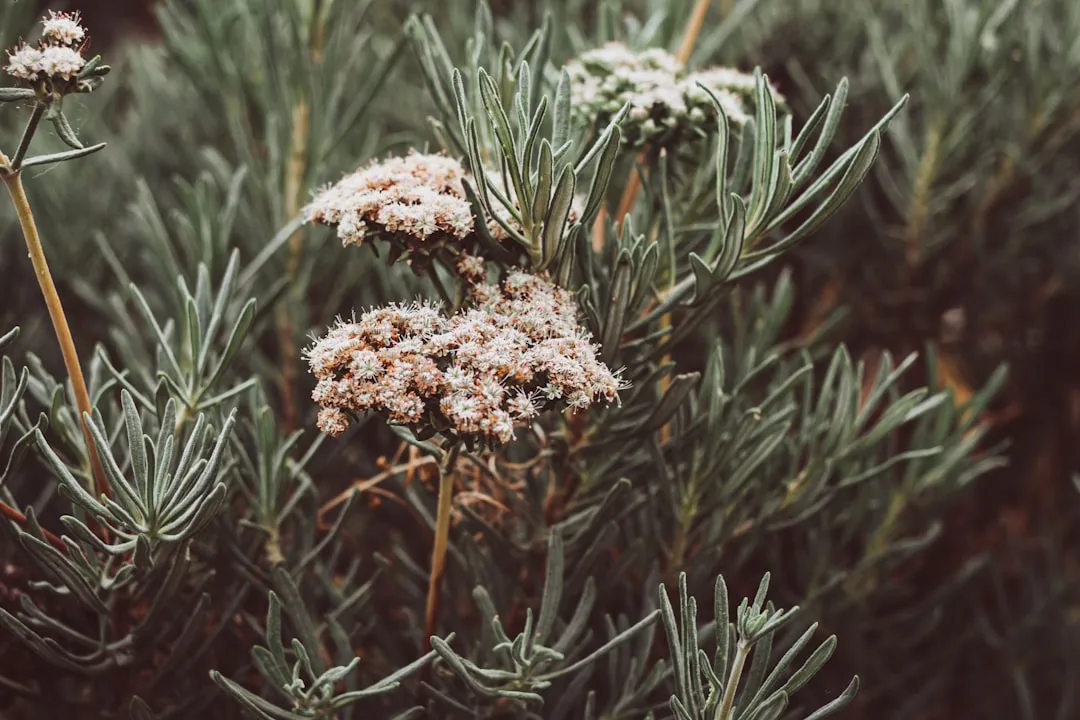
California Buckwheat is one of the best pollinator plants for a dry yard. This low native shrub usually reaches about 2 to 3 feet tall, takes full sun, and needs little to no supplemental water once established. Its white to pink flower clusters age to a warm rust color, giving it a longer visual season than many flowering plants.
Very drought tolerant, this California native likes full sun and good drainage. Buckwheat attracts pollinators with impressive consistency throughout its blooming season. It’s one of the most reliable shrubs for supporting bees and butterflies in a South Bay garden.
Buckwheat, a perennial, likes full sun, good drainage, and occasional water. The rust-colored seed heads that follow the flowers are worth keeping, not deadheading, since they continue to feed birds well into autumn. It’s a low-effort, high-reward plant that genuinely earns its square footage.
How to Establish Drought-Resilient Shrubs Successfully
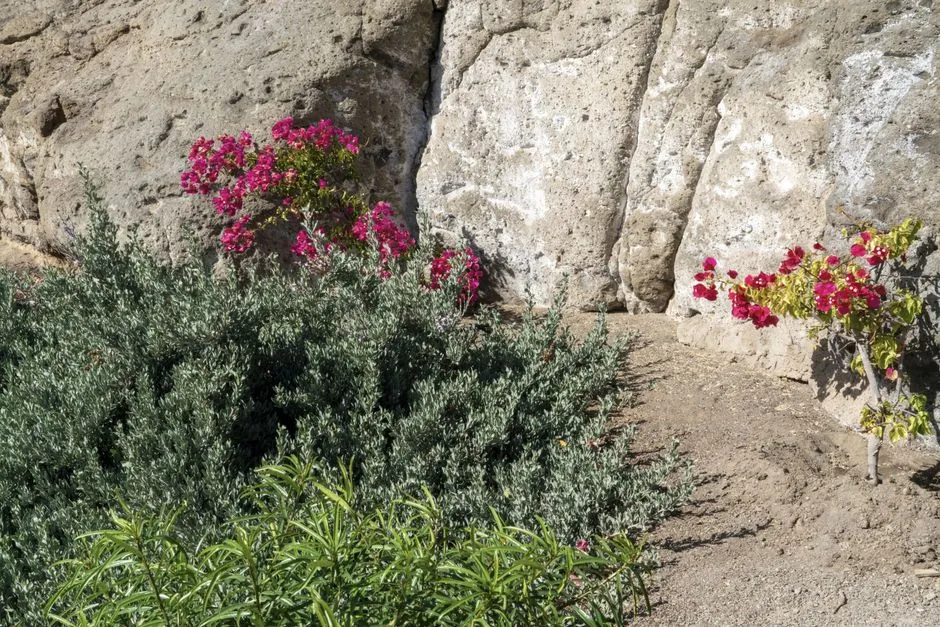
The establishment period is critical for drought-tolerant landscapes, as even the most water-efficient plants need regular irrigation until their root systems develop. That first growing season matters more than any other. Water deeply but give plants time to dry out between sessions so roots reach downward rather than staying shallow.
The ideal time to plant Ceanothus is late fall through early winter. This allows winter rains to foster adequate deep-root growth needed to sustain it in the summer. The same timing principle applies well to manzanita, toyon, and buckwheat, all of which benefit from getting a cool, moist start.
Mulching helps retain soil moisture, reducing water demands. Positioning plants with similar water requirements together helps avoid over or underwatering. Choosing well-draining soil prevents root rot and supports plants that love dry conditions.
What San Jose’s Water Rules Mean for Gardeners

San José enacts year-round outdoor irrigation restrictions to conserve water and protect drinking water supplies. These aren’t temporary drought measures. They reflect a permanent shift in how California manages its water, and home gardeners are squarely in the frame.
Valley Water’s Landscape Rebate Program is designed to encourage residents and businesses to convert approved high-water-use landscapes, such as lawns and pools, to low-water-use landscapes and to retrofit existing irrigation equipment with approved high-efficiency irrigation equipment. Planting drought-resilient shrubs can literally pay back a portion of its own cost.
California Law AB1572 prohibits the use of drinking water to irrigate non-functional turf lawns which don’t serve a recreational or community purpose such as a park or golf course. The regulatory direction is clear, and gardens built around native, drought-adapted shrubs are naturally compliant.
Pairing These Shrubs for a Garden That Actually Works
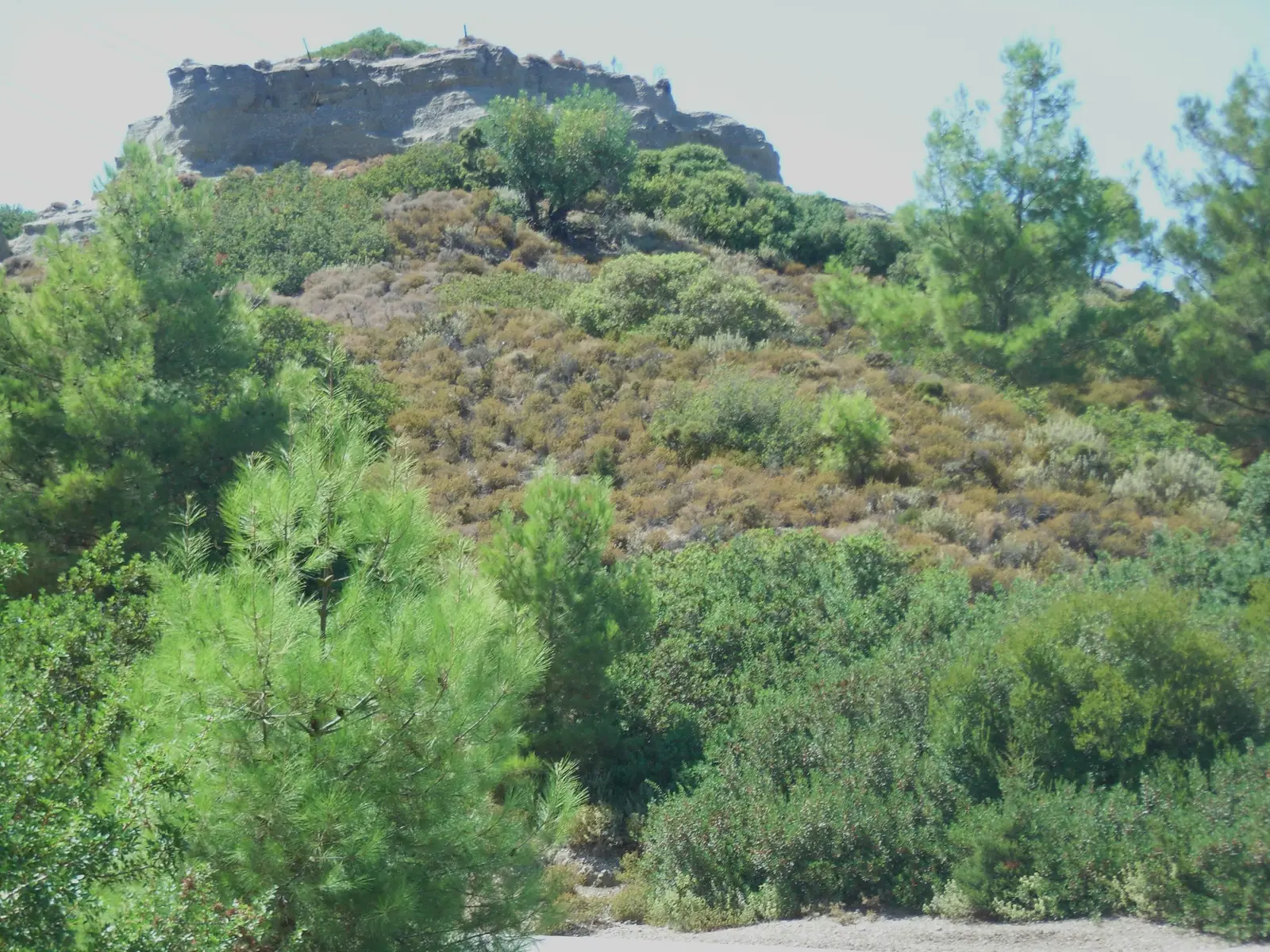
Replacing turf with native shrubs, groundcover, and mulch creates a resilient foundation. The five shrubs in this list work particularly well together because their water needs, sun requirements, and soil preferences align closely. Toyon provides height and winter color. Manzanita adds sculptural form. Ceanothus delivers spring spectacle.
Both approaches to water-wise gardening focus on minimizing water use, but water-wise design allows for lusher, more colorful plant palettes, especially when native species are used effectively. This isn’t about a bare, graveled look. Done well, these shrubs create a garden with genuine seasonal rhythm and year-round interest.
A simple layered design places toyon or ceanothus at the back for structure, manzanita in the middle for texture, and buckwheat or salvia toward the front for low, spreading color. San Jose Water’s Water Smart Demonstration Garden includes 21 species of drought tolerant plants and is worth visiting for hands-on inspiration before finalizing your design.
The Larger Picture: Native Shrubs and Local Wildlife
As concerns over water usage continue to shape landscaping choices, turning to California native drought tolerant plants isn’t just a trend. These plants are uniquely adapted to the state’s Mediterranean climate of wet winters and dry summers, allowing them to flourish with minimal irrigation once established.
Ceanothus and similar shrubs are good habitat plants, drawing several butterflies which use the flowers for nectar but also lay their eggs on them as larval host plants. When the plants produce their small shiny seeds, several seed-eating birds stop by and feast. The ecological benefit is real and cumulative across a neighborhood.
Water Efficient Gardens has helped convert more than 150,000 square feet of lawns to native, drought-tolerant gardens and saved over 3 million gallons of water. Individual gardens add up. A San Jose yard planted with even two or three of these shrubs contributes, meaningfully, to something larger than one household’s water bill.
A Garden Built for This Climate, Not Against It
The shift toward drought-resilient shrubs in San Jose isn’t a sacrifice. It’s a reorientation toward what this landscape was always capable of supporting. These five shrubs, Ceanothus, Manzanita, Toyon, Salvia, and California Buckwheat, are proven, beautiful, and genuinely adapted to survive and thrive here.
Drought-tolerant plants need less water, and they’re much easier to maintain and less susceptible to pests and disease. That’s a meaningful time and money benefit, not just an environmental one. Lower maintenance, lower bills, and a garden that doesn’t look stressed by August.
The most durable gardens in San Jose’s future won’t be the ones fighting the climate with irrigation. They’ll be the ones that were designed with it in mind from the start. These five shrubs are the clearest place to begin.
AI Disclaimer: This article was created with the assistance of AI tools and reviewed by a human editor.