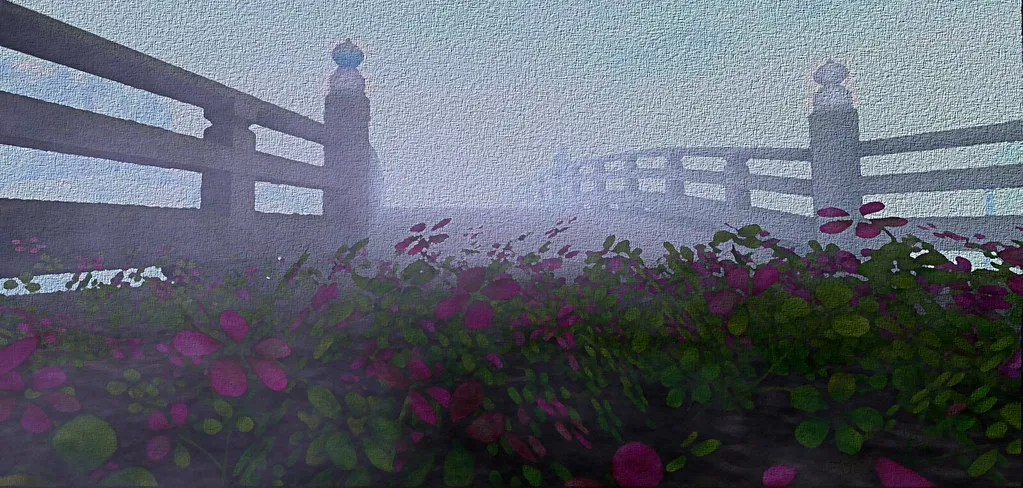

Gardening in San Francisco is a genuinely unusual challenge. The fog that rolls in off the Pacific each summer – fondly nicknamed “Karl” by locals – isn’t just a quirky backdrop. It reshapes soil temperature, limits sunlight, and sets the rules for what can actually survive and thrive in your backyard.
The city’s temperature can vary as much as 25 degrees at the same exact hour on the same day, though that’s not an everyday occurrence. It does illustrate just how varied conditions can be across a single city. For gardeners, that variation is everything. Choose the wrong plant and you’ll be staring at mildew and collapse by August. Choose the right one, and you’ll have a garden that practically takes care of itself.
Why San Francisco’s Fog Makes Gardening So Different
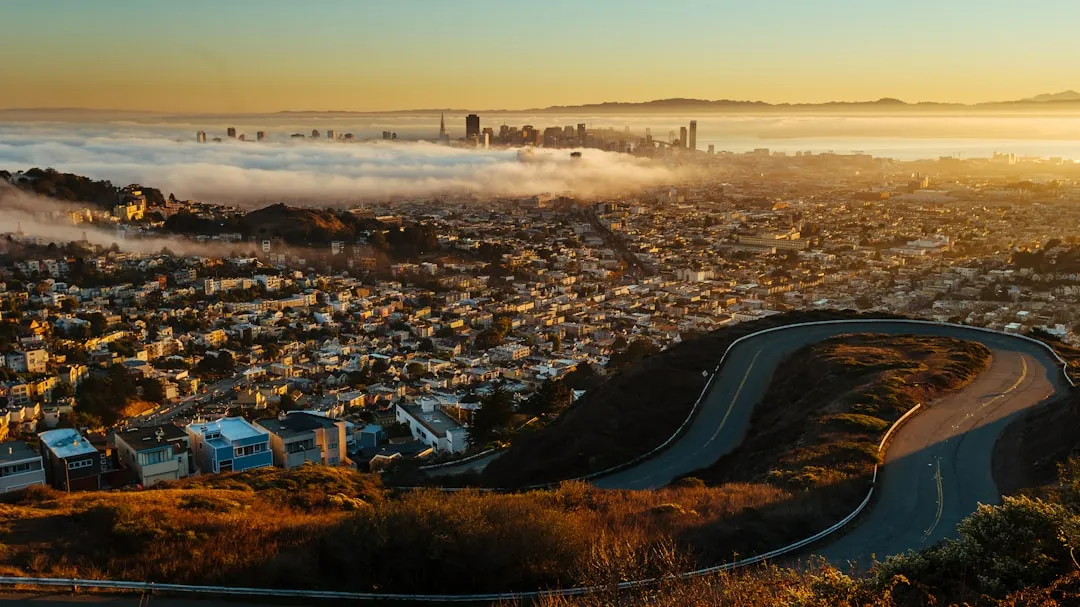
The San Francisco peninsula is a unique geological location shaped by its many coastlines, hills, parks, and urban features. It’s a relatively small area where the climate is different from its surroundings, and SF is broken into sections defined by wind and sun exposure.
The simple reason for all this fog is the cold Pacific Ocean. The temperature in the waters off the coast maintains an average between 53 and 59 degrees Fahrenheit – a result of the cold Humboldt Current that travels north-to-south from Alaska down along the coast of Canada and the Pacific Northwest onto the city’s doorstep.
The months when the city’s western edge is socked in with fog coincide with the greatest temperature variance between ocean and land. That means late spring, all of summer, and early fall – when days are at their longest – neighborhoods like the Sunset and the Richmond can be completely fogged in.
Understanding Your Microclimate Before You Plant a Single Thing
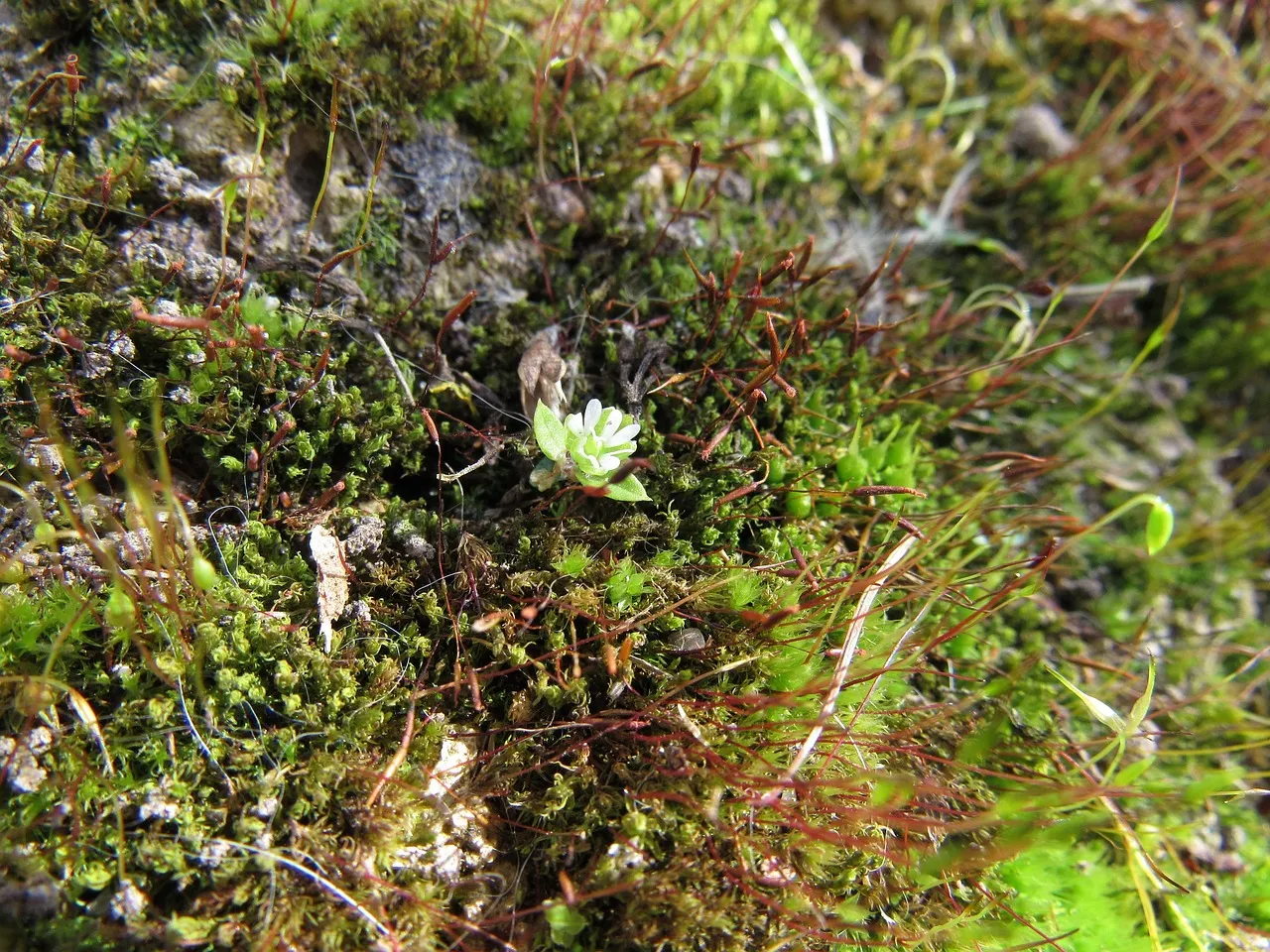
Within the overall climate there are many regions with distinctive weather patterns, known as microclimates. These areas get more or less fog and overcast during the summer, and may be warmer or cooler overall than even nearby regions. Understanding your microclimate can help you select plants that will do the best in your garden with the least effort.
This dramatic variation means a plant that thrives in sunny Noe Valley might struggle in foggy Richmond District conditions. That’s not an exaggeration. It’s the practical reality of gardening in a city that can feel like multiple cities at once.
Planting choices that work in Noe Valley may struggle in Outer Sunset. Understanding the conditions of your microclimate can mean the difference between a thriving garden and a costly mistake.
What the Fog Actually Does to Your Garden Soil and Plants
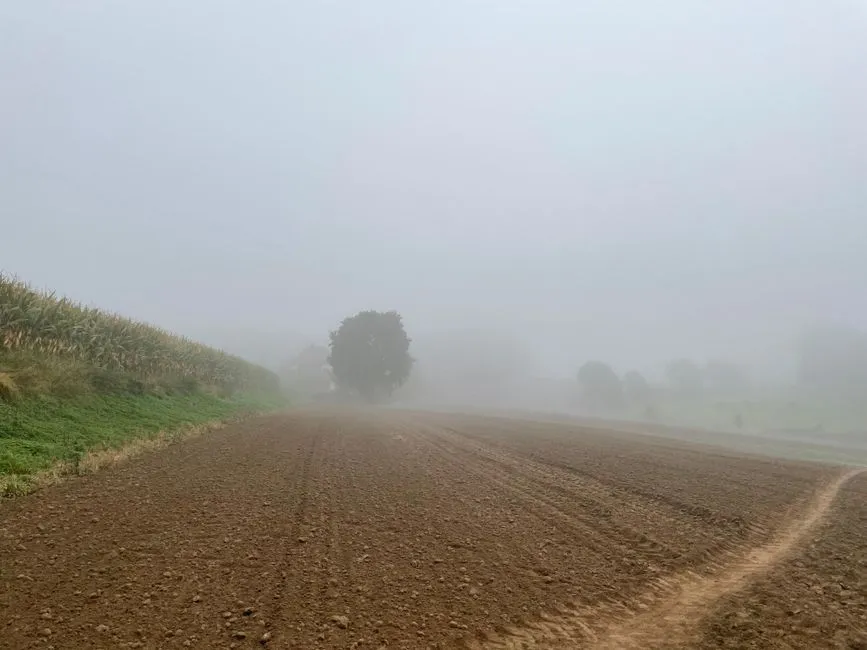
Many favorite and familiar plants have evolved in climates where summer means warm, moist soil and warm, dry days between rainstorms. In the foggy neighborhoods of San Francisco, these plants find constantly cool, dry soil and cool, damp air.
Because of the marine layer, coastal communities have a lot more moisture in the air than many places with Mediterranean climates do. San Francisco’s Karl the Fog is basically a wall of humidity.
Native flora, and plants from many similar climate zones around the world, have evolved through the millennia for exactly the conditions San Francisco gardens can offer them. These plants have their own strategies for dealing with dry summer soils and cool, damp air and winds. They come from climate zones known as Mediterranean, or maritime climates.
Plant 1: California Fuchsia (Epilobium canum)
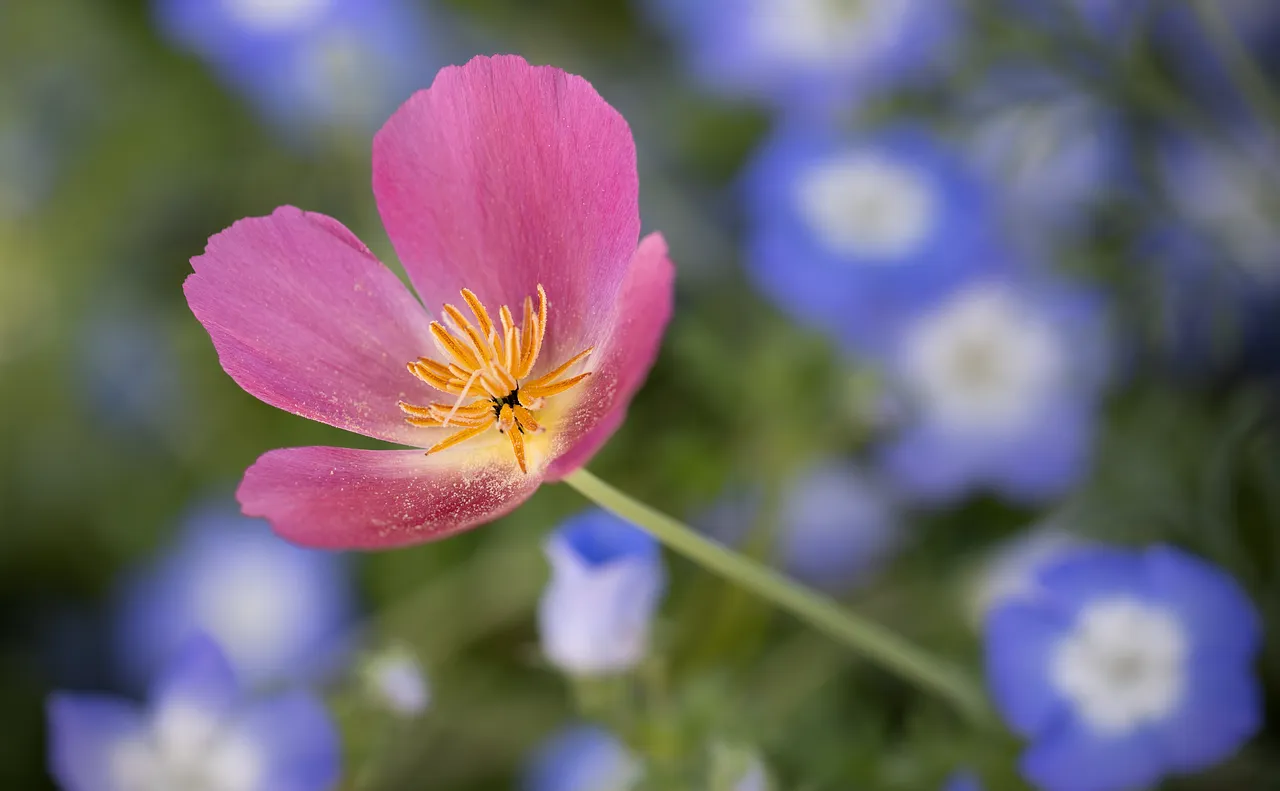
California Fuchsia is a beautiful species of willowherb, native to the California foothills and coastal areas. It is a perennial plant, notable for the profusion of bright scarlet flowers in summer and autumn – it’s frequently the only native California plant in an area flowering at the height of summer.
Some cultivars, such as ‘Marin Pink,’ prefer foggy coastal areas far away from the threat of frost. That makes it one of the few plants that actively appreciates what fog-belt gardeners often see as a limitation.
California fuchsia blooms from late summer into fall, a period when many other nectar sources have faded. Research on hummingbird foraging shows that late-season flowers play an outsized role in supporting resident and migrating hummingbirds, especially in dry regions where resources drop sharply by August.
Native to the Bay Area, California Fuchsia is a perennial plant that waits until fall to unleash its bright palette of flowers. It grows low to the ground and spreads through roots easily to other areas. If trimmed back in winter, it will re-emerge in spring.
Plant 2: Seaside Daisy (Erigeron glaucus)
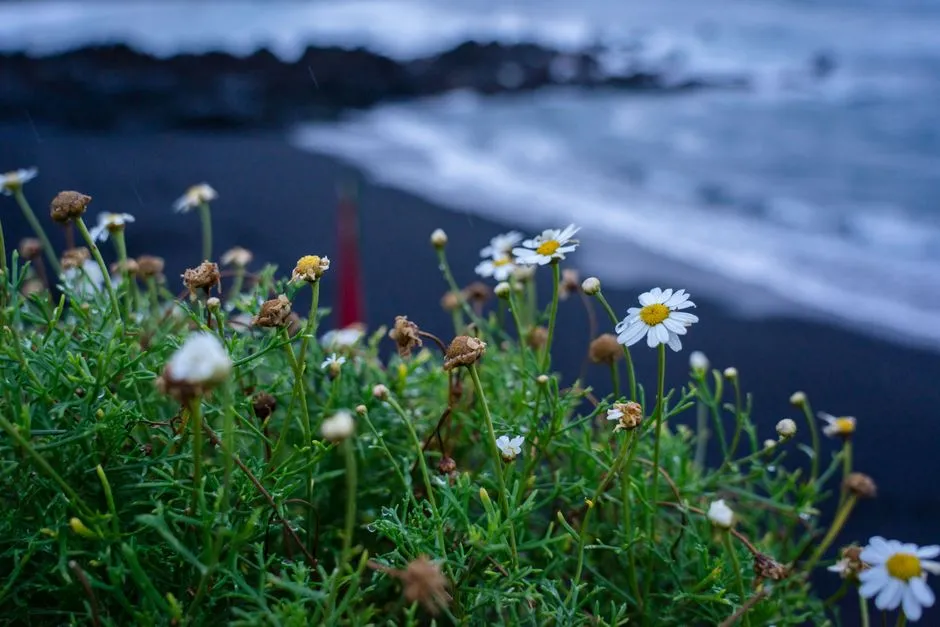
Seaside Daisy is a low-growing plant with lavender flowers that is perfect for ground cover and attracts butterflies. It’s one of those plants that looks intentional without demanding much from you at all.
Seaside daisy is among the plants confirmed to thrive in San Francisco’s coastal fog zones, alongside yarrow, Pacific wild rye, coyote brush, and coast buckwheat. Blue fescue, seaside daisy, and dwarf coyote brush consistently work well in the city’s fog-prone coastal neighborhoods.
Erigeron Wayne Roderick Daisy makes a delightful small-scale ground cover. Erigeron glaucus Cape Sebastian makes delicate ground cover for small coastal gardens, and butterflies will love you for planting it. It handles sandy, wind-exposed soil without complaint.
Plant 3: Coast Buckwheat (Eriogonum latifolium)
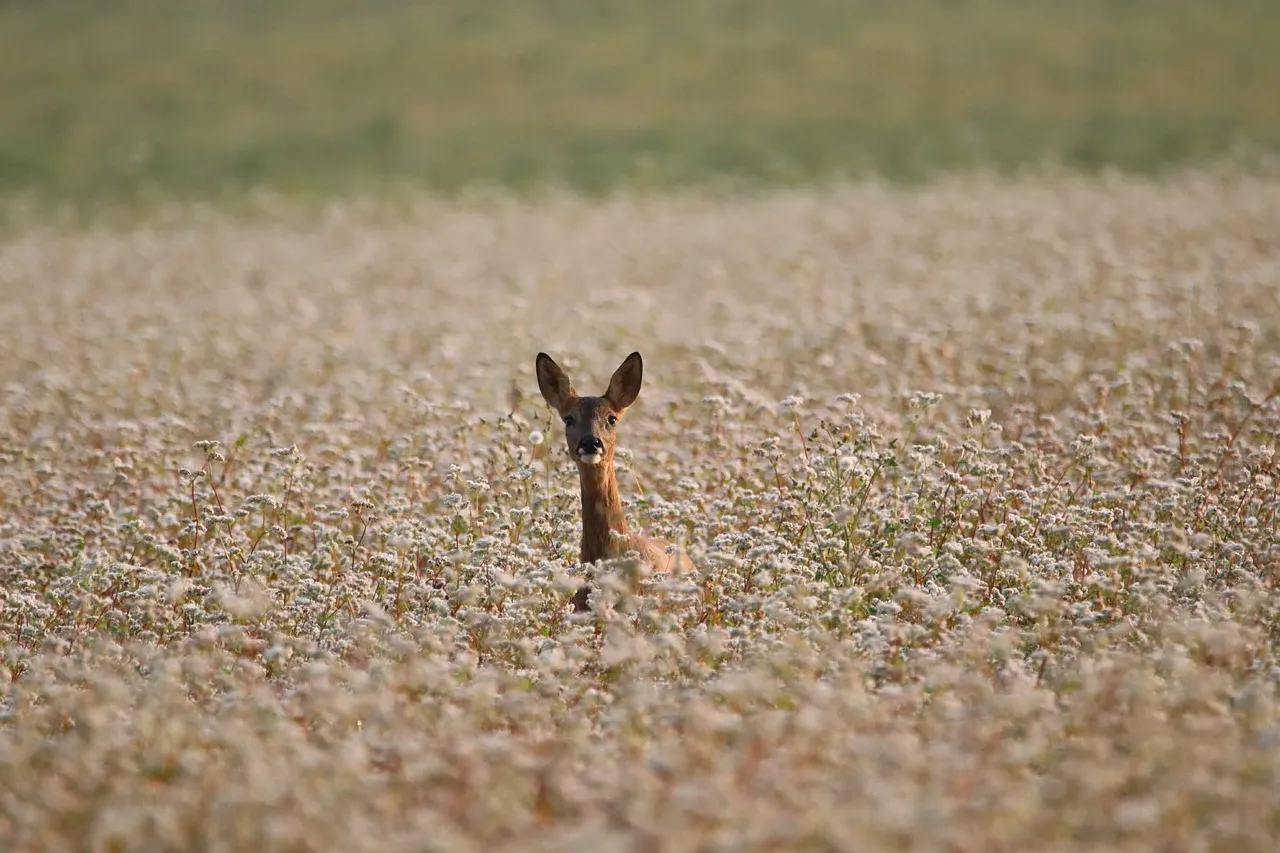
Eriogonum latifolium, or Seaside Buckwheat, is a small, mounding, evergreen perennial or sub-shrub that feels right at home in the conditions the Outer Sunset and Richmond throw at it. Its natural habitat is the coast, so this isn’t a plant you’re coaxing into an unfamiliar situation.
California Buckwheat is a great drought-tolerant plant that attracts many pollinators including butterflies, bees, and birds, recognizable by its beautiful silvery leaves. The flowers start white, fade to rust, and create months of visual interest without needing attention.
These coastal scrub plants are adapted to long, dry spells and summer fog. Examples of well-adapted coastal plants include buckwheat (Eriogonum), coyote bush, and California lilac. The CNPS Yerba Buena Chapter’s published drought-tolerant plant list for San Francisco also includes nude buckwheat for its excellent drainage tolerance and sand compatibility.
Plant 4: Douglas Iris (Iris douglasiana)
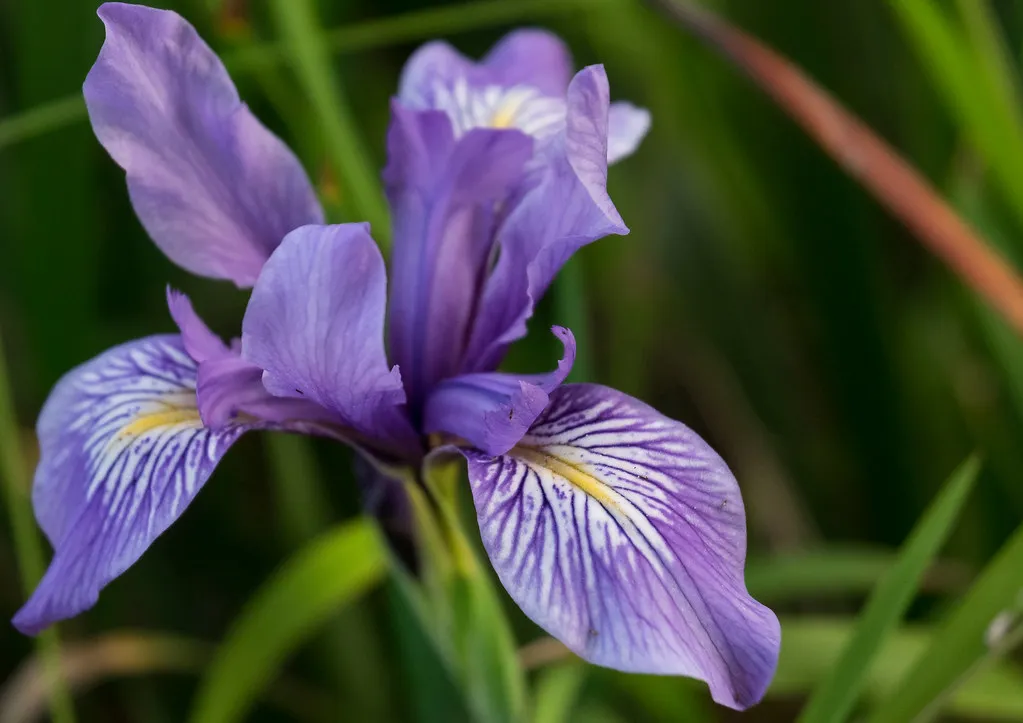
Douglas Iris is a stunning purple-flowered perennial ideal for coastal gardens. It requires minimal care and provides nectar for pollinators. Few plants manage that combination of elegance and practicality in a fog-belt setting.
Pacific Coast Native irises like Douglas Iris are distributed along the coast and in the coast ranges from southern Washington to near Santa Barbara. That long coastal distribution tells you something important: this plant evolved alongside fog, wind, and cool summers over thousands of years.
These plants prefer partial shade, and Douglas iris is specifically listed among the plants suited to mixed evergreen forest and riparian areas with damp, mulch-rich conditions. PCN irises have a diverse color range from cream, buff, apricot, or golden yellow to orchid, lavender, deep purple-red, blue violet, and rarely blue and white.
Plant 5: Coyote Brush (Baccharis pilularis)
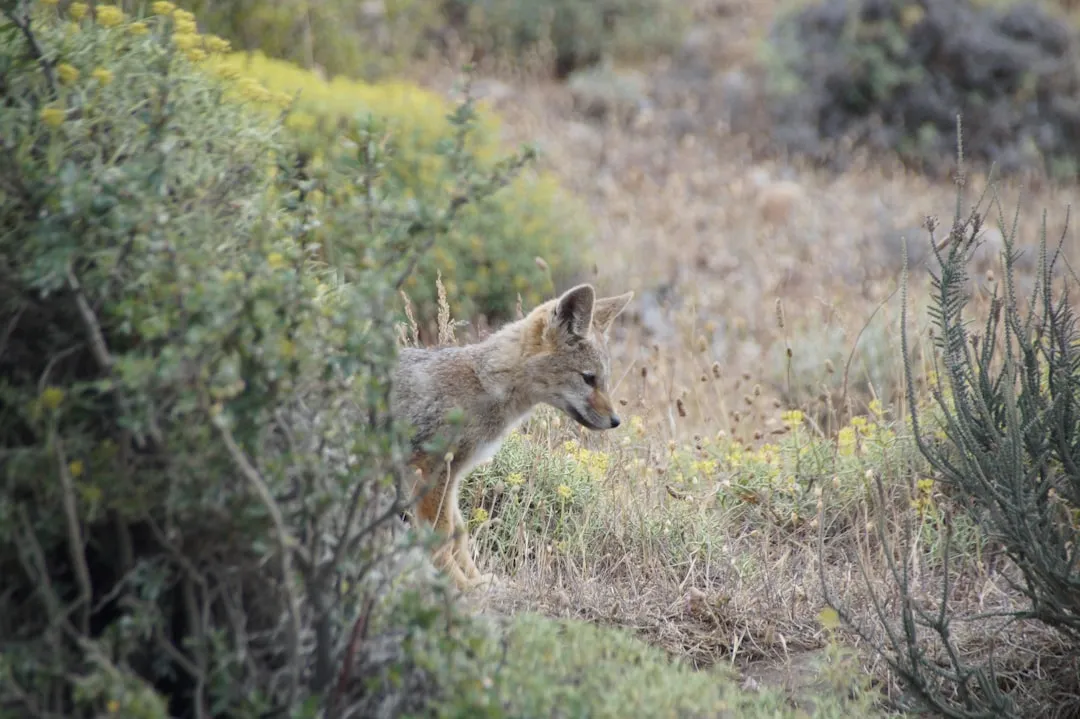
Pigeon Point Dwarf Coyote Brush can create the appearance of a lawn with no irrigation system. That’s a remarkable quality in a city where water bills during dry periods can climb significantly. It’s tough in the best possible way.
California fuchsia combined with dwarf coyote brush is a signature coastal combination for salt-tolerant, wind-resistant planting in Marina, Sea Cliff, and Outer Sunset locations. Landscape designers working across SF’s fog belt consistently return to coyote brush as a structural backbone plant.
True San Francisco natives are adapted to the city’s original landscapes: coastal scrub, serpentine hills, and windswept dunes. Coyote brush is exactly that kind of plant – it belongs here the way fog belongs here, without apology.
How to Plant for Success in a Fog-Belt Garden
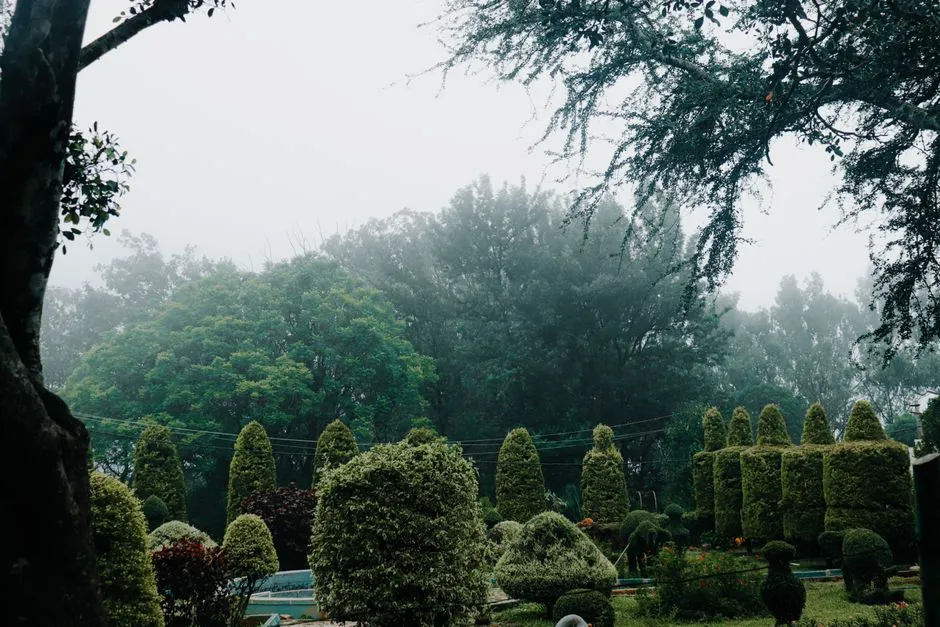
All of these fog-tolerant plants are drought-tolerant once established, and are healthy and free-blooming even with cool, foggy, and windy days. The key phrase is “once established” – the first year or two requires more attention than the years that follow.
Plants that need consistent moisture require additional water for the first two years after they are planted. It’s advised to plant smaller plants in one-gallon pots or four-inch pots, because they are more likely to survive between watering sessions.
Maximize microclimates within your garden by placing plants where they will thrive. A sunny spot might be perfect for Mediterranean herbs, while a shady corner could host ferns and other shade-lovers. Even in a fog-belt yard, there are pockets of difference worth paying attention to.
The Broader Case for Going Native in San Francisco’s Fog Zones
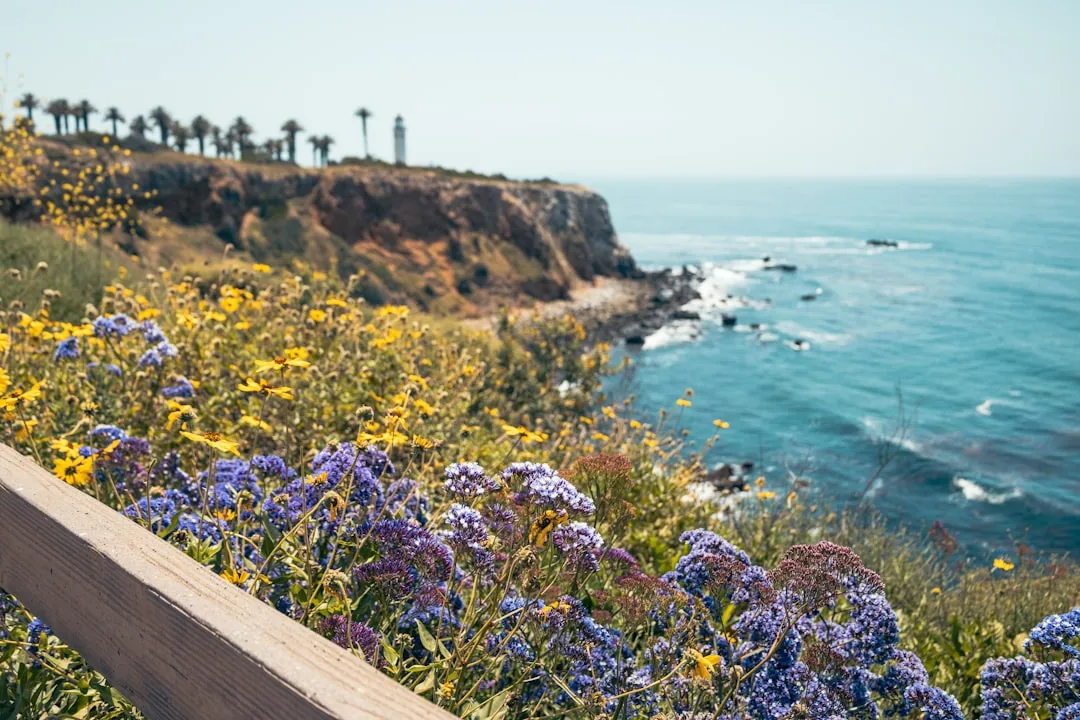
A 2024 survey found nearly 79% of gardeners nationwide had native plants in their gardens, and native species now top demand lists among landscape architects. Here in San Francisco, it’s more than a trend – it’s ecological strategy.
Native plants evolved in SF’s fog, wind, and sandy soils – they’re tough and built for this place. That’s not marketing language; it’s the result of thousands of years of adaptation that no imported ornamental can replicate.
Native plants offer unmatched habitat value for local wildlife, and help designed landscapes feel connected to the broader regional landscape. Incorporating California natives creates sustainable, low-maintenance landscapes perfectly adapted to San Francisco conditions.
Avoiding the Most Common Fog-Belt Planting Mistakes
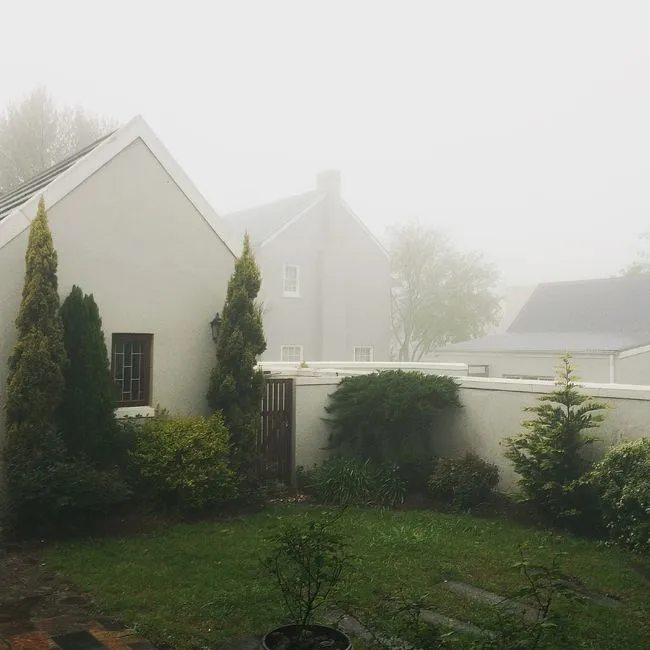
Tomatoes, basil, and peppers do not grow well in the fog or shade. These plants require a lot of sun and heat, and trying to force them in fog-belt conditions rarely ends well. Knowing what won’t work saves time, money, and frustration.
Citrus, hibiscus, and gardenias won’t get enough sun in fog-heavy zones. They can also be damaged by the constant sea breeze. The sandy, cooler soils near the coast just aren’t designed for plants that need warmth to perform.
This list is just a recommendation, and there is no guarantee that these plants will be suited for your exact location. Microclimates are very prominent in the Bay Area, and it may take several tries before you find a system that works for you. That last part is worth remembering – gardening in SF is a process, not a one-time decision.
Conclusion: Let the Fog Work for You, Not Against You
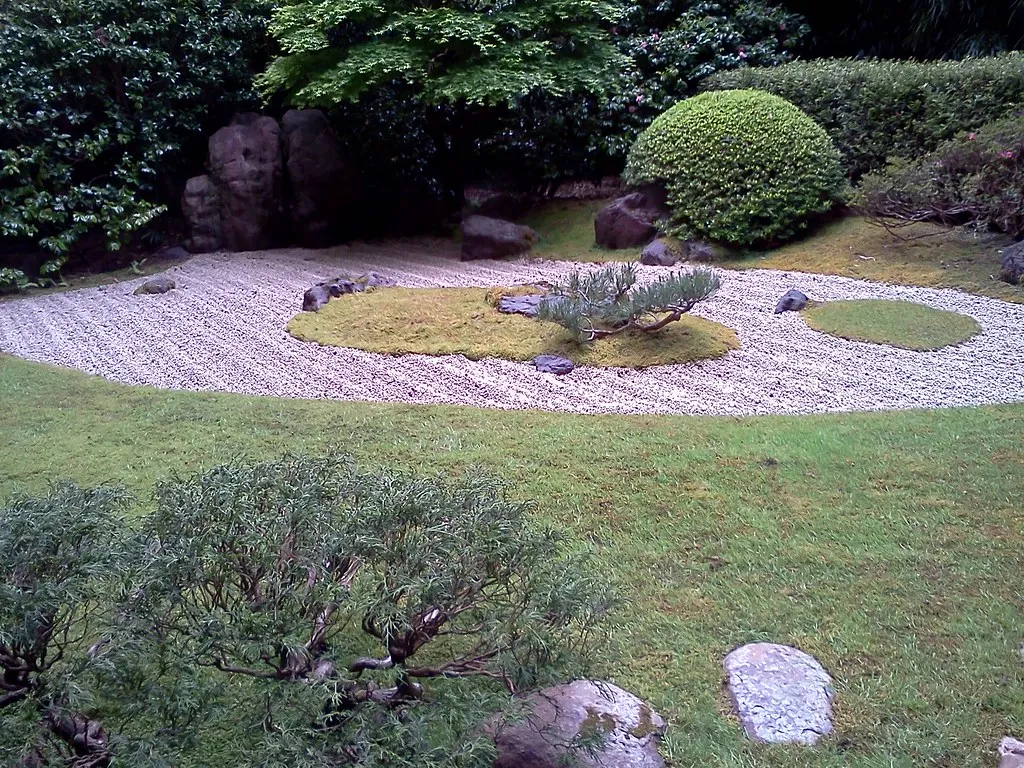
The coast’s cool, humid summer is a lot like the weather in highland tropical areas like the Andes, parts of the Himalayas, and East Africa – minus the year-round rainfall. That means plants that love to grow in those far-flung regions can also thrive here in San Francisco gardens, depending on how they’re cared for.
By choosing plants suited to the maritime climate, grouping them wisely, watering them deeply but infrequently, and creating a robust sequence of bloom in the garden, you can begin to look forward to summer gardening in San Francisco – even if you have to wear a parka to do it.
The five plants covered here – California Fuchsia, Seaside Daisy, Coast Buckwheat, Douglas Iris, and Coyote Brush – aren’t compromises. They’re genuinely excellent plants that happen to be perfectly suited to the climate you already have. That’s a better starting point than most gardeners ever get.
AI Disclaimer: This article was created with the assistance of AI tools and reviewed by a human editor.