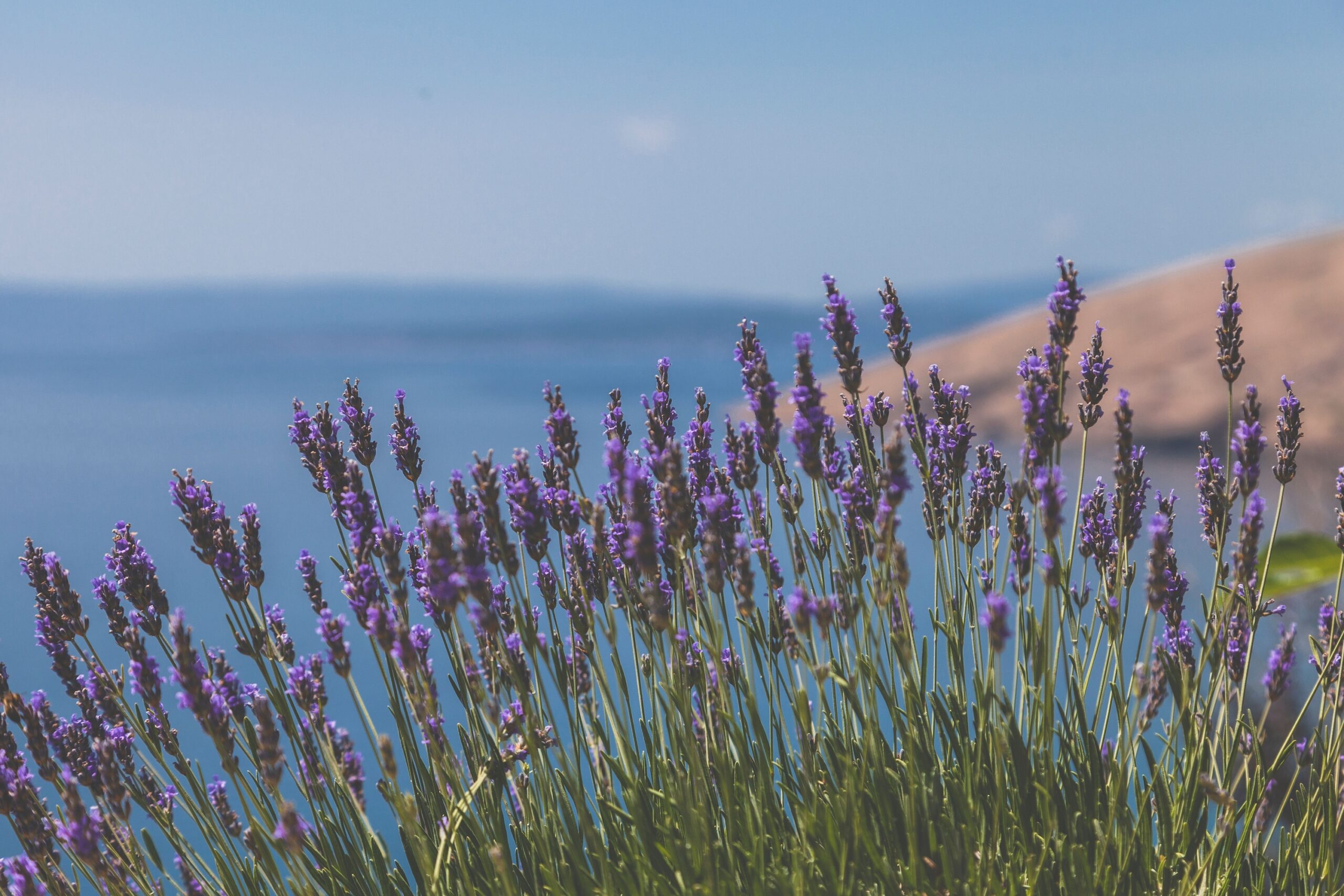

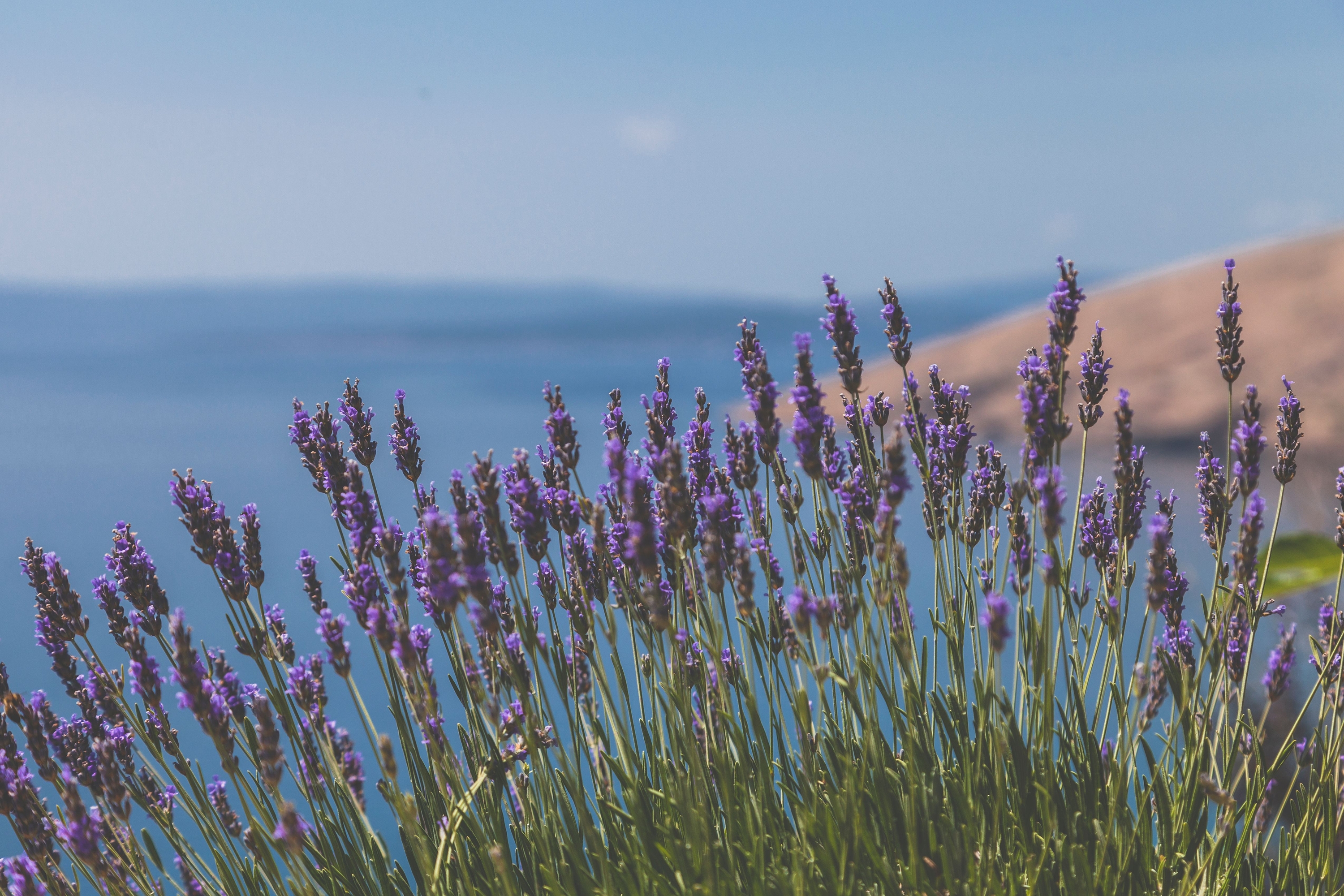
Gardening near the San Diego coast is genuinely different from gardening anywhere else in Southern California. The salt air, sandy soils, and constant marine breezes create a specific set of challenges that most ornamental plants simply weren’t built to handle. Living along San Diego’s coast means breathtaking views, salty breezes, and mild weather year-round, but it also means choosing plants that can thrive in sandy soils, coastal winds, and salt spray.
The good news is that the region’s own native palette is remarkably rich. San Diego’s Mediterranean climate and unique coastal location make it perfect for growing beautiful native plants that thrive naturally in Southern California, and native plants offer homeowners a smart way to create stunning outdoor spaces that need less water, attract local wildlife, and support the environment. The five plants below are consistently recommended by horticulturalists, water authorities, and coastal landscapers for gardens from La Jolla to Encinitas.
1. Ceanothus (California Lilac): The Coast’s Most Dependable Bloomer
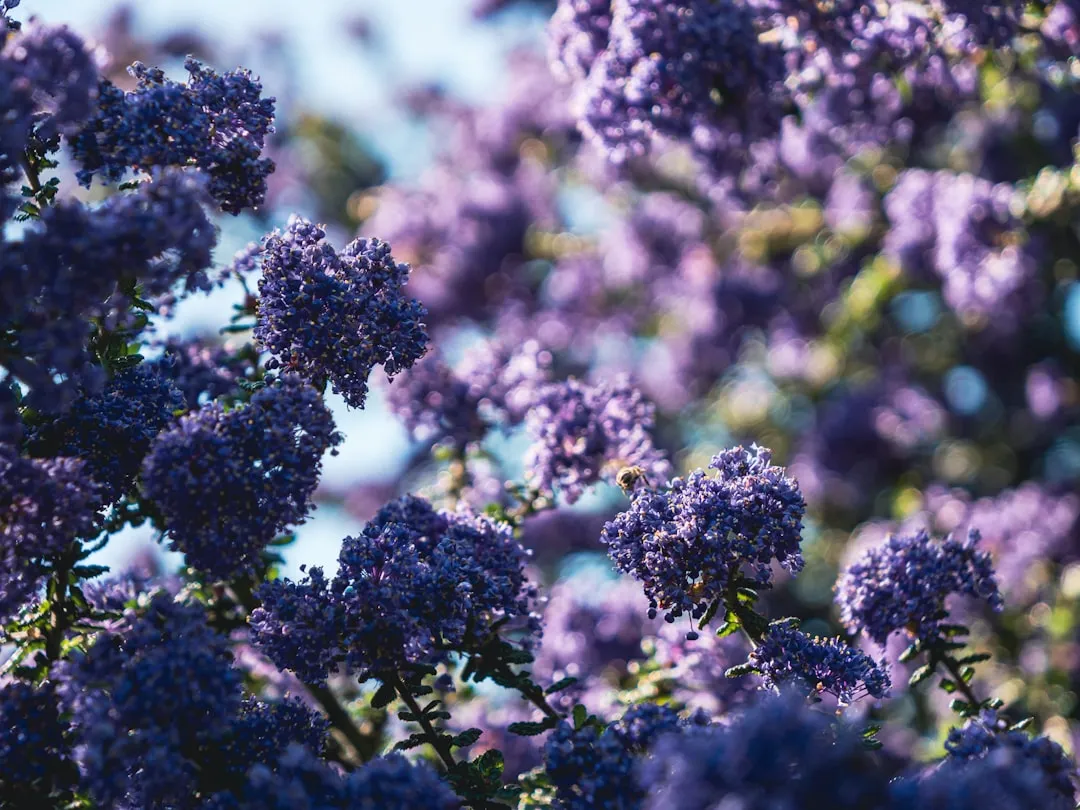
The California lilac, or Ceanothus, is a remarkable and versatile plant known for its beautiful lilac flowers. California is home to over 172 native species of Ceanothus, including “Frosty Blue,” “Dark Star,” and “Concha,” so it’s easy to find a variety you’ll love. That’s a genuinely impressive range of options for a single genus.
These stunning shrubs are drought and salt-tolerant, making them ideal for San Diego County’s coastal areas. Furthermore, the California lilac’s fast-growing nature ensures it quickly establishes itself in the landscape, providing a vibrant and eye-catching display. Mature height varies widely depending on the cultivar: from small, mounding shrubs like maritime ceanothus of a few feet tall, to large shrubs like blueblossom ceanothus around 30 feet tall.
A local favorite, Ceanothus produces vibrant blue or purple blooms in spring. It thrives in sandy soil, requires little water, and attracts pollinators, making it perfect for a native, eco-friendly garden. Summer water is rarely needed after two years except in an extreme drought. For a coastal garden, that’s a significant advantage.
2. California Fuchsia: The Hummingbird Magnet That Keeps Giving
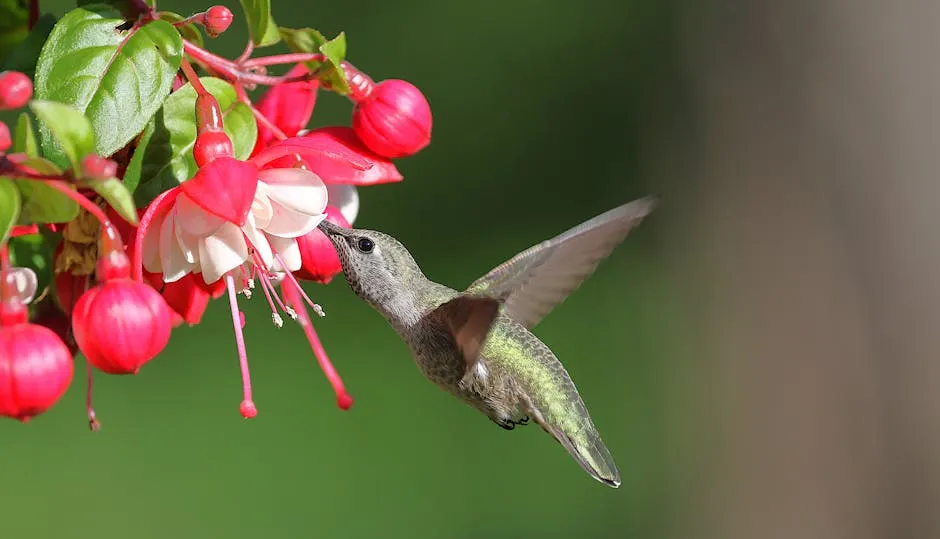
The California fuchsia is a low-growing perennial shrub that can add a touch of color to your garden with its dazzling scarlet to orange-red flowers. This plant thrives in sunny locations and well-drained soil, making it perfect for a San Diego home. It tends to peak exactly when most other perennials are finishing up for the season.
This low-growing perennial produces bright red-orange tubular flowers that bloom from late summer into fall. California fuchsia spreads to form colorful groundcover and attracts hummingbirds during their fall migration. During the dry summer months, the California fuchsia requires only light watering to maintain healthy growth.
With their colorful blossoms above lovely, feathery foliage, California fuchsias make a real statement planted in a mass. After the fall bloom, simply shear them down to keep them neat and not leggy. They’re forgiving, low-effort, and dramatically rewarding.
3. White Sage (Salvia Apiana): The Silvery Standout of Coastal Gardens
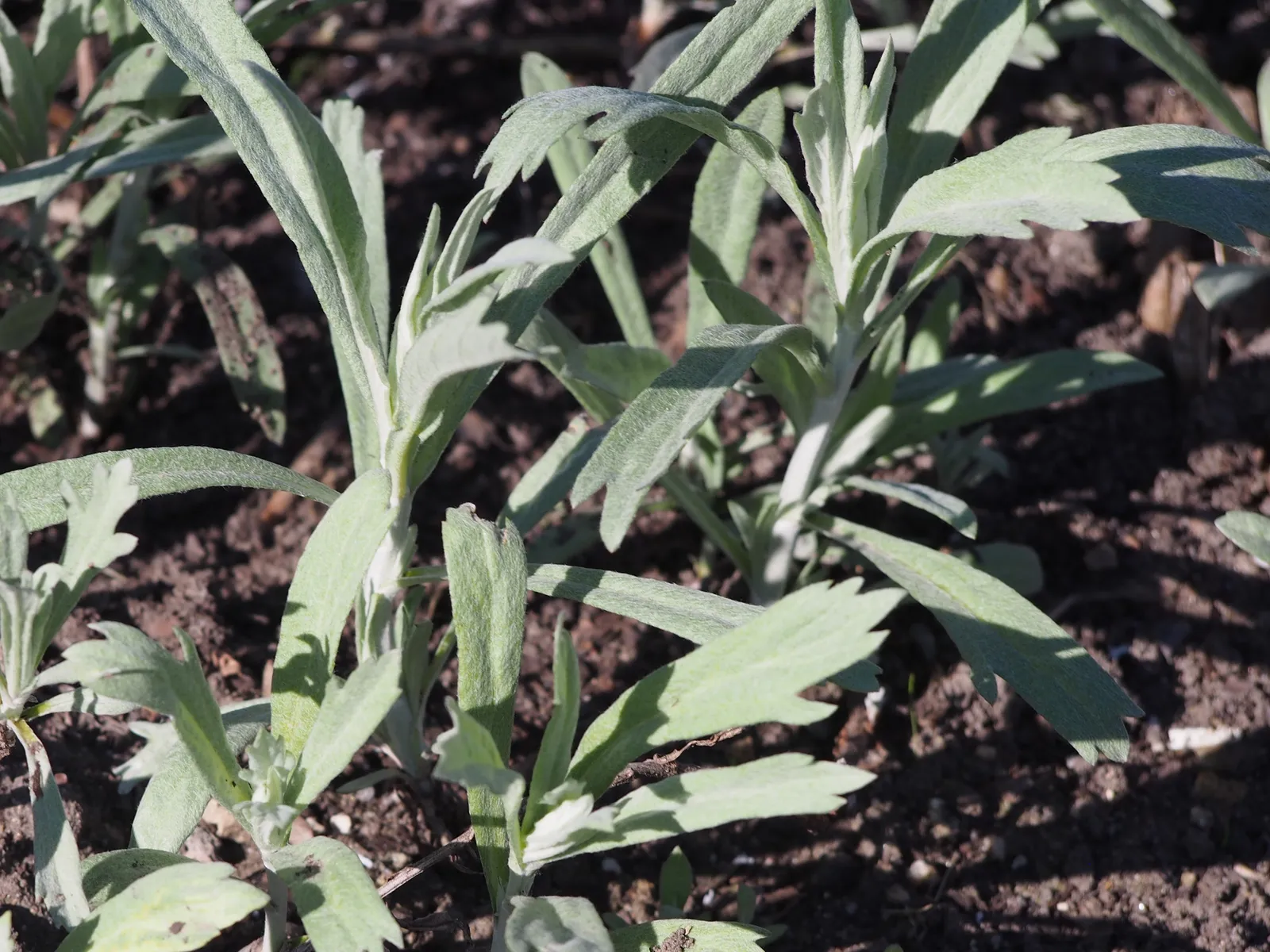
A staple of San Diego native plant landscapes, white sage is not only visually stunning but also deeply tied to California’s natural heritage. This plant features silvery-green leaves and tall flower spikes that create a striking aesthetic capable of thriving with minimal water. It’s one of those plants that looks almost sculptural in the right garden setting.
White sage is a pollinator magnet that can bring bees and butterflies into your yard, and it can be seen growing wild throughout Mission Trails Regional Park and other natural areas in central San Diego County. Sage is known for its ability to thrive in dry areas, making it an excellent choice for gardeners living in regions with little rainfall like San Diego, or for anyone looking for a low-maintenance plant that doesn’t require a lot of watering.
Sages are beautifully fragrant, drought-tolerant California natives that thrive in pots, with 17 varieties including Cleveland sage and white sage offering stunning blooms, silvery foliage, and serious resilience in San Diego’s dry, sunny climate. Many people assume more fertilizer equals healthier plants, but California natives evolved in nutrient-poor soils, and heavy fertilization often produces weak, leggy growth that’s more susceptible to pests and diseases. Keep the soil lean and let the plant do its job.
4. Torrey Pine (Pinus Torreyana): San Diego’s Own Native Tree
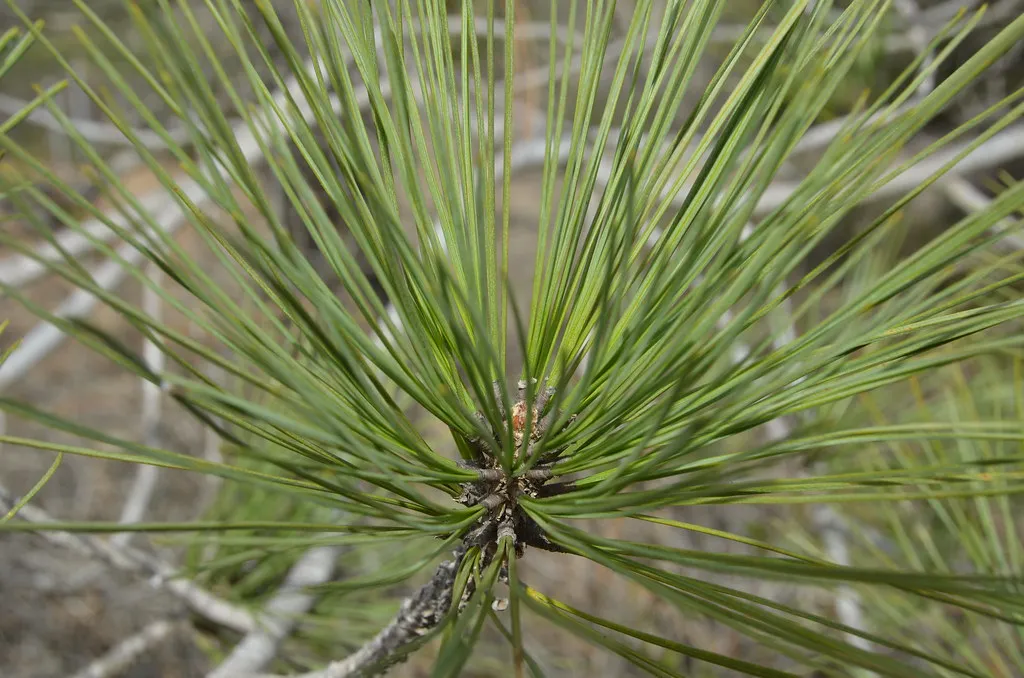
Native to the San Diego coast, the Torrey Pine is a drought-resistant, salt-tolerant tree that provides shade, character, and a true sense of place. It’s actually one of the rarest pine trees in the world, growing naturally only at Torrey Pines State Natural Reserve in San Diego and on Santa Rosa Island.
Native trees used in San Diego’s water conservation garden include coast live oak, California laurel, and San Diego’s own Torrey pine. It shows up on professional planting lists for good reason. The Torrey pine is recognized as a salt-tolerant tree, making it well-suited for sites near the ocean where salt drift from irrigation or sea air can stress less adapted species.
Native plants evolved over thousands of years to grow in San Diego’s specific climate conditions. They handle drought periods better, resist local pests naturally, and provide food and shelter for birds, butterflies, and other beneficial wildlife. The Torrey Pine embodies all of these qualities in a single distinctive tree.
5. Sticky Monkeyflower (Diplacus Aurantiacus): Color With Almost No Effort
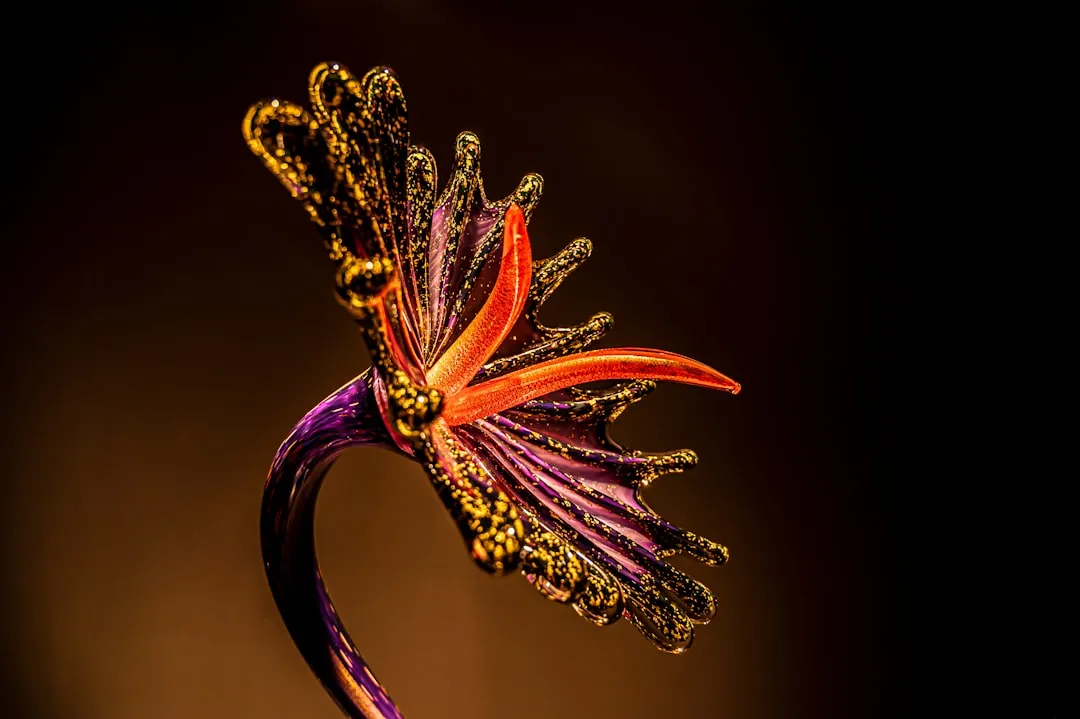
Commonly found in coastal sage scrub, chaparral, and canyon habitats throughout California, the Sticky Monkeyflower thrives in dry, rocky areas, often growing along hillsides, slopes, and canyon edges where it gets plenty of sunlight. This hardy little plant offers bright orange, red, and yellow blooms that add instant cheer to any low-maintenance, pollinator-friendly garden.
You’ll find Sticky Monkeyflower in places like Torrey Pines State Natural Reserve and the canyons of Point Loma. Commonly associated with coastal sage scrub, it is very attractive in spring and early summer when showy red to orange and yellow, tube-shaped flowers are in bloom, and they are a favorite natural food source for hummingbirds.
Once established, bush monkeyflower is drought-tolerant and is recommended for native plant gardens. It can be trimmed back in the fall to maintain a compact structure. One of the most distinctive features of this plant is that when it blooms, the unique pattern on its petals resembles a monkey’s face, making it a whimsical addition to any garden.
Understanding San Diego’s Coastal Microclimate Before You Plant
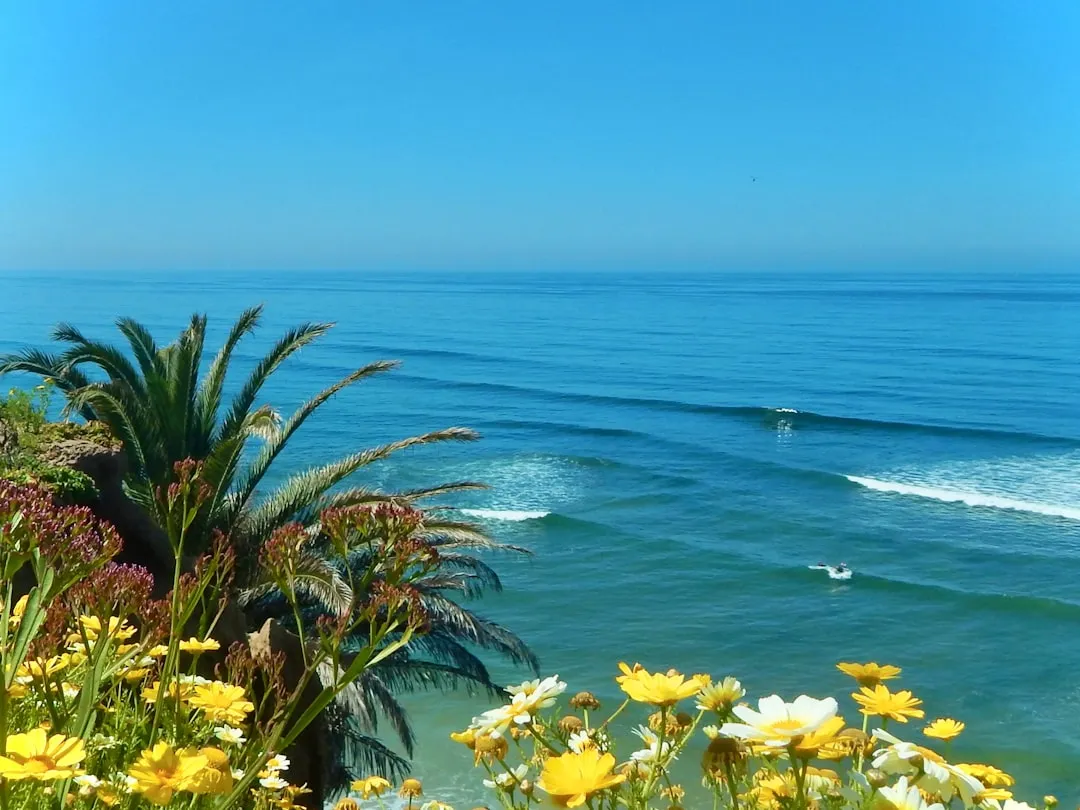
Coastal neighborhoods like Point Loma, Ocean Beach, Pacific Beach, La Jolla, Encinitas, Carlsbad, and Oceanside often have milder temperatures, more marine influence, and less extreme summer heat. These conditions are excellent for many succulents, subtropicals, fruit trees, houseplants grown outdoors, and mild-climate landscape plants.
Ocean air carries salt, which can stress or burn sensitive plants. Strong breezes near the shore require sturdy foliage and root systems. Sandy soils drain quickly, so plants need to hold moisture efficiently. These three factors alone eliminate a large portion of what most garden centers sell.
While the overall biome is California chaparral, the difference between coastal and inland areas is dramatic, and a plant that flourishes at the beach might struggle 20 miles inland. The key is “right plant, right place.” That principle should drive every planting decision you make.
How Much Water Do These Plants Actually Need?
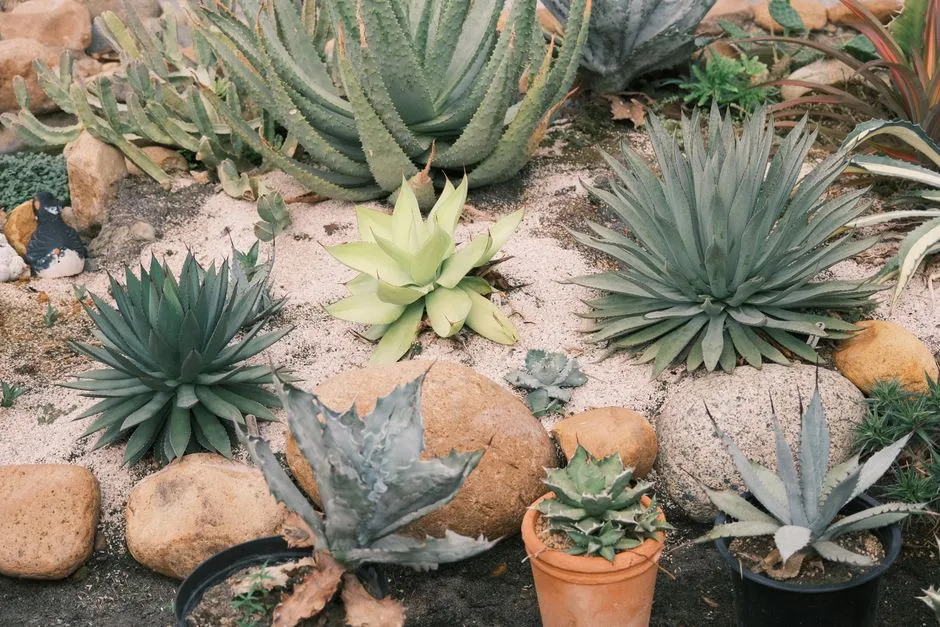
About half of household water in the West goes to gardens, making drought-tolerant landscaping a smart financial move. Choosing the right plants isn’t just an environmental preference; it’s a practical one with real impact on your water bill.
The Happy 100 Plant List from the San Diego County Water Authority contains plants that are low or very low water users, have longer lifespans, are lower maintenance, are pollinators, and will beautify a landscape. All five plants featured in this article appear on or align with that list’s selection criteria.
Newly planted natives need regular water during their first year while roots get established. Water deeply but less frequently to encourage deep root growth. Once established, most native plants need little to no summer water in San Diego’s climate. That establishment year is the only truly demanding phase.
Soil Prep: The Step Most Gardeners Skip
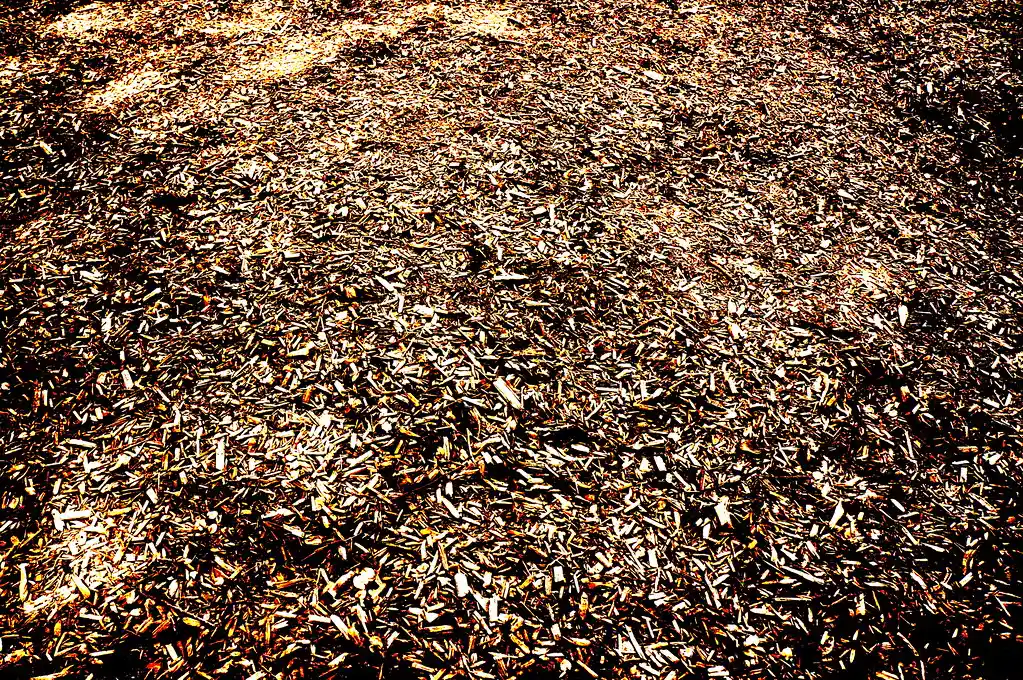
Poor drainage kills more drought-tolerant plants than drought itself. If your soil stays soggy after rain, you’ll need to amend it with coarse sand and compost, or choose plants that actually tolerate heavier soils. This is easily the most underestimated problem in coastal San Diego gardening.
Most California natives actually prefer lean soil; fertilizing can disrupt the natural balance of the soil and potentially harm the plants. A light dressing of compost, shredded leaves, or mulch once or twice a year will keep your native plants happy. Less truly is more with these species.
Start with a three-inch mulch layer around all your plants. This single step will cut your watering needs dramatically while keeping weeds at bay and moderating soil temperatures. It’s one of those small actions that pays back consistently over the years.
Wildlife and Pollinator Benefits You Didn’t Expect
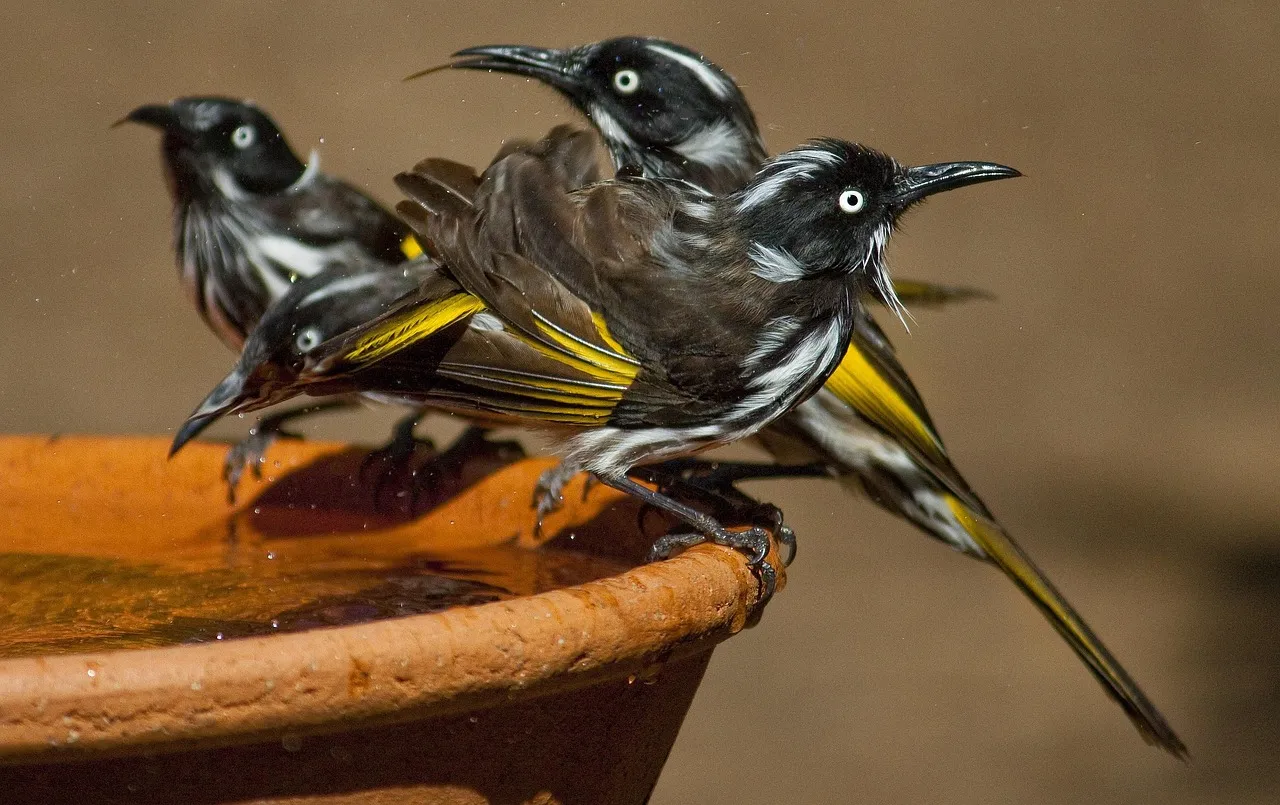
Transforming your garden with the use of natives and regionally appropriate plants will bring butterflies, birds and pollinators of all sorts as you create for them a true coastal habitat. The ecological payoff of these plants goes well beyond visual appeal.
These plants require less fertilizer, attract beneficial wildlife like birds and butterflies, and often need minimal pruning, saving you time and money year after year. The San Diego monkeyflower is essential in supporting the ecosystem, providing a vital larval host for the Baltimore and common buckeye butterflies.
Native plants handle drought periods better, resist local pests naturally, and provide food and shelter for birds, butterflies, and other beneficial wildlife. When you plant native species, you create a natural ecosystem that supports the local environment. That’s a garden that works for the whole neighborhood, not just the homeowner.
Layering Your Coastal Garden for Best Results
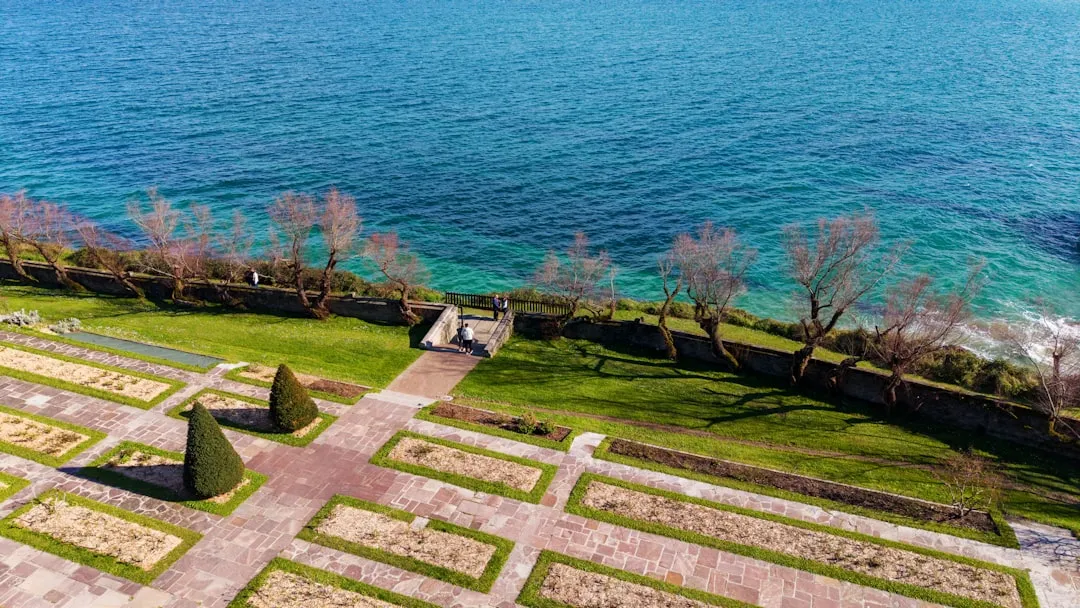
Layer plants by combining low-growing succulents with medium shrubs and taller grasses for wind protection and visual interest. Layering is especially important near the shore, where wind exposure can be punishing for anything planted without shelter.
Plants from chaparral, coastal sage scrub, and oak woodland communities usually work well together, giving the designer thousands of species to work with. Five or more species from within a plant community usually provide enough diversity to keep it stable. Mixing the five beauties from this article follows exactly that logic.
Mediterranean plants such as rosemary, rockrose, or lavender usually work well with coastal natives like coyote brush and ‘Yankee Point’ ceanothus. Don’t feel restricted to pure native palettes if your design calls for something Mediterranean. The two traditions complement each other naturally along the San Diego coast.
When to Plant for Coastal San Diego Success
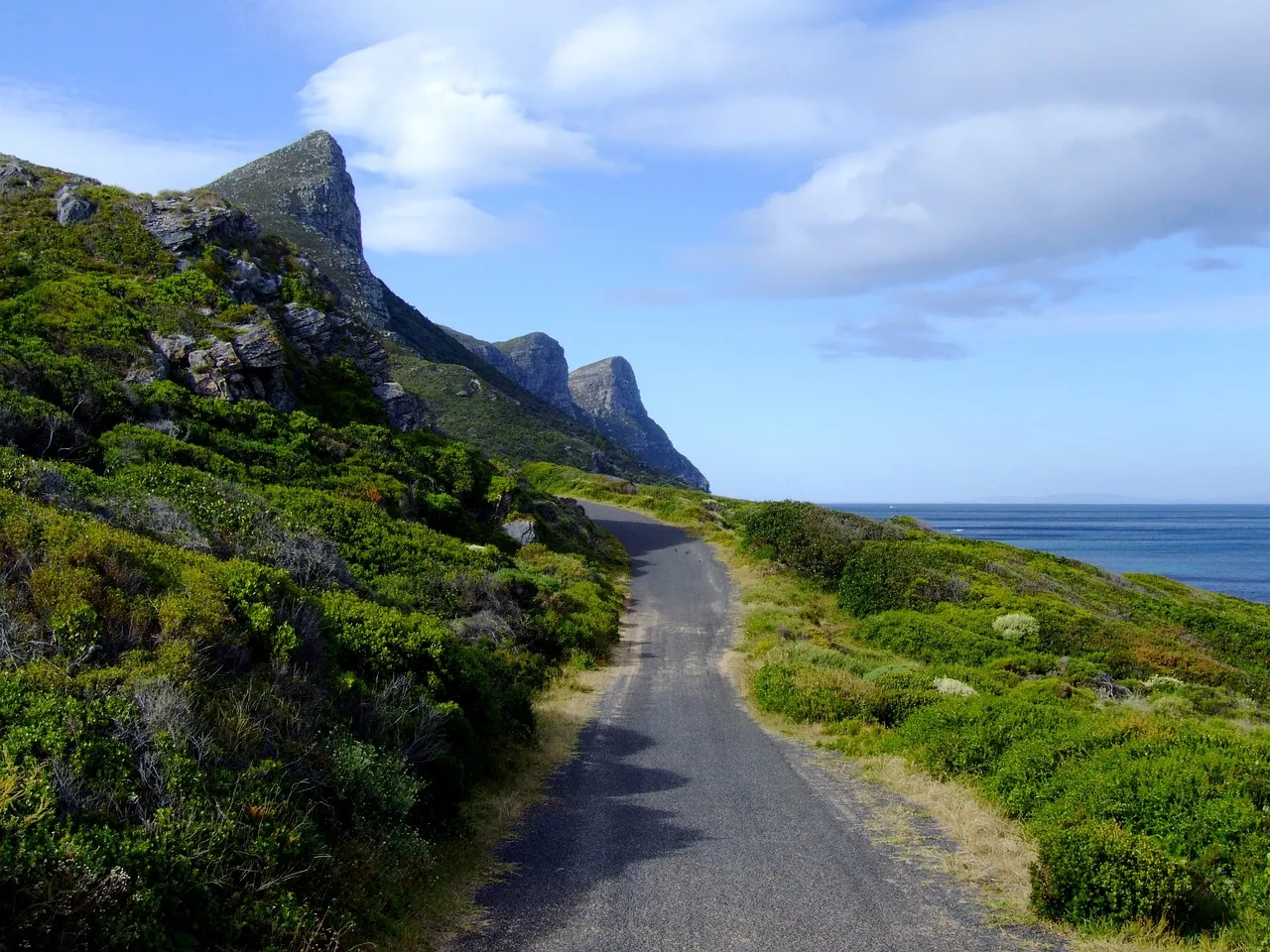
Before choosing plants, pay attention to sun exposure, soil drainage, wind, reflected heat, slope, irrigation, and whether your garden gets coastal moisture or inland summer heat. Planting season matters too: fall is generally considered the ideal window for most California natives.
Native plants grown best when planted in autumn so they can bloom the following spring. The cooler, wetter winter months give roots time to establish without the added stress of summer heat. When choosing new native plants for your California garden, select plants compatible with San Diego’s USDA Hardiness Zone 8 through 10 to ensure they thrive in the local climate.
San Diego County has some special challenges, in that precipitation is low, only nine to twelve inches annually, yet the humidity is high and the temperature swings moderate. Fall planting takes advantage of that modest but reliable winter rainfall, giving your new coastal beauties the gentlest possible start.
A Garden That Belongs Here
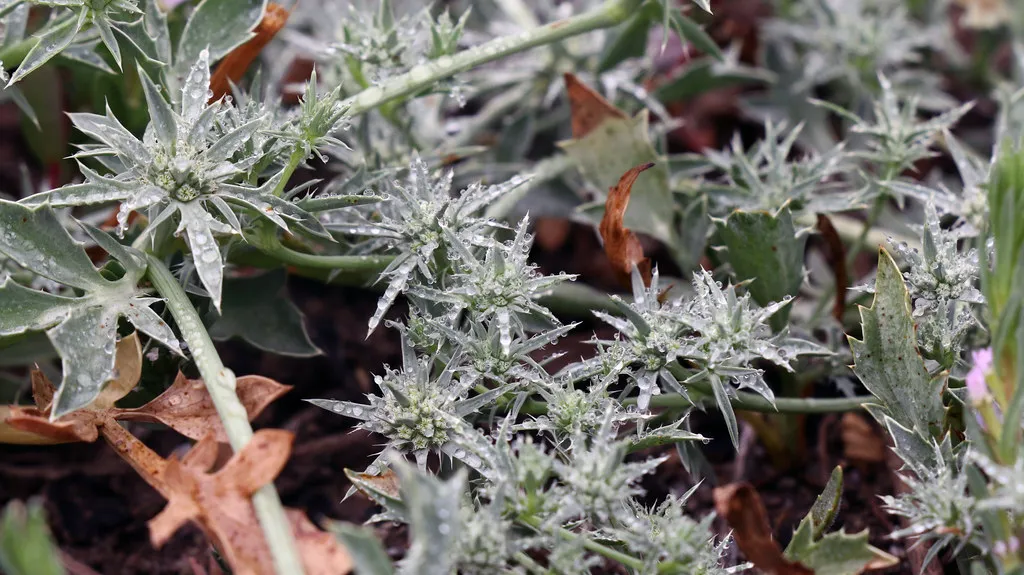
There’s something satisfying about a garden that doesn’t fight its surroundings. The five plants in this gallery weren’t pulled from a catalog designed for wetter climates. They grew here, shaped by the same marine air and thin soils that define coastal San Diego.
Native plants offer homeowners a smart way to create stunning outdoor spaces that need less water, attract local wildlife, and support the environment. With water restrictions becoming more common and homeowners looking for low-maintenance options, native plants have become a top choice for modern San Diego landscaping projects.
Plant one of these this fall, and you’ll likely find yourself planting all five within a season or two. They tend to earn their place quietly, without drama, which is exactly how the best gardens work.
AI Disclaimer: This article was created with the assistance of AI tools and reviewed by a human editor.