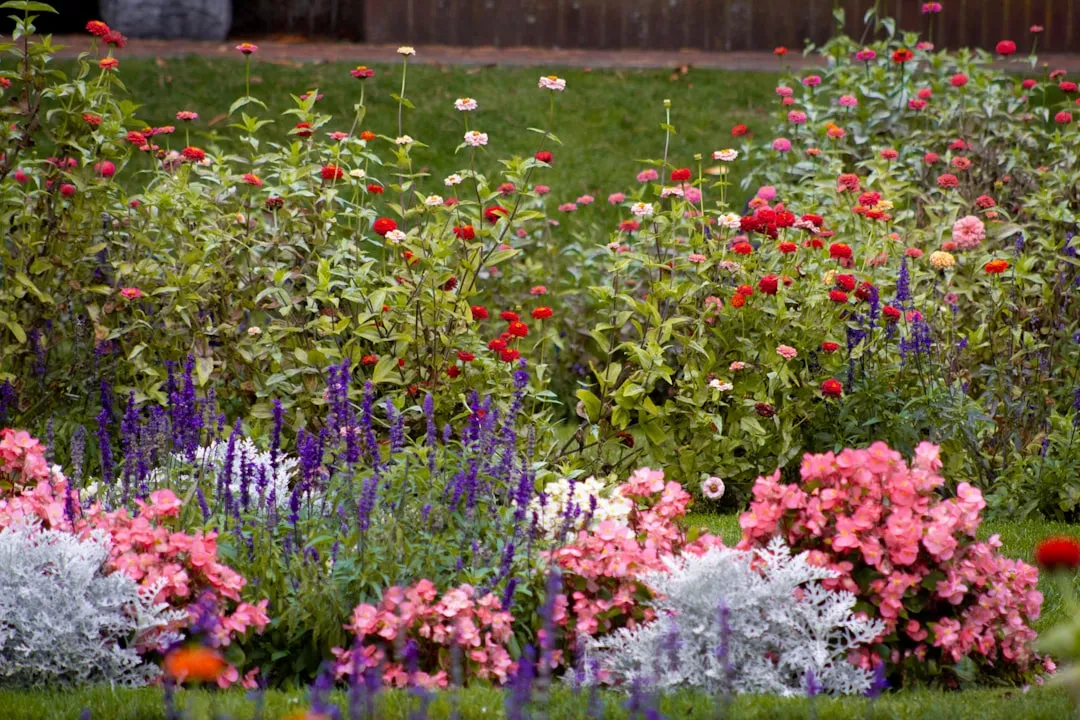

Anyone who has tried to keep a flower bed alive through a Napa summer knows the valley has its own rules. The soil bakes, the afternoons stretch long and dry, and by August even hardy transplants start looking tired. Yet drive past any established homestead in Calistoga or St. Helena and you’ll spot gardens that seem to shrug off the heat, thick with silvery foliage and bees.
The secret usually isn’t some exotic import. It’s a handful of companion plants that have quietly proven themselves in this exact climate for generations.
Napa’s Mediterranean Climate Sets The Rules

Before picking a single plant, it helps to understand what the valley is actually asking of your garden. Napa sits in one of the rare regions where only 2% of the earth’s surface is covered by a Mediterranean climate, and that scarcity shapes everything about how plants here need to behave. The pattern is straightforward but unforgiving: summers tend to be warm and dry with plenty of sun, while winters can bring rain and cooler, cloudy days.
Rainfall averages around 27 inches per year, with most of it falling between December and March, which means anything you plant has to survive roughly six or seven bone dry months on its own. Add in temperature swings between day and night that can reach as much as 30 degrees, and you start to see why so many popular ornamentals from wetter climates simply give up here.
Why Companion Planting Actually Works Here
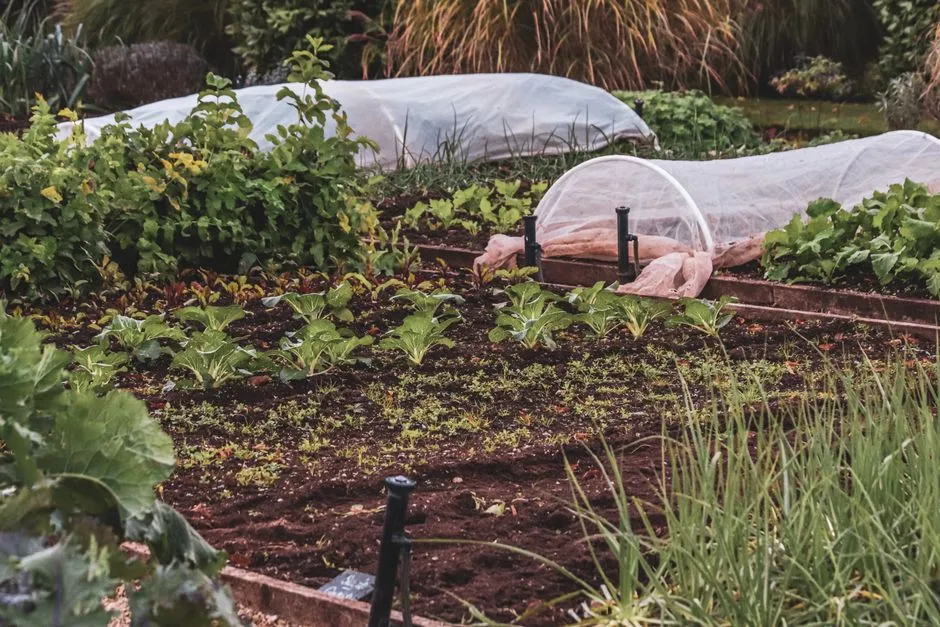
Companion planting isn’t just a pretty layering trick, it’s a practical response to exactly the stresses Napa throws at a garden. Pairing the right species together can reduce water use, improve soil, and cut down on pest problems without reaching for chemicals. As one California gardening resource puts it, some plants support the animals that support your food plants, like pollinators, aphid-eating insects, pest-eating birds, rodent-hunting owls, hawks and more.
The advice from growers who work this kind of drought prone ground is also refreshingly modest in scale, since no one plant does it all and it’s smarter to start with 3-5 different companion species and add a few more per season once you get things off the ground. That’s really the philosophy behind the five plants below: none of them is a miracle worker alone, but together they cover each other’s weak spots.
Lavender: The Valley’s Signature Companion
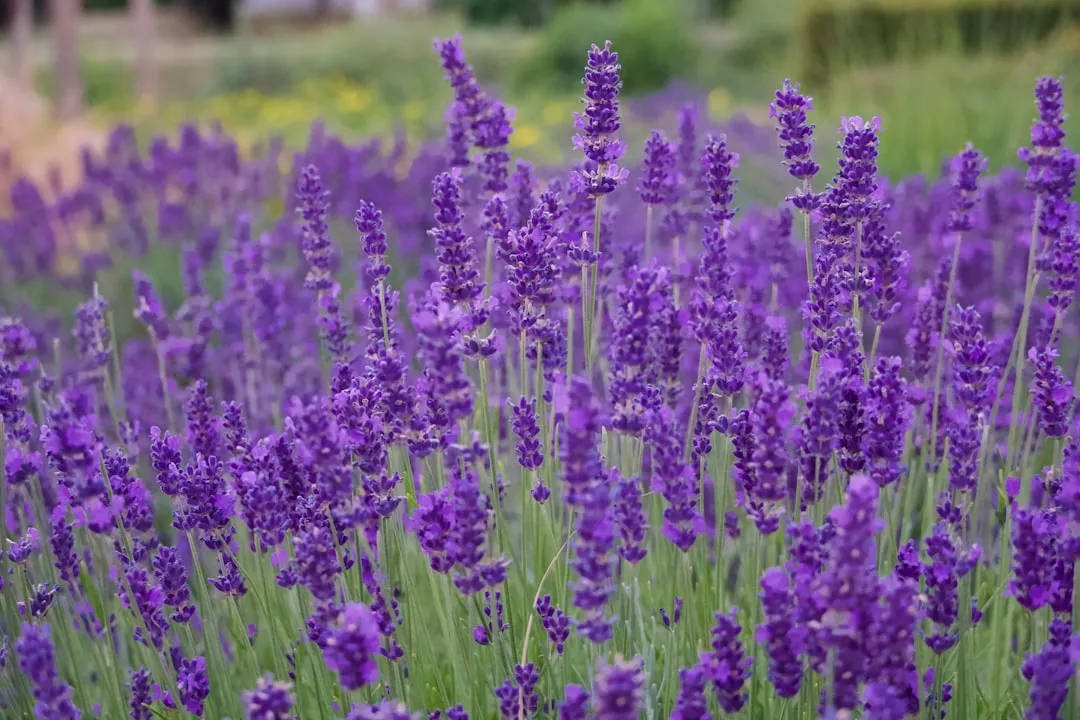
Lavender is such a familiar sight along Napa’s roadsides and vineyard borders that it’s easy to forget how functional it actually is. It’s drought-tolerant, attracts pollinators, and offers a visually appealing addition to various landscapes, which covers three jobs in one plant. Its scent does real work too, since lavender is known for its natural ability to repel pests like aphids, mosquitoes, and moths, and planting it alongside more susceptible plants can help keep these pests at bay, reducing the need for chemical pesticides.
It also asks for almost nothing from a Napa garden bed, thriving in full sun, lean, well-draining soil once it’s established, and it happens to be deer and rabbit resistant as well, which matters a great deal in a valley where deer wander freely between vineyard rows.
Rosemary: Structure That Never Quits
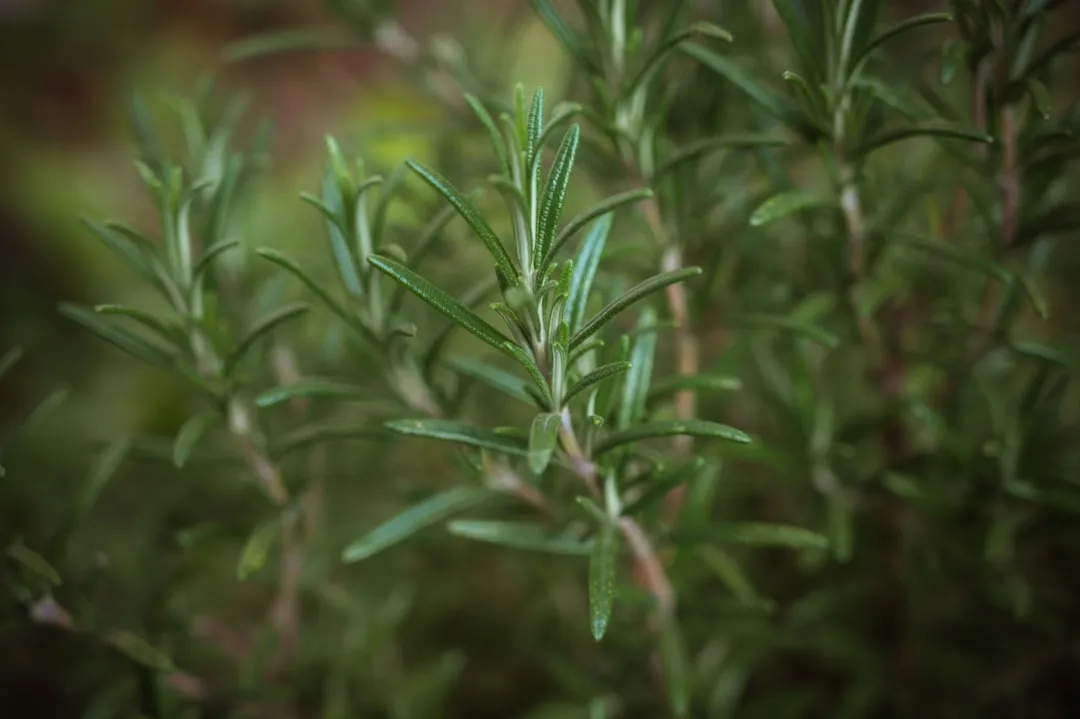
If lavender brings the fragrance, rosemary brings the backbone. It’s a fragrant, drought-tolerant evergreen shrub beloved for its culinary, ornamental, and therapeutic uses, thriving year-round with minimal care. Pair it with lavender and the benefits compound, since together they may repel plant-eating insects, deer, and rabbits, and the bright flowers are a popular choice for pollinators like bees.
The two herbs also happen to be easy roommates in a Napa bed because both herbs enjoy well-draining soil and don’t mind a bit of neglect, which is about as honest a description of low-maintenance gardening as you’ll find. Rosemary’s woody structure holds its shape through winter too, giving a garden bones when the more delicate flowering plants have gone quiet.
California Poppy: The State’s Own Answer To Drought
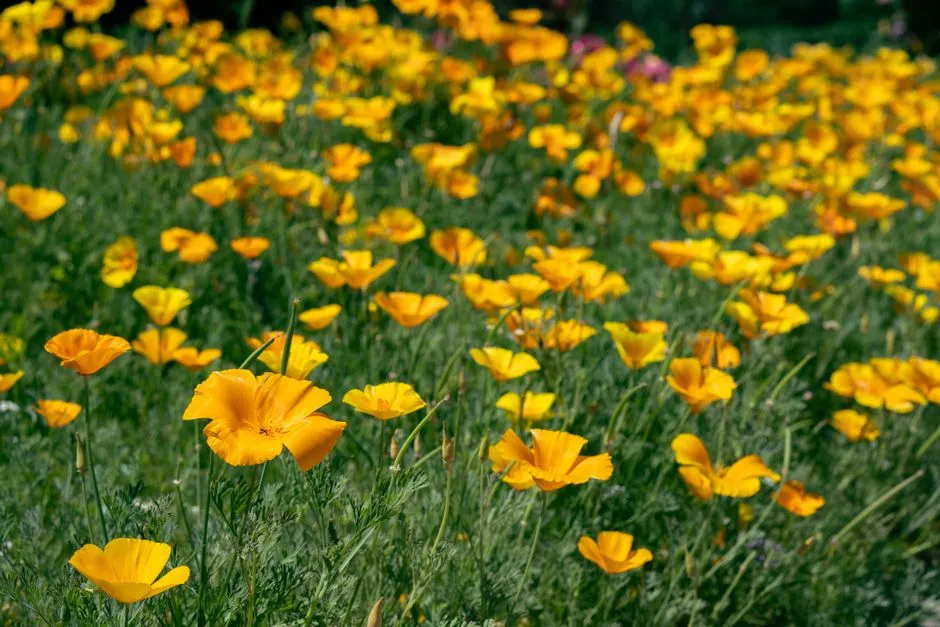
No plant list for California would feel complete without the golden poppy, and Napa gardens are a natural home for it. The poppy thrives in well-drained, sandy or loamy soils and is drought-tolerant, making it well-adapted to the Mediterranean climate of California. It’s also genuinely low input once it takes hold, since the California poppy is notably drought-tolerant, thriving in poor, dry soils where many other plants find it hard to thrive.
Ecologically it earns its keep too, because it provides nectar and pollen for a variety of native pollinators, including bees, butterflies, and hummingbirds, and its seeds feed birds and small mammals along the way. Sow it in fall ahead of the winter rains and by spring you’ll have drifts of orange that need essentially no supplemental water at all.
Yarrow: The Quiet Workhorse Of The Garden
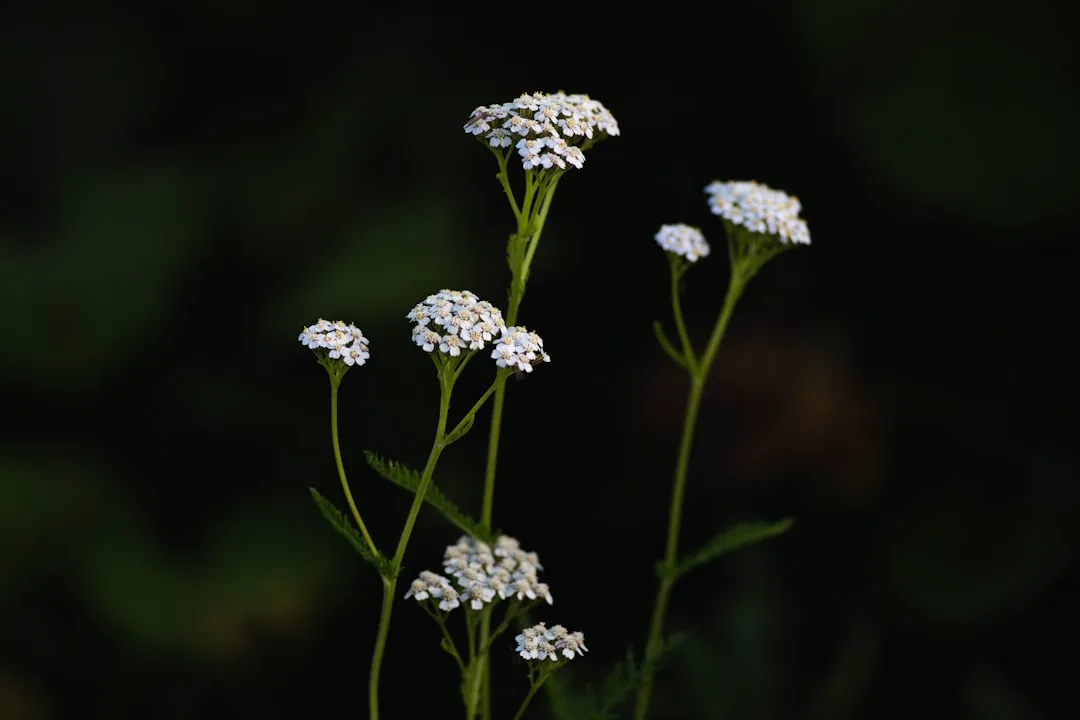
Yarrow rarely gets top billing, yet it may do more behind the scenes than any plant on this list. It’s genuinely a hardy and drought tolerant plant that can grow up to three feet tall and can be easily grown in most soil types and light conditions, and it draws in an impressive cast of helpers. Research documented by extension sources shows yarrow flowers attract hover flies whose larvae consume up to 400 aphids each before pupating, while parasitoid wasps recruited by yarrow parasitize cabbageworm and cabbage looper larvae.
It even improves the ground it grows in, since gardeners have observed that yarrow will benefit the soil that it is growing in as it adds more nutrients to the soil, pulling up nutrients such as copper, magnesium, calcium, and potassium into itself. Give it room to spread, since it can be a vigorous grower, but few plants do more to quietly protect a Napa Valley bed of tomatoes, roses, or brassicas.
Salvia: The Napa Master Gardeners’ Own Recommendation
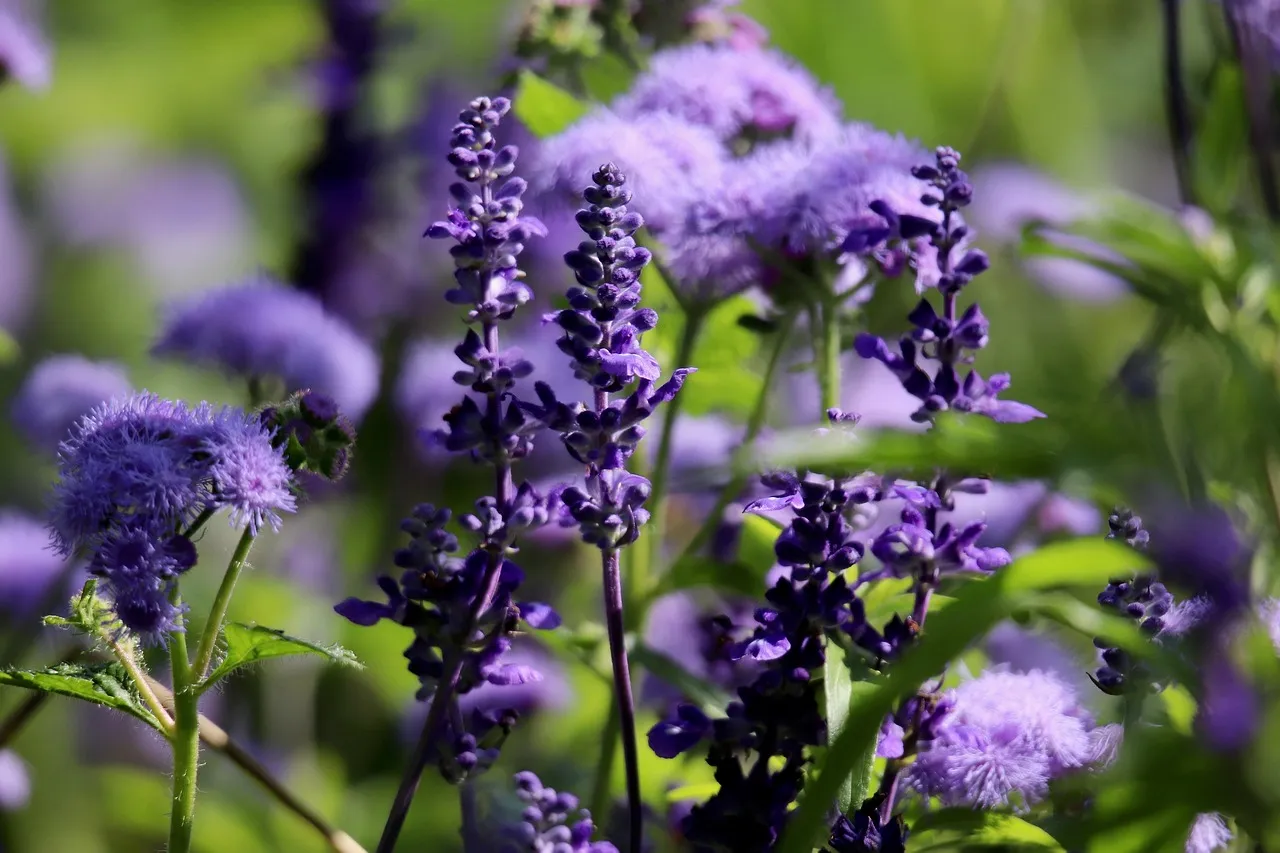
Rounding out the list is salvia, or ornamental sage, a plant local horticulture experts return to again and again. The Napa Master Gardener program itself has suggested pairing it with lavender in dry landscape design, noting that in a sunny location, shrubs such as salvia and lavender can be placed among large succulents such as aloe and agave, with the contrast of soft and sharp textures pleasing to the eye, while the salvia will bloom most of the summer.
Beyond looks, salvias are workhorse pollinator plants, being large group of ornamental and culinary plants that produce aromatic foliage and attractive flower spikes in colors of purple, blue, red, pink, and white from late spring to fall. They’re also built for exactly the conditions Napa serves up, since they’re native to hot, dry climates, heat and drought-tolerant, deer-resistant, and low-maintenance. Tucked between lavender and yarrow, salvia extends the bloom season and keeps pollinators visiting well into fall.
Designing For Water Conservation, Not Just Beauty
Water is never a background concern in Napa, it’s a design constraint that shapes every decision a gardener makes. Recent monitoring shows the region still swings between wet and dry years, with Water Year 2025-26 rainfall totals ranging from 22.7 inches in the City of Napa to 39.7 inches at the top of Mt. St. Helena as of spring 2026. The UC Master Gardener approach to this reality is refreshingly clear eyed, pointing out that a garden can use less water and remain visually pleasing, lush and colorful.
That’s precisely why lavender, rosemary, poppy, yarrow, and salvia work so well as a set. All five ask for deep, infrequent watering rather than daily attention, which matches Napa’s rainfall pattern instead of fighting it.
Managing Pests Without Reaching For Chemicals
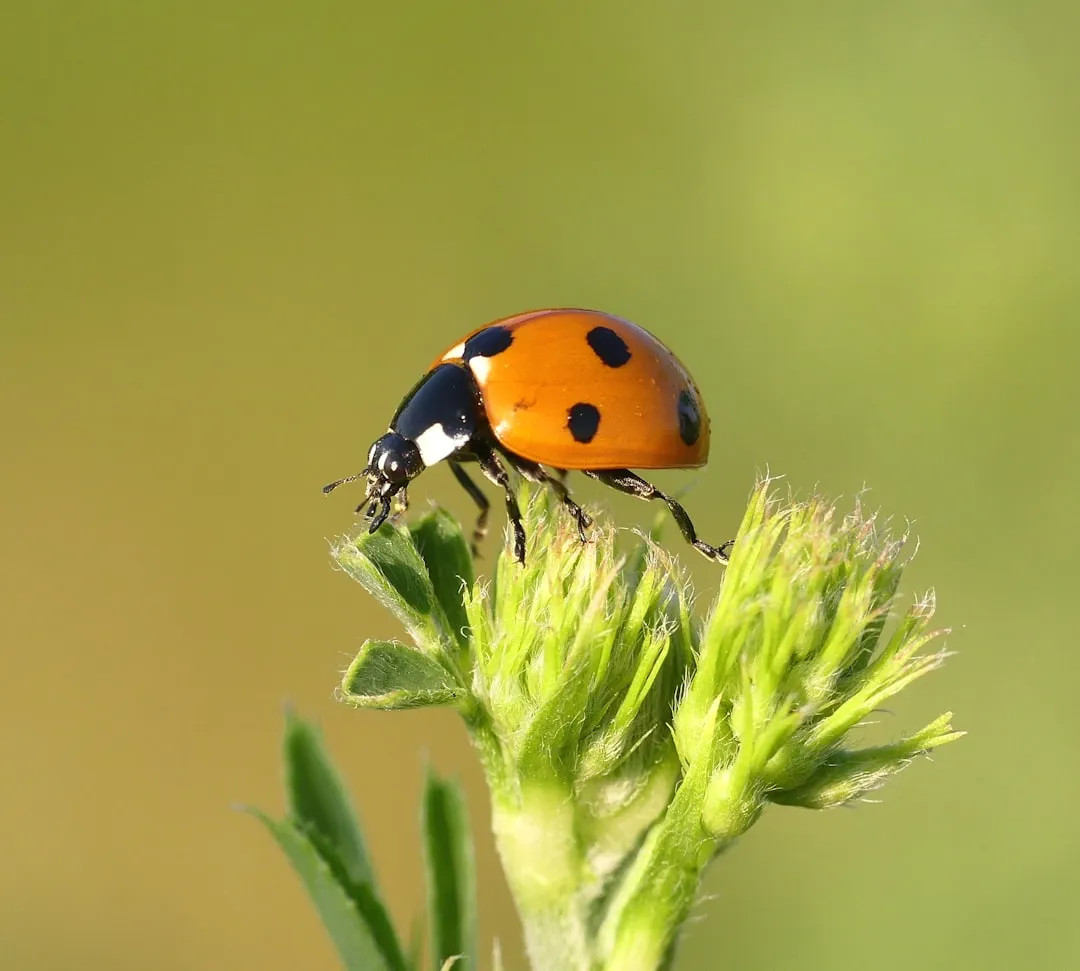
One underrated benefit of this five plant combination is how much pest pressure it takes off a gardener’s shoulders. Yarrow alone recruits an impressive defense squad, since it attracts a wealth of beneficial insects such as lacewings, parasitoid wasps, ground beetles, spiders, ladybugs, and hoverflies that find shelter in its feathery foliage. Lavender contributes its own scent based defenses, while rosemary and salvia add aromatic oils that many chewing insects simply avoid. The combined effect is a bed that largely polices itself, cutting down on the sprays and treatments that can otherwise become a weekly chore through a long Napa growing season.
Bringing The Five Together In Your Own Bed
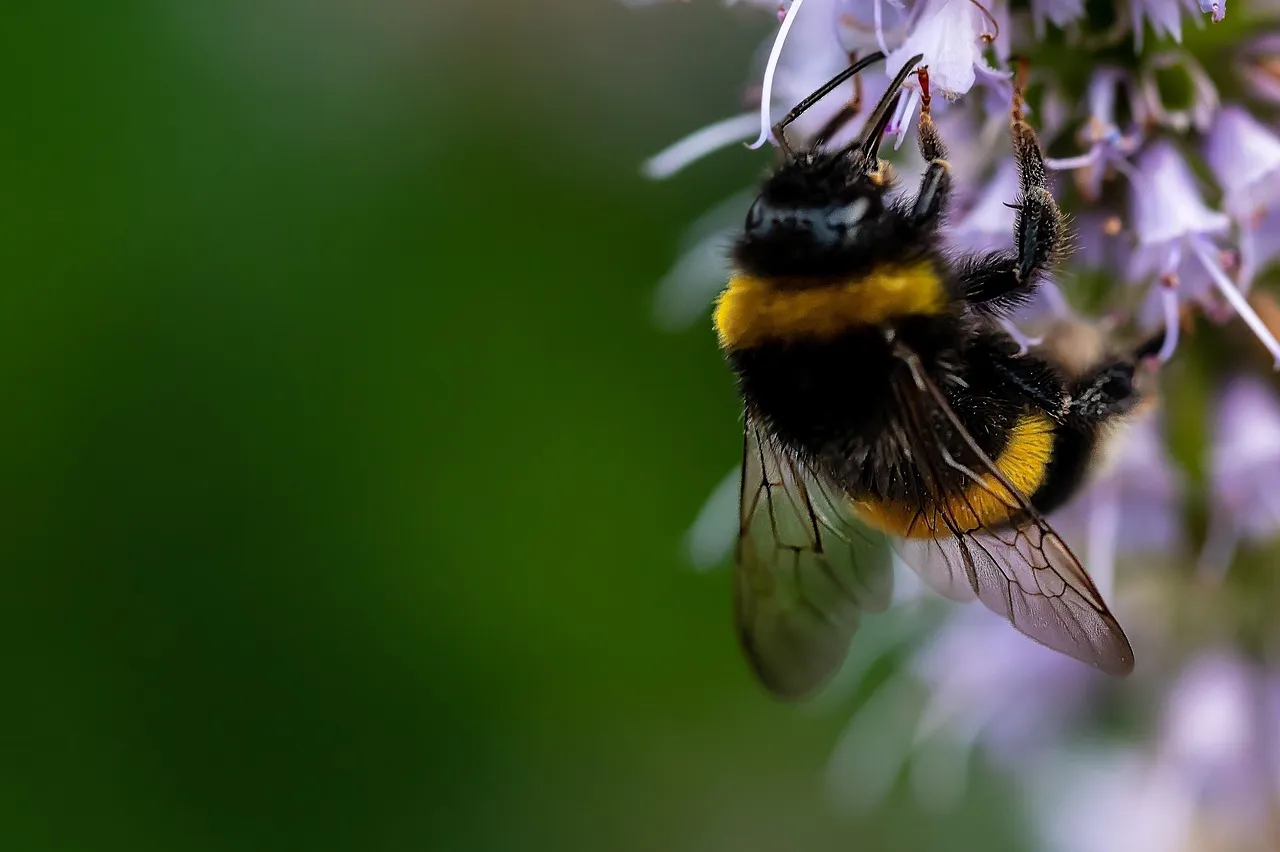
The real magic happens when these plants are grown side by side rather than in isolation. A simple, tested layout might place rosemary and salvia as anchor shrubs at the back or corners, lavender along a sunny border or path edge, yarrow tucked among vegetables or roses where its insect army can do the most good, and California poppy scattered loosely wherever bare soil needs quick, self-seeding color. This isn’t a rigid formula, since no one plant does it all, but the five together cover pollination, pest control, soil health, and drought resilience in overlapping ways. Give the arrangement a season or two to settle in, water deeply but infrequently while roots establish, and the payoff is a bed that looks after itself through even the driest Napa August.
Put together, these five plants amount to less of a shopping list and more of a small, practical system. Each one solves a problem the valley’s climate creates, and together they solve several at once. A garden built around them won’t need constant fussing, and that, in the end, might be the most Napa Valley outcome of all.
AI Disclaimer: This article was created with the assistance of AI tools and reviewed by a human editor.